
Chinoiserie Mahjong Racks: Which Design Fits Your Game?
Last updated: Nov 23, 2026
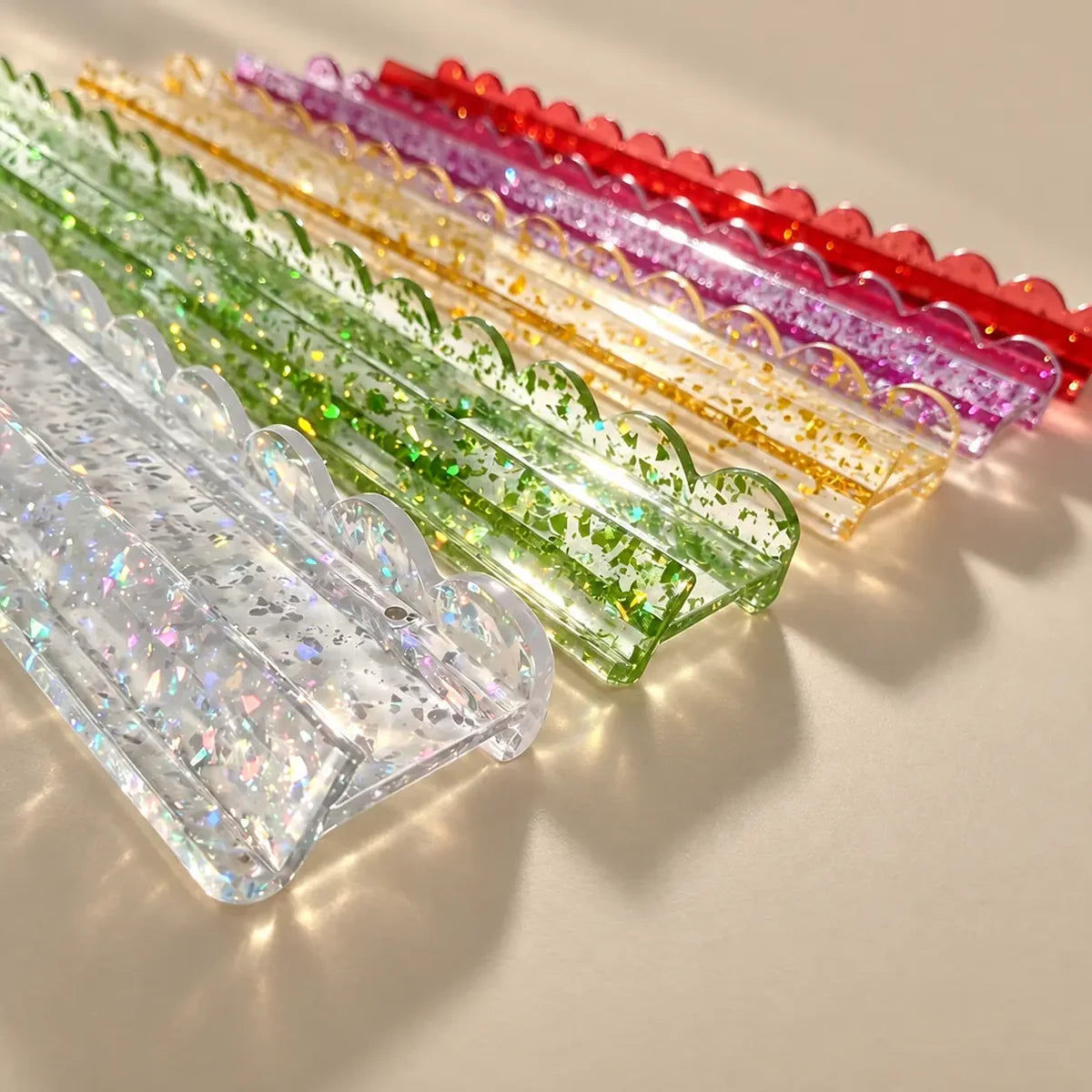
Chinoiserie mahjong racks blend traditional East Asian artistic motifs—dragons, peonies, landscapes, calligraphy—with modern tile-holding function. A full set includes two to four racks (one per player) plus pushers to nudge tiles into place without dropping or tilting. These decorative racks serve serious American mahjong players who host weekly games and value both aesthetics and grip stability; they're not essential, but they prevent tile spills and keep the game flowing. Designs range from hand-carved wood with inlaid bone to lacquered finishes with embossed florals. Mahstead's best-selling mahjong racks include multiple chinoiserie styles suited to players upgrading from basic felt trays or moving from a crowded tile wall to a more elegant display. Cost varies by material and detail level; see current prices on the product page. Choose based on your table color, whether you play standing or seated, and how many hands you host per season. 🀄 Shop best-selling mahjong sets →
What makes a rack "chinoiserie" versus a simple holder?
Chinoiserie racks feature artistic Asian-inspired imagery—painted cranes, prunus blossoms, geometric fretwork, or calligraphic elements—integrated into the rack's structure or surface. A basic plastic or felt rack is purely functional with no decoration. Chinoiserie distinguishes itself through craftsmanship: hand-painting, wood carving, inlay, or embossing that transforms a utility item into a display piece. The aesthetic signals intentionality and pride in your game setup, which matters when you're hosting monthly rounds or playing in a regular rotation.
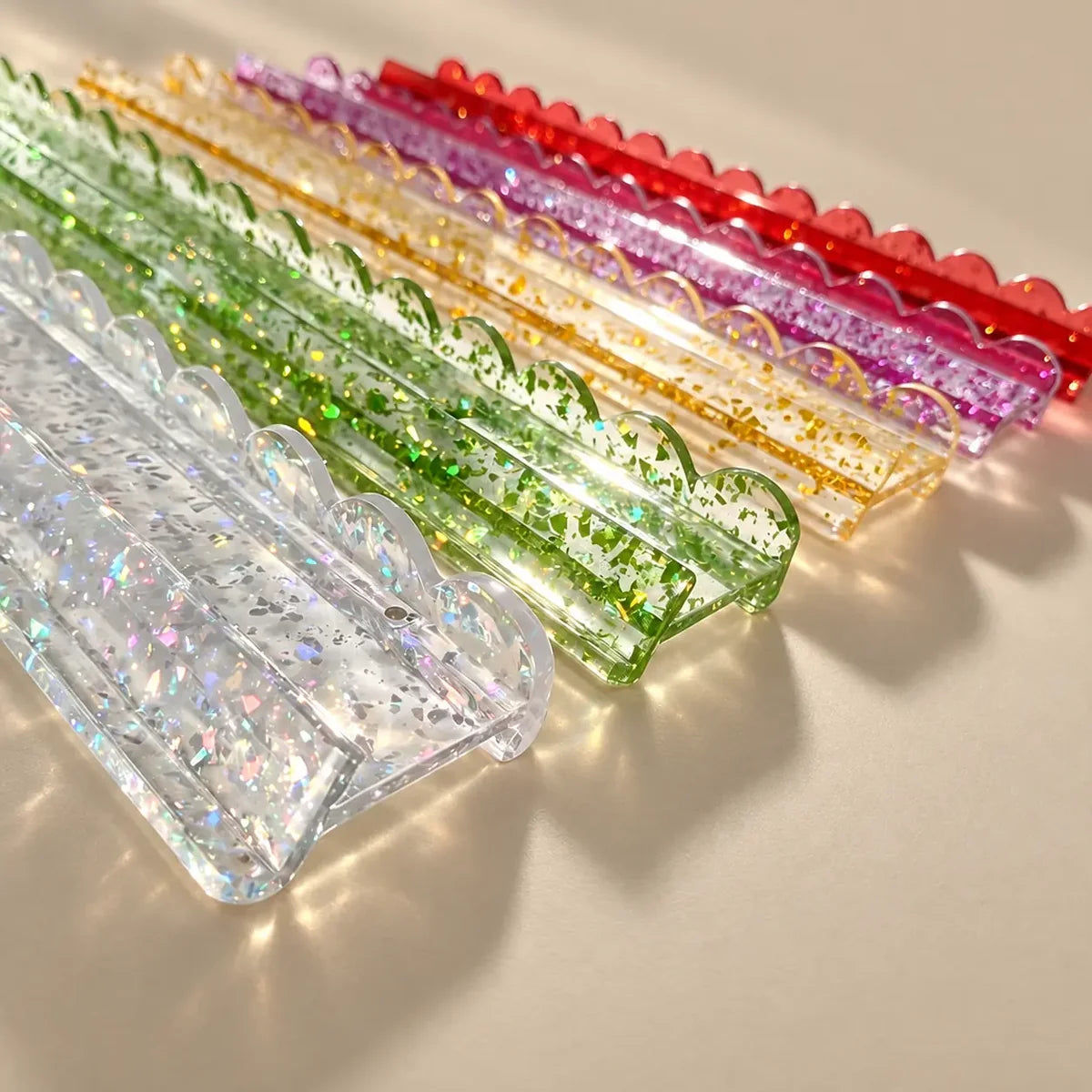
Who should buy ornate chinoiserie racks instead of standard trays?
Weekly game hosts who invest in engraved sets, premium mats, and matching accessories will find chinoiserie racks a natural fit—they complement a curated table and show respect for players' experience. Experienced players moving into their second or third set appreciate the upgrade because it eliminates fumbling and tile noise. Gifters buying a complete mahjong starter package often pair engraved American mahjong sets with decorative racks to signal quality and intention. Beginners don't need them; a folded mat edge works fine during early play. Intermediate players hosting regularly will notice the payoff in game flow and table elegance within the first season.
How do you compare hand-painted, carved, and lacquered finishes?
Finish Type | Durability | Upkeep | Visual Impact | Best For |
Hand-painted wood | 3–5 seasons before fading | Wipe only, no water | Vibrant, custom designs | Serious players, indoor-only tables |
Hand-carved bone/wood inlay | 10+ years | Occasional oil; avoid direct sun | Sophisticated, tactile | Collectors, heirloom-minded hosts |
Lacquered (urethane/acrylic) | 5–8 seasons | Wipe; more scratch-resistant | Glossy, reflective | High-traffic games, outdoor-to-indoor use |
Embossed resin/composite | 4–6 seasons | Minimal; color stable | Textured, consistent | Budget-conscious players; travel games |
Hand-painted racks risk pigment loss after 4–5 seasons of weekly play and humid storage; they're ideal for display-focused players in climate-controlled homes. Carved inlay racks (often wood with bone or mother-of-pearl detail) are the heirloom choice—they appreciate with age and suit players treating mahjong as a lifelong practice. Lacquered finishes resist moisture and scuffing, so they're practical for players who move racks between tables or pack them into travel bags. Composite/embossed racks are lightweight and affordable; they show wear sooner but suit beginners who may not keep the set long-term.
🎁 See our most-loved mahjong sets & accessories →
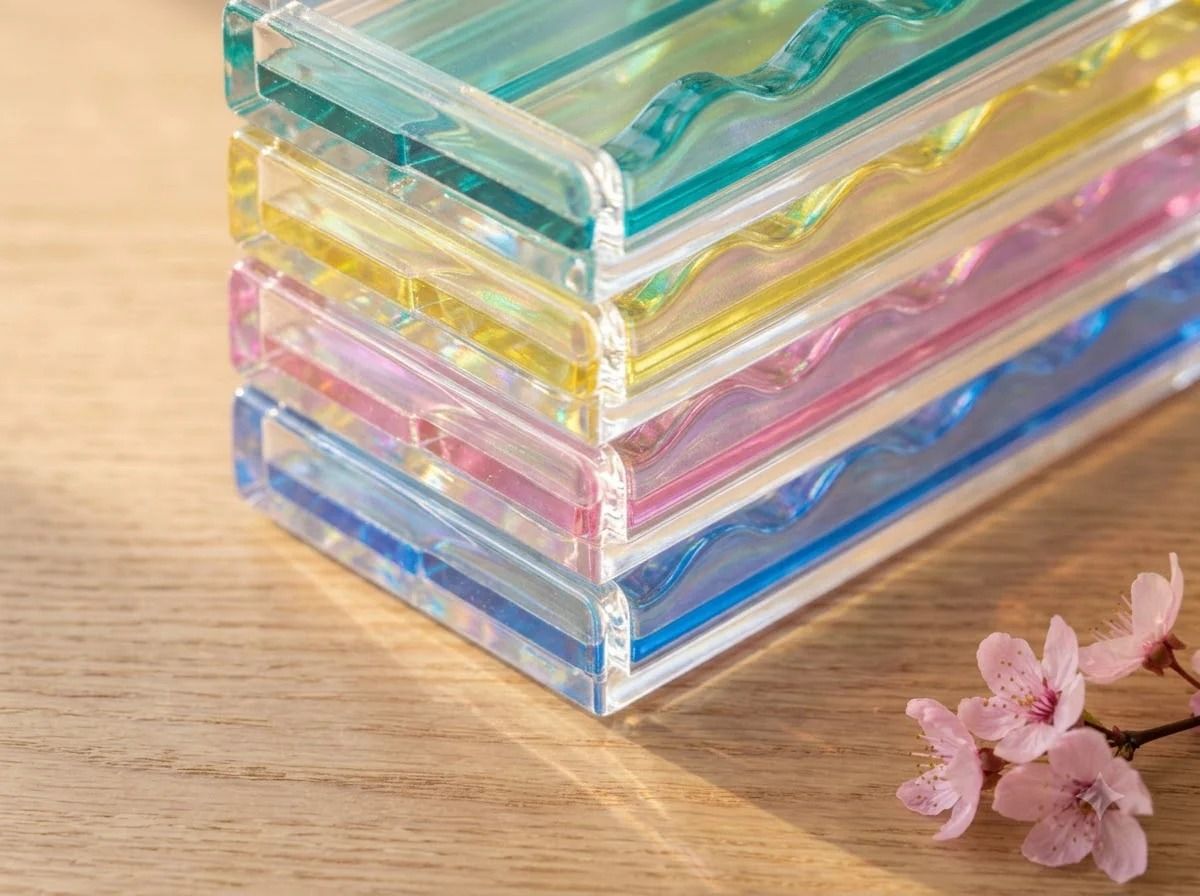
What size and slot depth do you actually need?
Most American mahjong racks accommodate 152 tiles in four separate trays (38 tiles per rack, one per player). Slot depth matters: shallow slots (⅜ inch or less) are faster for tile-reading during play but risk tiles popping out during transport or nervous hands. Medium depth (½ to ⅝ inch) is the standard for serious games—tiles sit secure without shadowing the face during play. Deep slots (¾+ inch) suit outdoor games or rowdy tables but slow your tile-spotting reflexes. Chinoiserie racks typically come in medium depth because ornate carvings leave less room for depth without making the piece unwieldy. If you play standing (as many American players do), measure your table height and rack width: a 12-inch-wide, 1-inch-tall rack works for standing play; seated players often prefer wider, flatter designs that keep tiles in view without neck strain. Check the product page for actual dimensions before ordering—guessing leads to racks that don't fit your table or feel cramped during active play.
How do pushers improve your game flow?
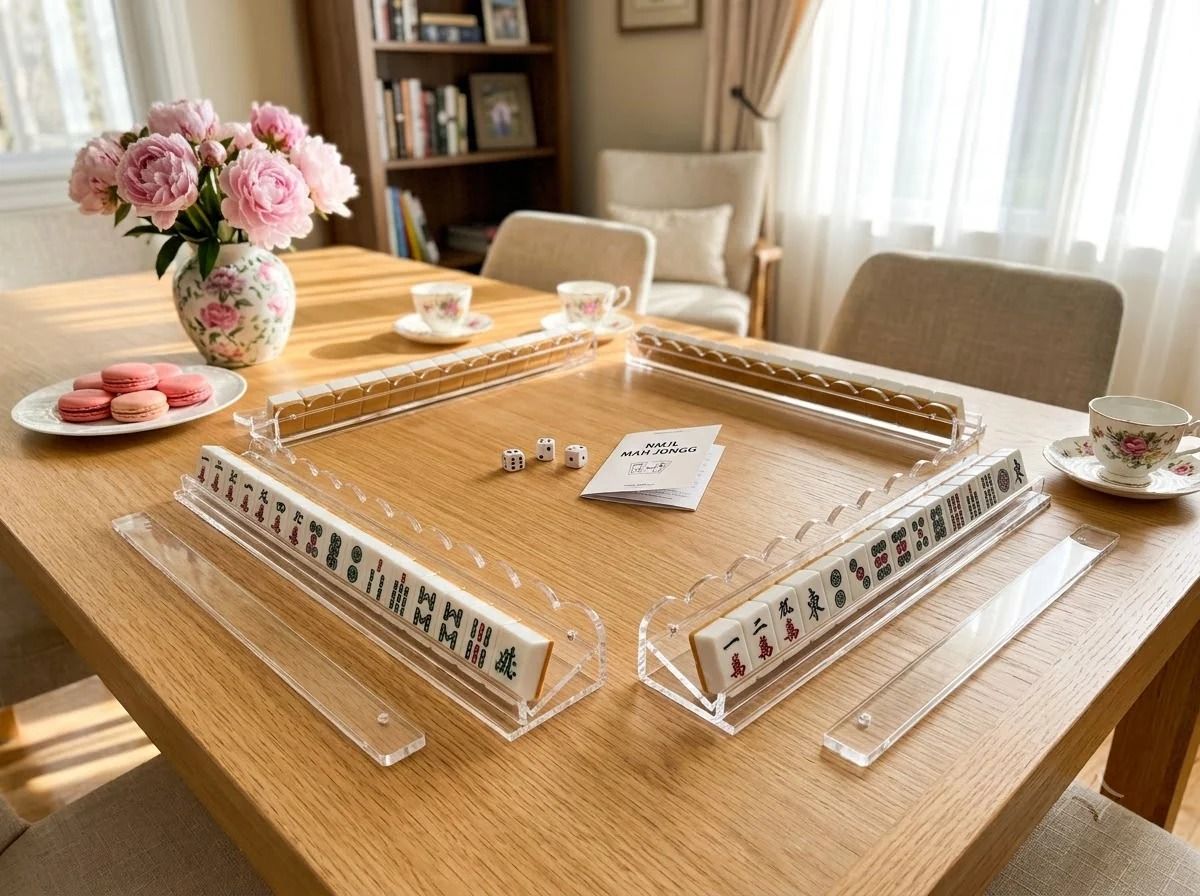
Pushers (small wooden or bone implements) let you nudge tiles from the wall into the rack without lifting them individually, keeping hands steady and preventing spills mid-hand. During active play, a dropped or scattered rack ruins concentration and delays scoring. Pushers also reduce hand fatigue if you play multiple consecutive games. Chinoiserie racks that include matching pushers (often carved from the same wood or lacquered identically) are superior to racks bundled with generic plastic sticks because the weight and balance feel intentional. A good pusher is 3–4 inches long, slightly angled at the tip, and weighted enough to move a tile without requiring repetitive force. If a rack doesn't include pushers, they're affordable to buy separately, but matched sets signal a complete design vision and are easier to keep track of during setup and storage. When testing a rack before purchase, confirm the pusher length suits your hand span—too short and you'll stretch; too long and you'll overshoot tiles on a crowded wall.
What to check before you buy
Rack-to-tile compatibility: Verify the rack's slot width matches your tile thickness. American mahjong tiles are standard width; some imported or vintage racks use different gauges. Mahstead's mahjong racks with pushers are calibrated to standard American tiles.
Set and storage cohesion: If you already own a mahjong set in a specific color palette or material (bamboo, acrylic, ceramic), choose a rack finish that complements, not clashes. A hand-painted landscape rack looks awkward next to a bright translucent modern set.
Table surface and lighting: Glossy lacquered racks can create glare under bright overhead lights; test under your actual game lighting or choose matte finishes if you play in well-lit kitchens.
Pusher comfort and loss: Buy racks with at least two pushers per player (eight total for a four-player game). Pushers vanish during cleanup. Keep a spare in your mahjong bag.
Transport durability: If you travel with your racks, choose lacquered or carved wood over hand-painted. Pack them in foam or a protective sleeve—racks rattle and crack easily in luggage.
Seasonal humidity: Hand-painted racks in humid climates (coastal areas, swampy regions) fade and warp faster. Carved inlay or lacquered options are safer long-term investments in high-moisture environments.
✨ Find your Mahstead set — free US shipping →
FAQ
Do I need a separate rack for each player or can we share one?
Each player needs their own rack during active play—it holds their 13 drawing tiles and lets them organize their hand privately. Sharing one rack per round breaks the game's flow and exposes hands prematurely. Four racks (one per player) is standard.
Can I use a chinoiserie rack outdoors?
Lacquered and carved racks tolerate patio play; hand-painted racks fade and warp in direct sun and moisture. If you play outdoors regularly, choose urethane-lacquered or sealed composite racks and store them indoors between games. UV exposure degrades most finishes within one season of heavy outdoor use.
What's the difference between a mahjong rack and a mahjong tray?
A rack has individual slots for each tile, keeping them upright and organized. A tray is a shallow dish where tiles lie flat and lean. Racks are faster for tile-reading and reduce errors during play; trays are cheaper and take less table space but slow the game.
How do I clean a decorated chinoiserie rack without damaging the finish?
Wipe with a barely damp microfiber cloth and dry immediately. Avoid soaking, harsh chemicals, and direct sun-drying. For carved wood, use a light furniture oil every season to protect against cracking. Hand-painted racks should only be wiped; oil can blur pigment.
Can I mix racks from different brands or styles at the same table?
Yes, mixing works functionally, but mismatched aesthetics disrupt the game's atmosphere. If you're building a set over time, aim for racks in the same finish family (all lacquered or all carved, for example) so the table reads as intentional rather than pieced together.
Are expensive chinoiserie racks worth the cost compared to basic racks?
For casual players (a few games per year), basic racks suffice. For weekly hosts, the durability, tile security, and visual consistency of quality racks pay off over 3–5 seasons and reduce tile damage and stress during play. Heirloom-grade carved racks (used 50+ times per year) last a decade and often appreciate in value.


View More
View More
View More
