
Mardi Gras Mahjong Party: Cocktails, Themes & Game Setup
Last updated: Nov 23, 2026
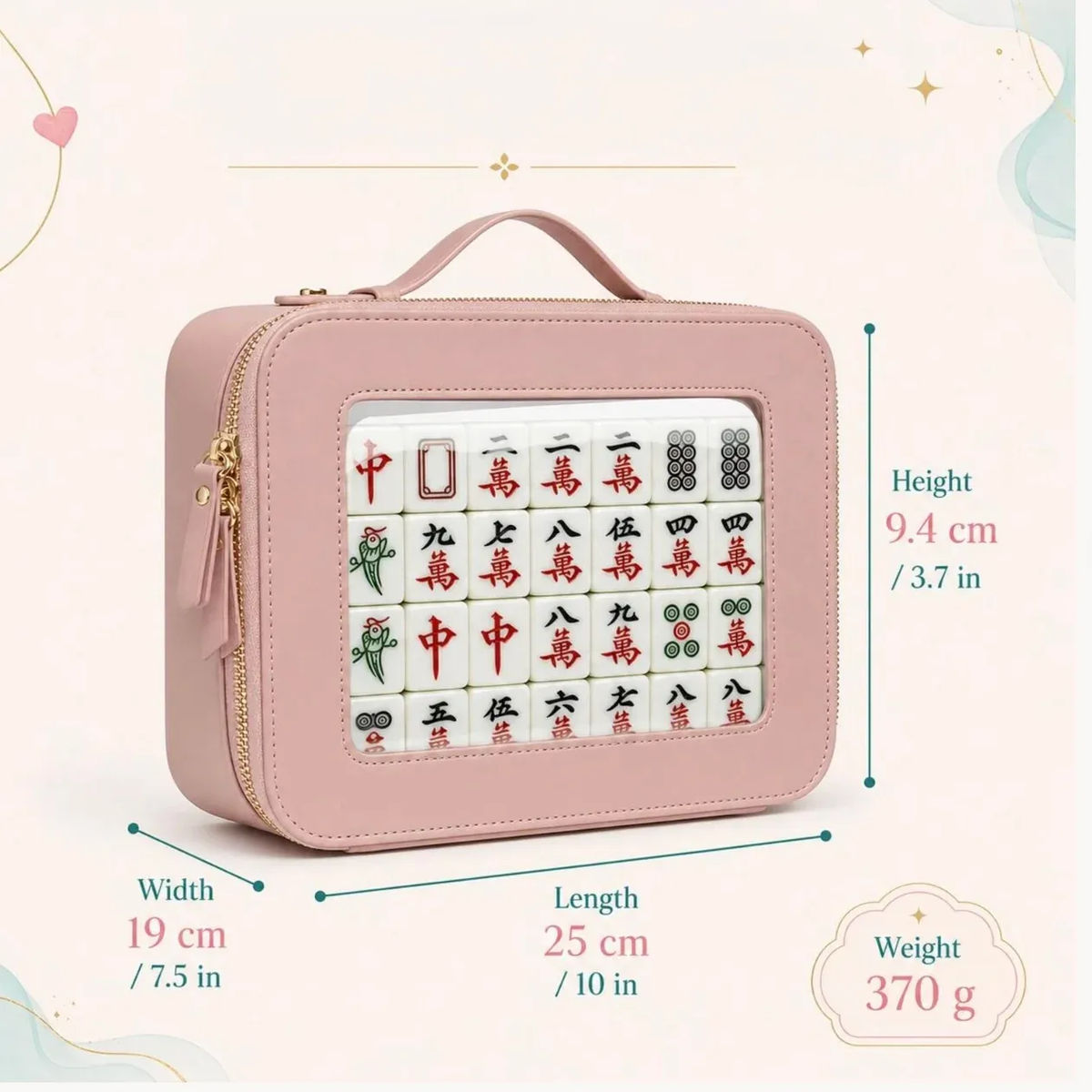
A Mardi Gras mahjong party pairs the festive energy of New Orleans with American mahjong's social structure. You need four players, 152 tiles in a set (we recommend engraved designs that spark conversation), drinks matching Creole or Cajun themes—think sazeracs, hurricanes, and abita beer—and decorations in purple, green, and gold. Host at a table with enough room for a mahjong mat or playfield. Plan 2–4 hours; players new to American mahjong may need a 20-minute teach using the current year's National Mah Jongg League card. Avoid cluttered table layouts that block sight lines to tiles. Theme the night by assigning each wind (North, East, South, West) a Mardi Gras role—King, Queen, Jester, Duke—or play with best-selling mahjong sets that already evoke festive energy. Mahstead sets ship free across the US and come ready to play with storage options that let you break down quickly between rounds. 🀄 Shop best-selling mahjong sets →
What drinks pair best with mahjong game rhythm?
Cocktails should be low-proof or served in rounds so players stay sharp. Hurricane (light rum, Chambord, citrus) fits Mardi Gras and sips smoothly between tile draws. Sazerac (rye, Herbsaint, Peychaud's bitters) is iconic and brief enough not to distract. Offer beer—Abita Amber or Acadian Amber—as lighter alternatives. For non-drinkers, craft a house mocktail with citrus, mint, and ginger beer in purple, green, and gold layers. Serve drinks in glasses that won't tip onto tiles; avoid sticky residue by keeping damp napkins handy.

How do you theme a mahjong table for Mardi Gras?
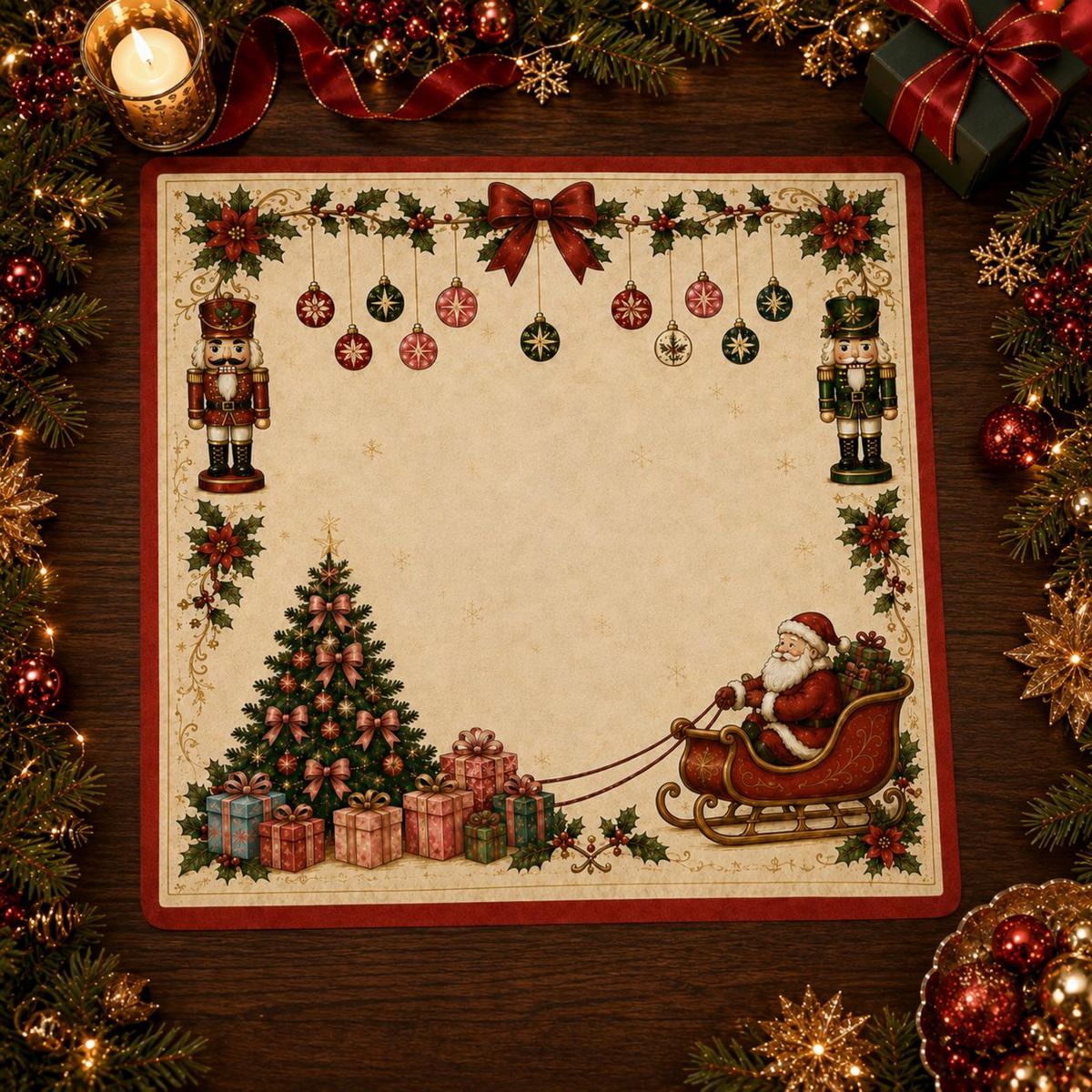
Use a festive mahjong mat as your base—it defines the play zone and keeps tiles visible. Add purple, green, and gold runners, candles in glass holders, and beads draped safely away from the tile play area. Play New Orleans jazz or funk in the background at low volume—don't muffle the click of tiles, which is half the sensory appeal. Name each seating position after a Carnival krewe, and award small plastic doubloons or beads to winners each round instead of (or alongside) scoring tallies. Keep decorations off the playing surface itself; they jam shuffling and steal focus from the card. A mahjong mat that coordinates with your color scheme makes setup instant and keeps the space elegant.
What's the best way to explain American mahjong to new players before cocktails flow?
Teach before the first drink arrives, when attention peaks. Show the 152 tiles: three suits (Bams with the bird, Craks, and Dots), winds, dragons, flowers, and jokers. Explain that American mahjong hands come from the current year's card—you're not inventing melds, you're matching a published list. Walk through the Charleston (the tile-passing ritual) step-by-step, then play one practice hand live so everyone sees a complete cycle: draw, discard, claim, build, win. Keep it to 15 minutes. Use how to play American mahjong as a cheat sheet you can reference if questions arise. Most players pick up the rhythm by round three.
What tiles and accessories make a Mardi Gras party feel complete?
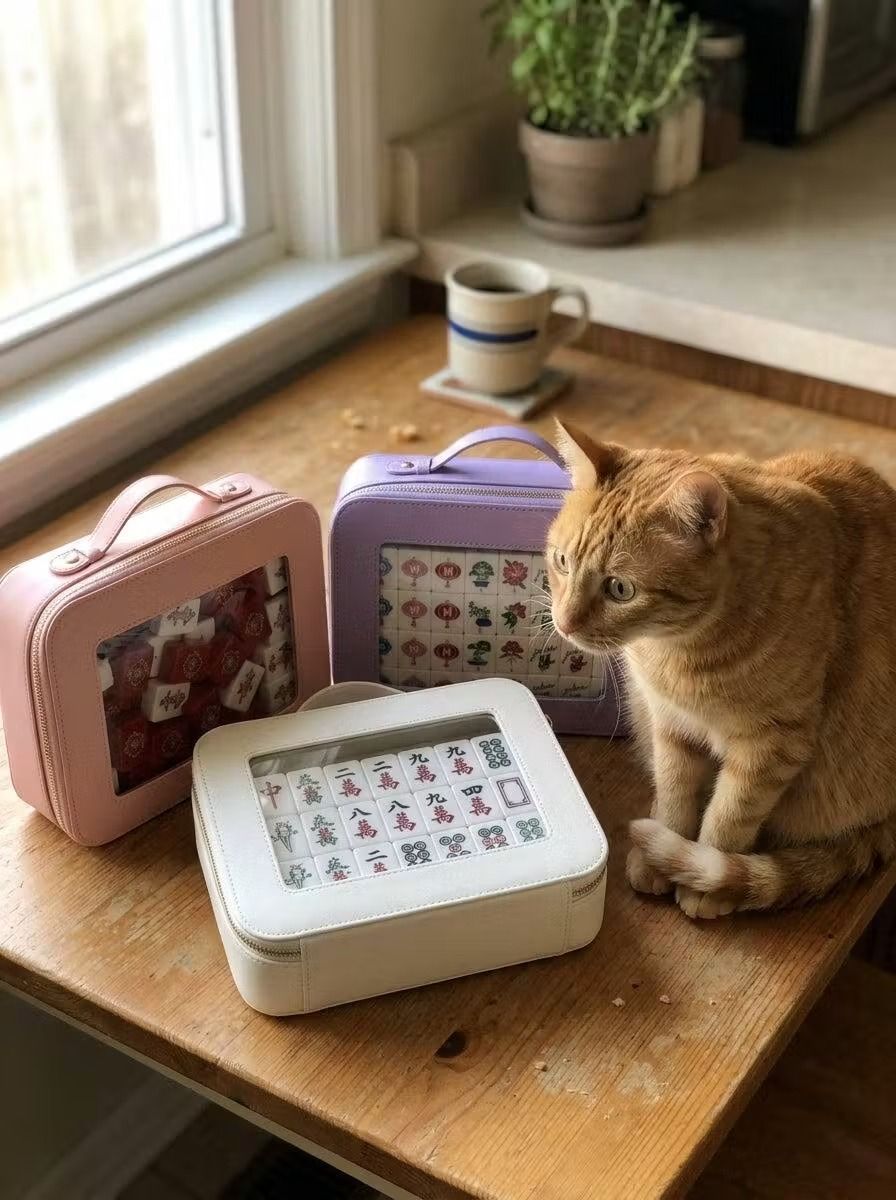
A best-selling mahjong set with vibrant acrylic tiles—reds, golds, deep greens—echoes Carnival palettes without feeling forced. Pair it with racks with pushers in matching colors so each player has a clean hand display. Include a printed 2026 National Mah Jongg League card at each seat (laminated if you'll reuse it). Dice for determining East Wind are essential—include them in your set. If you're hosting a rotating foursome weekly, a travel bag keeps everything organized and portable between homes.
Element | Why It Works | Setup Tip |
Festive acrylic tiles | Color and weight feel premium; engraved designs spark stories | Choose designs you'd be proud to display year-round |
Mahjong mat | Defines play zone; cuts table noise; protects surface | Measure your table width; mats range to fit 4–6 seaters |
Racks with pushers | Players see their own hand clearly; speeds claiming | One per player; store flat in a small bag between rounds |
Dice | Randomizes East Wind each round | Keep extras in case one rolls off table |
Printed 2026 card | Eliminates phone searching mid-game; keeps pace | Laminate and tape one per corner of mat for quick reference |
🎁 See our most-loved mahjong sets & accessories →
How do you keep the game flowing when hosting four players and serving drinks?
Prepare the table 30 minutes ahead: set mats, place racks, lay out the card and dice, chill glassware. Assign a non-player co-host to manage drinks—refill between rounds, not mid-game. Play with a timer (set a phone alert for 7–10 minutes per round so the night has rhythm). Have paper scoring sheets printed in advance; keep one at each seat. Most important: explain upfront that wins are tallied at the end of each hand, not held up for photo ops. Enforce a quiet-zone rule during play so players can hear tile calls (a claim of pung or kong). Laughter and chatter between rounds is part of the fun; focused silence during play keeps the game teachable for newcomers. If someone disrupts tile sequences or forgets the current hand mid-round, pause, reset that hand, and move on—hospitality beats strict scorekeeping at a themed party.
What's the difference between hosting for experienced players versus teaching new players?
Experienced players want fast setup, clear card visibility, and minimal interruption; they'll handle scoring and strategy. Assign seats randomly, do a quick Charleston, then play three to four hands per hour. They'll welcome a Mardi Gras theme as added flavor, not a main event.
New players need a calm teaching environment first. Host the teaching round before any cocktails are served. Use one practice hand to show the full cycle. Play the next 2–3 hands with the card open and one player narrating each move. Once everyone has claimed and won at least once, play a "real" round. For a Mardi Gras angle, tell new players upfront: "Tonight you're learning one of the oldest games in the world—the same rules your grandmother might have played in a Houston or Dallas living room 40 years ago. Let's celebrate that." This frames mahjong as tradition, not trivia, and makes the festive overlay feel earned rather than gimmicky.
What to check before you buy
Set tile count: All our sets include 152 playing tiles plus spares. Verify you have the current year's National Mah Jongg League card (2026 for this season).
Mat size: Measure your table; mats fit tables 32"–48" wide. An oversized mat swallows a small table; an undersized one cramps play.
Rack capacity: Standard racks hold 14 tiles per player. If you use jokers heavily (common in American mahjong), ensure racks have clearance.
Storage: If hosting rotating groups, choose a travel bag or case that zips flat and fits 152 tiles plus card and dice.
Color coordination: If you're building a themed set, check the mat and rack colors against your decor photos before ordering.
✨ Find your Mahstead set — free US shipping →
How do you handle scoring and keeping track across rounds?
American mahjong scoring is point-based and ladder-derived from the National Mah Jongg League card; it's not intuitive for newcomers. For a casual Mardi Gras party, simplify: award 1 point per win, and track total wins over the night. The winner at the end takes a small prize (beads, a pass on next month's snacks, or bragging rights). If your group wants real scoring, print American mahjong scoring cheat sheets and assign one player as scorekeeper per round. Rotate the scorekeeper role so no one feels stuck. For parties, the social momentum matters more than accounting accuracy; save strict scoring for league play.
What if someone wants to learn American mahjong the same night as the party?
Dedicate the first 45 minutes to a teach without pressure to score. Use mahjong for beginners as your reference. Show the tile types, walk through the Charleston (the tile-passing ritual before play begins), and explain that every hand must match a pattern on the current card—you can't invent melds. Play one full hand live with the card open so everyone sees the rhythm. Then play round two with light scoring just to cement the feeling. By round three, most learners are ready to focus on their own strategy. A Mardi Gras party is actually a great teaching moment because the festive framing takes pressure off—people relax, laugh, and absorb rules by doing rather than memorizing.
Which set design works best for a Mardi Gras theme?
Look for tiles in deep jewel tones or sets with engraved titles and designs that reflect celebration or hospitality. Avoid austere, minimal sets for this theme; reach for acrylic tiles with depth and color. Mahstead's best-selling collection includes designs that work as conversation pieces—guests will ask about them before the first hand is dealt. A set that lives on a shelf year-round and pulls double duty as tableware or decor will justify the investment, especially if you host quarterly themed nights.
FAQ
What's the minimum setup cost to host a Mardi Gras mahjong party?
One quality set (152 tiles), a mat, racks, dice, and the 2026 card. See current pricing on Mahstead's product pages. Non-alcoholic snacks and decorations are optional. The set and mat are your biggest investment and last years with care.
Can I play Mardi Gras mahjong with just three people?
American mahjong is built for four players and uses 152 tiles across four hands. Three-player variants exist but require rule tweaks and a different tile distribution. For a Mardi Gras party, recruit a fourth player or co-host who rotates in and out each round.
How long does a full Mardi Gras mahjong night last?
Plan 3–4 hours if you include a teach, cocktails, and 6–8 hands. Experienced players move faster—2–3 hours for the same number of hands. Pace cocktail service so players stay sharp; a round lasts 5–15 minutes depending on group speed.
Do I need to buy individual cocktail recipes or can I adapt classic drinks to a Mardi Gras theme?
Classic drinks like sazerac and hurricane are already Mardi Gras anchors. Adapt by adding citrus twists in gold, purple, or green, or layer color into mocktails. No special recipes needed—let the tile play be the centerpiece, not the bar.
What's the best mahjong mat size for a Mardi Gras party table?
Measure your table width. Most dining tables are 36"–48" wide; a standard mat fits 40"–48". A mat that's too small cramps discards and tile visibility; one that's too large slides off or wastes space. Check Mahstead's mahjong mat guide for detailed sizing.
How many cocktails should I prepare per player per hour?
One cocktail per player per 1.5–2 hours keeps pace with game rounds without impairing focus. Offer water and non-alcoholic options equally. A low-proof, spirit-forward drink (sazerac) keeps players engaged longer than a high-sugar or high-alcohol mix.


View More
View More
View More
