
Mahjong World Championship: Rules, Events & How to Compete
Last updated: Nov 23, 2026
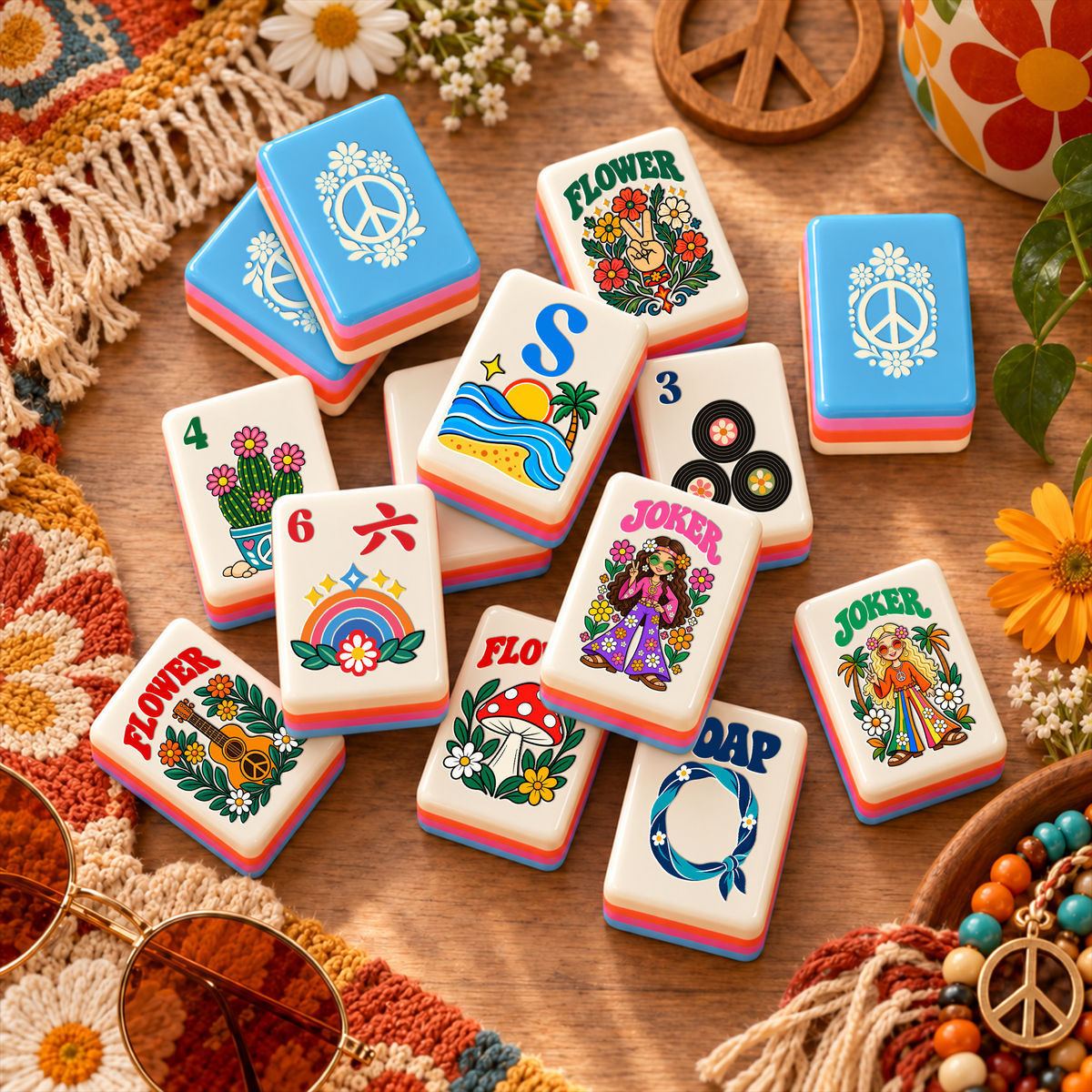
Mahjong world championships are annual or biennial tournaments that crown champions in specific game variants—most notably American mahjong, Chinese classical, and Riichi (Japanese) mahjong. The National Mah Jongg League (NMJL) organizes the largest American championship, held annually in the United States, drawing hundreds of players competing in teams and individuals across multiple rounds. Winners are determined by cumulative scores based on each game's point system; American mahjong, for example, awards points according to hand difficulty and bonus multipliers. Chinese championships follow the World Mahjong Organization (WMO) standardized rules; Riichi competitions are regulated by the Japan Mahjong Association and international bodies. Entry typically requires NMJL membership (for American events) or federation registration. Costs and formats vary by event. Many competitive players use best-selling mahjong sets to practice at home. Competition-grade equipment is essential—consistent tile size, clear suit markings, and reliable pushers make the difference between casual play and tournament readiness.
Mahjong world championships bring together the world's best players across American, Chinese, and Riichi variants. The National Mah Jongg League (NMJL) organizes the largest American championship, held annually in the United States, drawing hundreds of players competing in teams and individuals across multiple rounds. Winners are determined by cumulative scores based on each game's point system; American mahjong, for example, awards points according to hand difficulty and bonus multipliers. Chinese championships follow the World Mahjong Organization (WMO) standardized rules; Riichi competitions are regulated by the Japan Mahjong Association and international bodies. Entry typically requires NMJL membership (for American events) or federation registration. Costs and formats vary by event.
Which Mahjong Variants Hold World Championships?
Four major variants compete for world recognition. American mahjong uses the NMJL card and 152-tile sets; the NMJL National Tournament is the primary U.S. championship. Chinese classical mahjong (Cantonese, Shanghai, Sichuan variants) is governed by the WMO; champions are crowned at the World Mahjong Championship, held every three years in rotating host cities. Riichi (Japanese) mahjong has the strongest competitive structure globally—the Japan Mahjong Association runs domestic championships, and international Riichi tournaments draw players from Europe, Asia, and North America. Taiwanese mahjong and Hong Kong mahjong have regional championships but no unified world title. Each variant uses different tile counts, suit names, and scoring systems, so players typically specialize in one or two. American players who want to compete at the NMJL level must learn the current year's hand card, master the Charleston (the tile-passing ritual), and understand how jokers work in American-specific patterns.

How Are Players Ranked and Matched in Competition?
Tournaments use several formats depending on the organizer. The NMJL National Tournament divides players into brackets by skill level (Beginner through Expert), ensuring fair matchups. Players compete in multiple games over a weekend event; rankings accumulate from individual game scores. Swiss-system tournaments (used in some Riichi events) pair players of similar win-loss records each round, rather than eliminating players outright. Round-robin formats, common in regional championships, require each player to face every other player once or twice. Chinese WMO championships typically use a knockout format combined with preliminary rounds. Seeding—the initial placement of top players—is often based on previous season rankings, rating points, or qualification tests. Riichi tournaments in Japan and internationally use dan/kyu (rank) systems; lower-ranked players start in separate brackets. American tournament players are typically grouped by self-reported experience level. To improve your competitive edge, many serious players invest in high-quality equipment: mahjong racks with pushers help you hold and manage tiles efficiently, and a precision mat with clear boundaries keeps games fair and organized.
🀄 Shop best-selling mahjong sets →
What Are the Rule Differences Across Championship-Level Games?
American mahjong at the NMJL level is unique: no chows (sequences) can be called or exposed—only pungs (3 identical tiles), kongs (4), quints (5), and sextets (6). Jokers substitute for any tile but cannot form a pair or single tile. All hands come from the current year's NMJL card. Scoring is based on hand difficulty multiplied by a base value and bonus points. Chinese classical mahjong allows chows, pungs, and kongs; players must form a complete hand (eyes plus four melds or sets). Winning requires a specific combination—self-drawn (zimo), or discarded by another player (hu). Scoring varies by variant (Shanghai, Cantonese, Sichuan each have different point systems). Riichi mahjong is closest to Chinese classical in structure but emphasizes hand concealment and the "riichi" (ready) declaration—a special betting round where a player declares they need only one tile to win and can earn bonus points. Penalty scoring (penalties for false declarations or rule breaches) is heavier in Riichi than in American or Chinese variants. Hong Kong and Taiwanese mahjong add betting rounds, bonus tiles, and regional scoring multipliers. Understanding how to read the mahjong card is mandatory for American competitors; Chinese and Riichi players memorize hand patterns and scoring groups instead. Championship referees enforce these rules strictly—deviations result in hand voidance or player disqualification.
What Does It Take to Qualify for a World Championship?
Entry pathways differ by variant. American mahjong (NMJL): Membership is required; you register for the annual national tournament (typically held in spring). Some players earn invitations or byes through regional qualifying tournaments or high ratings from the previous season. Chinese classical mahjong (WMO): National federations select team representatives; qualification usually involves domestic championships or ranking tournaments. Individual spots are limited. Riichi mahjong: Japan-based tournaments feed into world championships; international players compete in their home country's federation events or gain entry through ranking points accumulated across sanctioned tournaments. Taiwanese and Hong Kong mahjong: Regional federation membership and local tournament placings determine eligibility. Most world-level competitors train year-round, often hosting or joining weekly games to refine strategy and tile handling. Practice games at home using best-selling mahjong sets build muscle memory and decision-making speed. Serious players also study published hand archives, attend coaching sessions, and review live streams of previous championships to learn opponent tendencies and optimize tile selection under pressure.
🎁 See our most-loved mahjong sets & accessories →
What Equipment Standards Are Required for Championship Play?
Tournament-grade equipment must meet strict standards. Tile uniformity: All tiles must be the same size (typically 28 mm × 21 mm for American sets), with legible symbols and suit markings visible from across the table. Chipped, discolored, or warped tiles are rejected before play begins. Pushers and racks: Pushers must move tiles smoothly without dragging or sticking; racks must hold exactly 13 tiles (American) or 14 tiles (Chinese/Riichi) and allow quick, quiet tile management. Metal pushers wear out faster than quality acrylic; tournament organizers often require new or certified pushers. Dice: Must be standard size (16 mm), balanced, and capable of rolling fairly on the mat. Weighted or unevenly worn dice are removed from play. Mats: Provide clear visual boundaries, non-slip surface, and defined seating zones. Some tournaments supply mats; others allow players to bring their own. Joker and blank tiles: American tournaments use exactly 8 jokers and 152 playing tiles per set; no blanks or extras are used during play. Sets purchased for home practice often include spares for replacement, but only the regulation 152 tiles and 8 jokers are shuffled into play. Organizers perform "tile audits" before each round—counting tiles, verifying joker quantity, and checking for damage—to ensure fairness. If you're preparing for competitive play, engraved American mahjong sets designed for serious players feature durable acrylic tiles, clear markings, and professional-grade racks and pushers that meet tournament expectations.

How Do Tournament Scores and Rankings Work?
American mahjong scoring: Each hand is assigned a point value based on its difficulty (from the NMJL card) and bonus multipliers. A player earns points by winning a hand; points are deducted for discards that allow opponents to win (called "feeding" an opponent). Final scores from each game are tallied across all rounds played. Chinese classical mahjong: Points are awarded per hand; winning a self-drawn hand (zimo) pays double. Bonus points apply for special patterns (dragons, terminals, concealed melds). Losing players each pay the winner. Riichi mahjong: Uses mangan, haneman, baiman, and yakuman tiers (hand-value categories). Fu (base points) multiply based on melds and patterns. A winning hand's score is calculated using a formula; discard rounds and penalties adjust final scores. Tournament aggregation: Most championships use match scoring (win-loss-draw record) combined with total point differential. If players are tied in wins, point spread breaks the tie. Some events use "rating systems" (like Elo in chess) that adjust player rankings after each tournament based on opponent strength and game outcome. Championship broadcasts typically display live scores for all tables, and final rankings are published within 24 hours. Players who finish in the top 10–20 (depending on field size) earn trophies, titles, and invitations to the following year's championship or international events. Regular practice with mahjong bags and cases allows competitive players to transport and protect equipment for away tournaments without wear or damage.
Variant | Governing Body | Championship Frequency | Primary Scoring Basis | Entry Format |
American | NMJL | Annual | Hand difficulty × bonus multipliers | NMJL membership + registration |
Chinese (Classical) | WMO | Every 3 years | Meld combinations + zimo/hu patterns | National federation selection |
Riichi (Japanese) | JMA + IMSA | Annual (international rounds) | Fu/mangan/haneman/yakuman tiers | Domestic rank or invitational |
Taiwanese | Regional federations | Annual (regional) | Betting rounds + regional multipliers | Local federation membership |
Hong Kong | Regional federations | Annual/biennial | Betting + bonus tiles + multipliers | Regional tournament placings |
✨ Find your Mahstead set — free US shipping →
What Should You Check Before Buying Equipment for Tournament Play?
If you're preparing to compete, verify these before purchase:
Tile legibility: Can you read Bam, Crak, and Dot symbols clearly from three feet away? Numbers must be sharp and consistent.
Set completeness: Count the tiles—152 playing tiles plus 8 jokers for American mahjong. Do not rely on package labeling; inspect the actual set.
Pusher quality: Test pushers on a mat. They should move smoothly without resistance or noise.
Rack fit: Hold 13 American tiles in the rack. Tiles must sit stable without tipping or sliding out.
Joker clarity: All 8 jokers must be identical and visually distinct from numbered tiles.
Wear resistance: Acrylic tiles resist scratching and discoloration better than bone or plastic under tournament handling. Examine corners and edges for chips.
Mat surface: A non-slip mat prevents tiles from sliding during shuffling or tile draws.
Spare tiles included: While spares are never used in play, replacements for damaged tiles during a tournament are essential. Confirm your set includes spares.
Real-World Tournament Tips from the Weekly Game
We host mahjong every week and have watched players prepare for regional and national events. Here's what separates competitive players from casual ones:
Tile handling: Tournament players can pick, arrange, and discard tiles in under two seconds per action. Practice with mahjong racks with pushers to build speed without fumbling.
Joker memory: Keep track of joker placement as tiles are discarded and drawn. In American mahjong, knowing where jokers are reduces the chance of dead hands.
Card fluency: Competitive American players memorize hand patterns from the current NMJL card. Studying it daily during the season cuts decision time in half.
Table etiquette: Tournaments have strict rules about tile placement, discard timing, and verbal claims. Violating these rules can void a hand. Practice these habits now.
Stamina: Most tournaments run 4–6 games per day over a weekend. Play multiple back-to-back games weekly to build focus and avoid fatigue-induced errors.
Where to Find Championship Information and How to Register
American mahjong: Visit the NMJL website directly or search for their National Tournament announcement each winter. Registration opens in January or February. Some states host qualifying tournaments; check your state's mahjong association for details.
Chinese classical mahjong: The World Mahjong Organization publishes championship dates and host cities on their site. National federations (e.g., China Mahjong Association, European Mahjong Association) manage qualification and team selection.
Riichi mahjong: The Japan Mahjong Association and International Mahjong System Association (IMSA) list sanctioned tournaments. Players accumulate ranking points through online and in-person events worldwide.
Taiwanese and Hong Kong mahjong: Regional federation websites and local community centers post tournament schedules. Check Meetup boards, Facebook groups, and community centers in cities with active mahjong communities (Dallas, Houston, Los Angeles, San Francisco, New York, Boston).
To prepare, join a regular home game or local club. Consistent weekly practice builds confidence and reveals gaps in your knowledge before tournament day. Many groups meet at community centers, synagogues, country clubs, and libraries—ask locally or check online community boards. Equip your home game space with reliable, professional-grade tiles and mahjong mats so your practice environment mirrors tournament conditions.

FAQ
Do I need NMJL membership to play in a mahjong world championship?
For American mahjong, yes—NMJL membership is required to enter the National Tournament. Chinese and Riichi championships require membership in your country's mahjong federation or association. Regional tournaments may have different entry requirements.
How long does a world championship tournament last?
Most multi-day championships run 2–3 days. Players compete in 4–8 games total across all rounds. Individual qualifying rounds or online events may span weeks or months before the final championship weekend.
Can I use my home mahjong set in a world championship?
Most tournaments provide equipment or specify approved suppliers. If you bring your own set, it must meet exact standards: tile size (28 mm × 21 mm), uniform markings, balanced dice, and functional pushers. Organizers inspect and reject non-compliant sets before play.
What's the difference between American and Chinese championship scoring?
American mahjong scores hands by difficulty multiplied by bonuses; points are cumulative across games. Chinese classical mahjong scores each individual hand, with special bonuses for patterns and self-drawn wins. Losing players pay the winner directly in Chinese play.
Do I have to qualify for a world championship, or can I just enter?
Entry depends on the variant and event. American mahjong requires NMJL membership and registration; some national tournaments accept all members. Chinese and Riichi championships typically require prior qualification through regional tournaments or federation ranking points.
How often are world championships held for each variant?
American (NMJL National Tournament) is held annually in spring. Chinese (WMO World Championship) runs every three years. Riichi (JMA and international) runs annual qualification tournaments with world-level events every 1–2 years.
What are the most common mistakes competitive players make?
Misreading the NMJL card (American), slow tile handling, poor joker tracking, and not studying hand patterns before the event. Practice with regulation equipment at home to avoid these errors under tournament pressure.


View More
View More
View More
