
Mahjong in Taiwan Culture: History, Play & Traditions
Last updated: Nov 23, 2026
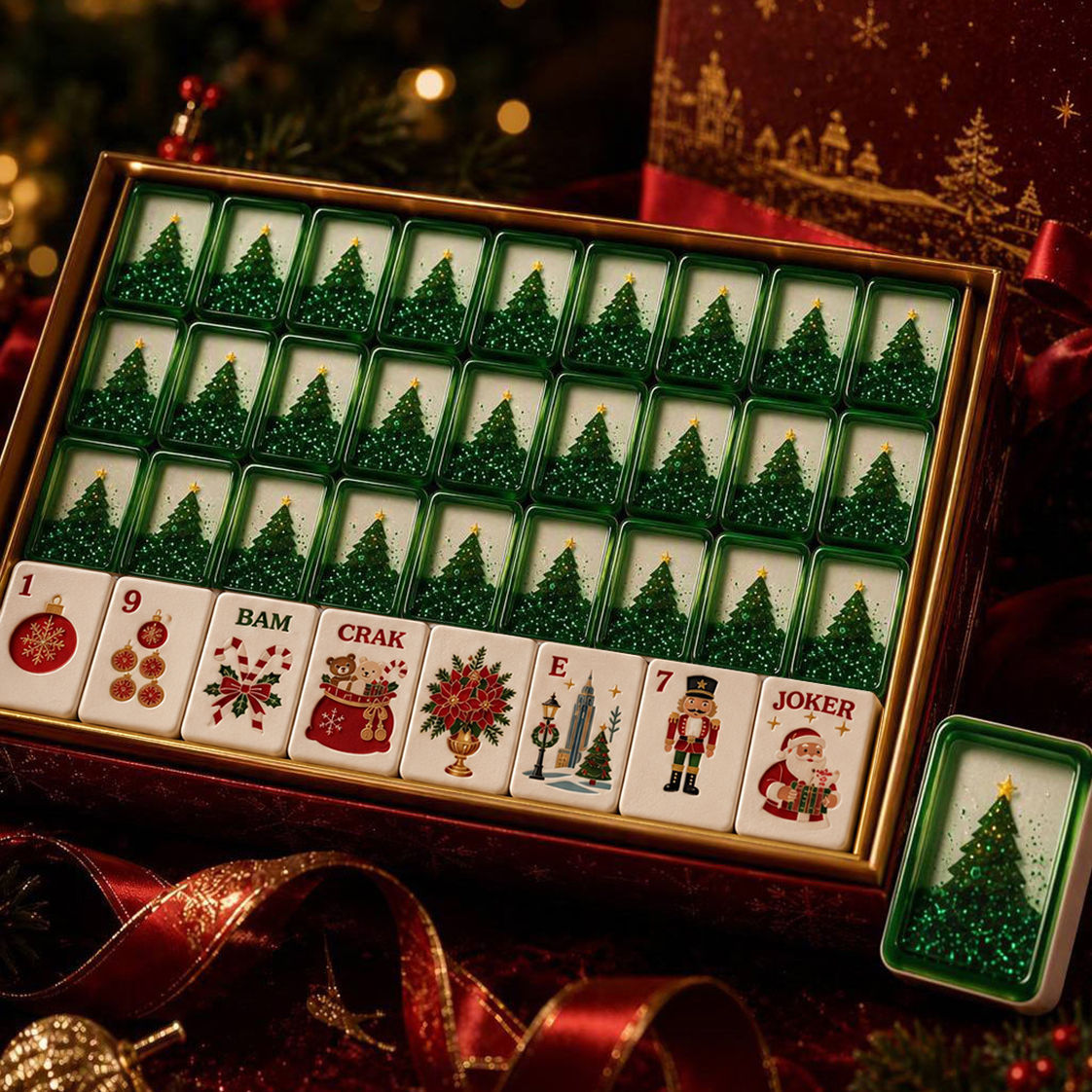
Mahjong arrived in Taiwan during the early 20th century and became so embedded in daily life that it defines social gatherings across generations. Taiwanese mahjong uses 144 tiles (unlike American mahjong's 152) and follows regional hand patterns that evolved independently from Hong Kong, Chinese, and American variants. The game is played at family dinners, neighborhood gatherings, and formal clubs, where skill and luck intertwine with storytelling and relationship-building. Taiwanese-style play emphasizes speed, strategic tile-reading, and particular honor-winning sequences that differ sharply from American hands; jokers don't exist in traditional Taiwanese play. The game serves as a window into Taiwanese values: patience, family loyalty, calculated risk, and the balance between fate and strategy that permeates the culture itself.
Taiwan's relationship with mahjong is not casual—it is foundational. The game arrived around the 1920s during Japanese occupation and took root so completely that mahjong tiles became as familiar to Taiwanese homes as rice bowls. Unlike mahjong in Hong Kong or mainland China, Taiwanese regional play developed its own dialect of rules, hand patterns, and etiquette that reflect the island's unique history and values.
How did mahjong become central to Taiwanese identity?
Mahjong entered Taiwan during a period of cultural synthesis. Japanese colonial administration, Chinese heritage, and emerging Taiwanese identity all shaped how the game was adopted and adapted. By mid-century, mahjong had shifted from entertainment to a keystone of social life: family bonds were strengthened around the table, business deals were brokered informally during games, and neighborhood communities organized regular gatherings. Unlike Western card games that emphasize individual competition, Taiwanese mahjong embedded itself as an intergenerational connector—grandmothers teaching grandchildren, aunts hosting cousins, colleagues building trust through play. The game also represented a form of cultural continuity during political uncertainty; when other traditions were disrupted, mahjong remained a stable anchor for identity and belonging.

What are the core rules of Taiwanese mahjong?
Taiwanese mahjong uses 144 tiles: three suits (Bamboo, Character, Dot) numbered 1–9 with four copies each (108 tiles), plus 16 winds, 12 dragons, and 8 flower tiles—no jokers and no blanks. A winning hand requires 14 tiles arranged in melds (three-tile sets called Pung or four-tile Kongs) plus a pair, similar to Hong Kong rules but with distinct hand patterns unique to Taiwan. Players draw and discard in turn; winning occurs when a hand is complete through self-draw or by claiming an opponent's discard. Speed matters: skilled Taiwanese players memorize dozens of standard hand patterns and read the game state in seconds. Unlike American mahjong, which requires consulting the current year's card to verify legal hands, Taiwanese players rely on learned pattern recognition and regional convention. The game is typically played for money (stakes vary from casual family games to high-stakes club play), which intensifies focus and makes each hand meaningful.
How does Taiwanese mahjong differ from American and Hong Kong variants?
Aspect | Taiwanese | American | Hong Kong |
Tile count | 144 | 152 | 144 |
Suits | Bamboo, Character, Dot | Bam, Crak, Dot | Bamboo, Character, Dot |
Jokers | None | 8 required | None |
Hand patterns | Regional, memorized | National card (issued yearly) | Regional, memorized |
Speed | Fast (seconds per turn) | Moderate (card consultation) | Fast |
Winning logic | Melds + pair | Melds + pair + specific card hand | Melds + pair |
Money play | Common, integral | Casual or wagered | Common |
Pair rules | Specific per region | Defined on card | Regional variation |
Taiwanese play prioritizes rapid decision-making and intimate knowledge of patterns; the game is a test of memory and intuition as much as luck. American mahjong, by contrast, is more methodical—you consult the national card to verify legality of each hand. Hong Kong mahjong resembles Taiwanese play structurally but emphasizes different winning combinations and scoring rubrics. The three variants are incompatible; you cannot mix Taiwanese and American hands in a single game without causing confusion and dispute.
What role does mahjong play in Taiwanese family and community life?
Mahjong tables are the unofficial boardrooms of Taiwanese society. Families gather weekly or monthly for regular games that transcend entertainment—they're rituals of connection. Grandmothers transmit family stories and values while shuffling tiles; parents unwind after work in neighborhood clubs; young adults learn patience and financial awareness. Many Taiwanese neighborhoods host dedicated mahjong parlors (麻將館) where players rent tables by the hour; these spaces are social hubs where strangers become regulars and bonds deepen through repeated play. Business networks also leverage mahjong: deals are discussed, trust is built, and informal agreements are sealed around the table. Unlike Western board game nights, Taiwanese mahjong carries an almost sacred quality—it is how you show respect to elders, how you prove your competence to peers, and how you maintain belonging in your community.

What is the cultural significance of money play in Taiwanese mahjong?
In Taiwan, mahjong and money are inseparable. Money play (usually small per-tile stakes or hand wins) transforms the game from a pastime into a test of character and nerve. The stakes don't need to be large—a few Taiwan dollars per hand—but their presence sharpens focus and makes each decision consequential. This isn't seen as gambling in the Western moral sense; rather, it's an honest accounting of skill, luck, and judgment. Money motivates players to study patterns, read opponents, and manage risk carefully. It also creates a built-in ethics code: cheating is unthinkable because reputation is currency in tight-knit communities. A player known for fair play earns respect; one caught cheating is exiled from every table within miles. For many Taiwanese, especially retirees and community members, regular mahjong games are low-stakes income streams—a few thousand Taiwan dollars monthly from home games or club play. The money aspect also explains why Taiwanese mahjong retains cultural authority that mere entertainment could never achieve: it matters, it measures you, and it keeps you honest.
How can you learn Taiwanese mahjong as a Westerner?
Start by finding a Taiwanese community in your area—university cultural centers, community associations, restaurants with mahjong tables, and informal meetup groups often welcome newcomers. Ask respectfully if you can watch; observation is the first teacher. Then express genuine interest in learning; most Taiwanese players are proud of their game and eager to teach those who ask humbly. Study the 144-tile layout and the basic hand patterns (Pung, Kong, pair) before your first session. Learn the four winds and dragons by sight, not name—visual memory matters more than language. Expect to lose money in early games; treat those losses as tuition. Play slowly at first, speak minimally, and listen to the rhythm and cadence of the game. Many clubs operate nightly or weekly; visiting consistently builds familiarity and respect. If you're serious, consider asking a regular player for informal coaching—an hour or two of one-on-one instruction will accelerate your grasp of hand patterns and strategic tile-reading far more than casual play.
🀄 Shop best-selling mahjong sets →
If you're learning Taiwanese mahjong, you'll eventually want your own set. While American and Taiwanese sets differ in tile count and design (Taiwanese tiles often feature traditional artwork; American sets follow the NMJL standard), both rely on durable, legible tiles and a reliable carrying case. Many players who divide time between both variants keep two sets on hand. Our best-selling collection focuses on American mahjong, but understanding the structural difference will help you choose wisely if you invest in a Taiwanese set later.
What to check before you buy or commit to Taiwanese mahjong
Verify local access: Does your area have an active Taiwanese mahjong community? Check community centers, libraries, cultural associations, and online meetup boards. Playing alone is impossible.
Understand the financial commitment: Decide your comfort level with money play. Even casual games involve small stakes; high-stakes clubs demand serious bankroll discipline.
Learn the hand patterns first: Memorize 20–30 regional patterns before joining a real game. You'll still lose, but you'll know why.
Invest in a good set only after you're committed: Taiwanese sets with traditional tile artwork are beautiful but unnecessary for learning. Borrow from a club or player first.
Respect the etiquette: Silence during play, no cell phones, no coaching. Taiwanese mahjong culture is governed by unwritten rules; breaking them marks you as disrespectful, not ignorant.
Be patient with speed: Taiwanese players move fast. You'll feel slow at first—that's normal. Speed comes with pattern recognition, which takes months of regular play.
🎁 See our most-loved mahjong sets & accessories →

FAQ
Can I play American mahjong tiles in Taiwanese game rules?
No. American sets contain 152 tiles with jokers and specific hand cards; Taiwanese uses 144 tiles with no jokers and memorized patterns. The tile counts don't match, and hands are incompatible. You need a dedicated Taiwanese set.
Is Taiwanese mahjong harder to learn than American mahjong?
Different, not harder. Taiwanese requires faster pattern memorization and mental calculation; American requires reading and consulting the yearly national card. If you have strong visual memory and enjoy speed, Taiwanese may feel easier.
Do all Taiwanese communities play by the same rules?
No. Taiwanese mahjong has regional variations within Taiwan itself—Taipei plays slightly differently from Kaohsiung, for example. Always ask locals for house rules when joining a new table.
How much money do typical Taiwanese mahjong games involve?
Widely variable. Casual family games might stake a few hundred Taiwan dollars across an entire session; serious players in clubs might play for thousands. Agree on stakes before play begins.
Where can I find Taiwanese mahjong sets in North America?
Specialty stores in Taiwanese neighborhoods, online retailers focused on Chinese games, and occasionally Amazon. Local clubs may also loan sets to newcomers learning the game.
Is it disrespectful to ask about the rules during play?
Yes. Ask before the game starts or after the round ends. Mid-game questions interrupt flow and frustrate experienced players. Observation and silence are signs of respect. ✨ Find your Mahstead set — free US shipping →


View More
View More
View More
