
Mahjong When Not to Call: Mistakes to Avoid
Last updated: Nov 23, 2026
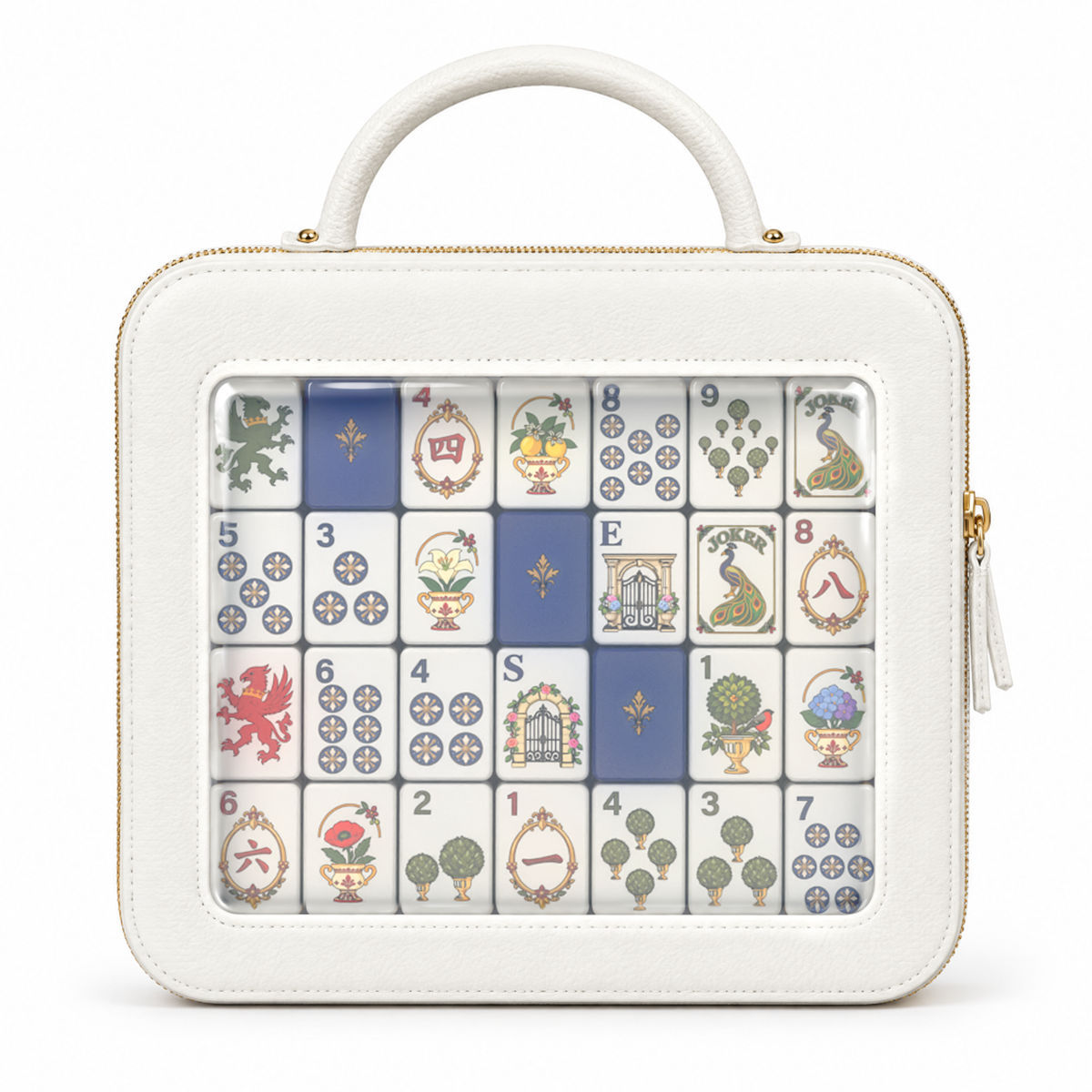
In American mahjong, you may call only exposures that match the current year's National Mah Jongg League card: pungs (three identical tiles), kongs (four identical), quints (five), and sextets (six). You cannot call sequences or chows. The most common mistake is claiming a hand that isn't on the card for the year you're playing—it's simply not valid. Never call if you cannot prove your hand on the card; if you claim "mahjong" and your combination isn't listed, you've fouled and lose points. Jokers can never be part of a single tile or pair, only in exposed sets. Learn the card thoroughly before each game, verify your hand shape exists on it, and ask before calling if uncertain—the penalty for a false claim is steep, but hesitation costs nothing.
In American mahjong, calling is a binary decision: your hand either matches the card or it doesn't. When you call—whether you're claiming a pung during play or declaring mahjong at the end—you're making a public assertion. If you're wrong, the hand is void, you lose the opportunity, and often your points go backward. We've all felt the sting of reaching for the tile rack only to realize mid-call that we've made a logical error. The good news is that most mistakes follow predictable patterns, and once you know them, you stop making them.
The foundation of calling safety is the card itself. The National Mah Jongg League card, issued each spring, defines every valid hand for that year. Before your first game, spend 20 minutes scanning the card layout: section by section, you'll see groups organized by tile type, pattern, and complexity. The card changes annually, so a hand you won last year might not exist this year. Many players keep a laminated copy on the table; engraved sets from our best-selling collection often include a card sleeve or pocket in the mat or case—a practical detail that saves games.
Are you reading the card correctly before you call?
Most false calls happen because a player misread the card, not because they held the wrong tiles. The card is dense and coded; tile colors, numbers, and joker positions matter absolutely. If you're unsure whether your hand is on the card, lay your tiles out in front of you, find the matching row on the card, and point to each tile to verify position-by-position. Never call from memory or visual impression. A second set of eyes—ask another player to confirm before you call—costs a moment and saves your hand. This is not cheating; it's using the resource available to you.
🀄 Shop best-selling mahjong sets →

Can you call a sequence, or only sets?
In American mahjong, you cannot call sequences. A sequence—three tiles in numerical order like 1, 2, 3—is called a chow or run in Chinese or Hong Kong variants, and it's central to those games. American mahjong forbids them entirely. You may call and expose only: a pung (three identical tiles, e.g., three 5 Dots), a kong (four identical), a quint (five identical), or a sextet (six identical). If you hold 1, 2, 3 Craks, you cannot call it, and you cannot lay it down—it has no use in American play. This rule puzzles players who've learned other variants, but it's absolute. If you're teaching someone new to American mahjong, this is the rule that sticks hardest and breaks the most habits.
What happens if you call a hand that isn't on the card?
You've fouled the hand. The National Mah Jongg League rules state that if you call mahjong and your hand doesn't exist on the current year's card, your hand is dead—you lose your turn, you score zero for that round, and in many groups, you pay a penalty to the wall or to each player. If you call an intermediate exposure (like a pung during play) and it's invalid, you may have to return the claim, lose the draw, or in some strict games, restart your hand from scratch. The stakes are high enough that even experienced players double-check by saying aloud: "I'm calling a pung of north winds" and pausing long enough for someone to verify the card before you pick up the tiles. At friendly games, one player often acts as card keeper or rules referee; at competitive play, the League's rules prevail.
Mistake | What You Do | What Happens | How to Avoid |
Call a sequence (1-2-3) | Try to expose three tiles in order | Hand is void; you lose the round | Remember: American mahjong forbids runs |
Call mahjong without checking the card | Declare mahjong, tiles don't match the card | Hand fouled; you score zero and often pay a penalty | Verify on the card before calling |
Expose a joker as a single tile or pair | Use a joker where only the actual tile is allowed | Illegal exposure; you may have to discard or restart | Never use a joker in a single or pair slot |
Forget the card changed this year | Play with last year's hand patterns | Your "valid" hand doesn't exist; hand is void | Check the card's date in spring and update your copy |
Call without a second glance | Trust your memory of the card position | You misread; hand is void | Point to the card row; confirm tile-by-tile |

Why do jokers get called out so often?
Jokers are free-roaming wildcards, but they're not free everywhere. In American mahjong, a joker can replace any tile inside a pung, kong, quint, or sextet—but it cannot be part of a single tile (a tile held alone for the pair or a single in certain hands) and it cannot be part of a pair (two tiles for the pair at the end of your hand). Players new to American play often slip a joker into the pair slot or use a joker as a wild single, copying mental habits from other card games. The result: the hand is invalid. Before you expose any set containing a joker, ask yourself: "Is this joker standing in for a tile inside a set of three or more?" If yes, you're safe. If the joker is sitting alone or with one other tile, hold it back. Understand how jokers work fully before your first game, or you'll spend the night explaining why your hand was wrong.
What's the difference between a false call and a dead hand?
A false call is when you declare something that turns out not to be valid—a claim you made in error. A dead hand is the consequence: your hand is removed from play, you forfeit points, and the game moves to the next player. At the moment you make a false call, you're still in the game; once it's verified as false, your hand dies. Some players avoid calling anything uncertain, sitting in silence while tiles pass by, because they've been burned by a false call. This is the opposite extreme. The right balance is: know your card, verify before you call, and trust that verification process.
🎁 See our most-loved mahjong sets & accessories →
How do you build a calling culture that prevents mistakes?
The strongest defense is a game group that normalizes verification. When players routinely ask, "Can I see the card for a second?" before calling, there's no shame in it—it's the standard. Make the card visible to everyone, not tucked in one player's lap. If your mat or case has a card slot or pocket, use it; if not, prop the card against a rack or holder. Play with mahjong racks with pushers that give you clear space to lay out your tiles and see the card at the same time. Establish a house rule: no one calls without pointing to the card. This slows the game by seconds per hand but eliminates most false calls. Many players also keep a small notebook of the year's card edition and any clarifications issued by the League, so everyone is reading from the same rules.
✨ Find your Mahstead set — free US shipping →
What to check before you buy or play with a new set
Card date: Does the set include the current year's National Mah Jongg League card? If the card is from last year, the hands are not valid for this year's games.
Tile clarity: Can you see the suit markings and numbers clearly under table light? Worn or faded tiles tempt misreads.
Storage: Do you have a case or travel bag that keeps tiles together and the card protected? A loose set scattered across home or car invites mistakes.
Consistency with your group: If your regular game uses traditional Chinese suits and symbols, a set with unusual designs or label placement may slow you down or cause confusion at the table.

FAQ
Can I call a hand if I'm not 100% certain it's on the card?
No. If you cannot point to your exact hand on the card, do not call it. Take 10 seconds to verify; if you can't find it, fold your hand or wait for the next draw. A false call is worse than a missed hand.
If I call mahjong and I'm wrong, do I always lose points?
Yes. Your hand is void. In most games, you score zero for the round and often pay a penalty. House rules vary, so clarify before the game starts.
What if someone else calls something I think is wrong?
Stop the game and ask them to point to the card. If the hand isn't there, you call it out as a false claim. The hand is voided and the round ends.
Can a joker be part of the pair?
No. A joker can never be part of your pair (the two final tiles). It can only replace tiles inside exposed sets of three or more.
If the card changes each year, how do I know which year's card to use?
Use the current year's National Mah Jongg League card. The League issues a new card every spring. Check the card for the date printed on it; if it doesn't match the current year, update your copy.
Is it better to play it safe and never call anything?
No. Never calling means you forfeit hands you could win. Instead, learn the card thoroughly, verify before each call, and build a game culture where verification is standard and blame-free.


View More
View More
View More
