
Mahjong vs. Pickleball: Which Game Fits Your Social Life?
Last updated: Nov 23, 2026
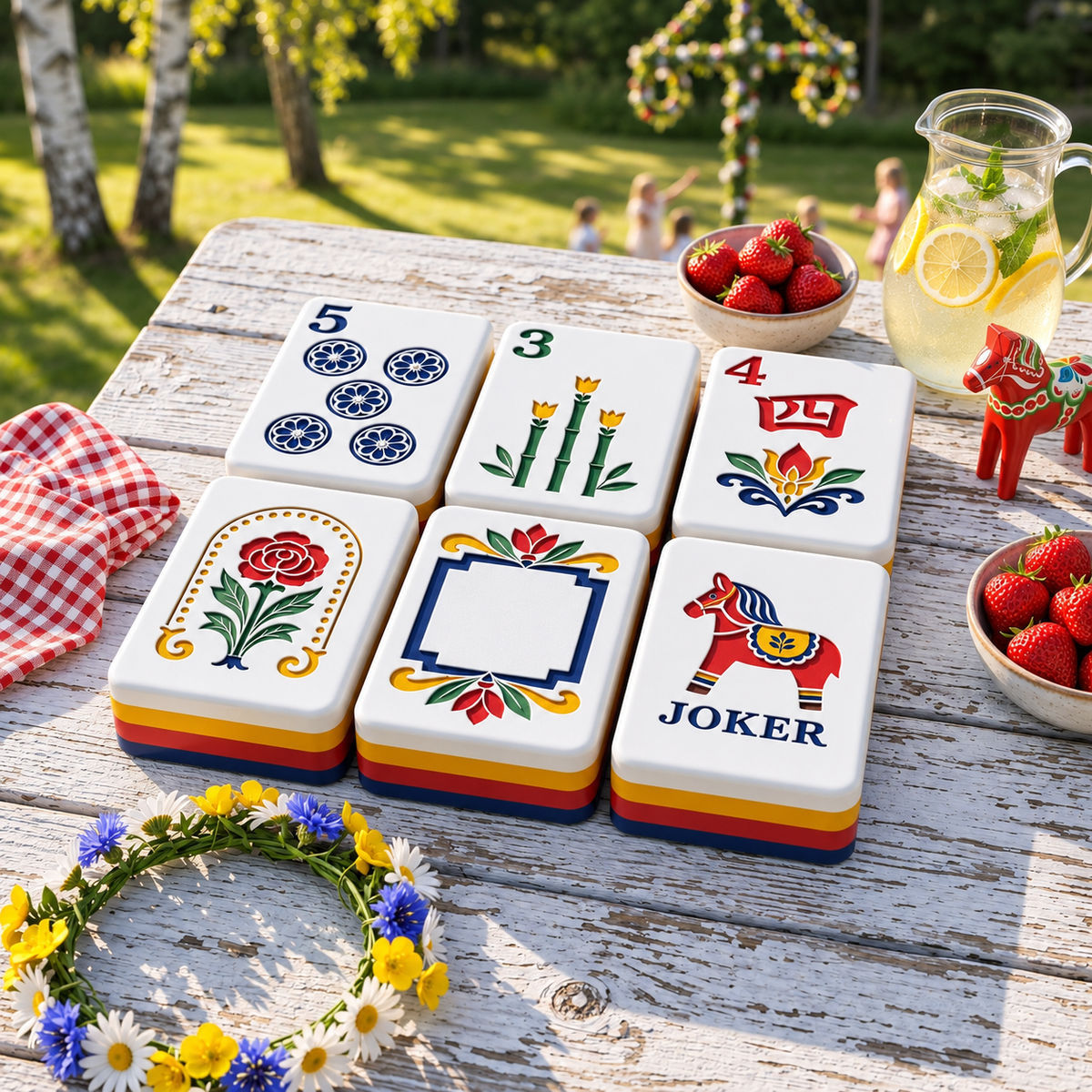
Mahjong and pickleball are entirely different pastimes attracting overlapping audiences. Mahjong is a tile-based strategy game requiring memory, pattern recognition, and luck; a four-player hand takes 15–30 minutes and uses 152 tiles plus jokers. Pickleball is a paddle sport blending tennis and badminton; matches run 20–45 minutes and demand cardiovascular fitness and quick reflexes on a court. Mahjong is indoors, seated, primarily mental; pickleball is outdoor or indoor, physically active, and fast-paced. Mahjong scales to two, three, or four players with rule adjustments; pickleball is singles or doubles. Neither requires expensive gear to start: both communities welcome beginners. Choose mahjong if your group values conversation, long-term social ritual, and sitting down; choose pickleball if they prefer movement, competitive athleticism, and rotating partners. Many players do both.
What kind of physical engagement does each game demand?
Mahjong is a seated, stationary game played at a table. Players remain in one position for the entire hand—no walking, running, or standing required. The physical demands are minimal: hand-eye coordination for tile manipulation, the ability to sit comfortably for 20–30 minutes, and dexterity to draw and discard tiles. Pickleball requires constant movement: short explosive bursts, quick lateral steps, and sustained footwork across a 20-by-44-foot court. Players average 3,000–4,000 steps per match. If your group includes people recovering from injury, those over 70, or anyone with mobility limitations, mahjong is far more inclusive. Pickleball favors players seeking cardiovascular work and competitive intensity. The physical gap between these games is massive—mahjong is cerebral endurance; pickleball is cardiovascular endurance.

How long does learning and mastery actually take?
Mahjong beginners need 4–8 hours of guided play to understand basic hand patterns and the rule card. True competence—reading hand combinations quickly and making strategic decisions—takes 10–20 games over several weeks. Mastery develops over years of weekly play. The learning curve is steep early, then gentle; you can play enjoyably at week three. Pickleball beginners pick up basic strokes and rules in 1–2 hours and can rally within that session. Intermediate skill (consistent placement and court positioning) takes 10–20 hours over 4–8 weeks. The initial learning curve is shallow; early play is fun but uncompetitive. Reaching advanced play takes 100+ hours. Mahjong rewards memory and pattern recognition; pickleball rewards hand-eye coordination and fitness. If you enjoy slow mastery and mental challenge, mahjong wins. If you want immediate play satisfaction and athletic progress, pickleball is faster.
What does a typical social experience look like?
A mahjong session is typically four players, one mahjong mat (or table), and 13 consecutive hands (one round). Players arrive, shuffle tiles, perform the Charleston (tile-passing ritual), and play without interruption for 45–75 minutes. Conversation flows between hands and during slower moments. The same four players meet weekly for years. Scores are tracked across the season. Play is intimate, stable, and ritualistic. A pickleball session mixes rotating foursomes: players cycle through courts, sit out between matches, and partner with different players each game. A two-hour session includes 3–5 matches and 20–30 minutes of rest. The energy is higher, the social pattern is fluid, and you meet many people. Mahjong groups are tight-knit; pickleball groups are broader and transient. Mahjong suits people seeking a stable social anchor; pickleball suits people who like variety and meet-ups.
What are the space and setup requirements?
Mahjong requires one table (36 inches square minimum), four chairs, and a set of tiles with racks and pushers. Total footprint: one table in a dining room, living room, or community center. Setup time: 3–5 minutes (arranging tiles and seats). Pickleball requires a dedicated court (20 by 44 feet), paddle storage, and a net. A full session needs access to 2–4 courts for rotating play. Setup time: none if you use an established facility. Mahjong fits any home or small gathering space; pickleball requires dedicated facility access (public courts, clubs, or converted tennis courts). If you don't have court access nearby, mahjong is easier to host. If courts are plentiful in your area, pickleball is convenient.

Which game builds deeper friendships and ritual?
Mahjong creates deep social bonds through repetition, predictability, and sustained focus. The same group plays together weekly, often for decades. Players develop inside jokes about hand patterns, memorize each other's strategies, and share life events between games. The ritual—the Charleston, the sequence of hands, the scoring tradition—becomes a stable landmark in adult life. Many players report that their mahjong group is their closest social circle. Pickleball builds friendships through shared activity and parallel experience but less through deep one-on-one connection. Players rotate partners and opponents; the social focus is on the group, not on pairs. Pickleball groups are warm and welcoming but looser. Mahjong is friendship-intensive; pickleball is community-intensive. If you're seeking a tight social anchor and deep friendships, mahjong is unmatched. If you're seeking activity-based community and broad social connection, pickleball excels.
How do cost and accessibility compare?
Factor | Mahjong | Pickleball |
Startup cost | One tile set + mat (shared by group) | Paddles + shoes (individual) |
Ongoing cost | Negligible | Court fees or club membership |
Travel required | None (play at home or venue) | Yes (travel to court) |
Skill barrier | Moderate (rules take 4–8 hours) | Low (basic play in 1–2 hours) |
Physical accessibility | High (seated, low movement) | Medium (requires footwork) |
Social commitment | High (same players weekly) | Low (drop-in or casual) |
Age-friendly | Yes (all ages, all mobility levels) | Yes (but fitness-dependent) |
Mahjong's main cost is the initial tile set; a quality American mahjong set is shared among four players forever. Court costs are zero. Pickleball requires individual paddles and shoes, plus recurring court or membership fees. Over a year, pickleball is more expensive. Mahjong is more accessible if you have limited transportation or live far from courts.
🀄 Shop best-selling mahjong sets →
What to check before you choose
For mahjong: Do you have access to a stable group of three or four people willing to commit to weekly play for at least three months? Can you find a dining table or dedicated surface? Do you enjoy strategy games, pattern-spotting, or card games? Are you comfortable learning a moderately complex rule system? If yes to all, mahjong is your game.
For pickleball: Is there a public or private court within 10 minutes of your home? Can you sustain 45+ minutes of active movement 2–3 times per week? Do you enjoy athletic competition and meeting new people? Are you physically fit or committed to building fitness? If yes, pickleball is ideal.
If you lean toward mahjong: Start with the mahjong for beginners guide to understand hand combinations and how the game flows. Then read how to read the mahjong card—it's the reference tool every player uses. Gather your group and buy one quality tile set (a 160-tile American set includes everything you need). Add a mat and racks with pushers for comfort and organization.
🎁 See our most-loved mahjong sets & accessories →
The honest truth: these games attract similar people (social, community-minded, looking for regular gatherings) but satisfy different needs. Many serious players do both—mahjong on Tuesday night for strategy and friendship, pickleball on Saturday morning for fitness and variety. If your area lacks court access or your group can't commit to outdoor schedules, mahjong is the clear winner. If you're young, fit, and value athletic play, pickleball offers faster learning and more dynamic social environments. Neither is objectively better; context determines your answer.
✨ Find your Mahstead set — free US shipping →

FAQ
Can I play mahjong and pickleball with the same group of people?
Yes. Many social groups rotate seasonal games or host mahjong one night weekly and attend pickleball socials on weekends. The skill sets are so different that mastering both takes separate effort, but the communities often overlap.
Is mahjong harder to learn than pickleball?
Mahjong's rule system and hand patterns require more upfront study (4–8 hours of guided learning). Pickleball's basic strokes can be picked up in one session. However, both reach intermediate skill around 20 hours of play; mahjong's learning curve then flattens, while pickleball's steepens as you chase competitive positioning.
Which game is better for people over 70?
Mahjong is more accessible for players with mobility issues, joint problems, or lower cardiovascular fitness. Pickleball is suitable for active older adults but requires consistent footwork and quick direction changes. Many players over 70 play mahjong weekly for decades; fewer play pickleball regularly past 75.
What's the time commitment for each?
A mahjong session is 13 hands in one sitting, typically 60–90 minutes weekly. Pickleball players attend 2–4 times per week for 60–120 minutes per session. Mahjong is a single weekly ritual; pickleball is a recurring sport schedule.
Can I host mahjong at home without special equipment?
Yes. You need one dining table, four chairs, one tile set, and a reference card (included with sets). Optional: a mat and racks for comfort. Pickleball requires a dedicated court; you cannot play in a residential setting without a court.
Which game is cheaper long-term?
Mahjong has lower ongoing costs (one set lasts decades; zero court fees). Pickleball requires recurring court memberships or fees, individual paddles, and athletic shoes. Over three years, mahjong is typically 30–50% less expensive per player.


View More
View More
View More
