
Mahjong vs Pai Gow: How They Differ & Which to Play
Last updated: Nov 23, 2026
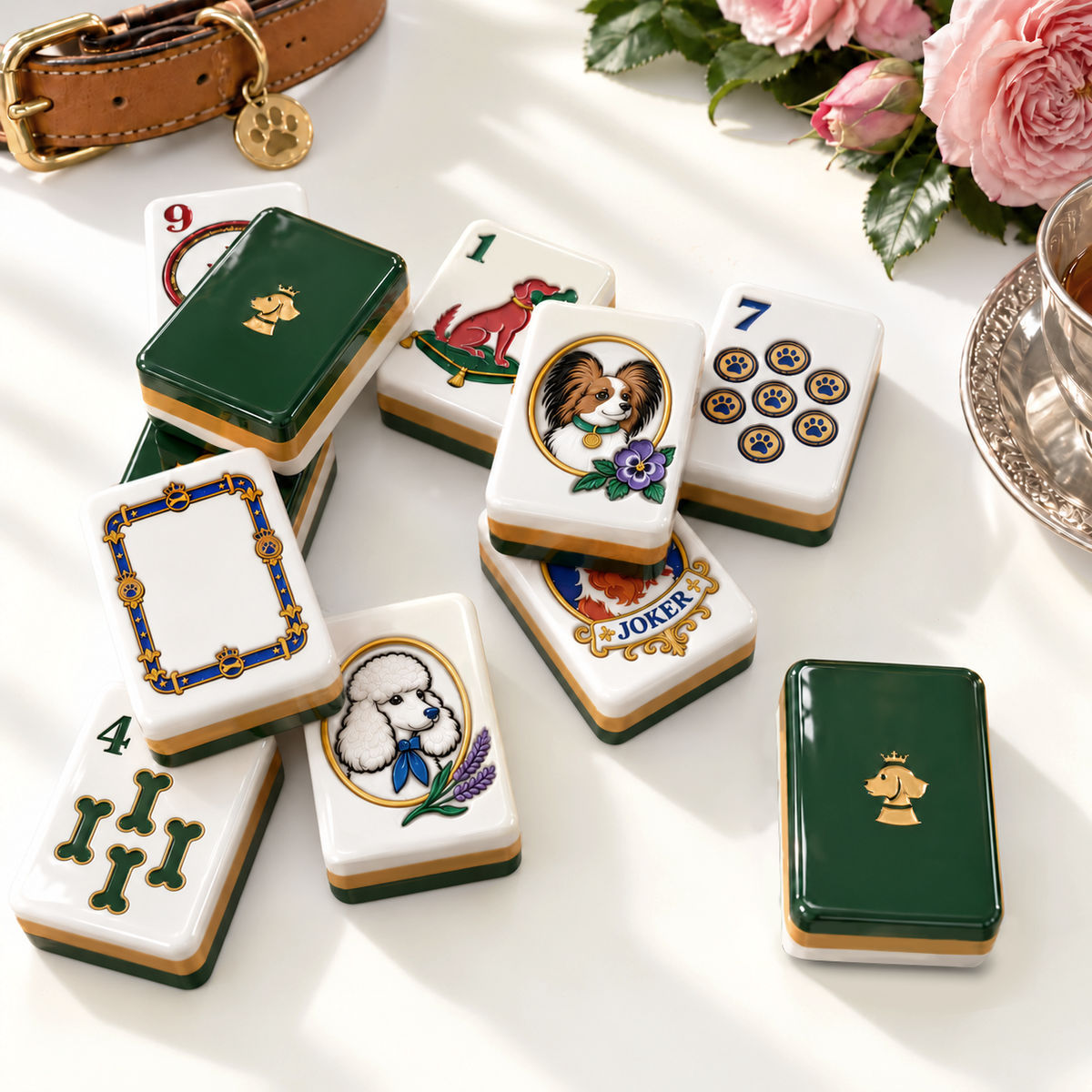
Mahjong and pai gow are separate games despite both using tiles. American mahjong uses 152 tiles (plus 8 jokers) across three suits, winds, dragons, flowers, and an annual hand card; play involves melding exposed pungs, kongs, and sequences into a single winning hand per round. Pai gow uses 32 tiles in eight ranks (twos through eights in two suits, plus honors), and players form two separate hands (high and low) against the banker. Mahjong rounds last 15–30 minutes with a fixed hand structure; pai gow games move faster and are simpler to learn. Both require 4 players, strategy, and table space. We recommend starting with mahjong for beginners if you want depth and social play, or pai gow if you prefer quick, head-to-head banking rounds.
Mahjong and pai gow are fundamentally different games despite both using tiles. American mahjong uses 152 tiles (plus 8 jokers) across three suits, winds, dragons, flowers, and an annual hand card; play involves melding exposed pungs, kongs, and sequences into a single winning hand per round. Pai gow uses 32 tiles in eight ranks (twos through eights in two suits, plus honors), and players form two separate hands (high and low) against the banker. Mahjong rounds last 15–30 minutes with a fixed hand structure; pai gow games move faster and are simpler to learn. Both require 4 players, strategy, and table space.
What tiles and rules does each game use?
Mahjong uses 152 tiles: three suits (Bams, Craks, Dots) with numbers 1–9 (four copies each), 16 winds, 12 dragons, 8 flowers, and 8 jokers. Players draw and discard one tile per turn, building a winning hand that matches patterns on the current year's National Mah Jongg League card—no improvisation. Pai gow uses only 32 tiles split into two suits: ranks 2–8 in each suit plus eight honor tiles. Players receive 13 tiles and must split them into a high hand and low hand; the low hand always ranks lower than the high to avoid a bust. Mahjong allows exposed melds (pungs, kongs, quints, sextets) but no sequences; pai gow melds are rare and depend on house rules. Mahjong demands rule memory and card literacy; pai gow is more intuitive for newcomers.

How long does a typical game take?
A mahjong round runs 15–30 minutes depending on your group's pace. The Charleston (pre-game tile pass) adds 3–5 minutes. Four players take turns drawing, discarding, and calling melds; once someone completes a hand on the card, the round ends and scoring begins. Pai gow rounds finish in 5–10 minutes per hand because decisions are simpler: form two hands, compare to the banker, settle. Over an evening, a mahjong group might play 8–12 rounds; a pai gow table easily plays 30–50 hands. If you love ritual and conversation, mahjong's longer rounds feel right; if you want action and turnover, pai gow wins.
What's the strategy difference between the two?
Mahjong strategy revolves around reading the card, tracking discards, and balancing multiple paths to a win. You must remember which hands are playable, spot when another player is close to winning, and decide whether to pass or pick up a discard. Risk management is crucial—holding onto tiles too long costs you the round. Pai gow strategy is simpler: maximize your high hand without sacrificing the low. Most hands play themselves; the only real choice is whether to set the low hand safely (almost always the right call) or gamble. Mahjong rewards memory, observation, and psychology; pai gow rewards caution and arithmetic. Beginners typically master pai gow in one session; mahjong takes weeks of consistent play.
Which game should you host—a comparison table
Factor | American Mahjong | Pai Gow |
Tile count | 152 tiles + 8 jokers | 32 tiles |
Players | Exactly 4 | 3–4 (or more, banking) |
Round time | 15–30 minutes | 5–10 minutes per hand |
Learning curve | Steep; requires card study | Gentle; intuitive by hand 3 |
Setup complexity | High (Charleston, wall) | Low (deal, set, compare) |
Annual updates | Yes (NMJL card changes yearly) | No; same rules forever |
Social depth | High; melds trigger chatter | Lower; quieter banker games |
Equipment needed | Full set, mat, racks, card holder | Tile set, dice, optional mat |
Best for groups | Players who want ritual & talk | Fast-game enthusiasts |
Best for learning | Dedicated players; weekly groups | Casual social play |
Choose mahjong if your group meets weekly, enjoys rule depth, and values the social ritual. Choose pai gow if you want a rules-light introduction to tile games or prefer frequent hands. Many players do both—mahjong for Thursday nights, pai gow on vacation.

Why do beginners confuse the two games?
Both games originated in China and use similar-looking tiles—winds, dragons, and number suits appear in both. Early Western exposure conflated them, and some travel sets label themselves ambiguously. The biggest confusion: mahjong's "hand" is one winning pattern per round, while pai gow's "hand" means your personal high or low portion of a two-hand split. If someone says "I won a hand at pai gow," they've won the banker comparison on one of their two hands. In mahjong, winning one hand ends the round. A player familiar with poker might expect mahjong to work like pai gow—rapid hands, quick settle—and feel frustrated by the 20-minute wait for someone to match a card pattern. Conversely, a dedicated mahjong player trying pai gow might find it too simple. Neither confusion is insulting; the games genuinely share a visual language but opposite mechanics.
🀄 Shop best-selling mahjong sets →
What you'll need to host either game
For mahjong, you need a complete American mahjong set—152 tiles plus 8 jokers—the current year's NMJL card, a mat or table space, racks with pushers to organize tiles (so you don't telegraph your hand), and ideally a travel bag or case if you move games between homes. A mat keeps tiles from sliding and marks the wall clearly. For pai gow, you only need a 32-tile set, two dice, and a flat surface; a mat is optional but helps. If you want to host both games regularly, buy a full mahjong set first—it's the heavier lift—then add a pai gow set once your group is solid. Our best-selling collection includes options for both.
🎁 See our most-loved mahjong sets & accessories →
Before you choose: a checklist
Does your group commit to meeting regularly? Mahjong rewards consistency; pai gow doesn't require it.
How much time do people have per night? Mahjong needs 90 minutes minimum for three rounds; pai gow works in an hour.
Are players comfortable memorizing rules? Mahjong demands it; pai gow is one-page.
Do you have a spare evening to teach? Mahjong needs 2–3 teaching sessions; pai gow takes 15 minutes.
Will the same four people always play? Mahjong benefits from a stable group; pai gow rotates easily.
Budget: Mahjong sets cost more than pai gow sets, and the annual card update is mandatory.
If you're undecided, host a mahjong game first—it's deeper, more social, and the investment pays off over months of play. Once your group is comfortable, add pai gow as a lighter alternative for casual nights. Both games have loyal followings, and many players love them equally.
✨ Find your Mahstead set — free US shipping →

FAQ
Can I play mahjong with a pai gow tile set?
No. Pai gow uses only 32 tiles; mahjong requires 152 tiles (plus 8 jokers). A pai gow set lacks the flowers, jokers, and third suit mahjong needs. Buy a dedicated American mahjong set.
Is American mahjong the same as Chinese or Hong Kong mahjong?
No. American mahjong uses an annual card with fixed hand patterns; Chinese and Hong Kong variants use different tile counts and hand-winning logic. Stick with one variant to avoid confusion. Learn how to play American mahjong if you're starting fresh.
Why does mahjong need a new card every year?
The National Mah Jongg League updates the card in spring to refresh hand patterns and keep the game fresh. Players must buy or print the current card to play in league settings or friendly games that follow official rules.
Which game is easier to teach to non-players?
Pai gow. You can explain it in 10 minutes: make a high hand, make a low hand, compare to the banker. Mahjong takes at least one full session plus practice hands because players must learn the card, tile ranks, and melding rules.
Can I host mahjong or pai gow with fewer than 4 players?
Mahjong is designed for exactly 4 players and doesn't work well with 2 or 3. Pai gow accommodates 3–4 regular players, and can expand to 5+ if one player banks instead of playing every hand. See 2 and 3 player mahjong rules for adapted variants, but standard American mahjong requires four.


View More
View More
View More
