
Easter Mahjong Cake Ideas: Designs, Decorations & Hosting Tips
Last updated: Nov 23, 2026
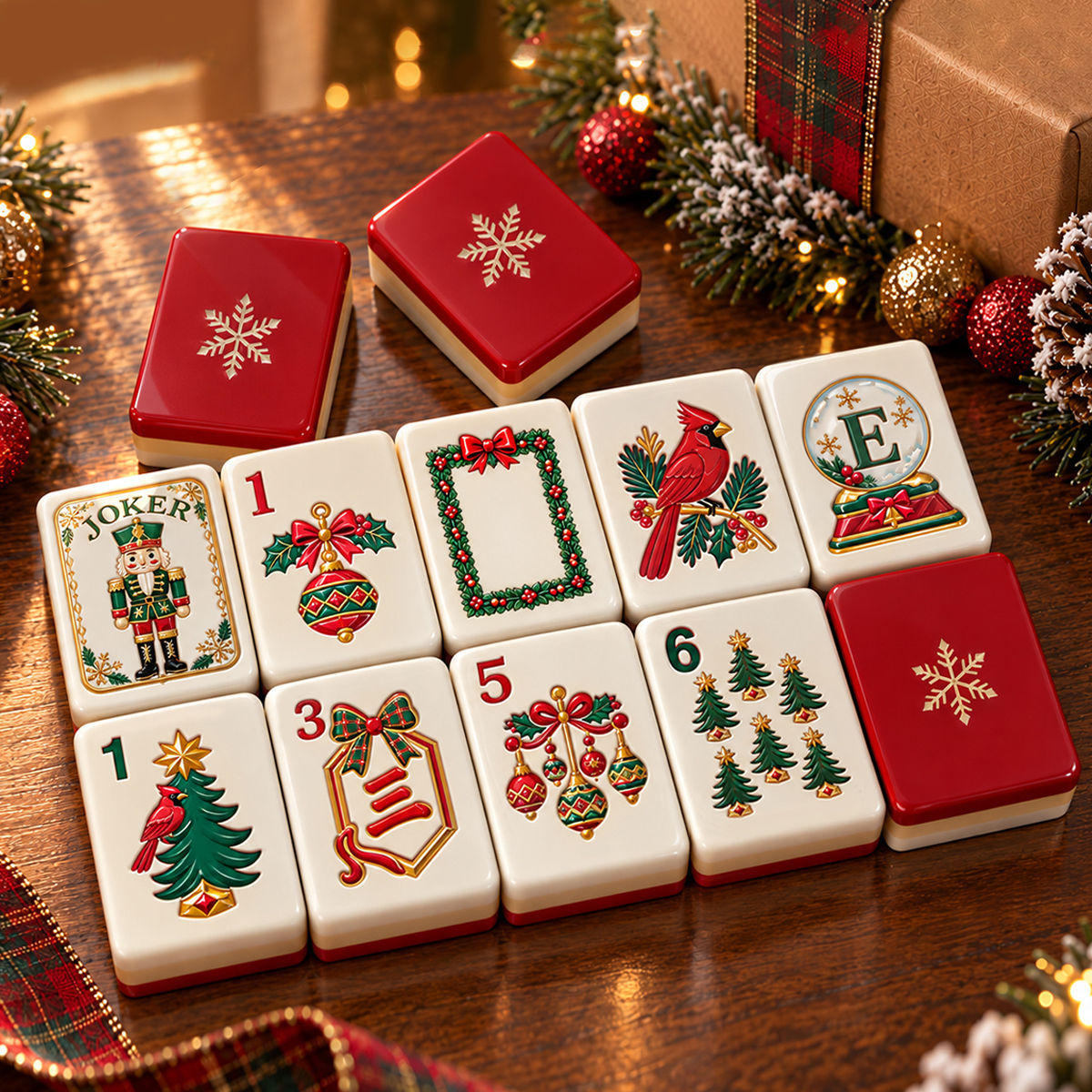
An Easter mahjong cake features tile patterns, wind symbols, or bamboo-suit imagery as decoration—hand-painted royal icing, fondant appliqués, or edible prints work equally well. Popular designs include the 1 Bam (bird motif), flower tiles, green dragons, and pastel-colored pung stacks. Order 2–3 weeks ahead from a baker familiar with tile imagery, or use stencils and piping gel if decorating yourself. Pair your cake with a festive best-selling mahjong set in spring colors, and arrange tiles as place cards or edible-print toppers. Costs vary by baker and complexity; keep cake flavors simple so players enjoy the mahjong aesthetics without distraction.
An Easter mahjong cake celebrates the game and the season in one centerpiece. Whether you're hosting your weekly game during spring break or throwing a special holiday gathering, a mahjong-themed cake signals that tiles—not just food—are the star of the table. We host games year-round, and Easter occasions call for something playful: cakes that feature the visual language of the tiles themselves.
What tile designs work best on a cake?
The strongest mahjong cake designs draw from the tiles your players will recognize immediately. The 1 Bam, which features a bird, translates beautifully into cake decoration—painters and bakers often have bird stencils already. Green dragons and flower tiles (each season-themed: spring plum, orchid, bamboo, chrysanthemum) suit Easter's renewal symbolism. White and red dragons, honor tiles showing winds (North, East, South, West), and even bamboo-suit stacks in repeating patterns read clearly on fondant or frosting. Avoid overly intricate numeric designs; simple silhouettes of two or three tiles, clustered or stacked, photograph better and stay legible at arm's length. One honest tip: bakers unfamiliar with mahjong often over-complicate; show them a photo of the actual tile you want, not a Pinterest rendering.

How do you coordinate cake decoration with your table setup?
Your cake design should echo the colors and style of your playing set, creating a cohesive table. If you're using one of our engraved American mahjong sets, note whether your tiles lean toward coral reds, emerald greens, or cream—then brief your baker on that palette. A turquoise mat, for instance, pairs with pastel-blue fondant; a set with brass or gold accents looks sharp against metallic or champagne cake trim. Arrange a few loose tiles around the cake base (tie them in a small pouch so they don't dry out), or use edible-print toppers showing simplified tile faces. This unifies your display and reminds guests that mahjong is the evening's focus, not just the dessert.
🀄 Shop best-selling mahjong sets →
What are beginner-friendly decorating techniques for a DIY approach?
If commissioning a cake is outside your budget, hand-decorating is feasible with a steady hand and the right tools. Royal icing and a thin brush let you paint wind symbols or simple bamboo-suit designs freehand; practice on parchment first. Fondant cutters shaped like squares or rectangles create clean tile outlines you can stack and adhere with water or edible glue. Edible markers, once the cake is frosted, work well for tile numbers and suit symbols (bams, craks, dots). Stencil technique—tape a tile-shaped template to the cake and dust cocoa powder or edible glitter through it—produces sharp, professional-looking results without artistic skill. The 1 Bam bird is simplest: two curved strokes for wings, a dot for the eye. Dry brush methods (minimal water on the brush) prevent colors from running into adjacent frosting. One caveat: fondant can crack if your kitchen is warm; work early morning or in air conditioning.

Which Easter mahjong hosting touches complete the theme?
Your cake is only one layer of a themed game night. Set your mahjong mats in spring colors (mint, lavender, pale yellow), or use a neutral mat and let your set's tiles speak. Paper place cards can show tile imagery—a small 3 Crak design, or the player's wind position for the hand. Serve the cake with tea or light spring drinks; avoid sticky sauces that risk staining tiles. If you're playing with racks with pushers, ensure they're clean and organized before guests sit; a polished, minimal setup frames your beautiful cake and tiles. Play a few hands, then serve dessert; the break gives everyone a mental pause and lets you highlight your thoughtful decoration. Some groups photograph the cake and table before play, building community engagement on group chats.
Decoration Approach | Best For | Time Commitment | Skill Level | Why It Works |
Commission a custom baker | Elegant, professional finish | 2–3 weeks lead time | None (baker handles it) | Sets high-impact tone; cake is conversation starter |
Edible print toppers | Clean, minimal aesthetic | 1 week | Low (digital design or use template) | Photograph beautifully; tiles stay crisp and readable |
Stencil + edible markers | Budget-friendly, personal | 2–3 days | Low (template removes guesswork) | Hand-done feel without requiring fine-art skill |
Fondant tiles stacked | Statement design, sculptural | 4–5 days | Medium (practice stacking helps) | 3D effect draws the eye; reusable for photos |
Royal icing painted freehand | Delicate, artistic | 3–4 days | High (requires steady hand and practice) | Most expressive; allows for detail and shading |
🎁 See our most-loved mahjong sets & accessories →
What Easter mahjong hosting checklist ensures nothing is overlooked?
Plan your themed game at least four weeks out if you're commissioning a custom cake; confirm with your baker by week three. Two weeks before, finalize your tile set and mat choice so colors are locked; buy or print any place-card designs. One week before, decide on your decoration technique (custom, edible print, or DIY) and acquire supplies if needed. Three days out, confirm guest count with your baker and freeze any made-ahead components. Two days before, set your table: lay the mat, arrange racks and pushers, place the cake visible (but out of direct sun), and set out a damp cloth for tile dust. The morning of, set out any printed materials, chill drinks, and briefly wipe your tiles to remove any storage dust—a clean, organized table is the best frame for your effort. During the game, keep the cake covered loosely until serving; this prevents tile dust settling on frosting and protects your decoration from accidental bumps.
✨ Find your Mahstead set — free US shipping →
What to check before you buy or order
Cake size and guest count: A standard 8-inch round serves 12–16 people over two games; ask your baker for guidance based on your party size.
Frosting type: Buttercream is softest and easiest to paint; fondant stays crisp but can crack in humidity. Royal icing hardens and isn't always food-safe if applied over fondant—confirm with your baker.
Tile imagery reference: Bring or email a clear photo of your actual mahjong set tile to your baker; avoid generic "mahjong clip art" that may misrepresent your specific suite design.
Lead time for edible prints: Custom edible-print toppers require a 5–7 day turnaround; standard designs may be faster. Confirm before committing.
Tile cleanliness: Loose tiles placed on or near the cake table will absorb moisture and oil from the cake; keep them in a sealed pouch, or use fondant replicas instead.
Table layout and photography: Scout your venue for lighting before the game; cakes photograph best in soft, indirect daylight or warm indoor lighting, never under harsh overhead light.

FAQ
Can I use real mahjong tiles as cake toppers?
Not on frosting directly—tiles absorb moisture and oil, ruining them. Instead, place a few tiles nearby in a decorative grouping, or use fondant or sugar-paste replicas on the cake itself.
How early can I order a custom mahjong cake?
Most bakers need 2–3 weeks' notice for custom designs. Reach out by early spring if you're planning an Easter game; busy bakers may book up by mid-April.
What if I don't know my baker and want mahjong designs—how do I explain it?
Show them a photo of your actual mahjong set tile. Say: "I want this tile design (or these three tiles) painted on the cake." A picture is infinitely clearer than describing "bamboo suit" or "wind symbol."
Are there vegan or allergen-friendly options for mahjong cakes?
Yes. Many bakers offer vegan, gluten-free, or nut-free cakes; mahjong decoration (royal icing, fondant, edible prints) is often naturally free of common allergens. Confirm with your baker and let guests know so they can safely enjoy.
Can I reuse a mahjong cake design year after year?
If using edible prints or fondant toppers, you can store a photo and reorder the same design annually. For hand-painted cakes, each is unique, but you can commission the same design from your baker; it will have charming variation.
What's the best way to store a decorated mahjong cake before the game?
Keep it in a cool place (not the fridge unless it's buttercream only) under a loose cake cover or cake box. Avoid direct sunlight and air currents, which dry out frosting. Serve within 24 hours of delivery for best flavor and appearance.


View More
View More
View More
