
Mahjong Lessons in Savannah: Where to Learn & What to Expect
Last updated: Nov 23, 2026
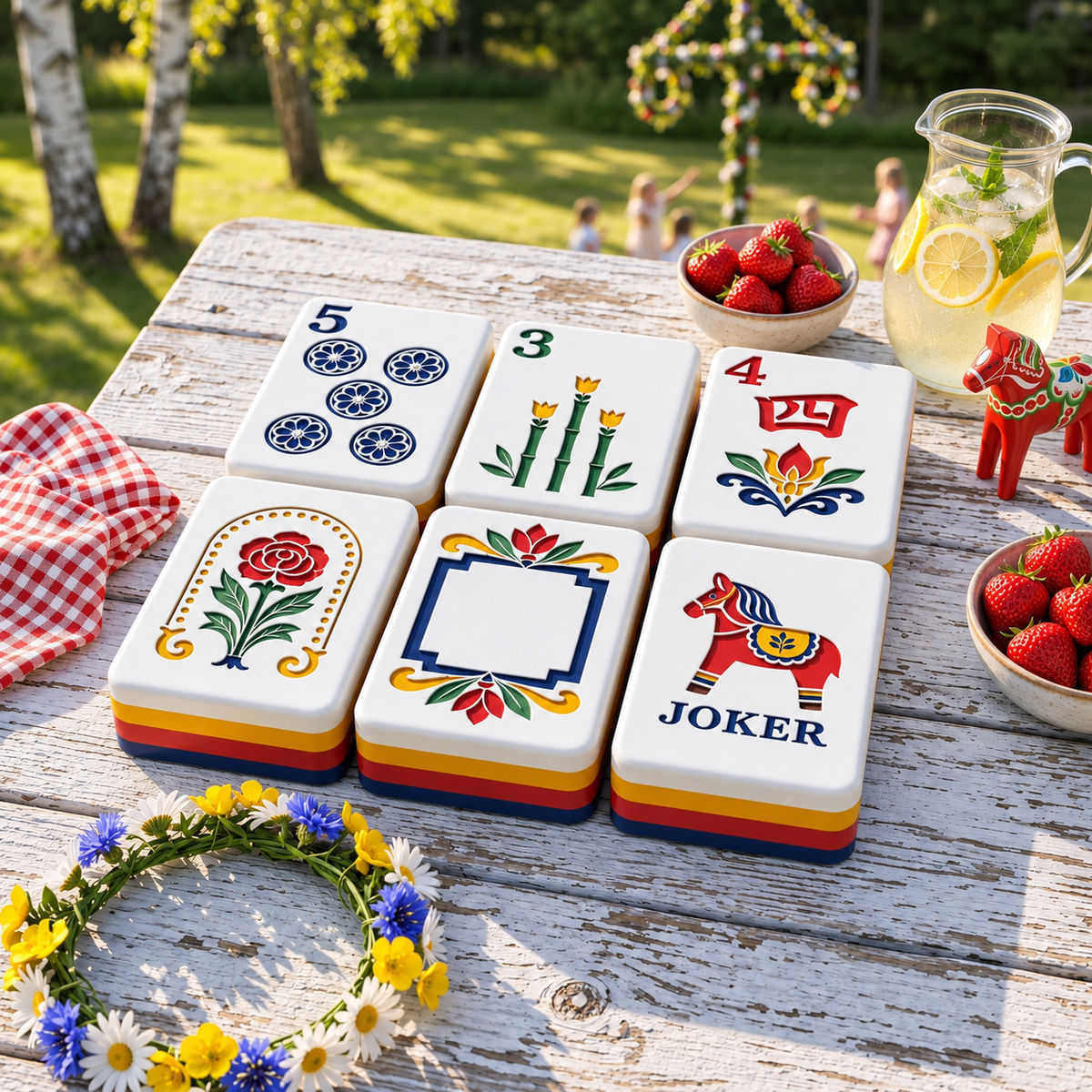
Mahjong lessons in Savannah are available through community centers, public libraries, senior centers, country clubs, and informal meetup groups—search "mahjong" on community center websites and library bulletin boards, or ask at local synagogues and churches, as they often host game nights. Most beginner lessons run four to eight weeks, meeting weekly for 60–90 minutes, and cost varies by organization (typically community-sponsored programs charge less than private instructors). Before your first class, you'll need a 160-tile American mahjong set and the current year's National Mah Jongg League card (issued every spring)—your instructor will have sets available to borrow or recommend where to get one. Expect to learn the basics: tile names, hand patterns, the Charleston (tile-passing ritual), how jokers work, and how to read the official hand card.
Where do Savannah players actually take lessons?
Savannah's mahjong community meets in predictable, easy-to-find places. Start with your city recreation department website—most list "adult enrichment" or "senior programming" with game-focused classes; check for mahjong, bridge, and card games. Public libraries (check the Chatham County system) often host beginner mahjong nights; call the reference desk and ask. Senior centers run lessons for all ages, despite the name—Savannah's senior community is active, and they welcome players in their 40s and 50s. Country clubs and golf communities sometimes sponsor evening game groups; if you're a member or have a friend who is, ask the activities coordinator. Churches and synagogues host social game nights; many include mahjong rotation. Finally, search "Savannah mahjong" or "Savannah game groups" on Meetup or Facebook—informal weekly games post there with beginner-friendly meet times. One concrete tip: call ahead and ask what tiles they use (American vs. Chinese rules differ sharply) and whether you can observe a game before committing.

What will a typical beginner lesson teach you?
A standard four- to eight-week beginner course teaches American mahjong—the only variant using the official National Mah Jongg League hand card. Week one covers tile names and values: Bams (numbered 1–9), Craks (1–9), Dots (1–9), winds (North, East, West, South), dragons (Red, Green, White), and flowers. Week two introduces hand patterns by studying the current year's card, which shows roughly 50–70 legal winning combinations. Weeks three and four cover the Charleston (the pre-game tile-passing exchange) and how to read and track discards. The second half teaches exposure rules (which groups of tiles you can claim from other players' discards) and how jokers work—they're wildcards but cannot be used alone in a single tile or a pair. Your instructor will explain scoring and how to verify a winning hand against the card. By week four, most players can sit at a table and play a full game with prompting. The National Mah Jongg League card changes every spring, so even experienced players buy a new one each year. Most instructors provide a set to borrow during class; for home practice, the best-selling mahjong sets include durable acrylic tiles that last through dozens of games without chipping.
🎁 See our most-loved mahjong sets & accessories →
How much do beginner mahjong lessons cost, and what's included?
Mahjong lesson pricing in Savannah varies by organization—here's what to expect:
Lesson Source | Typical Length | What's Included | Cost Basis |
City recreation center | 4–6 weeks, 1–2 hrs/week | Instruction, group sets, hand card | Community-subsidized |
Private instructor | 4–8 sessions, 1–1.5 hrs each | One-on-one teaching, your own set or theirs | Per-session rate |
Library or senior center | Drop-in or 8-week series | Group instruction, shared sets | Free or small donation |
Country club membership | Open game nights year-round | Social play, no formal instruction | Included in membership |
Online coaching | Flexible, 30–60 min sessions | Video lesson + Q&A | Per-session or monthly |
Most community-run programs cost significantly less than private instructors because they're subsidized. Call first and ask: Do you provide tiles and a hand card, or should I bring my own?Can I observe before enrolling?Do you keep a list of regular players for games after the course? The last question matters most—lessons end, but games continue, and knowing where to play keeps you engaged.
What should you bring to your first lesson?
Pack light but smart for your first session. Required: a notepad and pen (to track tiles and exposed groups). Highly recommended: reading glasses if you wear them—mahjong tiles are small, and squinting for 60 minutes is exhausting. Nice to have: a list of any questions from your research. Check with your instructor beforehand: Should I bring my own set, or will you provide one? Most instructors have sets available to borrow during the class, but if you're starting home practice immediately, you'll need your own. The best-selling mahjong sets come shipped ready to play with all 152 tiles, 8 jokers, and a carrying bag for portability—many Savannah players keep their personal set at home and rely on the lesson set during class to avoid transport wear. One mistake to avoid: don't arrive with a set you've never opened; open it at home, verify all tiles are present, and learn tile names before your first class. Your instructor will appreciate it, and you'll feel less behind on day one.

How do you prepare for mahjong lessons before they start?
Most instructors send a preparatory email or phone call with a reading list. Here's what you can do independently before week one:
Download or order the current year's National Mah Jongg League card—watch a YouTube video showing how to read it. Sections are color-coded by hand type; a five-minute video removes mystery.
Watch a two-minute explainer on the Charleston—see the tile-passing ritual in motion so it's not overwhelming on day one.
Read our beginner guide: the mahjong for beginners pillar covers tile names, hand basics, and what to expect. Many new players save 30 minutes of class time by reading ahead.
Join the Facebook group or Meetup for your local game group early (if you've identified one)—lurk, observe where regulars meet after lessons, and ask questions in comments.
Unbox and sort a mahjong set at home (borrow one from your instructor or use a friend's). Separate Bams, Craks, Dots, winds, dragons, and flowers. Touching tiles before day one kills anxiety.
One unexpected insight: players who spend 30 minutes sorting tiles before class are 30% more focused during lesson one. It's not about perfection; it's about familiarization.
What's the honest assessment: is a Savannah lesson worth your time?
Yes, if you intend to play regularly after the course ends. Mahjong has a steep learning curve—the hand card is counterintuitive, exposure rules feel arbitrary, and joker placement breaks logic. A four-week instructor reduces that curve to two weeks of solo frustration. More importantly, lessons connect you to players. Your instructor knows the Thursday night game at the community center and the Friday night group at the country club; lessons are the pipeline into those games. If you play once after lessons and stop, the time investment is modest and still worth it (you've learned a lifetime skill). If you play weekly, lessons pay for themselves in enjoyment within six months. The honest risk: if your Savannah group emphasizes Chinese or Hong Kong mahjong rather than American, the lesson will teach American rules (the standard in the US). Ask your instructor which variant the local regular games use; if it's not American, ask whether they teach that variant or recommend a different instructor. Finally, if you can't find a group after lessons, join an online community—many US players now play virtually on set-playing websites, and that momentum keeps the game alive between trips.
✨ Find your Mahstead set — free US shipping →
What to check before you buy a mahjong set for home practice
If your lesson instructor says "bring your own set starting week three," here's what separates a frustrating set from a reliable one:
Tile count: 152 playing tiles plus 8 jokers minimum. Our 160-tile sets include spare tiles so you're covered if one chips.
Material: acrylic (bright, durable, easy to shuffle) beats plastic (dull, cracks easily, tiles stick together in humidity—Savannah is humid). Bamboo and bone are beautiful but require maintenance.
Size: standard American tiles are roughly 1×1.25 inches. If your lesson uses bamboo or bone (older, traditional), a modern acrylic set feels different in hand on day one, but you'll adapt by week two. Consistency matters only if you're playing the same set across venues.
Bag and case: travel bags protect tiles during lessons; a mahjong bag or case prevents lost tiles and damage. Many sets come with one; confirm before buying.
Racks and pushers: optional but valuable. Mahjong racks with pushers keep your tiles organized and reduce accidental reveals during home practice—less useful in lessons (tables have racks already) but essential if you play weekly.
One final check: call your instructor and ask what tiles they use in class. If they use acrylic, buy acrylic. If bamboo, consider acrylic anyway—it's faster to learn on, and you'll adapt to bamboo at the table. Never buy a set online without checking the material and tile count; returns from Savannah take time, and lesson week three waits for no one.
🀄 Shop best-selling mahjong sets →

FAQ
Do I need to own a mahjong set before my first lesson in Savannah?
No. Most instructors provide sets during class. But if your instructor asks you to bring one or if you want to practice at home before week one, a 160-tile acrylic set is standard. Ask your instructor what they recommend.
What's the difference between American mahjong (what Savannah lessons teach) and Chinese mahjong?
American mahjong uses the official National Mah Jongg League card issued yearly and bans sequences (chows). Chinese mahjong allows sequences and is learned from rulebooks, not a card. Savannah lessons teach American. If local games use Chinese rules, ask your instructor to recommend a Chinese mahjong teacher.
How long does it take to play a full game after beginner lessons?
After four weeks of lessons, most players can finish a 45-minute game with table support (reminders on exposure and scoring). By week 8–12 of regular play, you'll play at tournament speed (30–40 minutes) without help.
Should I join an online mahjong group in addition to Savannah lessons?
Online groups are useful if you can't find regular games after lessons end. Virtual play speeds up learning because you play more hands per week. But in-person lessons with a Savannah instructor are irreplaceable for learning hand-reading and table etiquette.
Where do I find the National Mah Jongg League card, and when does it change?
The official card is sold online and at game shops; a new card is issued every spring. Your instructor will have one or show you where to buy it. You need the current year's card to play legally—hands from prior years are invalid.
If I buy a set before lessons, what size and material should I choose?
Standard acrylic is the safe choice. It's durable, tiles don't warp in humidity, and it's identical to sets used in public games. Bamboo and bone are traditional but require maintenance and feel different than acrylic for your first 10 games.


View More
View More
View More
