
Mahjong Two-Hand Strategy Mistakes to Avoid
Last updated: Nov 23, 2026
Two-hand play in American mahjong requires balancing tile commitment against board flexibility: you're tracking two competing hands from the current year's card, deciding which to feed with each draw and discard. The biggest mistakes are abandoning a live hand too early, misreading the similarity or difficulty of your two lines, and failing to count jokers and wall tiles accurately between them. The fix is to assign one hand "primary" and one "secondary" from the first few turns, track joker use per hand (jokers cannot appear alone or in pairs), and read the card's section patterns carefully—don't split on hands that share too many tiles or require identical jokers. We've watched players lose games by pivoting to a second hand late, only to find the first was closer to winning; plan your two-hand split before the Charleston ends, then commit to a discard strategy that feeds the primary without leaving the secondary orphaned. Visit how to play American mahjong for the complete rules before you host your next game.
Holding two hands simultaneously—juggling flexibility and commitment—trips up even experienced players. You're tracking two competing hands from the current year's card, deciding which to feed with each draw and discard. The biggest mistakes are abandoning a live hand too early, misreading the similarity or difficulty of your two lines, and failing to count jokers and wall tiles accurately between them. The fix is to assign one hand "primary" and one "secondary" from the first few turns, track joker use per hand (jokers cannot appear alone or in pairs), and read the card's section patterns carefully—don't split on hands that share too many tiles or require identical jokers.
What makes a two-hand split worth playing?
A two-hand play is only viable when you hold tiles that satisfy two completely separate patterns on the card—and both are genuinely close to winning. Most players abandon one line too soon because it feels "rough," then waste the next five turns feeding a hand that was never meant to be. Before you commit, ask: Does each hand need fewer than eight missing tiles? Do they share fewer than three key tiles (like specific dragons or flowers)? Will joker use conflict? If you answer no to any question, fold one hand immediately and pour everything into the other.

How do you read the card to spot a safe two-hand play?
The card's sections show patterns by category (like "like number" or "consecutive"). Two hands are compatible only if they come from different sections or use different tile types—for instance, a pung-heavy hand (three or four-tile groups) from one section and a sequence-free hand from another. Avoid splitting across the same section; you'll chase the same rare tiles twice. One table-tested trick we use: identify which jokers each hand must use first, then ask whether the remaining joker pool (typically six to eight available) covers both. If the first hand burns three jokers and the second needs two of the same type, the split is a trap.
Why do players hold onto a dead second hand too long?
Once you've named two hands, sunk costs kick in—you've invested mental energy and discards into both, so you keep hoping one will bloom. This is the costliest error. By turn six, you should have a clear signal: one hand has drawn at least two fresh tiles toward completion, or neither has. If neither hand has progressed by turn seven, kill the weaker one immediately and feed the stronger. Write down how many tiles each hand needs after every two turns; that number should drop by at least one. If it stays the same or grows, you've lost the race and are now playing two half-hands instead of one full one.
How do you manage joker allocation between two hands?
Jokers are the only tiles that can substitute for others in American mahjong, and miscounting them kills two-hand plays. Before the game starts, learn how jokers work so you understand the rules: each hand can use jokers in exposed groups (pungs, kongs, quints, sextets) but never in a single tile or a pair. Map out which jokers each hand can safely use. For example, if hand A needs a Red Dragon (goes with Craks) and hand B needs a Green Dragon (goes with Bams), you won't fight over them. But if both need Red Dragons and you have only two jokers that can serve that role, one hand is already dead—switch now. Count the full joker pool (typically six to eight in play) and divide it explicitly between hands before turn five.
What's the difference between abandoning early vs. pivoting smartly?
Abandoning a hand is quitting—you stop feeding it and discard its tiles. Pivoting is reassigning your focus but keeping the hand alive until you've proven it's dead. The mistake is treating them as the same. Keep your second-priority hand "half-alive" by not actively feeding it, but also not discarding its key tiles, until one of three things happens: (1) you draw a breakthrough tile and suddenly it becomes primary, (2) your primary hand is one tile away from winning (then go all-in), or (3) turn 12 arrives and your secondary hand still needs six or more tiles (then dump it ruthlessly). We've won games we thought were lost by holding a weak hand in reserve, then pivoting when the primary stalled at turn eight.
🀄 Shop best-selling mahjong sets →

Common Two-Hand Mistakes: A Checklist
Mistake | Why It Costs You | How to Spot It | Fix |
Splitting on hands from same card section | You chase identical rare tiles twice; half-alive is worse than all-in | Both hands need the same Dragon or flower | Fold one hand by turn four |
Holding dead hand past turn 7 | You discard useful tiles to your opponents | The weaker hand hasn't drawn two progress tiles | Kill it, feed the stronger hand only |
Misjudging joker conflicts | You run out of jokers for both hands | Hand A needs Red Dragon (2 jokers available) and Hand B also needs it | Pre-map joker use per hand before turn two |
Abandoning primary too early | You pivot to a hand that was never viable | You fold your closer hand after one bad turn | Track missing tiles per hand—only pivot if secondary is closer |
Forgetting tile count across both hands | You chase 16 tiles in two hands when the wall has 14 left | You haven't subtracted drawn/discarded tiles from total pool | Count missing tiles per hand and update every turn |
The most common costly error we see at the table is splitting on two hands that share too many key tiles. Players see a tempting backup hand and commit to it without checking whether both need, say, the same flower or the same high joker. By turn six, they're stuck: they can't feed both and feeding neither costs the game.
How many turns should you give a two-hand play before folding one?
You have a hard deadline: by turn seven, one hand should be unmistakably closer than the other, or both should have reached a dead end. If you're still unsure at turn seven, your split was already bad—you chose hands too close in viability, which means you're splitting your resources and running out of time. The winning players we know make a quiet decision by turn five: primary hand needs X tiles, secondary needs Y. If X > Y + 2 by turn six, they fold primary and chase secondary. This takes discipline—it means admitting you misread the board—but it's how you stop bleeding tiles to opponents and start controlling the game.
🎁 See our most-loved mahjong sets & accessories →
What to Check Before You Buy Your Next Set
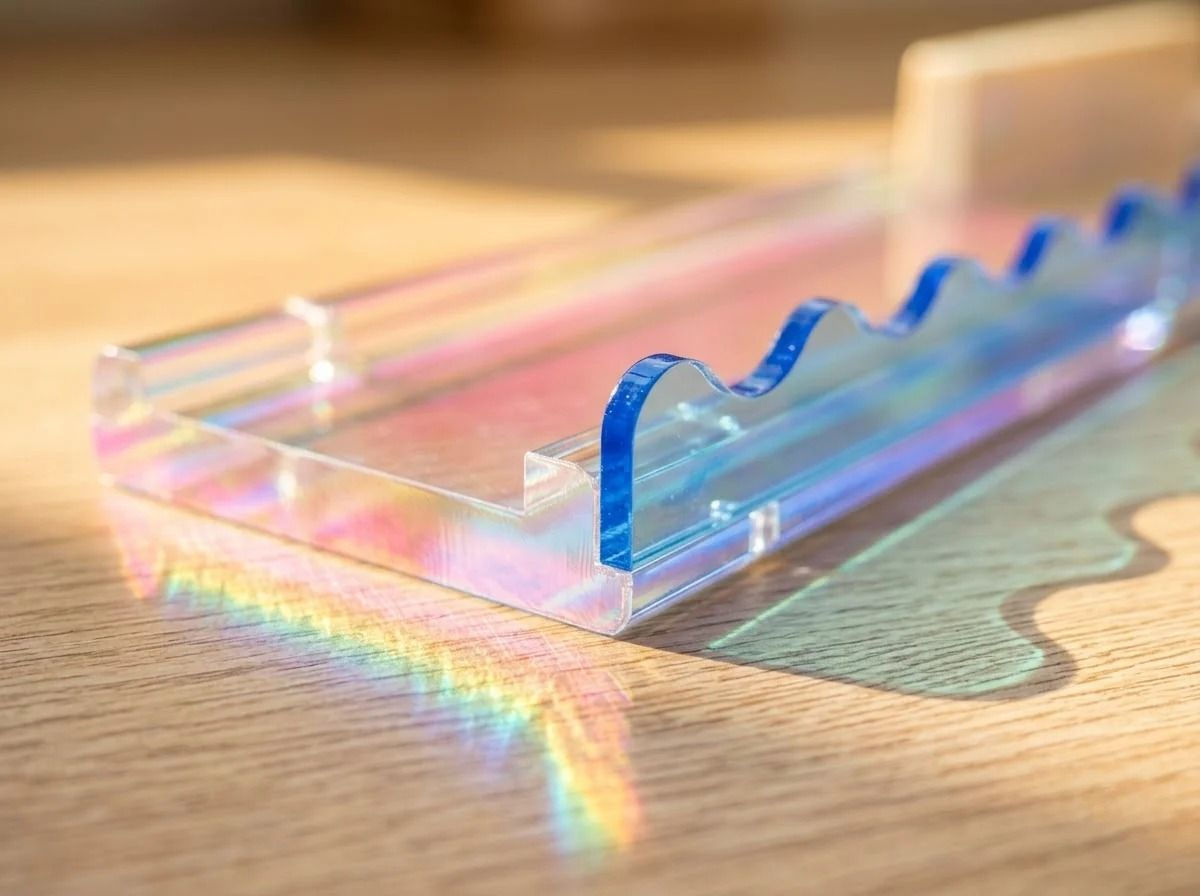
When you're hosting regular two-hand games, the right equipment matters. You need mahjong racks with pushers so you can organize and hide your two hands clearly—racks let you separate tiles by hand without flashing them. A sturdy mahjong mat with clear zones keeps the discard pile organized and gives you physical space to track both your hand and your strategy. And if you're playing weekly, an engraved set with titles or a Christmas mahjong set makes the game feel like an event worth the focus.
Before hosting, verify your set is complete: American mahjong always plays with exactly 152 tiles and eight jokers. A 160-tile set from Mahstead includes spare tiles but those stay off the table—never add them to play, or you'll break the odds and the card won't work.
Why does hand clarity matter for two-hand play?
If your tiles are jumbled or hard to read, you'll lose track of which hand needs what—and you'll make panic decisions based on muscle memory instead of strategy. Use a mahjong rack with pushers to keep your two hands physically separate. Experienced players organize their racks with primary hand on the left (or right, consistently), secondary in its own zone, and a clear sight line to the discard pile. This one habit eliminates "I didn't know I had that tile" errors and keeps you reading the board instead of your own hand. A good mat with a clear discard zone also prevents the chaos of lost tiles and missed calls.
✨ Find your Mahstead set — free US shipping →

FAQ
Can I switch which hand is "primary" mid-game?
Yes, but only once, and only if your secondary hand becomes objectively closer by turn six. Switching twice signals you didn't read the card carefully at the start. Decide by turn two and stick with it unless the board forces your hand.
If both hands need the same tile, should I play two-hand at all?
No. If both hands require the same Dragon, flower, or number run, you're not playing two hands—you're playing one hand twice. Fold one immediately and commit all discards to feeding the other.
How many jokers should I count as "available" for two hands?
Assume six to eight jokers will be drawn and used across the full game (four players, 16 turns each). Pre-assign two to three jokers per hand before the game starts; if both hands need the same joker type, you've already lost the split.
Is it better to play one strong hand or two weak hands?
Always one strong hand. Two weak hands means four discard decisions per turn, and you'll be feeding opponents while drawing garbage. A single hand you believe in is faster, clearer, and statistically closer to winning.
What's the earliest turn I can fold my secondary hand?
Turn four, if it's clear neither hand will work. The cost of staying alive past turn four—losing potential progress tiles—outweighs the hope that something will turn around. Be ruthless and pivot to the better hand or quit the play entirely.
Should I tell the table I'm playing two hands?
No. Keep it quiet. Once other players know you're split, they'll target tiles that feed either hand, and they'll watch your discards more carefully. The best two-hand plays are the ones nobody sees coming until you win.


View More
View More
View More
