
Mahjong Party Ideas in Miami: Host & Play Guide
Last updated: Nov 23, 2026
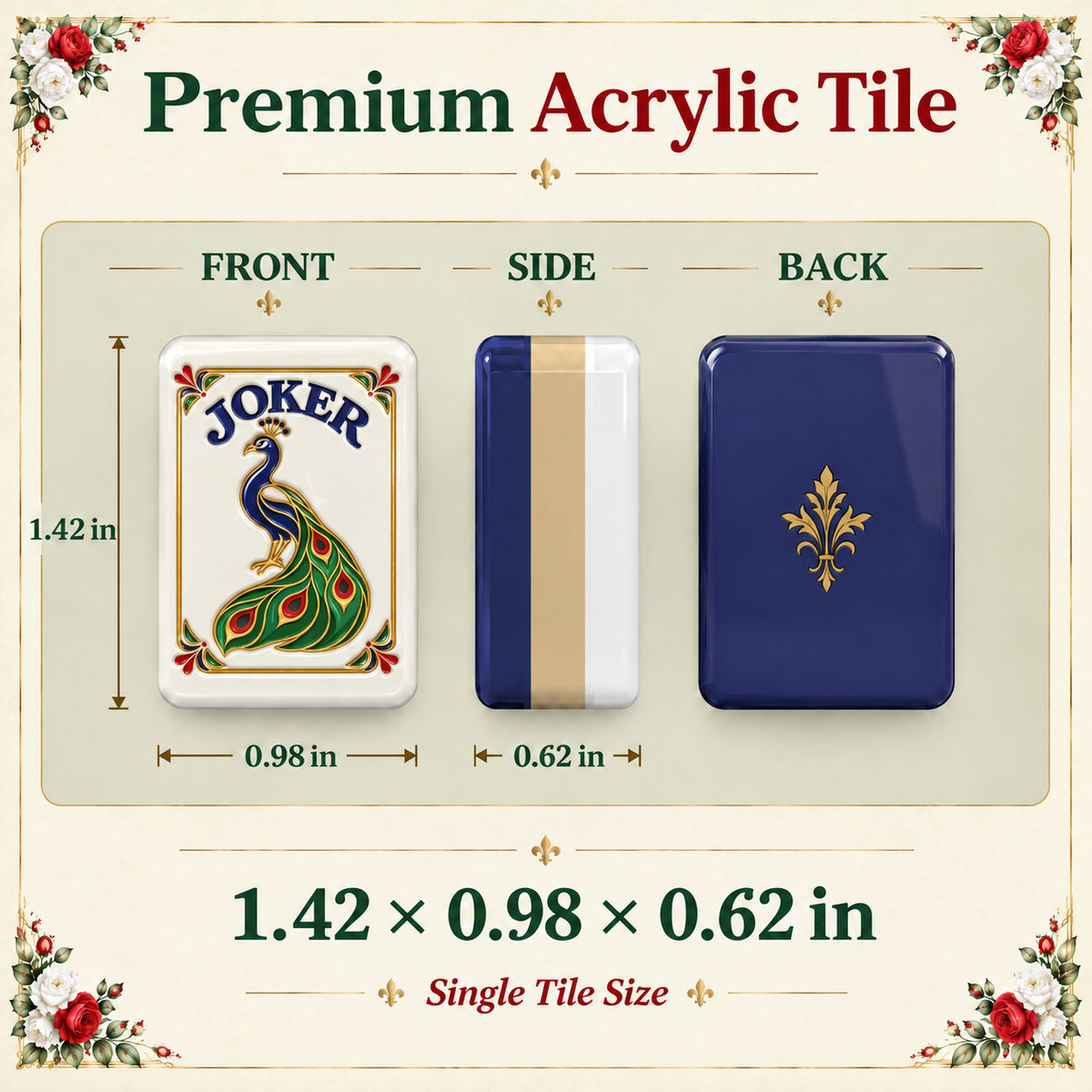
A mahjong party in Miami works best with exactly four players, a 160-tile American mahjong set, a mat for tile organization, and racks with pushers so tiles stay visible without tipping. Start with the tile Charleston—a three-pass ritual where each player passes tiles left, center, then right—before gameplay begins. Allow 45–90 minutes for a full game (one hand typically lasts 15–20 minutes); serve snacks and drinks separately from the play surface to keep tiles dry. Miami's humidity means storing your set in a sealed bag between sessions prevents moisture damage. You'll need the current-year National Mah Jongg League card to check legal hands; American mahjong uses no sequences (chows), only identical-tile groups like pungs and kongs plus exposed jokers. Mahstead's best-selling mahjong sets come ready to play with all 160 tiles and clear instructions.
Miami's warm evenings and outdoor spaces create natural hosting opportunities for mahjong. Whether you're on a screened patio to dodge humidity or gathered around an air-conditioned living room table, a well-organized party keeps players engaged and the game fair. The key is preparation: the right equipment, clear rules, and a hosting checklist that prevents confusion mid-game.
What tile set and mat setup works best for a Miami game?
You need exactly 152 playing tiles plus 8 jokers (a full 160-tile set) and a mat that defines each player's zone and keeps tiles organized. Miami's humidity makes this critical: cheap felt can warp, and loose tiles scatter if someone bumps the table during summer gatherings. A quality mat with raised edges prevents tiles from sliding, and a sealed travel bag between sessions protects your set from moisture.
🀄 Shop best-selling mahjong sets →
Choose a mat that fits your table size—typically 32–40 inches wide. The mat shows four player zones and slots for the Charleston passes. If your table is small, look for mats with removable zone markers; if large and permanent, a full-print mat works well. Racks with pushers hold your hand of tiles upright and angled toward you, so other players can't glimpse your tiles over the edge. Pushers (flat sticks) help you slide tiles up to draw or discard without dropping them—a small detail that saves embarrassment and keeps the game flowing.
How to choose a mahjong mat covers sizing and material in depth; for Miami's sticky air, acrylic tiles and rubberized mat backing resist warping better than traditional options.

How do you explain the Charleston to new players before dealing?
The Charleston is the pre-game tile exchange that randomizes hands and adds ritual to setup. Each of four players sits at a compass position (North, East, South, West) and passes tiles left, center, then right in three distinct passes. Explain it step-by-step before the first hand, and keep a printed visual or reference card at the table so no one forgets the direction mid-pass.
Pass 1 (Across): Each player passes three tiles to their left-side neighbor. Pass 2 (Across): Each player passes three tiles to the center (typically the most experienced player), who then redistributes them. Pass 3 (Left): Each player passes two tiles to their left-side neighbor. After the Charleston, players draw tiles to fill their hands to 13 tiles, then turn over the wall tile (drawn from the center stack) to determine who goes first based on the tile's number and suit.
Many new players want to keep good tiles during the Charleston. The goal isn't strategy here—it's randomization. Remind everyone that any three tiles work. If a player hesitates, gently nudge them to pass quickly so the game stays on track. Miami gatherings often run loose, but enforcing Charleston timing keeps the evening moving.
What hand combinations should beginners learn first?
American mahjong hands come only from the current-year National Mah Jongg League card. Don't memorize all 88 patterns—teach new players three starter patterns: All Pungs (fourteen identical tiles in groups of three, plus a pair), Mixed Suit 1 (tiles from two or more suits arranged in specific patterns shown on the card), and Like Numbers (e.g., all 1s and 2s across suits). Each hand uses exactly 14 tiles (13 in hand plus 1 drawn on your turn) and can include up to two jokers in any group except a pair or single tile.
The National League card updates every spring; order a few physical cards for your table, or print a reference page from the League's official website. When a player completes a hand, they say "Mahjong," show their tiles arranged by group on the mat, and the table verifies against the card. Common beginner mistake: assuming jokers can replace any tile in a pair—they cannot. Jokers work only in groups of three or more identical tiles (pungs, kongs, quints, sextets). This rule trips up new players fast; state it clearly before the first hand.
How long does a party game last, and what's a realistic schedule?
A single hand of American mahjong lasts 15–25 minutes depending on player speed and luck. Most Miami parties run three to six hands in an evening session (one to two hours of actual play). Each hand includes: the Charleston (2–3 minutes), initial draw and setup (3–5 minutes), active play (12–20 minutes), and scoring (2–3 minutes). Between hands, allow five minutes for a natural pause—drinks, bathroom, quick score updates.
Evening Format | Time | Hands Played | Best For |
Casual drop-in | 2–3 hours | 3–5 hands | Mixed skill levels |
League-style | 3–4 hours | 6–8 hands | Experienced players |
Afternoon party | 1–1.5 hours | 2–3 hands | Beginners or time-limited guests |
If you're hosting outdoors on a Miami patio in summer, start at dusk or early evening to avoid peak heat while playing. Have frozen beverages and light snacks ready. Sunglasses help if players face direct light on the mat; bright acrylic tiles can glare. If you expect first-timers, add 30 minutes for the Charleston explanation and a practice hand.

What supplies and rules keep the game fair and fun?
Set up before guests arrive: tiles shuffled and stacked in the wall (the 152 tiles arranged in pairs face-down), racks with pushers at each seat, the current League card visible, a pen and scorepad, and dice to determine who goes first and where the wall breaks. A scorepad tracks cumulative points across hands so players know who's leading without mental math.
Setup checklist:
160-tile set (all tiles present and undamaged)
Four racks with pushers, one per player
Mat or tablecloth defining player zones
Current-year National Mah Jongg League card (physical or printed)
Scoreboard or notepad and pen
Two dice for determining wall position
Sealed bag for storing tiles between sessions
Humidifier or sealed container if Miami's air is very dry
No food or drink directly on the mat
Establish ground rules before play: no phone cameras of tiles during a hand (players often cheat by photo), no coaching ("You should play the 4 Crak"), and clear calls when discarding ("Two Bam!"). If a player makes an illegal hand call (a pattern not on the current card), they must continue play and lose points for the false win.
🎁 See our most-loved mahjong sets & accessories →
What's the best way to teach American mahjong to absolute beginners at a Miami party?
Don't teach the full ruleset before arriving. Instead, teach the Charleston and one sample hand in real-time, then let players learn by playing. Assign an experienced player as "dealer" (the position that manages the wall, verifies hands, and answers rule questions) for the first hand, and rotate the dealer role each hand so everyone learns.
Before play: explain that each player draws one tile per turn and discards one, keeping exactly 13 tiles in hand at all times. When a player's hand matches a pattern on the current League card, they draw a final tile to reach 14, call "Mahjong," and show their tiles. The most common beginner error is over-thinking strategy; American mahjong has luck baked in, so reassure players that even experienced players won't win every hand.
For new players, use a hand-by-hand pacing: after each pattern is announced as complete, walk through scoring briefly (based on the League card's point value) rather than doing complex mental math mid-game. Miami's laid-back culture suits this relaxed teaching style—make it social, not academic.
✨ Find your Mahstead set — free US shipping →
What should you check before hosting to avoid humidity damage or setup failures?
Miami's humidity is the enemy of mahjong equipment. Before your first party, verify that your set's tiles are acrylic (resistant to warping) and stored in a sealed bag when not in use. Check that your mat has rubberized backing (prevents moisture seepage into your table) and that racks have grooves deep enough to hold tiles upright without sliding during play.
Count all 160 tiles by suit: 36 Bams, 36 Craks, 36 Dots, 16 Winds (four each of North, East, South, West), 12 Dragons (four Red, four Green, four White), and 8 Flowers. Missing tiles mid-game derail play. Inspect tiles for chips or cracks; even small damage can catch during shuffles and mark that tile as visually distinctive, giving observant players an unfair edge.
Test your mat and racks on a practice run before guests arrive. Check that all four seats fit comfortably around your table, that the mat's player zones are clear, and that racks don't tip when tiles are placed in them. If your table is wobbly, use shims or a thin tablecloth layer to stabilize it. Have dice and the current League card at hand; fumbling for these during setup signals disorganization and delays play.
Store your set in its bag after each session, in a dry corner away from windows or AC vents that create condensation cycles. A sealed plastic container with a small silica packet works too. Even high-quality acrylic tiles can swell slightly if exposed to sudden humidity swings.
What you'll need
For a seamless Miami mahjong party, invest in quality engraved sets with titles if you want a conversation piece, sturdy mats designed for humid climates, racks with pushers, and protective travel bags to guard against moisture between games. For a first party, start with a best-selling set that includes all essentials. Mahstead's 160-tile acrylic sets ship free across the US and arrive ready to play.
Learn more about the rules and mechanics in our guide to how to play American mahjong, and start from first principles in our mahjong for beginners resource.

FAQ
Can I play mahjong outdoors on a Miami patio during the day?
Yes, but use a mat with raised edges to keep wind from scattering tiles, and sunglasses to reduce glare off acrylic tiles. Start in late afternoon or dusk to avoid peak heat and direct sun glare, and keep the mat under an umbrella or awning to protect tiles from sun damage over time.
What's the easiest hand pattern for beginners to spot and win with?
All Pungs (three identical tiles repeated four times, plus a pair) is the simplest; beginners can visualize grouped stacks immediately. Mixed Suit 1 patterns on the League card are also beginner-friendly because they use tiles from just two suits in specific number ranges. Practice these two hands before teaching sequences or complex patterns.
Do I need to use the National Mah Jongg League card, or can we use house rules?
The League card is the standard for American mahjong; it ensures fairness and consistency across all games. If you want a casual house-rules version, it's a different game entirely and can confuse players who learn the League version later. Stick with the official card unless your whole group explicitly agrees to house rules beforehand.
How many players can play mahjong, and can Miami parties do three-player or five-player games?
Standard American mahjong is designed for exactly four players. Three- and five-player variants exist but require rule modifications and are less common; they're not recommended for beginners or casual parties. If you have three players, two people can sit out and rotate, or one experienced player can coach without hands.
Should I buy dice as part of my mahjong set?
Yes. Two dice determine the wall position at the start of each hand and decide who goes first. They're simple and inexpensive but essential to fair, randomized play. Most quality sets include dice, but verify before purchasing or grab an extra pair for backup.
What's the best time of year to host a mahjong party in Miami?
Late fall through early spring (November–March) offers the most comfortable temperatures and lower humidity, so tiles and mats are less stressed. Summer play is possible but requires extra attention to moisture protection and storage. Outdoor parties work best October–April.
Can I teach American mahjong rules in 30 minutes before we start playing?
No. American mahjong has too many details to absorb passively. Teach the Charleston, show one sample hand on the League card, then play live and clarify rules as questions arise. This hands-on approach works better than a lecture and keeps energy high for your Miami party.


View More
View More
View More
