
Mahjong travel bag gift ideas for players and beginners
Last updated: Nov 23, 2026
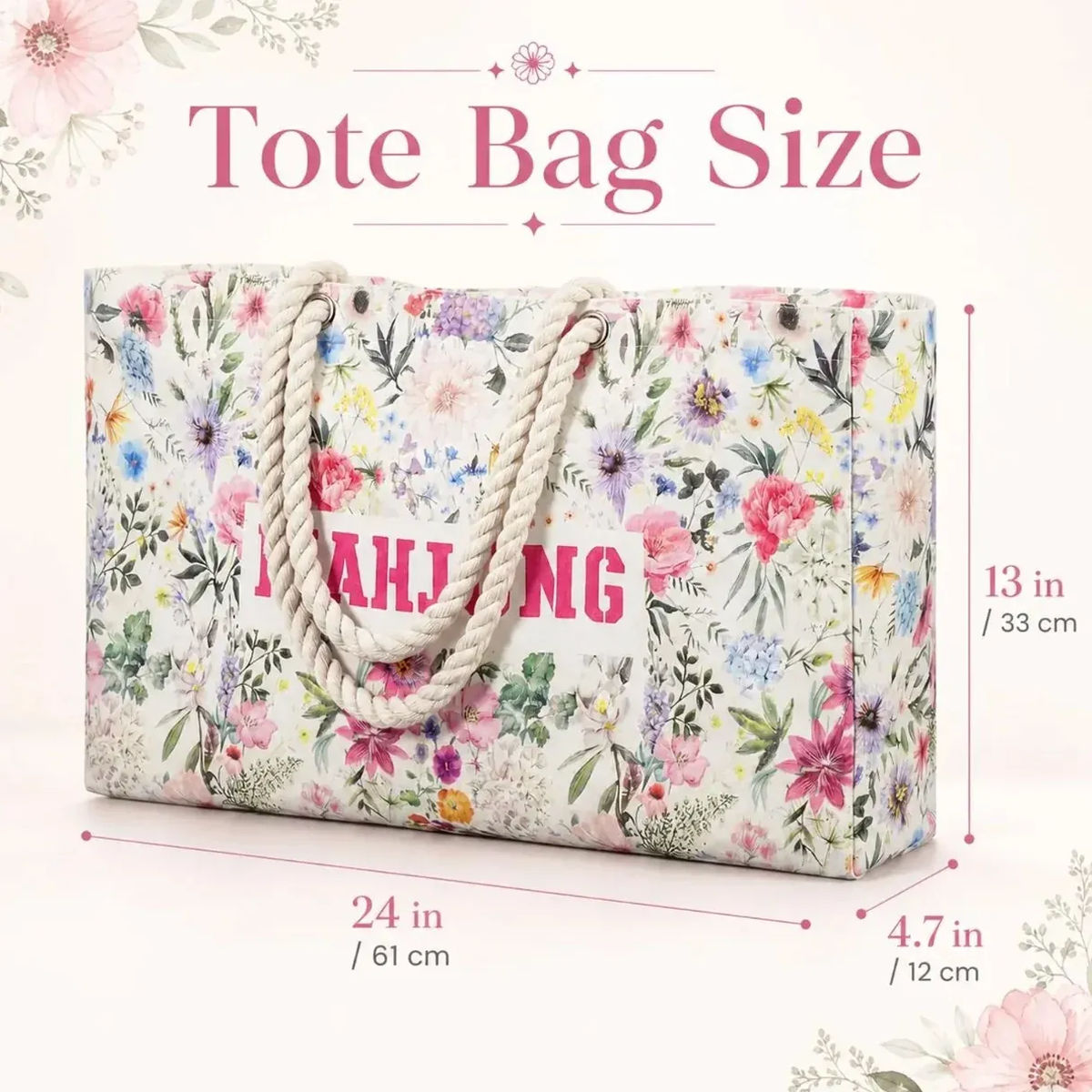
A mahjong travel bag is a padded or structured carrying case designed to hold a full 160-tile acrylic set plus accessories—mat, racks, dice, and joker chips—in one portable package. Most players pair them with a best-selling mahjong set so they can host games anywhere: home, a friend's house, or a weekly venue. Quality bags protect tiles from dust, humidity, and accidental spills that crack acrylic, which is why they're essential for anyone who plays more than monthly. Mahstead offers several styles: structured carriers with shoulder straps, drawstring totes for casual players, and fitted cases for players who want every piece organized and visible. A gift bag works best for someone already committed to the game—if you're introducing a beginner, pair it with a starter set and a guide to learning American mahjong first. Prices vary by material and size; see current pricing on the product page. Free shipping across the US makes ordering simple.
A mahjong travel bag is the bridge between owning a beautiful set and actually using it. Without protection, tiles migrate to different rooms, accessories scatter, and acrylic cracks under pressure. We've hosted weekly games for years, and a good bag transforms how often we actually play.
Who actually needs a mahjong travel bag?
You need one if you host games anywhere but a permanent table, play at multiple venues, or travel with your set. Serious players (those playing twice a month or more) wear them out faster; casual players use them as storage. Beginners rarely use bags their first season, but someone giving a gift to an experienced player is almost always buying a bag at the same time. Tournament players and players with engraved or custom sets tend to invest in protective cases first.

What should go inside your mahjong travel bag?
A full mahjong setup weighs between 8–12 pounds depending on tile material. Your bag needs to hold: 160 acrylic tiles (the set itself), a mahjong mat (if rolled or folded), racks with pushers (four of them), dice, joker chips or counters, and score cards. Structured bags have compartments for each; soft bags compress everything. A mat alone takes 2–3 inches of depth when rolled. Racks are bulky—plan for 4 inches width. Ask yourself: do you want quick access (top-open tote) or full protection (zipped case)? Most players choose zipped cases because tiles shift during transport otherwise.
🀄 Shop best-selling mahjong sets →
Structured case vs. soft tote: which gift fits your player?
Gift type | Who it's for | Pros | Cons | Best paired with |
Structured carry case | Tournament hosts, frequent travelers | Rigid walls protect tiles; organized compartments; lasts years | Heavier; takes up closet space | |
Padded zippered tote | Weekly hosts, casual players | Lightweight; fits bags in car; softer footprint | Less protection if dropped; tiles can shift | |
Drawstring bag | Beginners or gift add-ons | Cheap; easy to pack; good for storage | Minimal protection; no organization | Starter sets, learning guides |
Rolling luggage with compartments | Players who travel 100+ miles | Wheels reduce strain; large capacity | Overkill for local play; expensive | Collector-grade sets |
Comparison basis: Mahstead product line, based on feedback from weekly players (2024–2026).
How to match a bag to your player's style and frequency
Think about their play pattern first. A player hosting every Tuesday needs year-round protection and quick setup—give them a structured case with labeled compartments and a mat sized for their table. A seasonal player (spring tournaments only) fits a lightweight tote. Someone just starting out benefits more from a mahjong for beginners guide and a solid starter set than an expensive bag; they may not even use it the first year.
Second, consider where they play. Players who host at home want something that lives in a closet gracefully. Players who travel between venues or to weekend tournaments need something that fits in a car trunk and protects tiles during rough transit. Weekend visitors who bring their set to a host's house need lightweight portability.
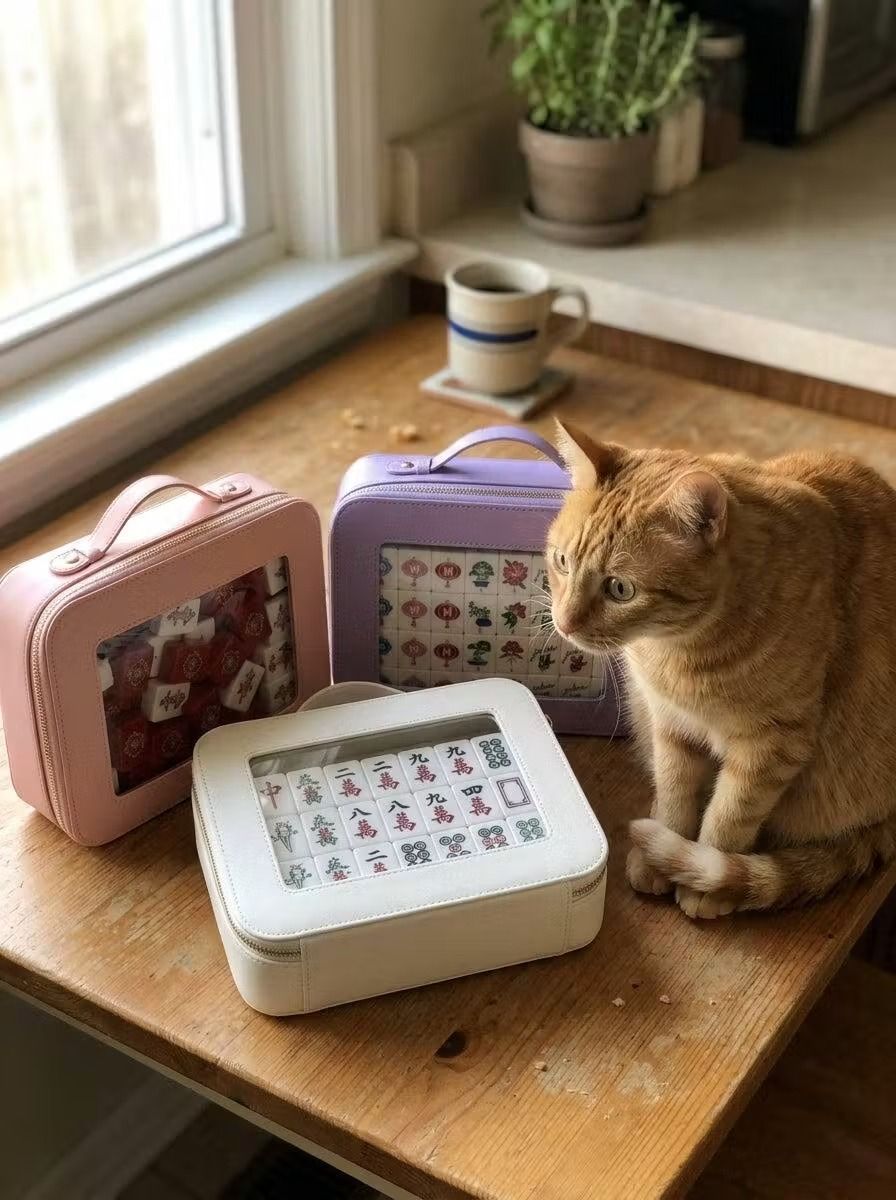
Third, match bag style to tile aesthetics. Someone with engraved tiles or Christmas-themed sets might enjoy a bag that shows off the set—open-front display cases or clear-top totes. Someone practical prefers opaque, durable nylon.
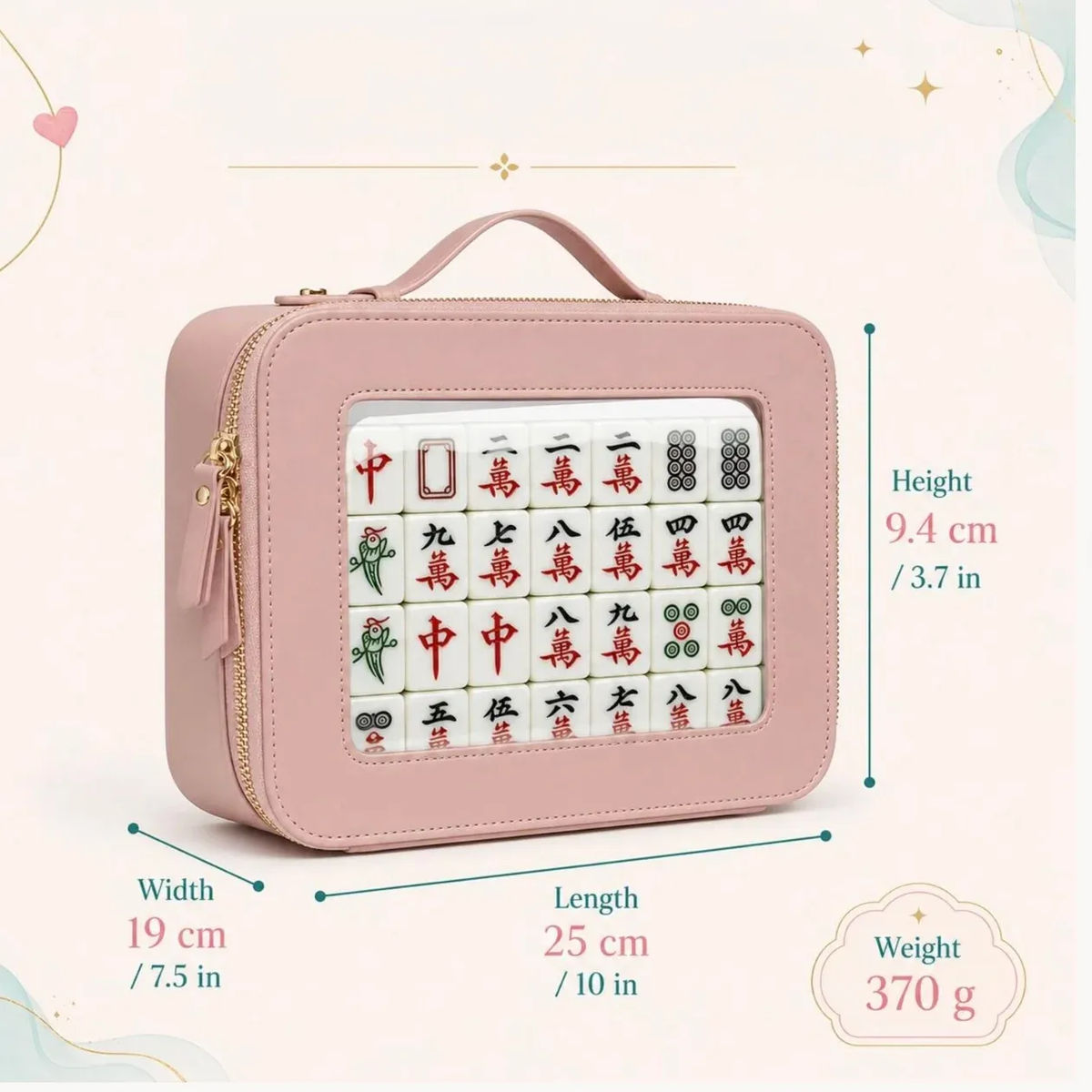
What to check before you buy a travel bag as a gift
Compartment count: Does the bag have separate slots for tiles, mat, and racks, or is it one open space? Open bags are faster to pack; compartments prevent shifting but add weight and complexity. Count the player's accessories (do they own racks already?) and match the bag to that inventory.
Weight empty: Pick it up if possible. A bag that's comfortable for one person becomes a burden for another. Lighter bags (under 3 pounds empty) suit players who move their set weekly; heavier structured cases stay home 95% of the time.
Durability of zippers and handles: Cheap zippers jam after 20 uses. Thick nylon or canvas bags last longer than thin polyester. Check if the handle is stitched or glued; stitched is stronger.
Interior measurements: Does it actually fit a rolled mat (about 28 inches long) plus tiles and racks? Many bags list exterior size; ask what fits inside. Mahstead's product pages show interior capacity where available.
Warranty or repair: Can you replace a zipper or strap if it breaks in year two? Mahstead stands behind materials and construction; check the specific product page for details.
Material allergies or preferences: Some players avoid certain fabrics or prefer eco-friendly options. Canvas, nylon, and recycled materials all have trade-offs. Ask the recipient.
🎁 See our most-loved mahjong sets & accessories →
The gift-giving decision tree
Start here: Is this a gift for someone who already owns a set? Yes → Buy a travel bag. Pair it with racks or a mat upgrade if the bag alone feels light. No → Buy a set first, then add a bag later, or buy a set + bag bundle if they're committed. Unsure of their commitment level? A travel bag is a strong bet because it signals you expect them to keep playing.
Is this a gift for a beginner? Yes → Skip the bag. Invest in a quality starter set and learning resources instead. They'll tell you what bag style they want after their first season. No → Proceed to bag selection.
Does the player travel or host? Travels → Lightweight, compact bag. Hosts at home → Structured case with organization. Does both → Mid-size padded tote with a shoulder strap.
Why Mahstead bags make sense for serious gifts
We design our travel bag collection around what hosts actually need: enough space for a full set, mat, racks, and dice without being so large you can't close it. Materials are chosen for durability—players move their sets hundreds of times over a few years. Free US shipping means you're not paying extra to give a thoughtful gift. And because we sell the sets that go inside them, we know exactly what needs to fit.
✨ Find your Mahstead set — free US shipping →
Pairing bags with complete gift sets
If you're buying a full gifting package, here's what works:
popular picks set + structured bag + mat: The classic "everything they need" gift. Player can set up anywhere within 5 minutes.
Engraved/custom set + premium case + racks upgrade: For the collector or serious tournament player. Shows you've invested thought.
Beginner set + soft tote + learning guide: Low-pressure entry point. Bag grows into their gift as they play more.
Seasonal set (Christmas, themed tiles) + matching bag + dice: Fun, cohesive gift; bag becomes part of the aesthetic.
FAQ
What's the weight limit before a bag becomes annoying to carry?
Most players find bags under 5 pounds (empty) comfortable for weekly transport; above 8 pounds (loaded), it becomes a two-hand carry or trunk item. Consider the player's physical preference—regular hosts may not care about weight since the bag stays in one place.
Should I buy a bag before or after they own a set?
Ideally together. A player who owns a loose set will figure out bagging on their own; giving them a bag before a set pressures them to buy the matching tiles. Buy the set first, bag second—unless you're buying both as one gift and know they're ready to commit.
Do padded bags protect acrylic tiles from cracking if dropped?
Padded totes absorb impact better than soft drawstring bags, but not as reliably as rigid cases. If the bag itself lands on a corner from waist height, tiles can still crack. A structured case with corners protects much better, but even that isn't drop-proof.
Can I fit a mahjong mat inside the bag, or should it stay separate?
Mats fit if the bag is 28+ inches long and 4+ inches deep. Most rolled mats compress to fit, but this takes up half the interior. Many players store mats separately and carry only tiles + racks in the bag. Check the product page's interior dimensions before ordering.
What size bag do I need for someone with multiple sets?
One bag per set is standard—sets are bulky. A large touring case might fit two, but tiles mix and organizing them becomes a nightmare. If the gift recipient owns multiple sets, buy one premium bag per set; they'll rotate which one they carry.
Is a travel bag a good beginner's gift on its own?
No. A bag without a set is like giving someone luggage before a vacation. Beginners need the actual game (set), rules guidance, and only then a way to carry it. Save the bag for year two, when they've played a dozen times and you know they're hooked.


View More
View More
View More
