
How to Host a Hanukkah Mahjong Party
Last updated: Nov 23, 2026
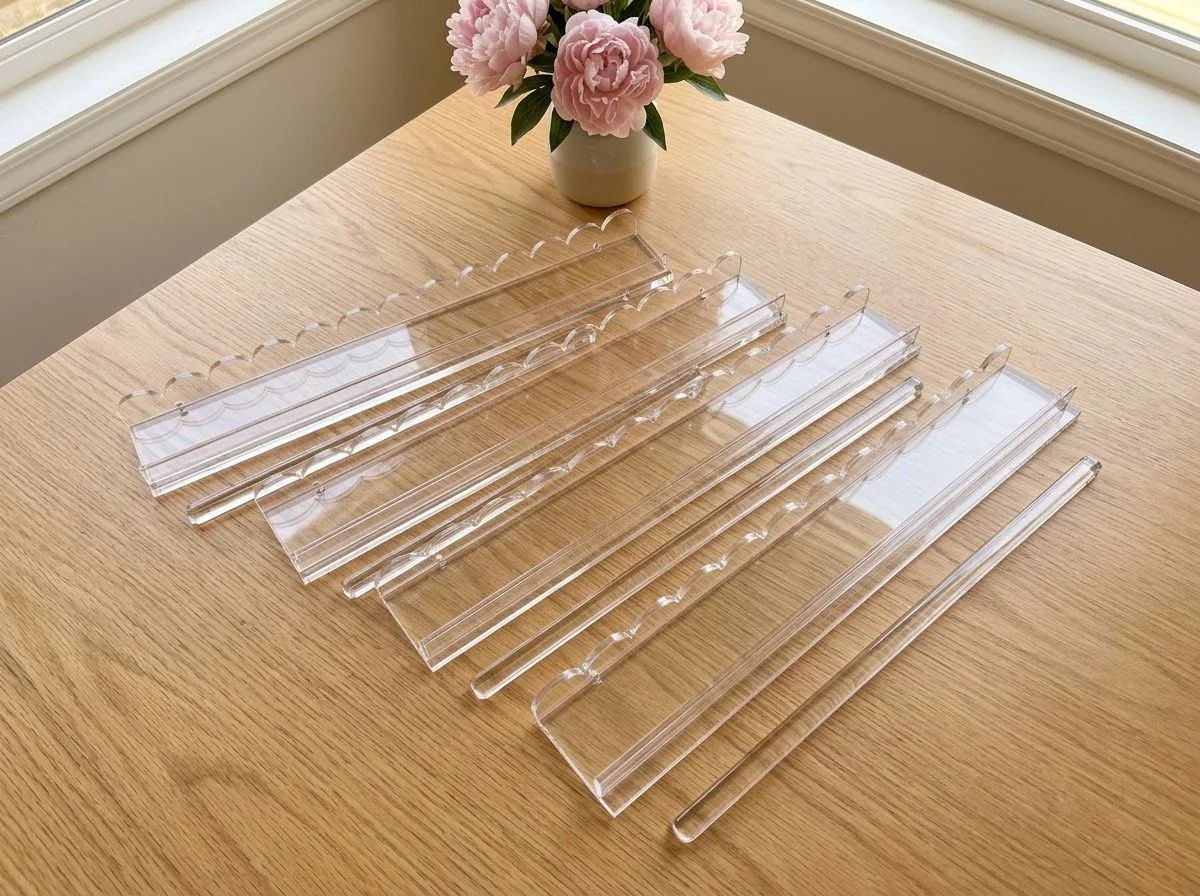
A Hanukkah mahjong party centers on American mahjong—the four-player game using 152 tiles, played against the current National Mah Jongg League card (issued each spring). Host in your home, synagogue, or community center; plan 2–3 hours for a casual session. You'll need one complete set, a mat, player racks, the current year's card, and snacks. Beginners and experienced players can mix with the same ruleset. Buy a quality 160-tile acrylic set from best-selling mahjong sets (free US shipping), which includes extra jokers and tiles; cost is moderate and the set lasts decades. Avoid borrowing worn sets—scratched tiles jam play and frustrate newcomers. Plan the Charleston (tile-passing ritual) for the first ten minutes, explain hand-reading once, and let the game flow.
Why Mahjong Fits Hanukkah Hosting
Mahjong is a Hanukkah tradition in many Jewish households—a game rooted in skill and chance that brings multi-generational players together. Unlike card games, mahjong requires only four players and feels slow enough for conversation between hands. The physical tiles and ritual of the Charleston create a tactile, social anchor. Many hosts choose this season to teach newcomers because family gatherings create ideal teaching moments. You control the pace entirely: play two quick rounds or spend an evening on three. Hanukkah's eight nights also mean you could host on any evening without a fixed end date—flexible for families balancing holiday prep.
🀄 Shop best-selling mahjong sets →
What You'll Need to Set Up the Table
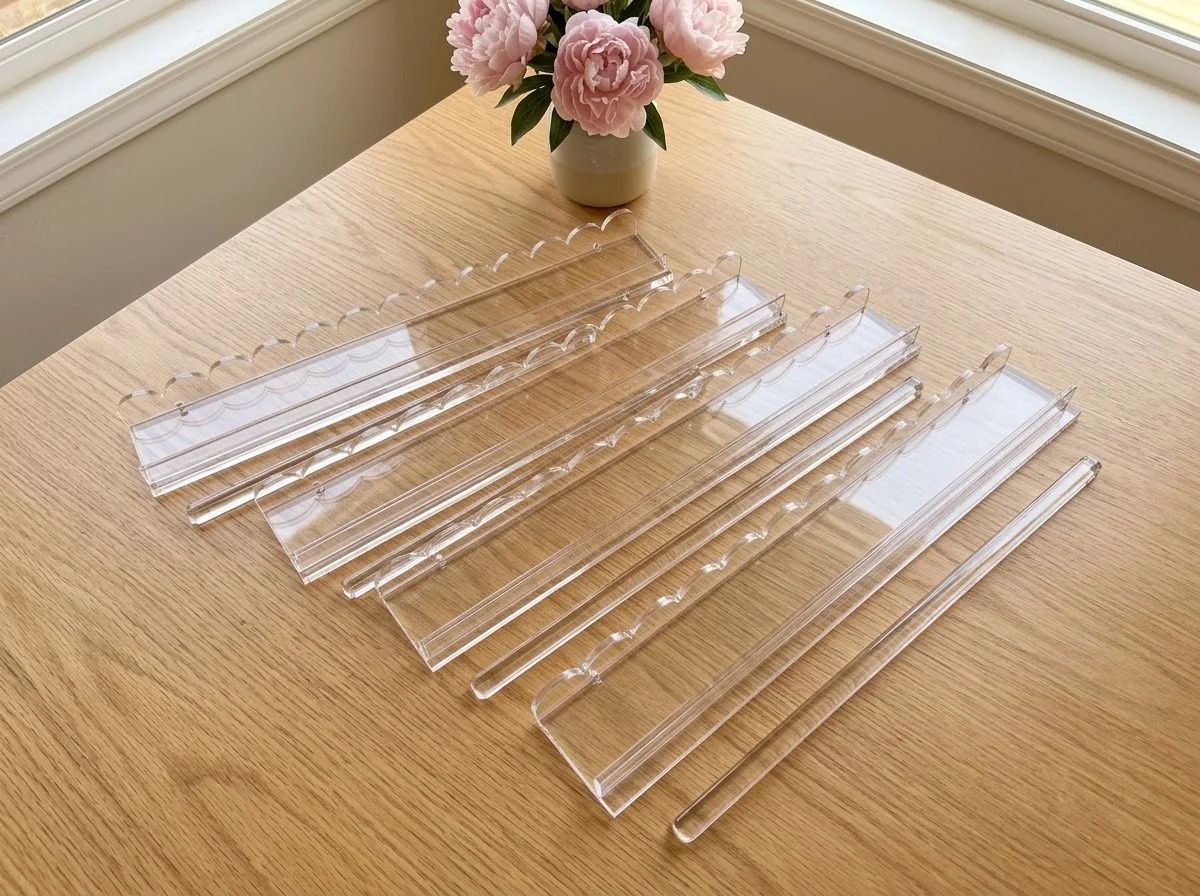
A Hanukkah mahjong party requires one 160-tile acrylic set, a mat, four racks with pushers, the current National Mah Jongg League card, and pencil and paper for scorekeeping. The set contains 152 tiles (Bams, Craks, Dots, winds, dragons, flowers, jokers) plus spare tiles. The mat protects your table and defines the play space—crucial for beginners who need visual boundaries. Racks hold tiles upright so players cannot see each other's hands; pushers (small sticks) let you move tiles without touching them. Print the current-year card or buy a laminated version; it shows every legal hand your players can form. Pencil and paper track scores across hands; a running tally keeps everyone engaged. Set up fifteen minutes early so newcomers aren't rushed during the Charleston.
🎁 See our most-loved mahjong sets & accessories →
How to Teach Newcomers Without Slowing Play
Start by explaining that American mahjong uses only four players and that every hand comes from the card—not memory or intuition. Show newcomers a single hand pattern on the card: a pung (three identical tiles), a kong (four identical), and the pair, for example. Point out that the card is organized by sections (suited or honor hands), and each hand row shows the legal tiles needed. Do not try to teach hand-reading the first session; instead, ask experienced players to sit next to newcomers and quietly prompt them: "Look for patterns with 1 Bam and two other Bams." During play, if a newcomer is confused, pause that hand and walk through their tiles against the card together—this takes under two minutes and prevents frustration. After two hands, most newcomers grasp the logic. Experienced players naturally help without slowing the game because they enjoy teaching; frame the party as a teaching event, not a "skill test," and everyone relaxes.
Learn how to play American mahjong for deeper rules before your party.
Managing the Charleston and Early Rounds
The Charleston is the tile-passing ritual before play begins. All four players pass tiles simultaneously in a set order: first pass right (any 3 tiles), second pass across (any 3 tiles), third pass left (any 3 tiles). Then a second Charleston happens in reverse (left, across, right). This ritual sets tone and adjusts hands fairly. Allocate ten minutes for the Charleston and explain each step aloud: "Pass right—any three tiles you don't want. Now pass across…" Many newcomers find this fun because it involves everyone equally. After the Charleston, deal fourteen tiles to each player from the wall (the remaining 112 tiles in the center). The first player draws one tile and begins looking for a hand. Explain that during your first party, rounds may take 15–20 minutes because players read the card carefully; that's normal. By round three, hands resolve in 8–10 minutes as players gain rhythm.
Understand the Charleston explained step-by-step before hosting.
Building a Hosting Checklist and Timeline
Use this checklist to avoid common hosting mistakes:
Task | Timing | Details | Who Does It |
Buy or confirm set | 2–3 weeks before | Acrylic, 160-tile, all tiles clean | Host |
Test the set | 1 week before | Play one round with a friend; check tiles for cracks | Host |
Print or laminate current-year card | 1 week before | One per player plus one for the center | Host |
Set table and mat | 30 minutes before | Mat centered, racks at four corners, card visible | Host |
Greet and seat players | 15 minutes before | Assign wind positions (North, East, South, West) randomly or by rotation | Host |
Quick rules refresher | 10 minutes before | Explain Charleston, tile-calling, no chows rule, joker rules; ask if anyone is new | Host |
Start Charleston | At clock time | Set a timer; keep pace steady | East player leads |
Play round one | ~15–20 minutes | Explain hand-reading as needed; celebrate first winner | Everyone |
This timeline prevents last-minute scrambling and ensures players feel prepared. Many hosts send a simple email two days before: "Bring nothing—I have tiles, mat, and snacks. Dress warm or cool (the game takes two hours). New to mahjong? No problem; we'll teach as we play." This message reduces anxiety and confirms attendance.
Gift Ideas and Equipment for Your Gathering
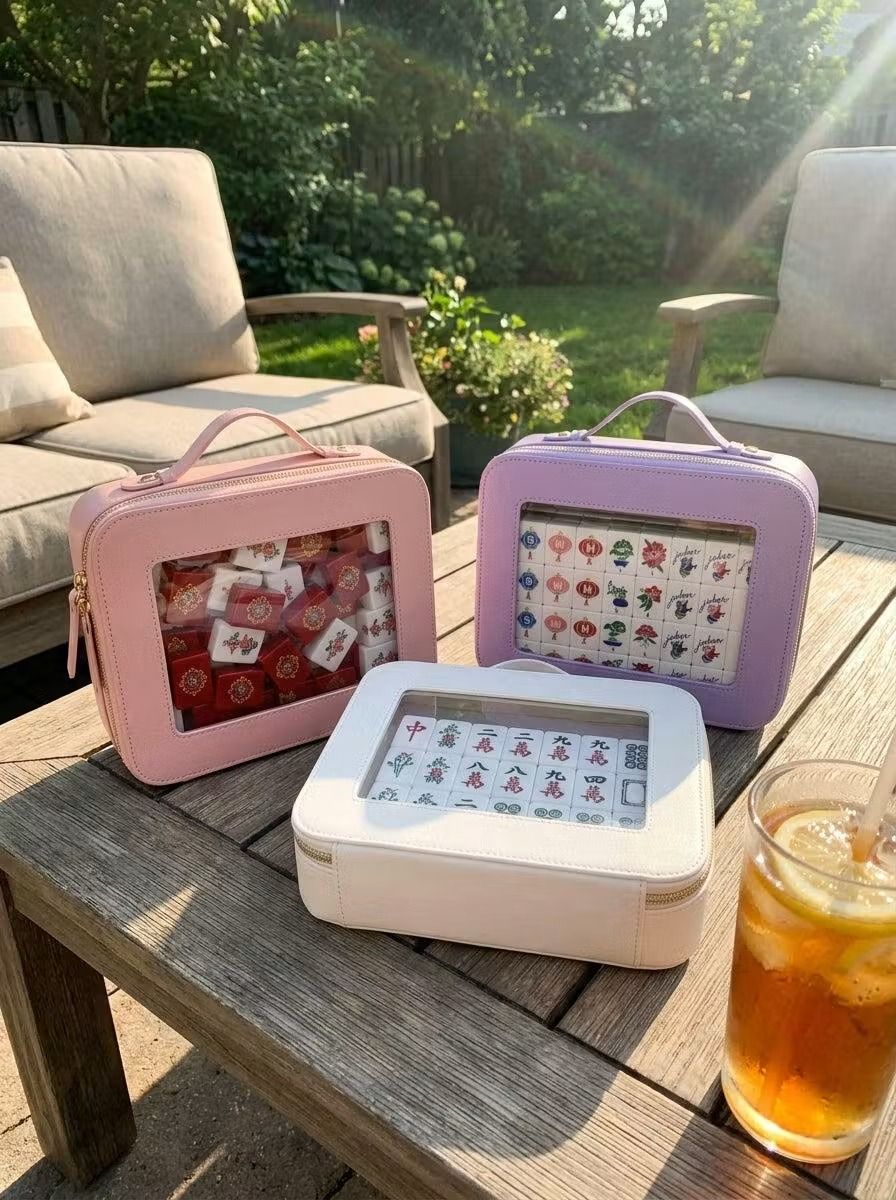
If you're hosting multiple Hanukkah mahjong nights or want to give players a gift, engraved American mahjong sets with custom titles (family names, inside jokes, Hebrew blessings) add a personal touch without major cost. A set with the word "chai" (life) or your family name is a keepsake. For players who already own sets, mahjong mats printed with Hanukkah themes (menorahs, Stars of David) are practical and festive. Mahjong racks with pushers in acrylic or wood make excellent gifts for serious players; quality racks last a lifetime. Mahjong bags and cases let players transport their sets to synagogue or other homes, perfect for players hosting their own holiday gatherings. A modest gift basket pairing a set with a mat or racks shows thought and generosity without excess.
✨ Find your Mahstead set — free US shipping →
What to Check Before You Buy
Before ordering a set, verify the current National Mah Jongg League card is available (issued each spring—confirm the year online). Order the set at least two weeks before your party; free US shipping is standard, but you want time to test tiles and confirm all pieces arrived. Check that the set is acrylic (durable for frequent play) and includes 160 tiles (152 playing tiles plus spares for wear). Open the box, lay out a test hand, and confirm no tiles are cracked, faded, or misshapen; report issues immediately so replacements arrive before your party. If you're inviting beginners, buy a laminated card or print one and slip it into a clear sleeve—worn cards confuse new players. Set up the mat and racks one day early so you're confident about table layout. Finally, keep the original box and packing—a quality set deserves proper storage between parties.
FAQ
Can you play mahjong with more than four people at one table?
No. American mahjong is always four players. If you have more guests, run two simultaneous games or play in rounds. Hosts often rotate players between games every 2–3 hands.
Do I need to know mahjong well to host?
No, but you should be comfortable reading the card and explaining the Charleston. Play a test round with a friend one week before. If you're brand-new, watch a tutorial online or attend a local game first.
What's the difference between American and Chinese mahjong?
American mahjong uses only the current year's card, includes eight jokers, and forbids chows (sequences like 1-2-3). Chinese mahjong relies on memory, uses no jokers or card, and allows chows. Teach whichever you know; don't mix variants at one table.
How long does a typical round take?
Beginner and mixed-skill games take 15–20 minutes per hand. Experienced players finish in 8–10 minutes. Plan 2–3 hours for four hands, including the Charleston and scorekeeping.
Can you use an old mahjong set or borrow one?
Yes, if the tiles are clean and not cracked. Worn, sticky, or broken tiles jam racks and frustrate new players. A new 160-tile acrylic set costs reasonably and outlasts decades of holiday play—a better investment than borrowing a damaged set.
What if someone wants to play but doesn't know how?
Seat them next to an experienced player and pair them with a clear explanatory approach. Experienced players typically enjoy teaching during Hanukkah gatherings. After one hand, newcomers usually grasp the card logic.


View More
View More
View More
