
Where to Buy a Mahjong Set in Portland: Your Complete Local Guide
Last updated: Nov 23, 2026
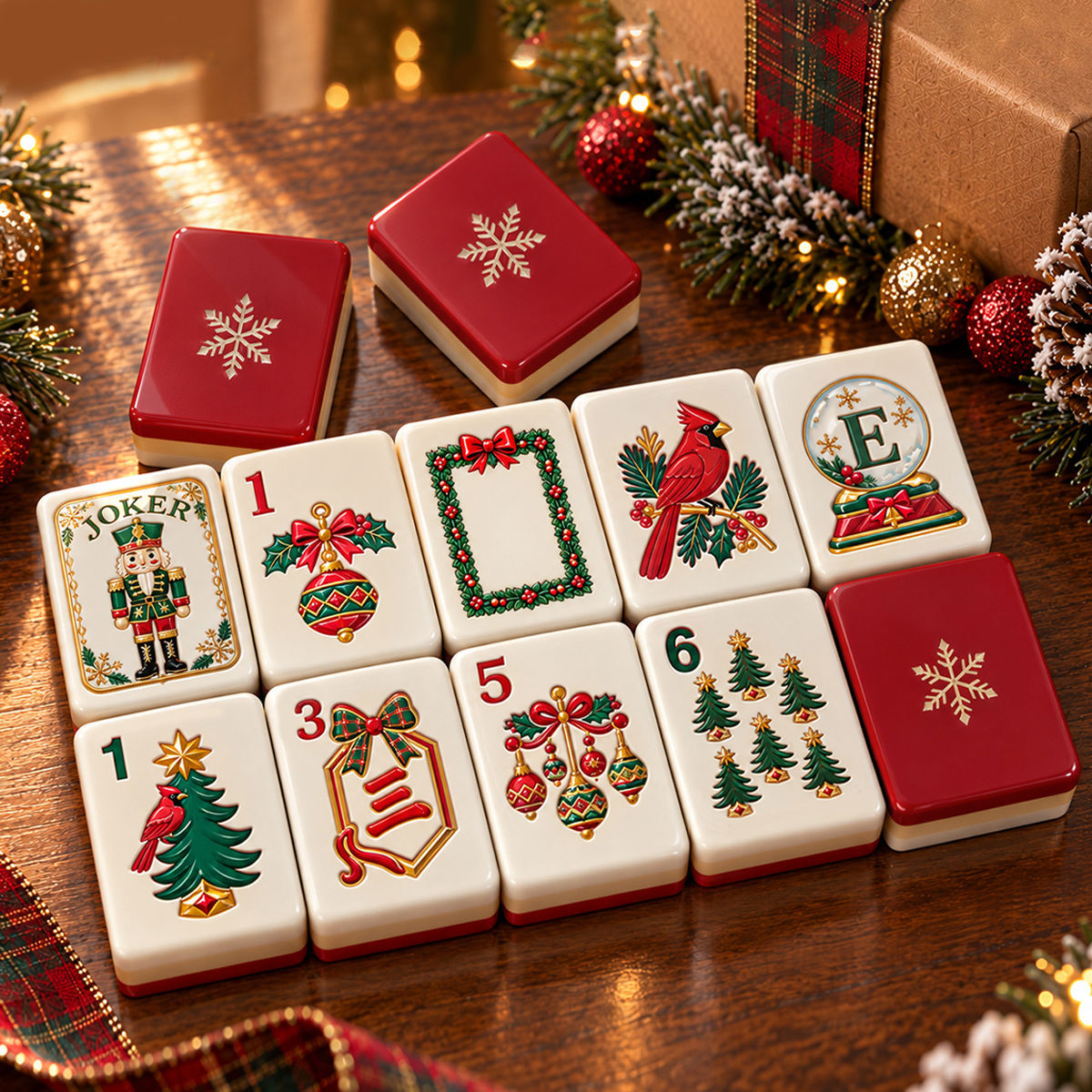
Portland players have three main routes: community centers, libraries, and specialty game shops often stock or can recommend sets; local mahjong clubs (often hosted at community centers, synagogues, or recreation departments) may sell sets to members; and online retailers let you browse full inventories with custom designs without leaving home. An American mahjong set contains 160 tiles (152 playing tiles plus spares) and must include three suits, winds, dragons, flowers, and jokers—verify this before buying. Most retailers in the Portland area stock mass-market acrylic sets, but if you want engraved tiles, a custom mat, or racks with pushers, ordering from a specialist like Mahstead (which ships free across the US) often beats local availability and lets you customize for your group. Budget varies widely: basic sets cost less, but quality acrylic with legible tiles and a fitted bag justifies the investment if you play weekly.
Portland's mahjong scene has grown steadily, and whether you're a complete beginner or adding a second set for a larger group, knowing where to look saves time and money. Here's what we've learned hosting games across the region and helping players find their perfect set.
Where do Portland game shops actually stock mahjong sets?
Call ahead: most general game stores carry some inventory but often only mass-market brands. Visit or phone community centers, libraries, and the recreation department in your neighborhood first—many stock sets or host club nights where you can handle tiles before buying. Ask if they have a club bulletin board; Portland players often post recommendations and sometimes sell used sets. Specialty board game cafés occasionally stock mahjong, especially in Southeast Portland and downtown. If local shops can't meet your needs, don't settle for whatever's left on the shelf—online ordering opens up vastly more choices.
🀄 Shop best-selling mahjong sets →

What should I check before buying any mahjong set?
Verify the tile count first: you need exactly 152 playing tiles plus 8 jokers (160 total). Count the bamboo suit as one indicator—there must be four 1 Bams (usually with a bird), four 2 Bams, and so on through 9. Check that tiles are acrylic or bone (not plastic resin), that numbers are engraved or painted clearly enough to read under table lighting, and that the set includes a bag or case if you transport it. Ask whether jokers are standard—some sets skimp or use unclear designs. Test a sample tile's weight: cheap sets feel hollow; quality tiles have substantial heft. If buying used, inspect for cracks, fading, or missing pieces before handing over money.
Should I order from a Portland retailer or shop online instead?
Buying option | Best for | Key trade-off |
Local game shop (if in stock) | Immediate pickup, handling tiles first | Limited selection, may not have custom designs |
Community center or club | Testing with other players, advice | Stock is seasonal, inventory thin |
Online specialist retailer | Full range, custom engraving, better racks & mats | Wait for shipping (though free in US), no same-day pickup |
Used/secondhand (local or online) | Lower cost | Risk of damage, unclear history |
Most Portland players we know eventually order online because local shops rarely stock engraved American mahjong sets, matching mats, or racks with pushers together. If you plan to host weekly, investing in a cohesive setup—custom tiles, a mat with pushers, and a padded bag—pays off over time and makes setup faster.
🎁 See our most-loved mahjong sets & accessories →
What makes a good mahjong set for Portland's climate and game schedule?
Portland's humidity and temperature swings are gentler than the Southwest, so tile warping is less common, but moisture still matters. Acrylic tiles resist humidity better than bone. If you play outdoors or in a space without climate control, choose sets with a protective bag or hard case—this also keeps tiles from scattering during transport to club nights. A set with a mat built for Portland's light rain and occasional spills (wipeable surface, corner grips) is worth the small extra cost. If your group plays on different surfaces—someone's dining table one week, a community room the next—racks with pushers become invaluable for keeping tiles stable and organized across venues.

How do I actually start playing once I have a set?
Open the box and verify all 160 tiles are present. Read the National Mah Jongg League card for the current year (issued each spring)—this is the rulebook for American mahjong; hands only come from that card. Practice the Charleston, the tile-passing ritual that begins every game, with a friend before hosting a full group. Set up a practice game with our beginner guide so you're not learning rules mid-play with four people watching. Portland has several clubs that welcome newcomers; ask at community centers or search Meetup for weekly game groups. Many players join one group first to learn, then host their own games once confident.
✨ Find your Mahstead set — free US shipping →
What should I check before I buy—a quick checklist?
Tile count: Exactly 160 tiles (152 playing + 8 jokers); count one full suit to verify.
Legibility: All numbers and symbols must be clear under normal lighting; no worn or faded tiles.
Material: Acrylic or bone preferred; avoid plastic resin (feels cheap, chips easily).
Completeness: All three suits (Bams, Craks, Dots) from 1–9, four winds, three dragons, flowers, jokers, and a bag or case.
Weight & feel: Quality tiles have substantial weight; cheap sets feel hollow.
Current-year card included: Some sets include a laminated League card—check the year (must be 2026 for spring 2026 play).
Accessories: If you plan weekly games, racks and a mat are worth the investment.
Return policy: Ask if there's a guarantee in case tiles arrive damaged.
Ordering from out of state: what to expect
If you order online, free US shipping means your set arrives in a few days without extra cost. Acrylic tile sets are durable in transit when packed well—look for retailers who use padded boxes or cases. Once it arrives, inspect immediately: verify the tile count matches the label, check for cracks or discoloration, and confirm the bag or case is included. Test one game before hosting a full group so you're confident in the set's quality. Most reliable retailers offer straightforward returns if anything is wrong, so don't hesitate to ask their policy before ordering.
Portland's mahjong community is welcoming and growing, and having the right equipment from the start makes hosting and hosting memorable. Whether you find your set at a local shop or order online, investing in clarity (legible tiles), durability (quality acrylic, protective bag), and a cohesive setup (mat, racks, dice) will serve you through many years of play.
FAQ
Can I buy a mahjong set in Portland without ordering online?
Yes—try community centers, libraries, recreation departments, and specialty game shops first. Call ahead to confirm they stock sets. If local inventory is limited or doesn't match what you want, online ordering with free US shipping is often faster than shopping around.
What's the difference between a 152-tile set and a 160-tile set?
A 160-tile set includes the 152 playing tiles you need plus 8 extra jokers and/or blank tiles as spares. American mahjong always uses exactly 152 tiles in play; the spares replace damaged tiles. Never add spares to the game.
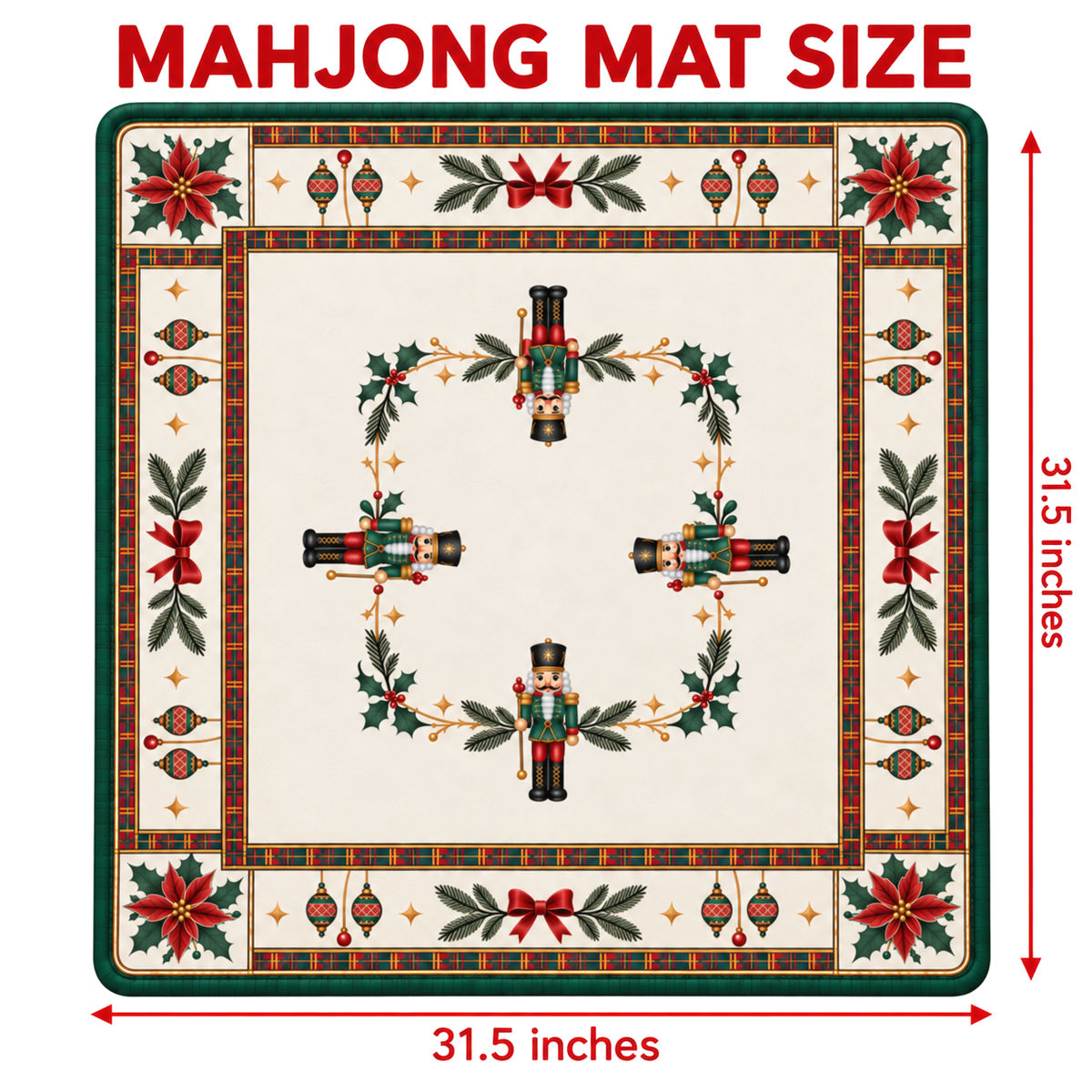
Do I need a mat and racks if I have a mahjong set?
No, but they make a huge difference if you play weekly. A mat protects tiles, keeps the game organized, and speeds setup. Racks with pushers prevent tiles from sliding and make counting easier. Start with just a set and bag; add these later if you find yourself hosting often.
How do I know if a set I'm buying is American mahjong or a different variant?
American mahjong sets have no chows (sequences like 1-2-3), only pungs (three identical tiles), kongs (four), and higher combinations. The box should say "American mahjong" or "NMJL" (National Mah Jongg League). If unsure, ask the retailer or read the included rulebook.
What if I buy a set and tiles arrive cracked or faded?
Contact the retailer immediately with photos. Reputable sellers offer replacements or returns for damaged sets. This is why buying from established retailers—local or online—matters; they stand behind their products and honor guarantees.
Can I use a set I find secondhand or at an estate sale?
Yes, if all 160 tiles are present and in playable condition. Inspect for cracks, discoloration, or missing pieces before buying. Older sets sometimes have worn engraving, which can make tiles hard to read under dim lighting—test this carefully before committing.


View More
View More
View More
