
Mahjong Tournaments in Virginia Beach: Find Games & Get Ready
Last updated: Nov 23, 2026
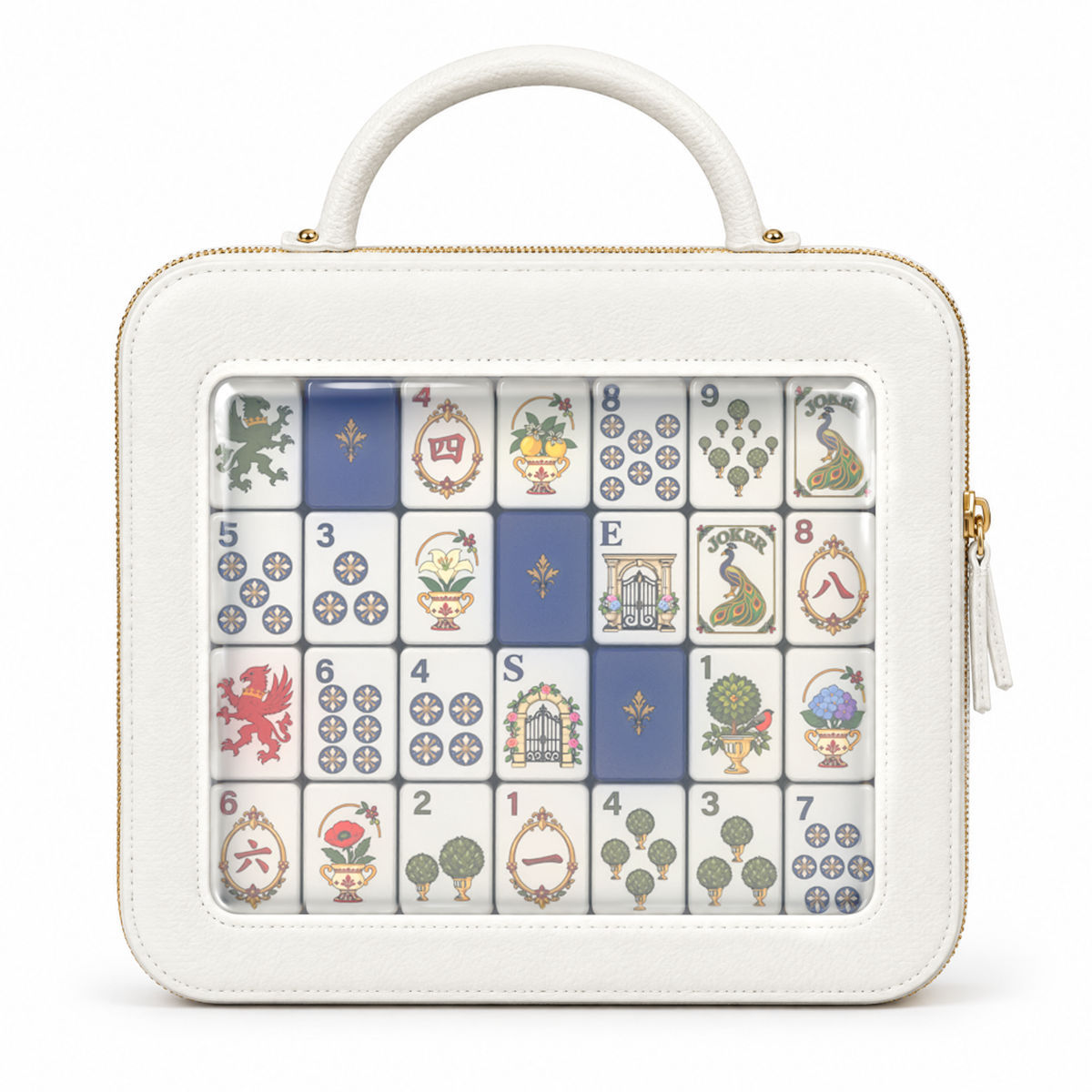
Virginia Beach players find tournaments and regular games primarily through community centers, public libraries, senior recreation programs, and synagogues—check their activity calendars and bulletin boards in person or online. The Hampton Roads area occasionally hosts American Mahjong League–sanctioned tournaments; search the League's official website for regional events and dates. Most casual weekly games run year-round in neighborhoods and clubs; ask at local bridge groups or country clubs, as many members cross over into mahjong. Tournaments typically cost a small entry fee per person (check event details when you find one), last 2–4 hours, and require you to bring a set or use provided tiles, a current-year National Mah Jongg League card, and your best hand skills. Before your first tournament, practice how to play American mahjong so you know the Charleston, calling conventions, and scoring; tournament etiquette expects quick play and no distractions, so know how to read the mahjong card inside out. 🀄 Shop best-selling mahjong sets →
Where Do Virginia Beach Players Find Tournaments?
Virginia Beach sits in the Hampton Roads region, which has a modest but active mahjong community. Start by calling your local Parks and Recreation department—many offer weekly drop-in games or organize seasonal tournaments at community centers. Public libraries often host game nights; the Virginia Beach Public Library system posts activity schedules online. Synagogues and Jewish community centers frequently organize mahjong events; call ahead to confirm open games or upcoming tournaments. Finally, search Meetup.com or Facebook community groups for "mahjong Virginia Beach" or "Hampton Roads mahjong"—local players post weekly game times and tournament announcements directly.

What's the Difference Between Casual Games and Tournaments?
Casual weekly games (found at libraries, community centers, or homes) are relaxed, social, forgiving of slower play, and use house rules or the current-year League card. Tournament play follows strict American Mahjong League rules: players must use the official current-year card, follow time limits for each hand, obey calling and exposure rules exactly, and settle disputes by rulebook. Tournaments charge entry fees (details vary per event), run in rounds over 2–4 hours, and assign you to play with different opponents each round. Casual games build friendship; tournaments build your competitive ranking and skills.
How Do I Prepare for My First Tournament?
Practice the fundamentals before you enter: learn the Charleston thoroughly, understand how jokers work in American rules (they substitute for any tile, never stand alone or in a pair), and study the current-year National Mah Jongg League card until you spot hands instantly. Attend a casual game first—most are welcoming to newcomers. Bring a reliable mahjong set—tiles must be visible, pushers smooth, and your rack must not wobble (bad gear costs you seconds per hand). On tournament day, arrive early, bring your card, a pen, paper for scoring, and two sharp eyes. Wear comfortable clothes; you'll sit for hours.
What Equipment Do Tournament Players Actually Use?
Tournament players bring sets that are fast and reliable. Clear mahjong tiles (easy to read at a glance), smooth racks with pushers (no jamming or tipping), and a good mahjong mat with marked areas so discards and melds stay organized. Some bring travel bags or cases if they're commuting between venues. A small notepad and pen go in your bag—you'll need to record scores and sometimes track rankings across rounds. Many players carry their current-year League card in a sleeve to protect it; ask tournament organizers if they provide shared reference copies at each table.
🎁 See our most-loved mahjong sets & accessories →

What Should You Know About American Mahjong Rules in Tournaments?
American mahjong is the only variant played in Virginia Beach tournaments (not Chinese, Hong Kong, or Riichi). You must use the current-year National Mah Jongg League card—no hand is valid if it's not on that year's card. The Charleston is mandatory: three counterclockwise passes of 14 tiles each, then a final pass. Exposure rules are strict: you can expose and call a pung (three identical tiles), kong (four identical), quint (five), or sextet (six), but never a chow (sequence like 1-2-3); jokers cannot stand alone or as a pair. All four players must agree on a win before anyone scores it. Players rotate seats each hand to ensure fair position advantages. Tournament directors enforce these rules; breaking them costs you points or disqualifies your hand.
Comparison Table: Casual vs. Tournament Play
Aspect | Casual Game | Tournament |
Card | Current year or any card | Current year only |
Enforcement | Loose, house rules | Strict League rules |
Time per hand | 10–20 minutes | 5–8 minutes typical |
Entry cost | Often free or potluck | Small fee per event |
Calling rules | Flexible | Exact (no chows exposed) |
Scoring method | House scoring | Official League scoring |
Best for | Learning, friendship | Competition, ranking |
How Do I Know If I'm Tournament-Ready?
You're ready when you can answer these without hesitation: What tiles make a pung? (Three identical.) Can jokers ever form a pair? (Never.) What happens if you expose a chow? (It's not legal; you reabsorb it.) Can you call a kong and later use a joker to replace one of its tiles? (No; a kong is locked once exposed.) Do you know your American mahjong scoring rules? You should. Play at least three casual games first; ask other players for feedback. If you mess up the Charleston once but fix it by round two, you're not ready yet—practice until it's automatic. If you're uncomfortable reading the card under pressure, study it at home every day for a week.
What to Check Before You Buy
Tiles: Acrylic, large numbers, no fading after months of play.
Racks: Pushers slide smoothly, no cracking at joints, holds 14 tiles firmly.
Mat: Rubberized base so it doesn't slide, marked zones for hand and discard.
Case: Protects tiles if you travel to different venues weekly.
All Mahstead sets include the full 152 playing tiles plus extra jokers; they're designed for players who host weekly games and expect precision and durability. If you're buying for a tournament group, consider engraved sets that let each player customize their rack—some players find mahjong titles and themes motivate better play.
✨ Find your Mahstead set — free US shipping →
Regional Virginia Beach Tournament Calendar & Tips
Virginia Beach rarely hosts a single fixed tournament site; instead, tournaments pop up seasonally through the Parks & Recreation department, Jewish community organizations, and private clubs. Check the National Mah Jongg League's official tournament calendar online (search their website directly) for Hampton Roads dates—they list sanctioned events months in advance. Call ahead to confirm entry requirements (do you need to be a League member? Is there a pre-registration deadline?). Most tournaments welcome all skill levels but may separate beginners into their own bracket. Arrive 15 minutes early with your card and tiles, and introduce yourself to the director—they'll explain the specific scoring format and any house tweaks to League rules.
Getting Connected: How to Find Your People
Once you've played one tournament, the community opens up fast. Talk to your table opponents about where they play and when. Ask the tournament director for a contact list of local clubs or Facebook groups. Many Virginia Beach players are part of regional groups that span Norfolk, Williamsburg, and Northern Virginia; once you're known, you'll hear about games through word-of-mouth and group texts. If you can't find a tournament nearby, start or join a weekly casual game—those feed tournament players, and organizers watch for talent.

FAQ
Do I need to buy my own mahjong set to play in a Virginia Beach tournament?
Most tournaments provide shared sets if you ask in advance, but bring your own if you can—it speeds up play and you'll feel more confident with tiles you know.
What's the cost to enter a typical Hampton Roads mahjong tournament?
Entry fees vary by event (check when you register); most are $15–$30 per person, with prizes split among winners.
Can I play Hong Kong or Chinese mahjong in Virginia Beach tournaments?
No—Virginia Beach tournaments use American mahjong rules exclusively. If you want other variants, you'll need to find a casual home game or join an online group.
How often are tournaments held in Virginia Beach?
Most tournaments run seasonally (spring, fall, sometimes winter), but casual weekly games run year-round at libraries and community centers.
Do I need to be a National Mah Jongg League member to enter a tournament?
Not always—check the specific tournament details. Some welcome non-members; others require membership to play in sanctioned events.
How long does a typical tournament last?
Plan for 2–4 hours, including registration, usually 3–4 rounds of play.


View More
View More
View More
