
Mahjong Retreats in Pennsylvania: Find Your Game
Last updated: Nov 23, 2026
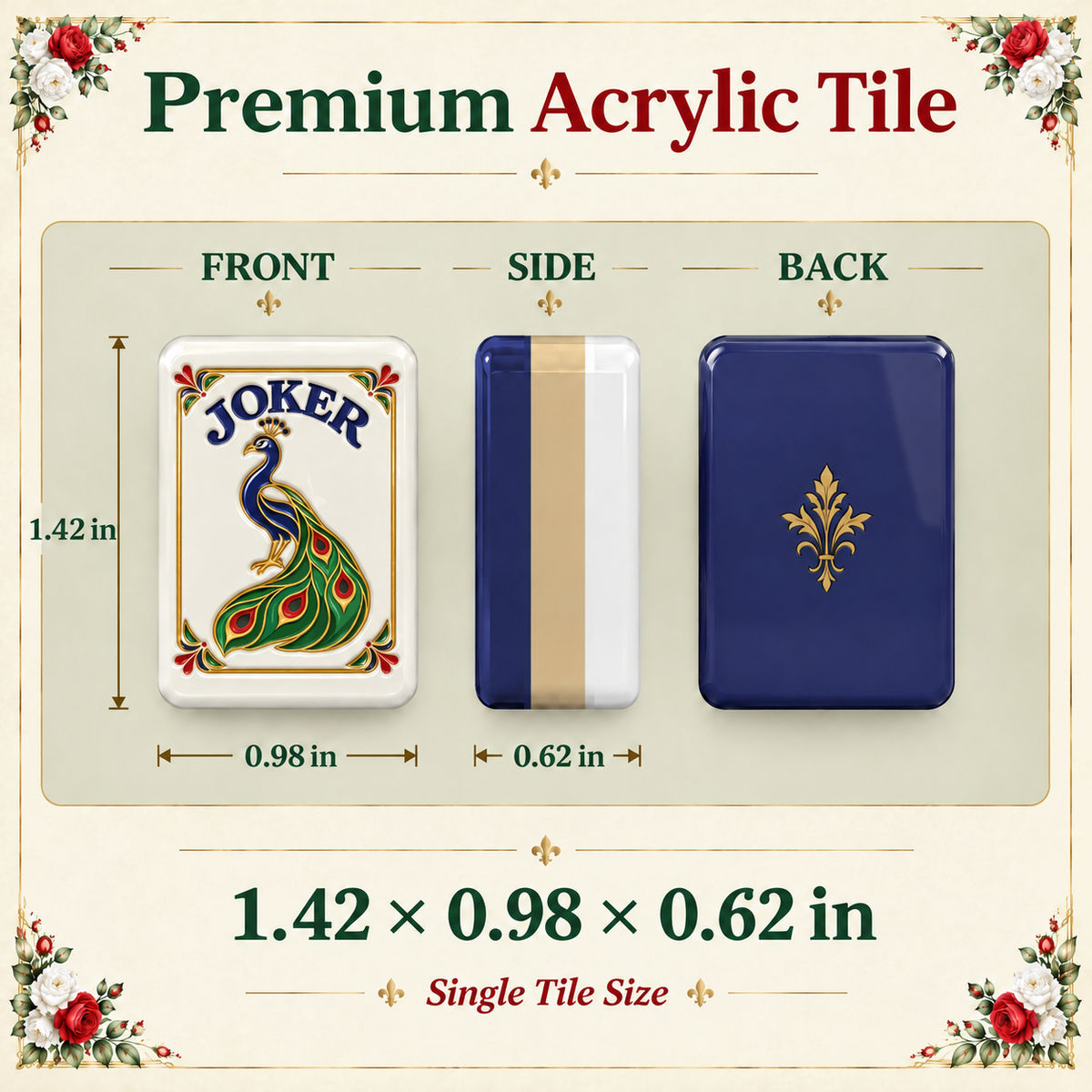
A mahjong retreat in Pennsylvania typically spans a weekend or full week, bringing together players of all levels for intensive American mahjong play. Most happen at rented cabins, resort conference rooms, or community spaces near Pittsburgh, Philadelphia, or the Pocono Mountains. The format usually includes morning rule seminars for beginners, afternoon and evening tournaments or casual games, and shared meals. Retreats accommodate anywhere from 8 to 40 players; smaller ones need 2 sets of tiles (152 tiles each), while larger groups rent or bring multiple best-selling mahjong sets. Cost depends on lodging, but the mahjong component itself is modest—you need one engraved set per table of four and protective gear like mats and racks. Search local synagogue networks, Meetup boards, and community centers in your region to find existing retreats; if none exist, start small with a 4-player weekend at a cabin and scale up.
🀄 Shop best-selling mahjong sets →
Where do Pennsylvania mahjong retreats actually happen?
Most retreats cluster around three zones: the Philadelphia suburbs (Chester and Delaware counties have strong Jewish community infrastructure), the Pittsburgh area (with active Hadassah and synagogue networks), and the Pocono Mountains (accessible from both metros and a popular group-rental destination). Look for venues through local synagogues' social committees, Jewish community centers, senior centers, and public library bulletin boards—many host or know of recurring retreats. Smaller retreats rent private cabins via vacation sites and self-organize; larger ones book conference wings at resorts in the Poconos or the Laurel Highlands. Cost per person typically includes lodging split among 12–24 players, so individual expense stays reasonable. A key tip: book venues 6–12 months ahead if you want a specific location or season—fall and spring are peak times, and good cabins fill fast.

How long should your first retreat be, and who should attend?
Q: How long? Start with 2–3 days if this is your first. Longer retreats (4–5 days) work better once a core group plays together regularly.
Q: Who fits? Beginner players need structured teaching time; intermediate and advanced players want tournament play or high-stakes games. The best mix is 60% experienced players and 40% newcomers—the group stays engaged and beginners learn by osmosis. Mix genders, age ranges, and player backgrounds; retreats thrive on social bonding, not just competitive tiles.
Q: What's the daily schedule? A typical day opens with breakfast and a rules clinic (8 am–10 am), followed by two 2-hour games (10 am–2 pm), lunch, two more games (3 pm–7 pm), dinner, and evening social play (8 pm–11 pm). Flexible groups break between games for rest and conversation.
Q: Can you run a retreat if most players are rusty? Yes, but allow extra teaching time and avoid complex hands the first day. Have the National Mah Jongg League card printed and available at every table—players refresh faster with visuals.
What gear do you actually need for a multi-table retreat?
You need far less than you might think. Here's a retreat packing checklist for 12 players (3 tables):
Item | Quantity | Why it matters |
Mahjong sets (152-tile) | 3 | One per table; American game uses exactly 152 tiles. |
Mats | 3 | Protects surfaces, speeds setup, defines play zone. |
Racks with pushers | 12 | Reduces fatigue; one per player. |
Spare jokers & tiles | 1 small bag | Tiles wear; extras save game interruptions. |
Score sheets & pencils | Per table | Manual scoring, or use an app. |
National Mah Jongg League card (printed) | 3 copies | Each table gets one; laminate for durability. |
Dice (two pairs per table) | 6 | Determines seating and first hand. |
The physical setup takes 30 minutes for experienced players. Venue should offer tables 36–48 inches square (one per table) and chairs with back support—mahjong sitting posture matters over 8+ hours. A retreat with 24 players needs 6 sets, 6 mats, and 24 racks. We recommend mahjong racks with pushers over individual tile holders because they stack easily, pack into luggage, and reduce hand strain during long play days. If multiple players bring personal sets, agree beforehand on a common set to use—mixing vintage and new tiles at the same table creates distraction and shuffling delays.
🎁 See our most-loved mahjong sets & accessories →
How do you structure games if player skill levels vary widely?
Retreats with mixed skill need a deliberate structure. On day one, divide tables by experience: beginners at one table (with a rules mentor), intermediate at another, advanced at a third. This keeps pace steady and prevents frustration. By day two, if confidence rises, shuffle players. Announce the hand rule before each game—for example, "today we play hands from sections 1–3 of the card only" for beginners, or "tournament hands, no wildcards" for advanced players. This level-sets without feeling insulting.
A subtle win: have one experienced player rotate through each table every 90 minutes, like a teaching aid. They keep newcomers calm, clarify rules without slowing play, and share strategy tips. Bring printed score sheets and use a shared spreadsheet or app to track standings—transparent scoring keeps energy high even when skill gaps exist.

What's the honest cost breakdown, and how do you fund it?
Lodging: The biggest cost. A cabin sleeping 12–16 runs roughly per night based on location (Poconos vs. remote suburbs), so per-person lodging splits to a manageable fraction. Larger groups negotiate better rates.
Mahjong supplies: If you own sets already, zero. If you rent or buy new ones, see current price on the best-selling collection—engraved sets last decades, so first-time cost amortizes over many retreats. Mats, racks, and bags are one-time investments.
Food: Typically shared potluck-style or catered simply (breakfast included, participants cook or order lunch/dinner). Budget varies wildly.
Funding model for a new retreat: Charge a flat per-person retreat fee that rolls lodging, mahjong gear amortization, and shared meals into one number. Players feel it's fair and transparent. For ongoing retreats, hold fees steady by recruiting new players each year—growth covers wear on tiles and mats.
✨ Find your Mahstead set — free US shipping →
How do you find existing retreats, and what if you can't find one?
Finding existing retreats:
Contact the social or mahjong committee at your local synagogue or Jewish community center.
Search Meetup.com for "mahjong Pennsylvania" and filter by "recurring events" and "away trips."
Ask your weekly game group if anyone has attended a retreat—word-of-mouth is the fastest channel.
Check Facebook groups for "Mahjong in Pennsylvania" or city-specific groups.
If no retreat exists in your area, start one:
Recruit: Invite your regular weekly game group (8–12 players). Post on local Meetup boards and community center bulletin boards. Aim for 12–16 attendees minimum to split costs fairly.
Pick a date & venue: Check cabin-rental sites for availability 6–9 months ahead. Weekends in May, September, or October are ideal—weather is mild, rates are moderate, and holidays don't compete.
Plan a basic schedule: 2–3 days, 6–8 hours of play daily, shared meals, and one beginner-focused rules session.
Assign roles: One person handles lodging, one coordinates food, one manages the game schedule. Shared responsibility scales easier than solo organizing.
Gather gear: If your group owns engraved mahjong sets and racks, use them. If not, rent or buy one set per table. Include a protective mat for each table—it saves surfaces and speeds setup.
Communicate clearly: Send participants a packing list, schedule, house rules, and skill-level survey at least a month ahead. This reduces day-one confusion.
Start small—a 3-table, 12-player, 2-day retreat in a rented cabin is entirely manageable and costs less than you'd expect. Success at that scale makes year-two growth and larger retreats possible.
What should you check before the retreat to avoid common breakdowns?
Before arrival:
Confirm the venue has enough table space (36+ inches per table, one per four players) and that tables are level.
Test all sets at home—make sure no tiles are cracked or missing, jokers are clearly marked, and the bag zips smoothly. Have one backup set shipped to your home address a week early.
Print the current-year National Mah Jongg League card and laminate or sleeve copies; one per table.
Charge all phones and bring a power strip for shared device charging.
First morning on-site:
Count tiles aloud as you open each set—many new players have never seen a complete 152-tile American set. This doubles as a teaching moment.
Set up one demo table before other players arrive so you can reset and play a practice hand.
Have someone appointed as "rules keeper"—give them the card and a quiet corner if disputes arise.
During play:
Remind players to use racks and mats; rough handling on bare tables accelerates tile wear.
Keep a small container of spare tiles and jokers accessible but not visible during play.
Change players or tables every 2–3 hours to prevent fatigue and keep energy high.
#

FAQ
Do I need a National Mah Jongg League license to run a retreat?
No, retreats are private social gatherings. The League card is required only for sanctioned tournament play. You can run a retreat using the current-year card without League affiliation or fees.
Can I mix American mahjong and other variants (Chinese, Hong Kong, Riichi) at the same retreat?
Not at the same table—rule sets conflict fundamentally. You can run parallel sessions if you have players interested in multiple variants, but each table plays one rule system only.
What's the maximum comfortable number of players at one retreat?
Around 24–28 (6–7 tables) before logistics overwhelm volunteers. Beyond that, you need professional event coordination and catering. Start with 12–16 to keep things manageable and fun.
If players bring their own sets from different manufacturers, will mixing them cause problems?
Yes. Tiles from different makers vary subtly in size, weight, and symbol clarity. Agree on one set brand and one backup before day one. If players insist on bringing personal sets, use one per table and keep them unmixed.
How do you handle a player who gets frustrated or aggressive during tournament play?
Pair them with a calm, experienced player at the next table and take a break. Mahjong is social—if someone's energy sours the group, gently redirect them toward lighter games or a walk. A retreat should energize, not stress.
Can a retreat run successfully with only 8 players (one table)?
Yes, but four players at a time leaves the other four idle. Best practice: rotate two or three games so everyone plays continuously, or add non-mahjong activities (meals, card games, conversation) so downtime feels social rather than wasted.


View More
View More
View More
