
What to Look for in a Mahjong Table Cover
Last updated: Nov 23, 2026
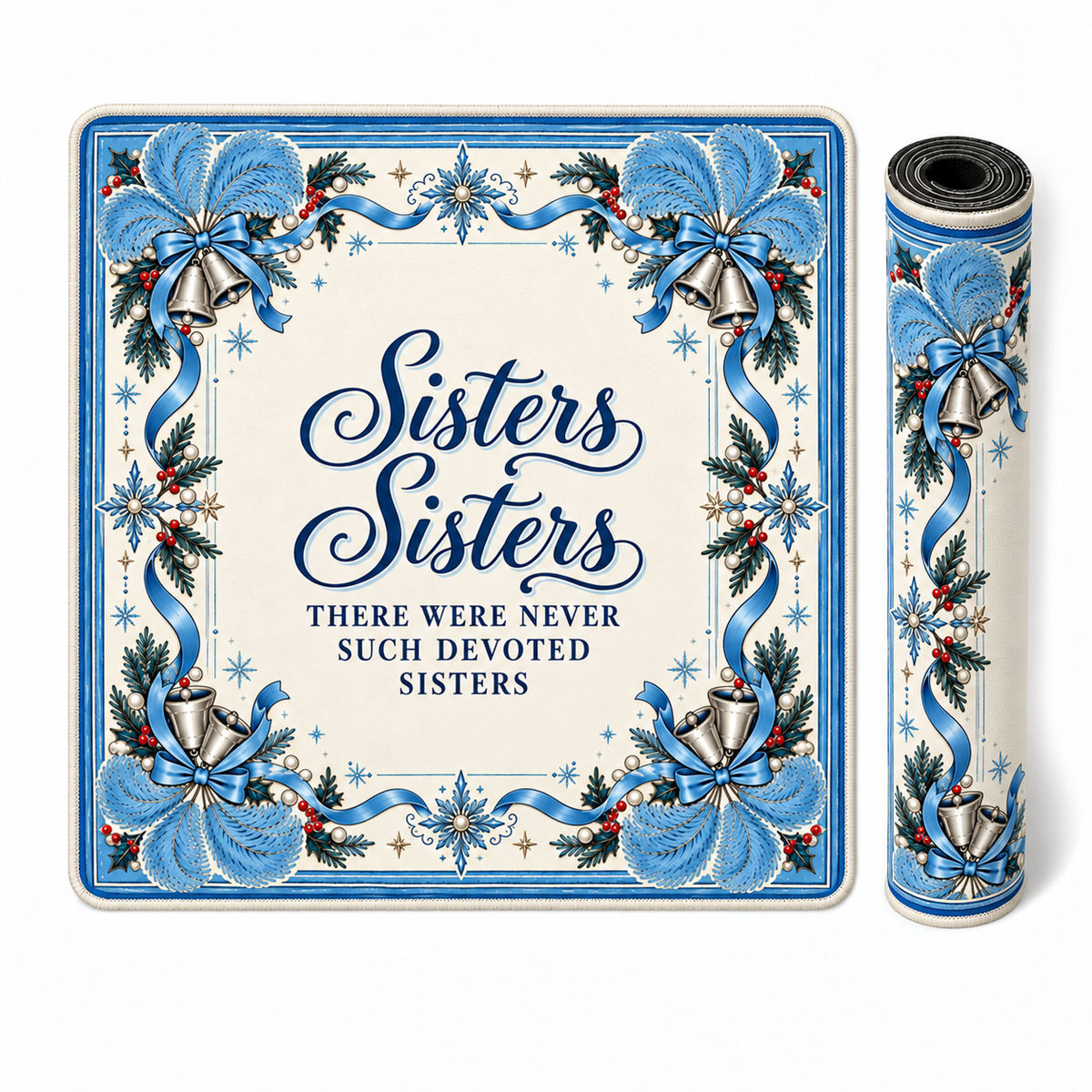
A mahjong table cover is a protective fabric layer that sits on your table during play, defining the game boundary and protecting furniture from tile marks, moisture, and wear. Unlike a mat that travels with your set, a cover stays put on a dedicated table—most players use one for home games or club spaces where the table is permanent. A good cover measures at least 36" × 36" for a standard four-player setup, though larger tables need 48" or bigger. Quality covers feature a non-slip base (so tiles don't skate), easy-care material like microfiber or felt, and edges that either fold under or have binding to prevent fraying. At Mahstead, we stock covers in solid colors, custom engravings, and designs from practical to playful. Before ordering, measure your table, check whether you want a fitted underside or loose drape, and confirm the vendor ships completed: covers arrive rolled or folded, rarely pre-installed.
How does a table cover differ from a mat or tablecloth?
A table cover stays on one dedicated surface and anchors your game space. A mat is portable, travels with your set, and rolls into a bag for play anywhere—at a friend's house, a club, or outdoors. A standard tablecloth protects the furniture but doesn't define tile zones or grip tiles. A mahjong cover combines both: it protects the table, provides enough grip that tiles don't slip during draws or discards, and creates a bounded play area. Many serious players use both—a cover at home, a portable mat when traveling. If you host weekly games on one table, a cover is your play. If you move between locations, prioritize a mat instead.
🀄 Shop best-selling mahjong sets →
What size and shape should your cover be?
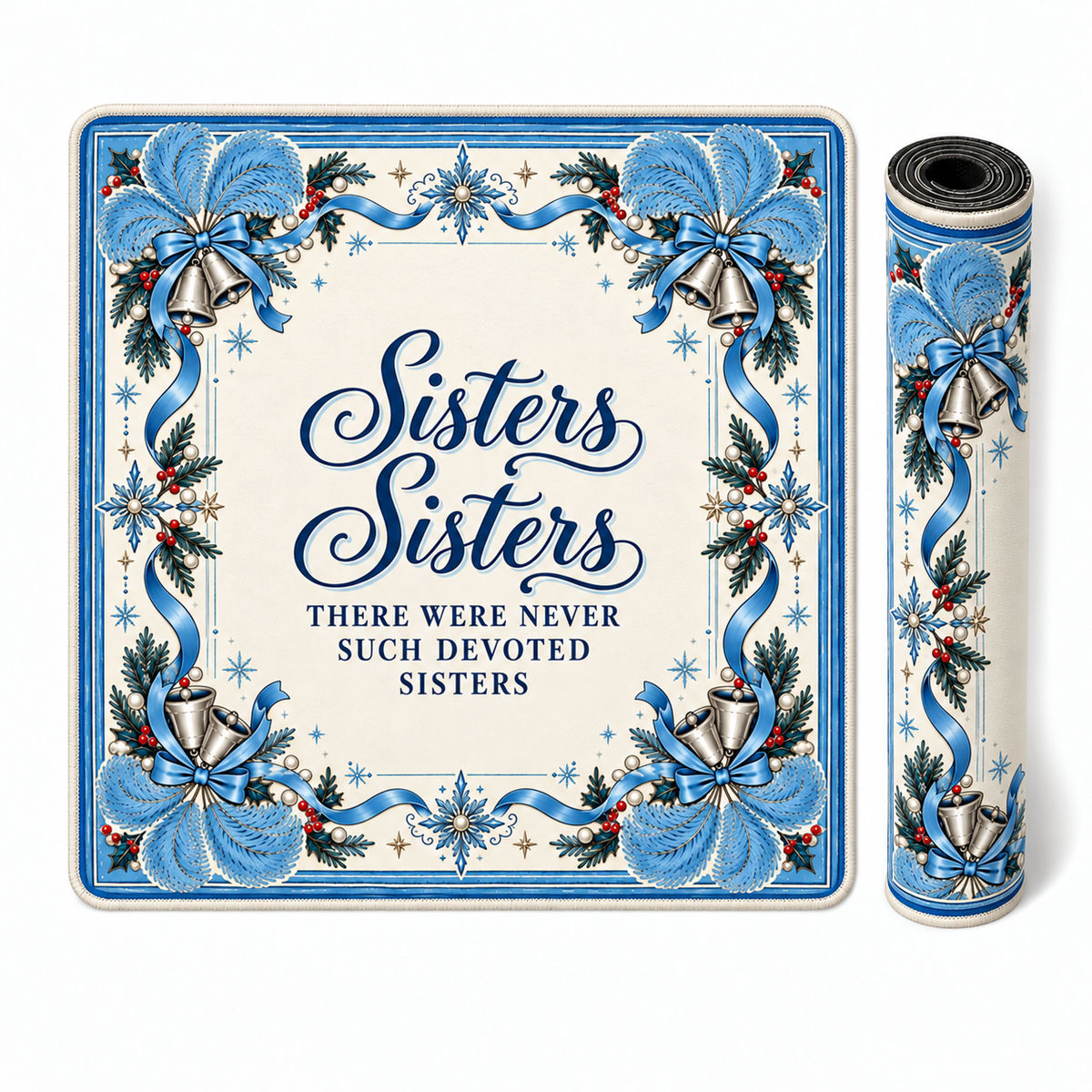
Measure your table length and width, then add 4–6 inches for overhang on each side so the cover anchors firmly under the table edge. A standard rectangular dining table (36" × 60") needs a cover at least 44" × 68" to cover play space plus underhang. For a square card table (36" × 36"), a 44" × 44" cover works; for larger club tables (48" × 48" or bigger), go 54" × 54" or custom. Most home players work with rectangular tables and buy covers that span at least the central play zone (typically 36" × 36" for four players sitting around the perimeter). If your table has a lip or raised edge, measure from the inside of the lip. Square covers suit square tables; rectangular covers suit dining or folding tables. Order with an inch or two of excess rather than cutting it close—overhang tightens the cover and prevents it slipping during aggressive tile draws. Measure twice; covers cannot shrink or be hemmed easily after arrival.
What materials grip tiles best without wearing them?
We've tested three main materials in weekly games: microfiber (synthetic, stain-resistant, quick-dry), felt (traditional, plush, gentler on tiles, needs occasional lint rolling), and neoprene (rubber-backed, ultra-grip, thicker). Microfiber suits busy households—spills wipe clean in seconds, and it resists fading. Felt has the classic mahjong feel and adds cushion, but picks up dust and crumbs; brush or vacuum it weekly. Neoprene grips like a dream but adds bulk and can feel industrial. The key: avoid glossy or slick surfaces; they cause tiles to slide during wall draws or hand-picking, slowing play and frustrating players. A non-slip base (rubber or dotted backing) prevents the entire cover from creeping across the table. If you play aggressively—fast discards, lots of draws—microfiber or a thin neoprene layer underneath felt works best. For casual, slow-paced games, felt alone is fine.
Material | Best for | Grip | Care | Durability |
Microfiber | Busy homes, spill-prone | Good | Wipe clean, machine wash | 3–5 years |
Felt | Classic players, low traffic | Excellent | Vacuum, brush | 4–6 years |
Neoprene | High-grip needs, clubs | Excellent | Wipe, air dry | 5–7 years |
Cotton blend | Budget, casual | Fair | Machine wash | 2–4 years |
How do edge treatments and binding affect durability?
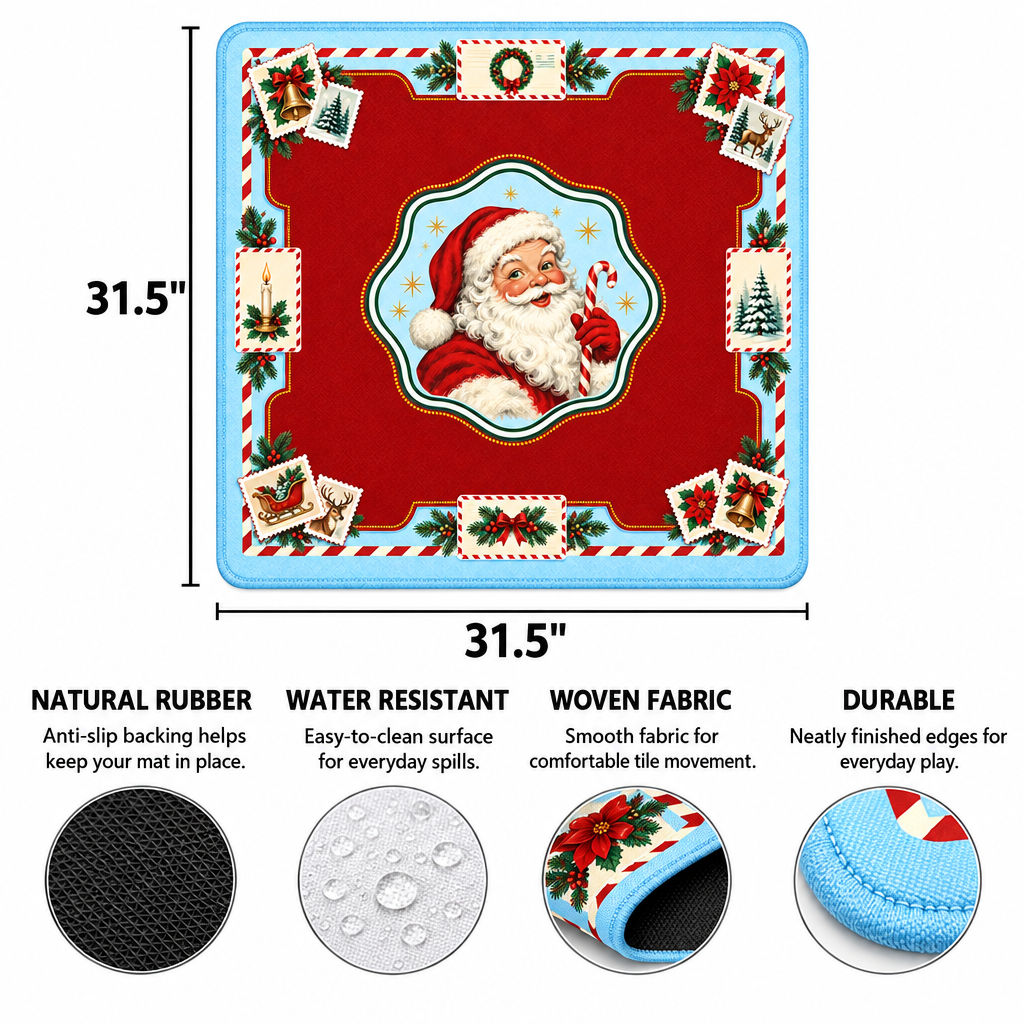
Raw edges fray and unravel within weeks of regular play, especially if players rest hands or lean on the perimeter. Bound edges (fabric tape sewn along all sides) last longer and look finished. Folded and stitched edges cost more but won't separate. Hemmed edges are fine if the stitching is tight; loose hems catch on tiles. If your cover has grommets or loops on corners, they anchor under the table, prevent shifting, and make removal for washing easier. Check binding on all four sides before buying; a cover with three sides bound and one raw edge signals corners-cut manufacturing. Mahstead's mahjong mats collection includes covers with reinforced edges, ideal for weekly game groups. For a cover you'll use 2–3 times weekly, invest in bound edges; for occasional use, standard stitching is acceptable.
Should you buy a plain, custom-engraved, or novelty design?
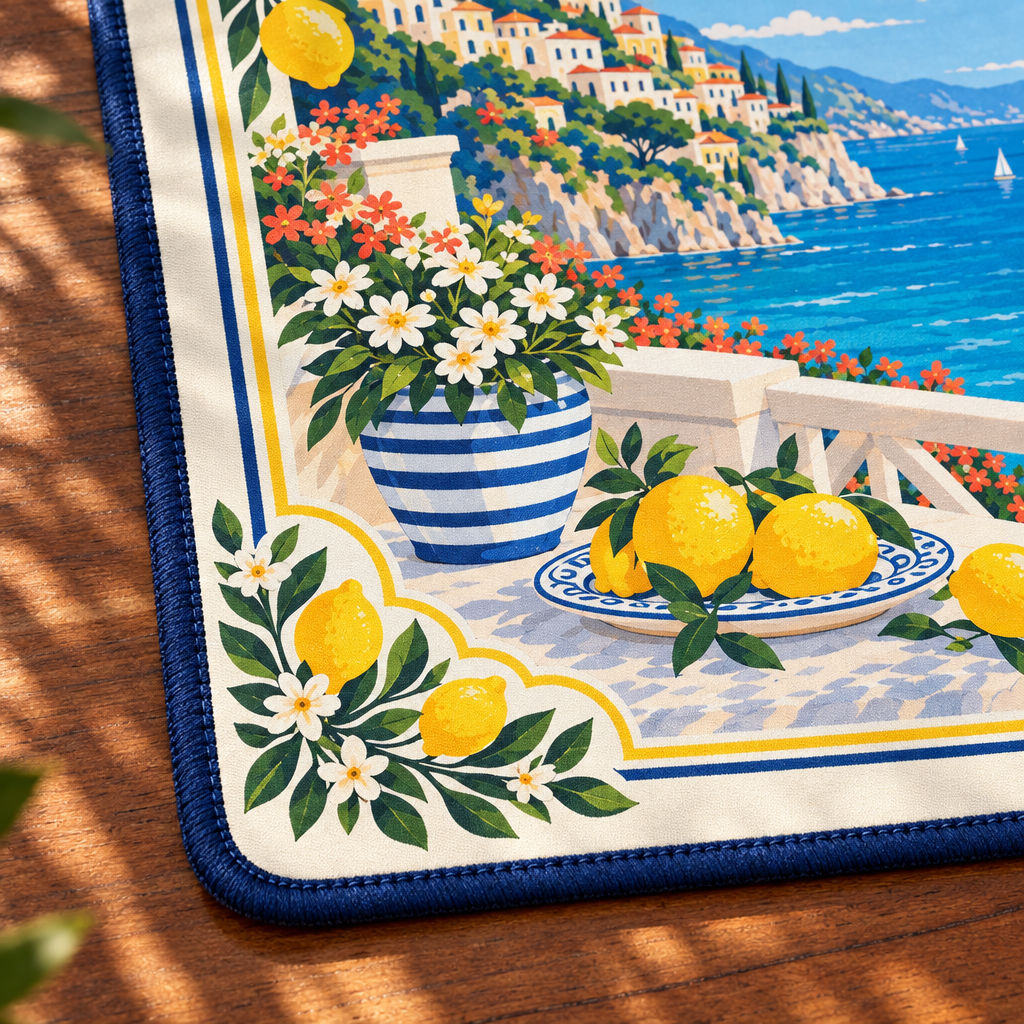
Plain covers (solid colors like green, burgundy, or black) suit any décor and are easiest to clean and store. Custom-engraved covers let you add a family name, year, or group slogan—they're conversation starters and make a great host gift. Novelty designs (jokes, seasonal themes, specific artwork) work if your game group has a shared sense of humor; they can feel dated quickly. Solid colors stay timeless and versatile. If you rotate hosting or play in multiple locations, plain is smarter. If your table is a fixture in your home and you play the same group weekly, custom engraving adds character and pride of ownership. Our best-selling collection includes both classic and playful designs; check the styling before committing to a novelty. Remember: you'll see this cover at every game, so pick something you won't tire of in a year.
🎁 See our most-loved mahjong sets & accessories →
What to check before you buy
Measure your table precisely. Add 4–6 inches of overhang per side; a too-small cover slides during play and defeats its purpose.
Confirm material grip. Ask whether the backing is non-slip rubber or dotted; glossy surfaces lose tiles.
Inspect photos for binding. All four edges should show sewn seams, not raw fraying.
Verify color and printing. If custom-engraved, request a mockup so engraving placement and font match your vision.
Check return policy. Covers rarely fit perfectly sight-unseen; confirm you can return or exchange if sizing is off.
Ask about washing instructions. Microfiber tolerates machine wash; felt and neoprene may require hand care.
Ensure corners are anchored. Grommets, loops, or elastic corners prevent the cover from bunching during play.
Consider your table life. If you'll keep the table five years or more, a durable, bound-edge cover pays off; for a temporary setup, basic stitching suffices.
✨ Find your Mahstead set — free US shipping →
FAQ
Can I use a regular tablecloth as a mahjong cover?
A standard tablecloth lacks the non-slip grip tiles need and won't define a clear play zone. Tiles slide during draws, slowing play and frustrating players. A dedicated mahjong cover has a gripper base and the right thickness to keep tiles steady.
How do I clean and store a mahjong table cover?
Microfiber covers wipe clean with a damp cloth and machine wash on gentle. Felt covers should be vacuumed or soft-brushed and spot-cleaned; avoid the washer. Neoprene wipes and air-dries. Store rolled (not folded) in a dry space to avoid creases and mildew. Fold it only if you have limited room.
What's the typical lifespan of a mahjong table cover?
With weekly play and proper care, a quality cover lasts 3–7 years depending on material and traffic. Bound-edge microfiber or felt covers outlast raw-edge cotton. High-traffic club tables may need replacement sooner; light home use extends the life.
Can I get a custom-engraved cover with my group's name?
Yes. Many vendors, including Mahstead, offer engraving on mahjong covers. Provide your text, font preference, and placement. Request a mockup before production so you approve the design. Turnaround is typically 1–2 weeks.
Do I need a cover if I already have a portable mat?
A cover and mat serve different purposes. A mat is for travel; a cover protects a permanent home or club table and defines your steady play space. Many serious players use both. If you host weekly games on one table, a cover is worth it.


View More
View More
View More
