
Is Mahjong Similar to Rummikub? Key Differences Explained
Last updated: Nov 23, 2026
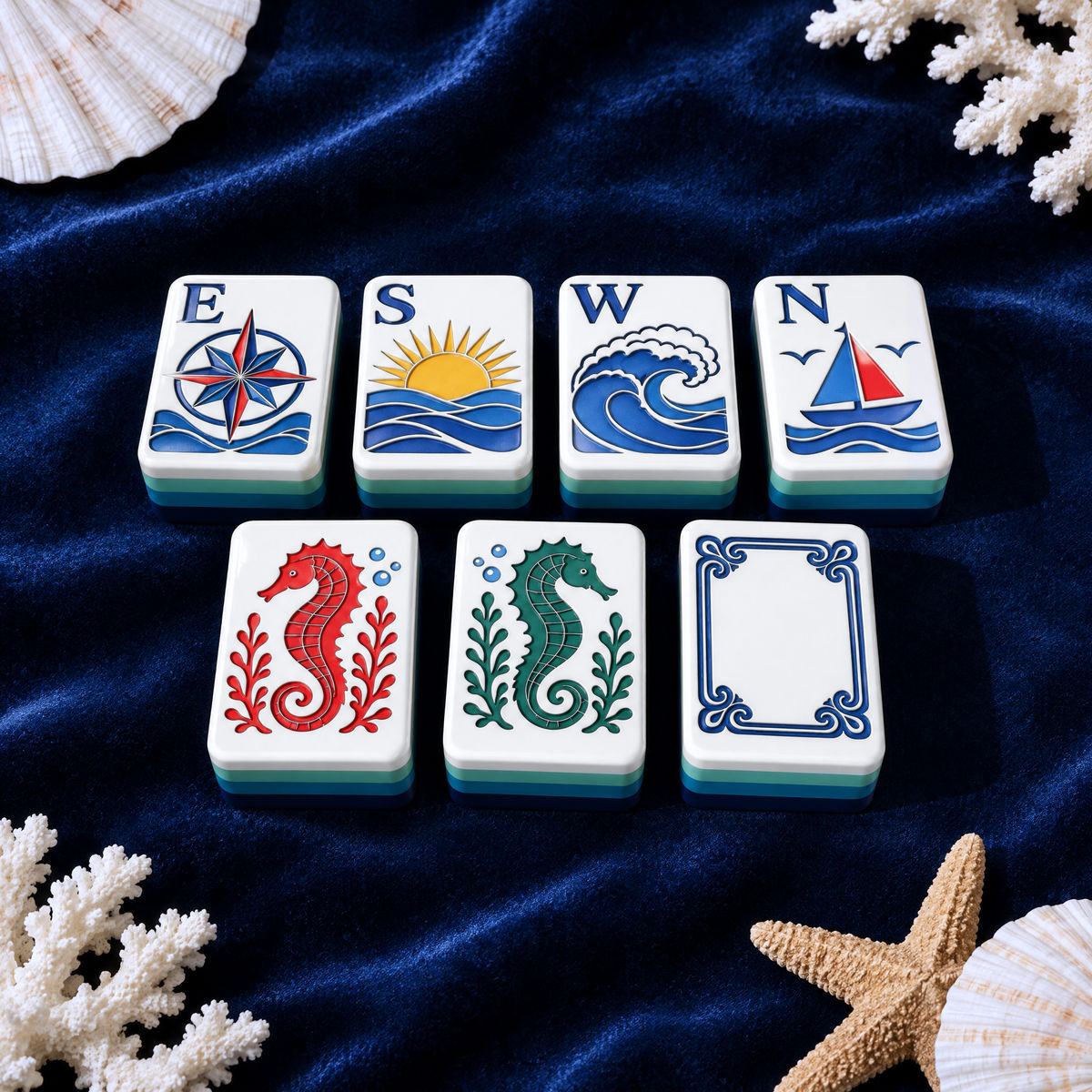
Mahjong and Rummikub look similar on the surface—both use numbered tiles, require matching, and involve strategic hand management—but they play like entirely different games. Rummikub is rummy on tiles: you draw one, discard one each turn, and build sequences (1-2-3) and sets (three or four of a kind) on the table. American mahjong uses 152 tiles, follows a single annual card of 88 fixed hand patterns, and forbids sequences altogether—you match only identical tiles in groups of three, four, five, or six, never consecutive numbers. Mahjong turns on the Charleston (tile-passing ritual) before play, tile stealing via calling, and the hunt for one specific winning hand per game; Rummikub is continuous replay of the same winning condition. Mahjong has eight seasons and dragons; Rummikub has none. If you love puzzle-solving within rigid rules, mahjong's annual card is your depth. If you prefer open-ended tile play, Rummikub rewards speed and flexibility. From a best-selling mahjong set to a home set, American mahjong is played identically coast to coast and changes completely every spring when the League releases a new card.
Are the Tiles and Hand Sizes the Same?
No. Rummikub uses 104 tiles (two decks of 1–13 in four colors, plus two jokers); American mahjong uses 152 tiles—three numbered suits (Bams, Craks, Dots, 1–9, four copies each), 16 winds, 12 dragons, eight flowers, and eight jokers. In Rummikub, your hand is open and usually 14 tiles; in American mahjong, your hand is 13 tiles at the start, drawn one at a time, and every tile's position matters—it must match the card layout exactly. Rummikub lets you rearrange tiles freely on the table; mahjong locks exposed groups (pungs, kongs) once claimed. This fundamental difference—sealed hand vs. open rearrangement—changes the entire psychology of play.

Can You Play Sequences in Mahjong the Way You Do in Rummikub?
Absolutely not—this is the single biggest rule shock for Rummikub players switching to American mahjong. Rummikub thrives on sequences: 1-2-3, 7-8-9, Jack-Queen-King in any color. American mahjong has zero sequences. You win only by matching the pattern from the current year's National Mah Jongg League card, which dictates which tiles must sit together. A winning hand might call for three 5 Dots + three 7 Craks + five 1 Bams, for example—never "three consecutive Dots" in any form. How to read the mahjong card teaches the notation; the card changes every spring, so the game renews yearly. Rummikub players often spend the first game fishing for runs; mahjong players hunt a single locked pattern, which flips strategy from "which run shall I build?" to "which hand from the card can I complete fastest?"
🀄 Shop best-selling mahjong sets →
How Do Winning Hands Work Differently?
Rummikub declares victory when your entire hand is laid on the table in valid runs and sets; you can be down to your last tile. American mahjong requires one of 88 hands (from the current card) to be completed and declared—but you must also draw a tile on your turn of winning. This means your 14th tile must complete the exact pattern printed on the card, and no other combination wins, even if you've matched three other hands on the board. Rummikub is about clearing your hand; mahjong is about precision timing and board reading. In Rummikub, you can "go out" passively by playing someone else's tiles onto the table. In American mahjong, you must call a win (by claiming a discarded tile) or self-draw (via the wall). The card also updates every year, so the 88 hands you study this spring are gone next season—a design that keeps the game fresh but demands yearly learning. Rummikub's winning conditions are stable forever, which appeals to casual replay; mahjong's annual refresh hooks serious players who relish mastery and novelty.

What About Drawing, Discarding, and Turn Structure?
Rummikub: draw one tile, play tiles (optional), discard one tile to end your turn. Simple, linear, repeats every hand. American mahjong: one player starts as East; the Charleston (mandatory tile-swap ritual) happens before play; then East draws from the wall and discards. On your turn, you draw, then you can call a discard from another player (if it completes a pung, kong, or your winning hand), or you discard and pass. The pivot is the call—Rummikub has no equivalent. If someone discards a tile you need, you can steal it mid-game and expose your group immediately, collapsing the wall and reshuffling everyone's strategy. Rummikub remains turn-sequential and predictable; mahjong erupts into chaos the instant someone calls. This unpredictability is why mahjong players love the game's tension and why Rummikub feels methodical by comparison. The Charleston explained covers that ritual; understanding it is non-negotiable for a first game.
Feature | American Mahjong | Rummikub |
Tiles per set | 152 (+ spares) | 104 |
Hand size | 13 (plus draw) | 14 |
Sequences allowed? | No—never | Yes—central strategy |
Winning patterns | 88 fixed hands per year | One pattern: all tiles off hand |
Tile stealing | Yes (calling)—disrupts turn order | No |
Annual refresh | League card changes each spring | Stable, never changes |
Setup ritual | Charleston (mandatory tile-swap) | Deal, no ritual |
Skill ceiling | High (card memory, timing, reads) | Medium (speed, planning) |
🎁 See our most-loved mahjong sets & accessories →
Which Game Should You Play: A Decision Framework
Play Rummikub if: you want to host casual drop-in games (no prep, rules stable), play the same game forever, enjoy open-ended strategy, and prefer playing multiple rounds back-to-back. Rummikub is pick-up-and-play and rewards adaptability. Play American mahjong if: you're willing to learn 88 patterns once per year, love structure and precision, enjoy a ritual before each game (the Charleston), relish the psychological edge of calling and disruption, and want a game that feels genuinely different every spring. Mahjong players often host weekly standing games; Rummikub works for casual family gatherings. If you're drawn to American mahjong, start with mahjong for beginners to understand the full scope, then invest in a best-selling mahjong set and the current year's National Mah Jongg League card (purchase separately from vendors; not included in sets). A quality acrylic set lasts decades and survives weekly play, unlike paper-tile sets that fray. Many players also add a mat with the card printed on it for convenience during learning.
What to Check Before You Buy
Rule complexity: Mahjong has more moving parts (Charleston, calling, joker placement, tile-specific winds/dragons). Rummikub is simpler to teach to newcomers. Spend a test round reading the mahjong card before committing.
Tile durability: Both games require frequent handling. Acrylic tiles (standard in quality mahjong sets) survive years of weekly play; bamboo or bone tiles are beautiful but chip. Rummikub tiles are usually plastic and less prone to breakage.
Set completeness: American mahjong sets are standardized at 152 tiles (plus spares) by rule. Rummikub sets vary—check tile count before purchase.
Annual learning curve: Mahjong's card changes every spring. If you hate memorizing, Rummikub's eternal rules may suit you better.
Group preference: Mahjong thrives in standing weekly groups; Rummikub works for one-off family nights. Ask your potential players which appeals more before investing.
✨ Find your Mahstead set — free US shipping →

FAQ
Can I play American mahjong if I already know Rummikub?
Yes, but unlearn sequences first. Mahjong forbids runs entirely—you match only identical tiles (three of the same number/suit). The Charleston and calling system are also new mechanics. Most Rummikub players take 2–3 games to stop fishing for 1-2-3 patterns and adapt to the card.
Is mahjong harder than Rummikub?
Mahjong has a steeper learning curve due to the annual card and calling rules, but both demand strategic thinking. Rummikub is faster to teach; mahjong rewards deeper study. Neither is "harder"—they're different puzzle types.
How often does the mahjong card change?
Every spring, the National Mah Jongg League releases a new card with 88 new hands. Rummikub's rules never change, so the game stays consistent year to year. This is why mahjong players say the game is "new every year."
Do I need a special mat or rack to play mahjong like I would for Rummikub?
No—mahjong is playable on any flat surface, but a mat protects tiles and many include a printed card for reference. Rummikub also benefits from a mat. Racks with pushers help mahjong players organize their 13-tile hand and are optional but beloved by weekly players.
Which game is better for beginners?
Rummikub is easier to teach in 10 minutes. Mahjong takes a full practice game. If your group likes learning-curve challenges and weekly commitment, mahjong wins. If you want instant play, Rummikub is friendlier.
Can I play American mahjong with fewer than four players?
Yes—2 and 3 player mahjong rules exist and are playable. Rummikub also adapts to 2–6 players easily. Both games scale, though both are designed for four.


View More
View More
View More
