
Personalized Mahjong Starter Kit: What to Buy First
Last updated: Nov 23, 2026
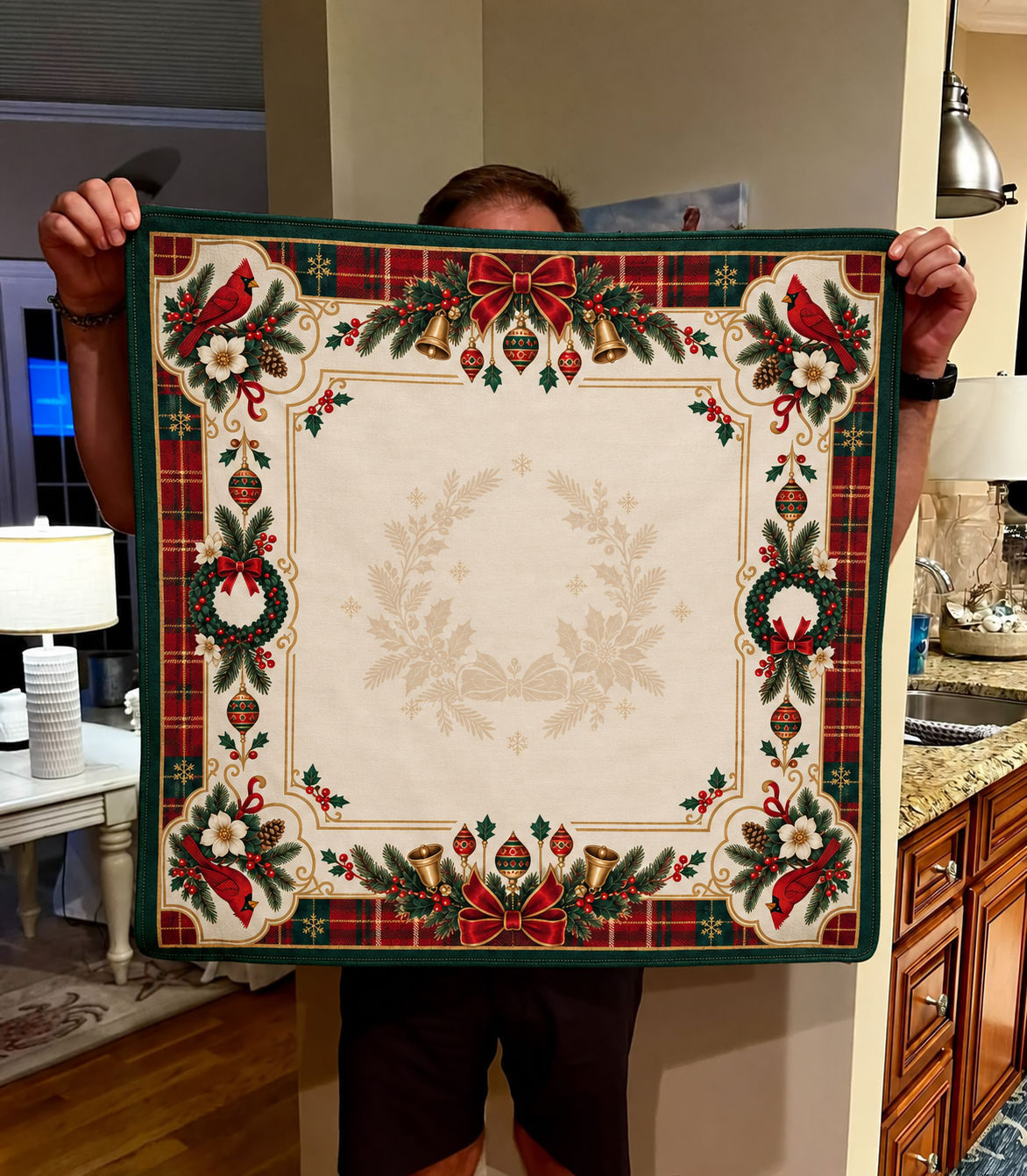
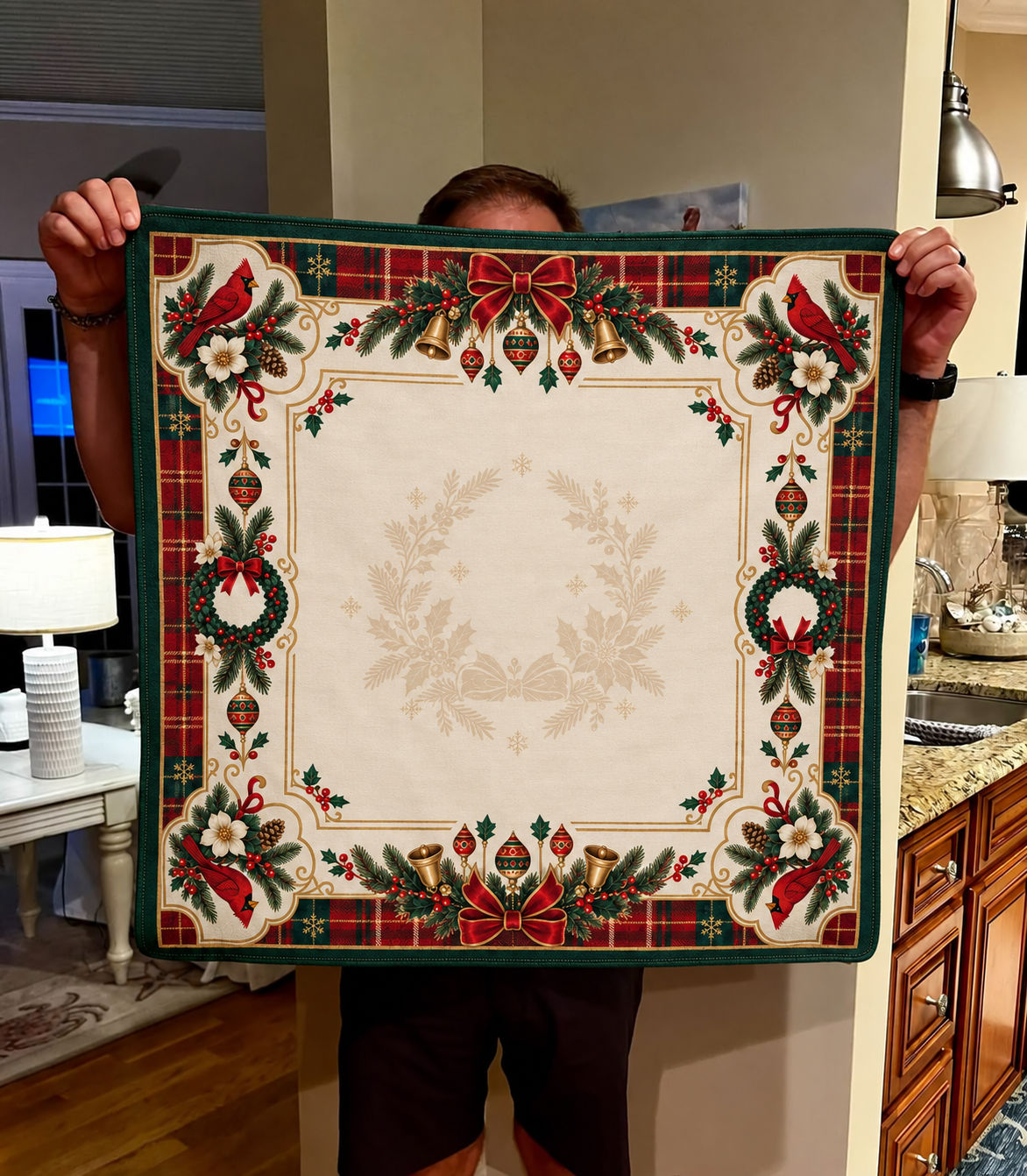
A personalized mahjong starter kit bundles a 160-tile American mahjong set with accessories tailored to your play style—typically a mat, rack with pushers, and a travel bag. You can buy pre-matched kits or compose your own from best-selling collections. A complete starter kit runs from entry-level to premium depending on whether you want an engraved, themed, or standard acrylic set. Avoid kits missing a mat (tile control suffers) or those with cheap bags that don't protect tiles during storage. Mahstead's 160-tile sets include spare tiles for long play; pair yours with a felt or rubber mat sized for your table and a rack that stabilizes your hand without sliding. Most home players need one kit per person; clubs often share and rotate sets seasonally.
Why Does a Beginner Need More Than Just Tiles?
A set alone doesn't work. Tiles slide across bare wood; your hand collapses without a rack; a bag without padding cracks acrylic corners during transport. We learned this the hard way—our first set lived in a shoebox and lost three tiles to a dropped edge. A mat anchors the layout so the dealer can manage discards without tiles tumbling. Racks prevent hand fatigue and keep your concealed tiles hidden from side players. A padded case ensures your set survives weekly games for years. Compare mat styles and rack options before building your kit; a complete setup costs less than buying replacements separately.
What's Actually Inside a 160-Tile Starter Set?
American mahjong uses exactly 152 playing tiles: three suits (Bams, Craks, Dots) numbered 1–9 with four copies each (108 total), plus 16 wind tiles (four each: North, East, West, South), 12 dragon tiles (four Red, four Green, four White), 8 flower tiles, and 8 jokers. A Mahstead 160-tile set includes those 152 tiles plus 8 spare tiles—extra jokers and blanks—so you replace lost or damaged pieces without buying a new set. The spares never enter play; they sit in a small pouch inside your bag. Acrylic tiles are durable and don't absorb moisture like bamboo or bone, making them ideal for weekly home games and climate-controlled clubs. Each tile weighs consistently, so shuffles are fair. Standard acrylic tiles measure roughly the width of a playing card and stack safely in a case.
🀄 Shop best-selling mahjong sets →
How Do You Choose Between Standard, Engraved & Themed Kits?
Kit Type | Who It's For | Design Options | Best For |
Standard acrylic | Learners, casual weekly players | Classic symbols, solid colors | Testing the game before investing |
Groups, families, corporate gifts | Names, initials, family year, club name | Tracking ownership, marking milestones | |
Holiday gifters, collectors | Holly, red & green, festive accents | December deliveries, themed parties | |
Art or novelty | Experienced players, décor lovers | Hand-painted, humor, custom artwork | Showcase sets that live on a shelf |
Engraved sets cost more upfront but eliminate confusion when you host multiple games or gifts go to clubs. Themed sets (holiday, cultural) work beautifully if your group gathers seasonally or you're celebrating a specific event. Standard acrylic is most forgiving for beginners—no regret if a tile cracks. Check our complete collection to see current styles and availability.
What Mat, Rack & Bag Combination Works Best?
A mat anchors play and protects your table. Felt mats grip tiles and muffle noise; rubber mats are quieter but sometimes stick to tiles in humidity. Most home games use felt, 36–40 inches square—wide enough for four hands plus the wall, narrow enough to fit a dining table. Learn how to choose the right mat before buying; wrong size frustrates setup every session.
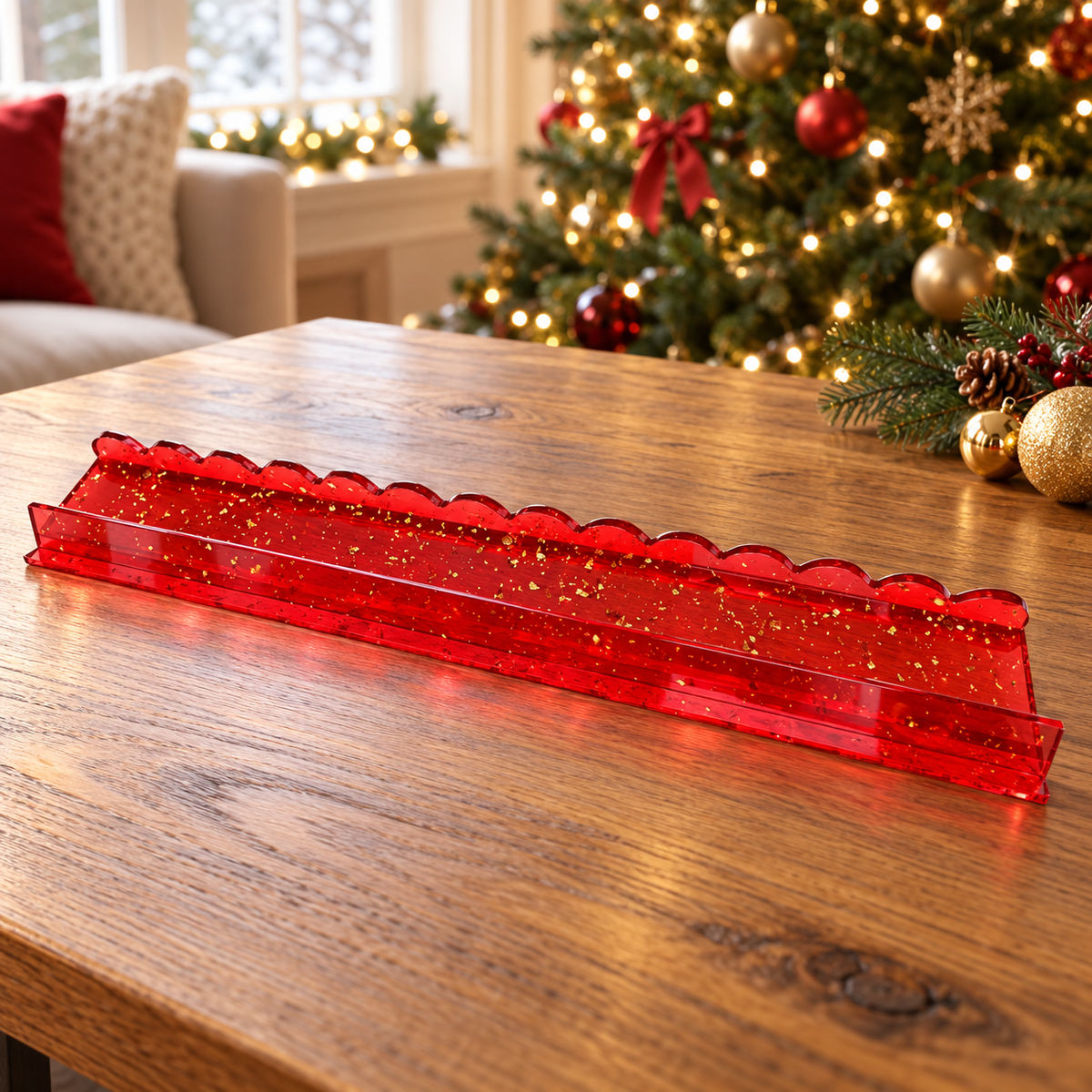
Racks with pushers keep your hidden tiles aligned and prevent cheating (you can't see others' tiles over the rack wall). Bamboo racks are lightweight and traditional; acrylic racks are modern and durable. A set of four racks (one per player) is standard; buy matching or mix styles depending on your aesthetic.
A padded travel bag fits a complete set plus accessories. Divided compartments keep tiles from rattling; external pockets hold the card and scorepads. If you host at home, a bag protects during storage between games. If you rotate hosting or attend clubs, a quality bag or case is non-negotiable—cheap nylon splits and exposes tiles to dust and damage.
🎁 See our most-loved mahjong sets & accessories →

How Do You Build a Kit That Matches Your Budget & Play Style?
For learners (first game, testing the hobby): Buy a standard 160-tile set, a basic felt mat, and a simple drawstring bag. Skip the rack until you know you'll keep playing. This approach lets you confirm you love the game before spending more. Upgrade later once your group settles.
For weekly home players: Choose an engraved set (so your tiles don't get mixed with others' sets), a felt mat, a set of four matching racks, and a padded travel case. Engraving costs a bit more but pays back in clarity and pride. You'll host or rotate, and a named set builds group identity.
For gifts or club players: Select a new arrival or themed set if it aligns with the recipient's style, add a premium mat and racks, and include a carry bag. Gifting a full kit signals that you take mahjong seriously and expect the recipient to enjoy it for years.
For collectors or display: A limited-edition or art-focused set lives on a shelf with a protective case. Skip the heavy mat and racks; focus on presentation. Many collectors own 3–6 sets and rotate them by season or mood.
What to Check Before You Buy
Tile count: Confirm the set includes 160 tiles (152 playing + 8 spares). Never accept fewer; replacements are hard to match later.
Acrylic quality: Look for smooth, uniform tile backs and edges with no visible seams or rough spots. Tahsil or rough tiles jam in racks.
Mat size: Measure your table. A 36–40-inch mat is standard; too small and tiles overlap into your neighbors' hands.
Rack stability: Test that racks don't slide when you lean them. Cheap wood warps; solid bamboo or molded acrylic holds shape.
Bag padding: Lift the bag fully loaded (with the set inside). Good padding won't compress; cheap foam compresses and leaves tiles exposed to impact.
Spare tiles: Confirm spares are included and stored safely in a sealed pouch. Don't open them unless you lose a playing tile.
Shipping to your address: Mahstead ships free across the US; confirm delivery to your ZIP code at checkout.
Engraving clarity: If you order custom text, request a preview. Some engravers use shallow cuts; deeper engraving lasts longer and looks sharper.
✨ Find your Mahstead set — free US shipping →
How Long Does a Quality Kit Last?
Acrylic tiles are durable if kept dry and protected. We've hosted sets weekly for eight years without losing a tile to wear—only one cracked when a player dropped the bag. A felt mat lasts 3–5 years with normal use before it flattens; bamboo racks last indefinitely unless stepped on. Bags wear faster; expect a zip failure or seam split after 4–6 years if you travel weekly. Budget for mat replacement eventually, but a tile set and racks are semi-permanent investments. Mahstead's spare tiles make repair trivial—a cracked tile is a 30-second swap.
FAQ
Can I buy a personalized kit with a custom name?
Yes. Order an engraved set with your name, family year, or group initials, then add a mat and accessories separately. Engraving is permanent and makes ownership unmistakable during club rotations or gatherings.
Do I need a rack if I play casually at home?
Not strictly—but racks prevent hand fatigue and keep your tiles hidden. After one session without one, most players buy racks. They're inexpensive and worth it for comfort and game integrity.
What's the difference between a travel bag and a storage case?
Travel bags are padded and portable with handles; cases are rigid or semi-rigid for long-term storage. For weekly games, a travel bag with compartments is ideal. For seasonal storage, a case protects better.
Should I buy a mat that matches my tiles?
Not necessary, but it looks cohesive. A dark felt mat shows all tile colors clearly. Light mats can fade or stain. Function matters more than color—choose based on your table finish.
How many kits do I need for four players?
One set per player is typical so everyone has their own set at home. Many groups share one or two sets and rotate. Decide based on whether you'll play at multiple homes weekly or always gather at one venue.
Can I use an American mahjong set for Chinese or Riichi mahjong?
No. American mahjong has unique tiles (no chows, jokers required) and uses the annual League card. Chinese and Riichi sets differ in tile count and symbols. Learn what's in an American set to confirm compatibility.
Do spares come installed in the set or separate?
Mahstead includes spares in a sealed pouch inside your bag—not in the main playing stack. Never mix them in; only use if you damage a playing tile. They ensure your set stays complete for years.


View More
View More
View More
