
Mahjong Tournaments in San Antonio: How to Find, Join & Play
Last updated: Nov 23, 2026
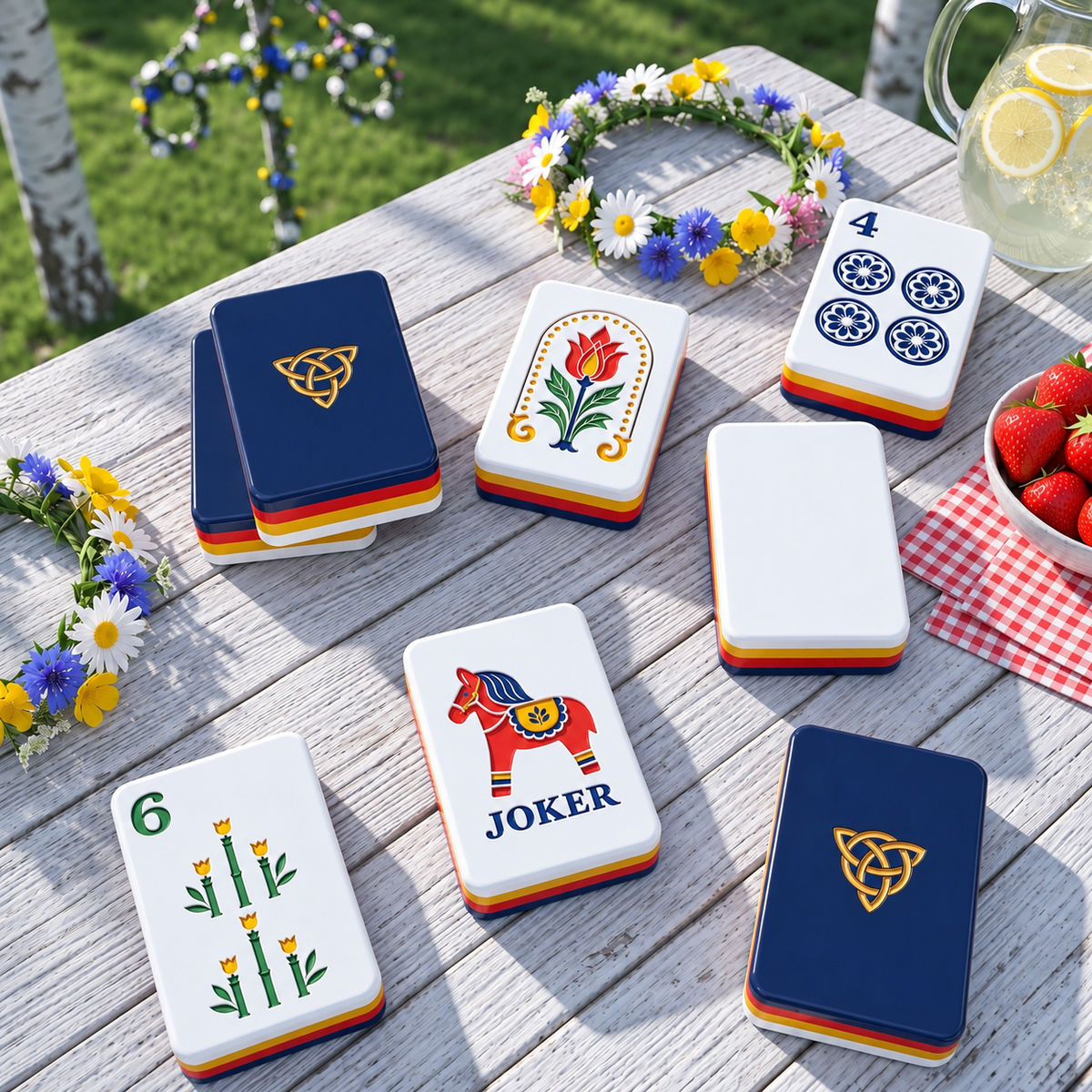
San Antonio's mahjong scene centers on community centers, senior living facilities, libraries, and synagogues, which frequently host weekly games, seasonal tournaments, and beginner lessons. American mahjong dominates the city's social play; tournaments typically run four hours across multiple rounds, with prizes ranging from bragging rights to modest gift cards. Most games follow the National Mah Jongg League rules and use the current year's official card. To find tournaments, search Meetup.com for "mahjong San Antonio," contact local senior centers and Jewish community centers, or ask library staff about bulletin boards. Expect a mix of experienced and newer players; bring your current league card, snacks to share, and engraved American mahjong sets from our best-selling collection if hosting. Most venues provide basic equipment, but many regulars prefer their own tiles for comfort and consistency.
San Antonio's mahjong community has grown steadily as players age into the hobby and younger enthusiasts discover it through family. Whether you're a beginner curious about your first tournament or a seasoned player moving to the city, here's a practical guide to finding games and showing up prepared.
Where do San Antonio mahjong players actually meet?
Most established play happens in three venue types: senior communities (active adult neighborhoods and 55+ living facilities often host weekly games), Jewish community centers and synagogues (traditional cultural hubs for American mahjong), and public spaces like city community centers and library game rooms. Check the events calendar on your local library's website first—staff curate bulletin boards and often maintain current contact info for regular game groups. Parks and Recreation departments sometimes list mahjong leagues. Call ahead to ask about skill level, whether you need a membership, and what equipment is provided. Learn the foundational rules in our mahjong for beginners guide if you're new to the game.
🀄 Shop best-selling mahjong sets →

What should you expect from a San Antonio tournament?
A typical American mahjong tournament in San Antonio runs three to four hours and includes two to three rounds. Each round lasts 45 minutes to one hour, with 15–20 minute breaks between rounds. You'll sit with three other players at a table, each keeping your own score sheet. Tournaments are almost always four-player, seated by randomly drawn East/West/North/South positions at the start of each round. Prize structures vary: some tournaments offer cash payouts to top finishers, others award gift cards or trophies, and casual leagues might award bragging rights and snacks. Most tournaments charge an entry fee to cover venue rental and prizes (ask when registering—fees and payout structures differ widely). Winners are determined by total points across all rounds, not a single hand.
How do you find tournaments online and offline?
Search strategy:
Google "mahjong tournament San Antonio [current year]" and "American mahjong San Antonio"
Check Meetup.com and search "mahjong" + "San Antonio" to find ongoing groups (some post monthly or seasonal tournaments)
Contact local senior centers directly and ask when they host games—staff can point you to registered players or groups
Ask at synagogues' front desk about women's auxiliary mahjong groups; these often host tournaments
Post in Facebook community groups for neighborhoods or "San Antonio seniors" pages
Avoid online listings that require upfront payment before you've confirmed the event is real—many groups use email sign-up lists instead. Reach out to whoever runs the group and ask for the National Mah Jongg League card number they use (this year, it should be the 2026 card).
What should you prepare before your first tournament?
Item | Why It Matters | What to Bring |
Current league card (2026) | Required to validate all legal hands | Print or buy one; organizers usually sell them on-site |
Pen & score sheet | Tournaments mandate written score tracking | Bring your own or ask organizer if they provide |
Your own set (optional) | Familiar tile feel reduces play errors | Bring a reliable set from our best-selling collection if you play regularly |
Snacks to share | Tournament etiquette; builds community | Water bottle, mints, trail mix—avoid sticky fingers |
Comfortable shoes | You may stand between rounds | Wear flat shoes; you'll be on your feet 4 hours |
A small notebook | Jot down hand patterns you see | Helps you memorize the card structure faster |
Preparation checklist:
[ ] Confirm tournament date, start time, and address before leaving home
[ ] Bring your own league card (or arrive 15 minutes early to buy one there)
[ ] Review the card's most common patterns the night before (focus on the first few pages)
[ ] Eat a light meal beforehand; tournaments don't allow meal breaks
[ ] Arrive 10–15 minutes early; organizers seat players by random draw, so early arrival helps you settle in
🎁 See our most-loved mahjong sets & accessories →

What's the difference between casual play, leagues, and tournaments?
Casual play happens weekly at homes or venues with no entry fee, no score tracking beyond the game itself, and players of any skill level. These are low-pressure, social, and often the best way to learn. Leagues are organized season-long competitions (usually fall through spring) where the same group plays weekly at a set venue, points accumulate across weeks, and rankings are posted. Tournaments are one-day or multi-day events open to the public, with random table assignments each round, formal scoring, and prizes for top finishers. Beginners should start with casual play to learn the rhythm, then move to a league once you're comfortable reading the card. Tournaments are most rewarding after 20–30 games under your belt.
Play Type | Frequency | Players | Skill Mix | Best For |
Casual home game | Weekly or ad hoc | Usually the same 4 | Mixed | Learning, building confidence |
League (seasonal) | Weekly (Oct–Apr typical) | Core group of 12–20 | Mixed | Building skill, consistent opponents |
Tournament (one-day) | Seasonal (spring/fall common) | 20–50 players | Mixed | Testing your level, meeting new players |
San Antonio doesn't have a single citywide league, but several neighborhoods run their own. Ask organizers at the first casual game you attend—they'll point you to league sign-ups.
What equipment do experienced San Antonio players bring?
Regulars bring engraved American mahjong sets with pushers and racks for several reasons: familiar tile weight and feel boost confidence, personal sets reduce setup time, and a well-maintained set with clear markings prevents misreads. A good mahjong mat protects tables and muffles noise (especially in shared venues). Travel-friendly bags or cases let you transport your set safely; if you're moving to San Antonio from out of state or traveling between venues weekly, this matters. Organizers provide basic tiles and racks at tournaments, but many seasoned players prefer their own for consistency. Don't feel pressured to buy a new set before your first game—most venues loan equipment. Once you're playing twice a week, investing in your own set pays off in comfort and speed.
What to check before you buy your own set:
Tile size: standard American tiles are 1⅜" × 1⅛"; measure your hands to confirm comfort
Joker and blank count: a 160-tile set includes 152 tiles for play plus spares—sufficient for four-player games
Rack height: racks with pushers let you angle tiles so opponents can't see your hand; choose one that fits your playing height
Case durability: if you'll transport your set weekly, a padded case is worth the investment
✨ Find your Mahstead set — free US shipping →
How does skill level affect tournament placement?
Tournaments mix beginner, intermediate, and advanced players in the same room. Seating is random each round, so you're equally likely to face a newcomer or a veteran. Scoring is absolute (your points stand regardless of who you played), so a strong hand counts the same whether your table had all beginners or all experts. This means beginners can win tournaments through lucky draws and solid card reading—it happens. Don't avoid tournaments out of fear; many San Antonio groups welcome newer players and seed tournaments so early-round tables are gentler. Ask the organizer about their seating strategy when you call to register.
What to check before you commit to a tournament
Verify these details before paying entry:
Is the tournament using the 2026 National Mah Jongg League card? (Essential—old cards invalidate hands)
How many rounds and how long is each round?
What's the entry fee and what do top finishers win?
Can you buy or rent a set on-site if you don't have one?
What's the table assignment process? (Random, skill-based seating, or round-robin?)
Does the venue allow personal sets, or must you use theirs?
A quick email or phone call to the organizer answers all of these. Most groups are happy to walk newcomers through their format.

FAQ
Do I need to know American mahjong before attending a San Antonio tournament?
Yes. Learn the basic rules, understand how to read the 2026 league card, and play 5–10 casual games first. Start with our how-to-play guide and practice with friends before signing up.
Are there Chinese, Hong Kong, or Riichi mahjong tournaments in San Antonio?
Rarely. The San Antonio mahjong scene is predominantly American mahjong (four-player, National League rules). Chinese mahjong groups exist but are smaller; ask Asian cultural centers or meetup boards. If you prefer another variant, casual play with friends is more likely than a formal tournament.
Can I play in a tournament if I just moved to San Antonio?
Absolutely. Tournaments are open to anyone and don't require membership. Show up with your current league card, entry fee, and willingness to learn. Organizers expect visiting players and mixed skill levels.
How much does it cost to play in a San Antonio mahjong tournament?
Entry fees vary by event and organizer. Ask when you contact them; fees and payout structures differ widely across venues and seasonal tournaments. Call ahead to understand what you're paying for.
What's the difference between the National Mah Jongg League card and rules I might learn online?
The official NMJL card (issued every spring) is the only valid source for legal hands in American tournaments. Online videos and blogs teach general principles, but tournament play requires the current year's card. San Antonio tournaments always specify which year's card they're using; verify it's 2026.
Can I bring my own mahjong set to a tournament?
Most tournaments allow personal sets as long as they're standard American size and clearly marked. Check with the organizer beforehand. If you're new, use theirs first to avoid setup delay—you can bring your own once you're familiar with the venue.


View More
View More
View More
