
Mahjong Open Play in Charlotte: Where to Find Games & Get Started
Last updated: Nov 23, 2026
Open play mahjong in Charlotte happens most commonly at public community centers (check Mecklenburg County Parks & Recreation), public libraries (especially larger branches), synagogues with game nights, and country clubs with recreational programs. Games typically run weekday afternoons and weekend mornings; call ahead or check bulletin boards to confirm schedules. Most open play is American mahjong, played with 152 tiles, four players, and hands from the current National Mah Jongg League card. Beginners are welcome—experienced players expect to teach. Bring no money (games are social, not gambling), arrive 15 minutes early, and wear glasses if you need them for reading tile pips. Many venues have house sets, so you won't need your own for the first few visits. If you decide to play regularly, our best-selling mahjong sets are designed for open-play durability and comfort.
Where do Charlotte players meet for open play?
Your best bet is to start with Mecklenburg County Parks & Recreation centers and the Charlotte Mecklenburg Library system. Call your nearest branch and ask for "mahjong" or "game day" programs; many host weekly games on fixed days. Synagogues and Jewish community centers often run open-play sessions and don't require membership. Country clubs, senior centers, and recreation departments in neighborhoods like Ballantyne, Myers Park, and Cornelius frequently sponsor casual games. Check community bulletin boards, Meetup.com, and Facebook community groups for Charlotte game times. Ask at any game you attend—regulars know all the venues and can guide you to a schedule that fits.

What's the difference between open play and league play?
Open play is informal, social, and scores-only (no official record or ranking). League play through the National Mah Jongg League follows strict hand records, player rankings, and sanctioned tournaments—entry fees, pairings, and formal scoring apply. Charlotte has both: open play is free or low-cost per session and welcomes all skill levels; league play is competitive and requires membership, player ID, and commitment to multiple sessions per season. If you're new, open play lets you learn the rules and rhythm without pressure. After a few months of open play, many players join the league to challenge themselves. For beginners, we recommend starting with open play to understand how to play American mahjong before considering the league.
🀄 Shop best-selling mahjong sets →
What tiles and rules do Charlotte players use?
Nearly all open play in Charlotte follows American mahjong rules: 152 tiles (three suits—Bams, Craks, Dots—numbered 1–9, with four of each number; 16 winds; 12 dragons; 8 flowers; and 8 jokers). Hands come from the current National Mah Jongg League card, updated every spring. Players form sets of three or four identical tiles (pungs and kongs), not sequences, and the goal is to claim all 14 tiles as a complete hand within one round. The Charleston—a three-stage tile-passing ritual—happens before each game. Jokers can fill any tile but never appear in a pair or single position. Most venues provide a house set (usually acrylic or bamboo), so you'll learn on equipment already in play. If you join regularly, owning a personal set helps you practice tile recognition and shuffling at home.
What should you bring to your first open play session?
Arrive with a notebook, pen, and reading glasses if you wear them. Bring the current National Mah Jongg League card if you have one (venues often share, but having your own speeds up hand checking). Wear comfortable clothing; games run 2–3 hours and involve leaning and reaching. Don't bring money—open play is social and non-gambling. Arrive 15 minutes early so regulars can teach you tile names, the Charleston, and how to read the card. Most venues allow snacks and water; check beforehand. If you're traveling with your own set or expecting to become a regular, a mahjong bag and case keeps tiles organized and protected between sessions. Ask the group if they have any house rules (some venues play with slightly different scoring or joker rules—nothing major, but good to know).

How do you learn the Charlotte open-play rhythm as a beginner?
Join the same game at the same venue for at least three consecutive weeks. Regulars recognize you, you'll recognize them, and they'll expect to teach you once rather than repeating. Ask to sit next to the most patient player your first time. After each hand, ask one specific question: "Why can't we use that exposure?" or "How does the card work?" rather than general questions. Watch experienced players shuffle, pass, and read tile pips silently; imitate their speed. Take notes on hand patterns you see; they repeat. After four or five games, you'll recognize common hands and no longer need the card for every decision. Charlotte players are welcoming to learners—the community grows when new faces arrive ready to listen.
Beginner Checklist: Your First Open Play Session
Item | Why It Matters | What to Bring |
Current NMJL card | Hands come only from this year's card; you can't win without it. | Yours, or borrow from the venue |
Notebook & pen | Jot hand names, venue rules, player names, schedules. | Any notebook; any pen |
Reading glasses | Tile pips (dots) are small; misreading them loses you the hand. | If you normally wear them |
Comfortable shoes & clothes | Games last 2–3 hours; you'll sit and reach repeatedly. | Whatever you normally wear |
Questions, not advice | Listen first. After game 3, ask about specific patterns. | An open mind |
No money | Open play is social; no side bets or stakes. | Leave your wallet in the car |
🎁 See our most-loved mahjong sets & accessories →
What's the fastest way to move from beginner to confident player?
Play once a week for eight weeks. By game eight, you'll recognize 70% of hands without the card, shuffle quickly, and know when jokers can and cannot be used. Supplement weekly games with 10 minutes of home practice: shuffle a set, deal a hand from the card, and practice reading tiles silently. After two months, join an open play session at a different venue to test what you've learned with new faces. Once confident, ask regulars about league play or monthly tournaments if you want. Most Charlotte players say they felt comfortable competing (casually, not for prize money) after 12–16 open-play sessions. The key is consistency; sporadic play delays learning because you forget tile names and shuffling rhythm. If you're building a home practice routine, a mahjong mat with markings keeps tiles organized and speeds up dealing practice.
What to Check Before You Buy Your Own Set
If you've played open play for 4–6 weeks and want a personal set:
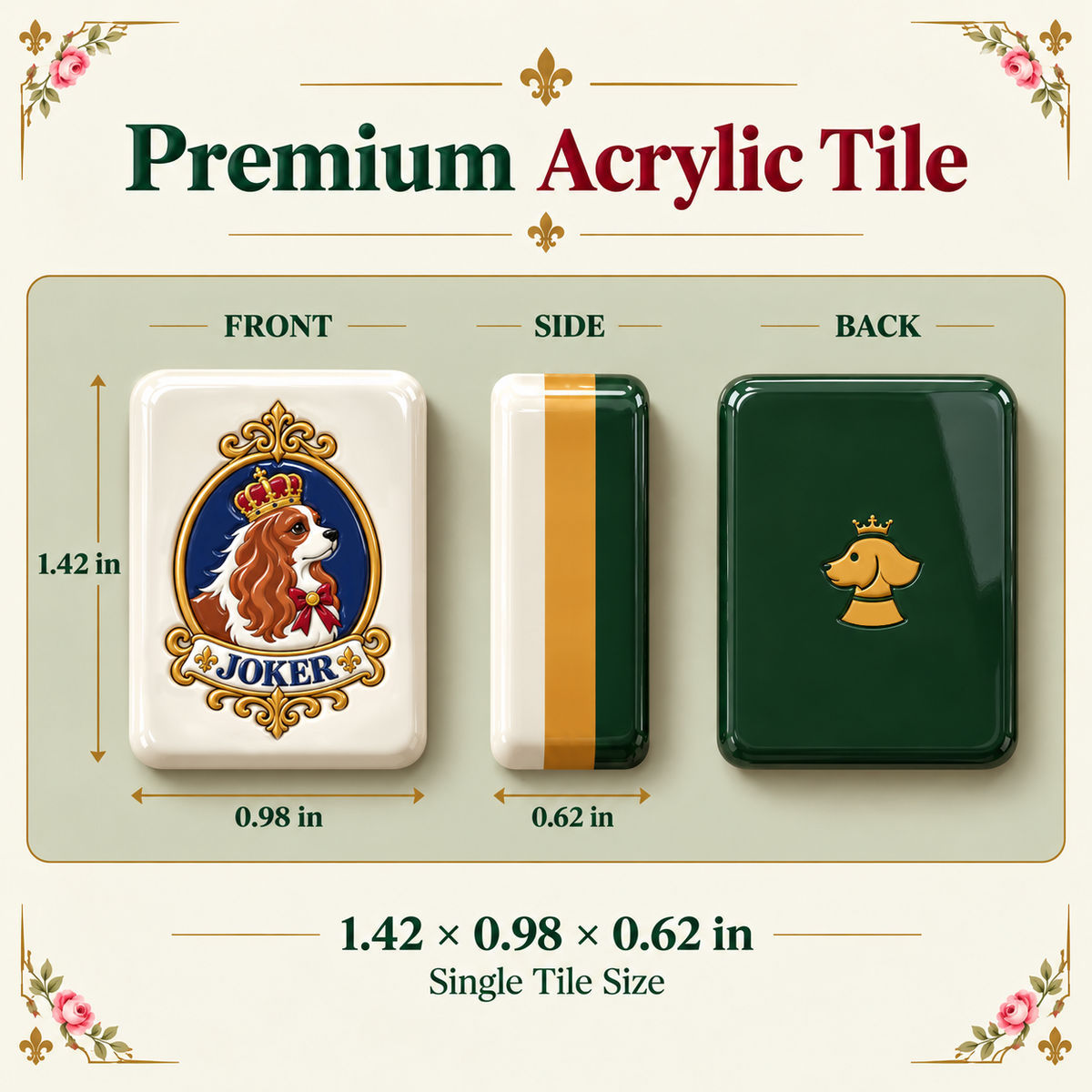
Verify tile size: Most Charlotte venues use standard 1.25-inch acrylic tiles. Match that size if you want your home set to feel familiar during games.
Check joker count: American mahjong uses exactly 8 jokers in play. Sets sold as 160-tile include extra jokers as spares; you'll never add them to the game.
Confirm suit spelling: Bam, Crak, Dot (not "bamboo," "character," "circle"). This matters for reading tiles quickly under pressure.
Test tile feel: Hold them in your hand during a practice shuffle. They should stack and slide smoothly without clicking too loudly (it's distracting).
Look for clear markings: Numbers and suit symbols must be readable in room light, not just daylight. Many open-play venues use sets with excellent contrast.
Our best-selling mahjong sets are designed for open-play durability: acrylic construction, engraved markings, and smooth play feel. If you want a set that reflects your personality or marks a milestone (completing your first season, starting a home group), engraved mahjong sets with titles let you customize. All Mahstead sets include free US shipping.
✨ Find your Mahstead set — free US shipping →

FAQ
Do I need to own a mahjong set to play open play in Charlotte?
No. Most venues provide house sets for players to use during games. You can attend open play for several weeks or months without owning one. However, if you want to practice shuffling, dealing, and reading tiles at home, owning a set accelerates learning significantly.
What does open play cost in Charlotte?
Costs vary by venue. Community centers and libraries typically charge a small session fee (you'll see it posted in advance) or nothing at all. Private clubs may charge a membership fee or guest fee. No open-play session is gambling—there are no side bets or stakes. Always ask the venue for pricing before your first visit.
Is open play in Charlotte always American mahjong, or do some venues play other variants?
American mahjong dominates Charlotte open play. The occasional venue may run a Chinese mahjong night or Riichi session, but these are specialty games you'll hear about through regulars. Start by assuming any listed "mahjong" group plays American rules with the National Mah Jongg League card.
Can I bring a beginner to an open-play session if I'm experienced?
Yes. Most venues expect regulars to bring friends and teach them. Arrive early, sit the newcomer next to a patient player, and give them the current card. Let the group know it's their first time, and everyone will slow down their explanations.
Should I memorize the mahjong card before my first session, or is that unnecessary?
Unnecessary. The card is a reference tool you'll use during the game. Spend 10 minutes skimming it to see what "hands" look like, then learn by playing. After 5–6 games, common patterns will stick in your memory without effort. Forcing memorization before you play is frustrating and not how most players learn.
What happens if I misread a tile or call a false win at open play?
The other players or the dealer gently correct you and explain why the hand doesn't match the card. You return your tiles, the dealer reshuffles, and play continues. Open play is forgiving because the goal is learning, not prize money. League play has formal penalties, but in open play, mistakes are teaching moments.


View More
View More
View More
