
How Long Do Bakelite Mahjong Tiles Last?
Last updated: Nov 23, 2026
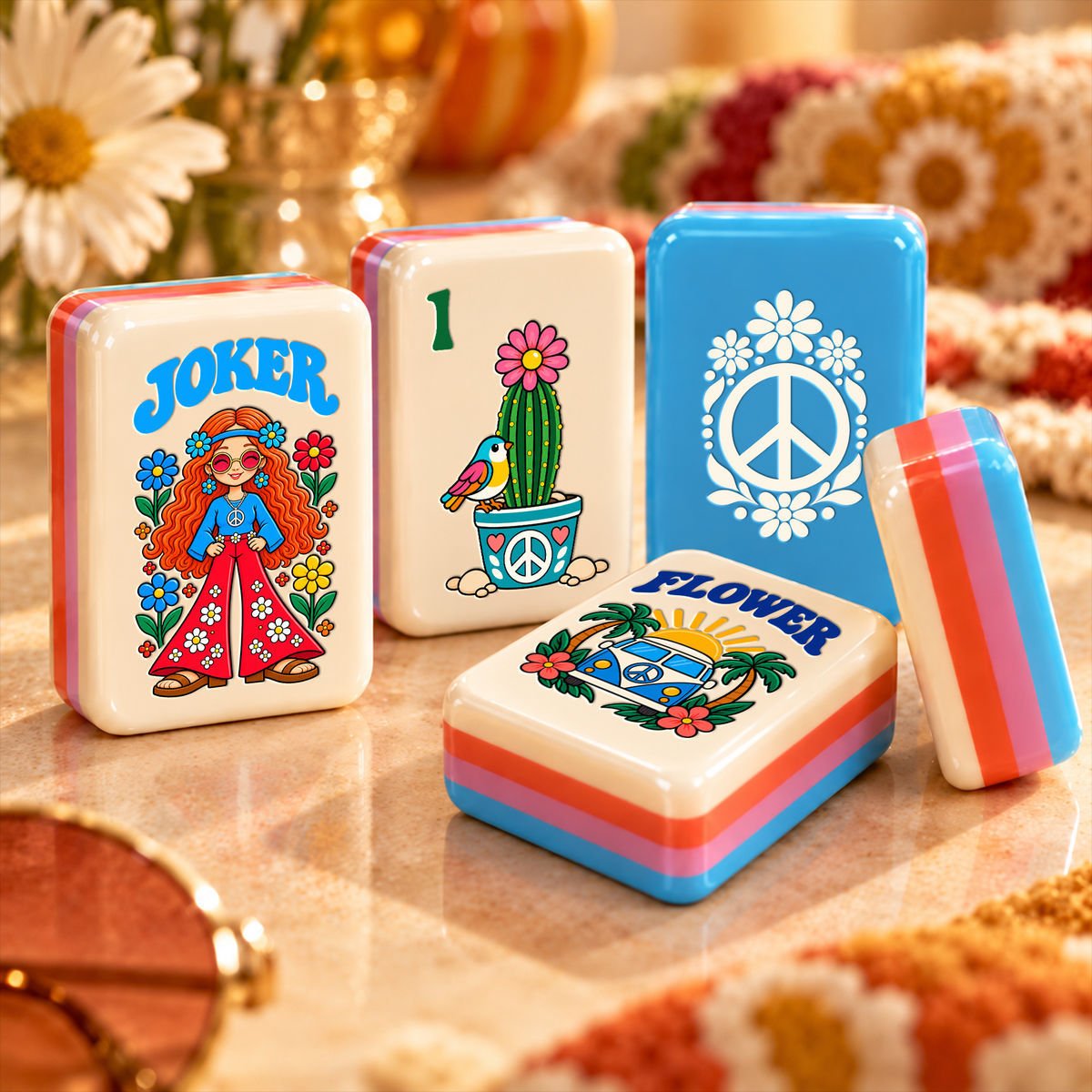
Bakelite mahjong tiles typically last 20–40 years of regular weekly play, far longer than plastic alternatives. Durability depends on tile thickness, surface finish quality, and storage conditions—bakelite resists fading and cracking if kept dry and away from direct heat. A well-made set shows minimal cosmetic wear after a decade; cheaper plastic sets often discolor, chip, or become sticky within 3–5 years. Real bakelite never becomes brittle; the main wear is cosmetic. Modern acrylic engineering by brands like Mahstead delivers 15+ years of game-ready performance with precision-cut tiles and durable engravings resistant to smoothing.
🀄 Shop best-selling mahjong sets →
What makes bakelite tiles last so much longer than plastic?
Bakelite is a thermosetting plastic—once molded and cured, it doesn't soften in heat or absorb moisture like acrylic. Acrylic tiles can become sticky after years of hand oils and humidity exposure; bakelite resists this. The density and hardness of bakelite mean tiles resist deep scratches, and the surface doesn't yellow or fade as quickly under indoor light. Older vintage bakelite sets from the 1950s–1970s are still playable today, which you rarely see with plastic. Bakelite's stability comes from its chemical structure; it's essentially fossilized plastic that doesn't degrade the way acrylic does over decades.

How does storage affect how long tiles stay usable?
Tiles stored in a humid bathroom or uninsulated garage age faster than those kept in climate-controlled rooms. Moisture causes acrylic to swell and warp; bakelite resists this but tile faces can still discolor if exposed to damp. Direct sunlight fades the painted designs on any tile type within a few years. Cases and bags protect from dust, accidental spills, and temperature swings. Mahstead's mahjong bags and cases are designed to keep tiles dry and organized between games. A set left in its original box on a closet shelf lasts decades longer than one sitting on an open shelf near a window or radiator.
When should you actually replace a mahjong set?
Replace your set when tiles become unreadable—paint worn so thin you can't see the suit or number clearly—or when physical damage (chips, cracks, or severe warping) makes shuffling or stacking impossible. Minor cosmetic wear (slight dulling, small paint fading on the back) doesn't affect gameplay. If a few tiles break, some players buy replacements rather than new sets; bakelite and quality acrylic can be matched or repaired. Plastic sets that become sticky or emit an odor signal chemical breakdown and should be retired. Most players retire plastic sets within 5–10 years not because they break, but because they become annoying to handle; bakelite and acrylic sets remain pleasant to touch for 20+ years.
Tile Material | Expected Lifespan (Weekly Play) | Common Wear Pattern | Best For |
Cheap acrylic | 3–5 years | Stickiness, discoloration, edge chips | Casual beginners |
Quality acrylic | 15–25 years | Minor paint fade on faces, backs last | Regular weekly games |
Bakelite (vintage) | 20–40 years | Face paint fades, tiles stay structurally sound | Players who host decades |
Bakelite (reproduction) | 20–35 years | Slower fade than acrylic, excellent durability | Collectors, serious players |

How do you tell if a tile's material will last?
Pick up the tiles and feel their weight—substantial tiles (8–12 oz per set) are more durable than light, flimsy ones. Examine the thickness of the sides; tiles should be at least 3/8 inch thick, not paper-thin. Run your fingernail gently across the surface; real bakelite and quality acrylic don't feel oily or sticky even after handling. Check if the paint on faces and characters is sealed under a clear layer (better) or exposed on top (fades faster). Look at the jokers—if they're the same quality as number tiles, manufacturing is consistent. Heavier, thicker tiles with sealed artwork will outlast light, thin ones by years. Mahstead's engraved American mahjong sets are engineered for precision and durability; the acrylic is thickness-tested and the engravings sealed to resist smoothing and fading.
Do jokers and dragon tiles wear out faster than number tiles?
Jokers and dragon tiles receive equal play to number tiles, so they wear at the same rate overall. However, because there are only 8 jokers and 12 dragons in a set, losing or damaging even one joker affects the game more noticeably. Jokers are handled more often during draws and exposure, so players sometimes notice their wear first. To extend joker life, keep a spare set if you play competitively and can identify a joker's original finish quickly. Joker mechanics and how they work shows why protecting them matters—one missing or unreadable joker can halt a game.
🎁 See our most-loved mahjong sets & accessories →
What's the real cost difference between sets that last 5 years and sets that last 25?
A low-cost acrylic set might cost less upfront but becomes unplayable within 5 years; you'd need to buy four sets over 20 years. A quality set costs more initially but remains game-ready for 20–25 years, lowering the per-year cost. Over two decades, investing in a durable set is cheaper and far less frustrating than replacing sticky, discolored tiles every few years. Most players who host weekly games discover this truth after their second or third cheap set fails. Premium materials aren't luxury; they're economical. Mahstead sets are built for players who play seriously, so the engineering reflects decades of use, not months.
What to Check Before You Buy
Weight and thickness: Lift the set; it should feel substantial (8+ oz) and tiles should be visibly thick-edged.
Seal on artwork: Run your fingernail lightly over characters; sealed engraving resists smoothing.
Tile surface feel: Smooth, cool plastic without stickiness or greasiness indicates quality.
Storage included: Does it come with a case or bag? If yes, that's a sign the maker expects long-term use.
Spare tiles included: A quality set includes extra jokers and blanks, suggesting the maker plans for tile replacement.
Warranty or guarantee: Reputable makers stand behind durability; check what's promised.
Weekly game hosts should prioritize durability over price. A set you buy today will be shuffled thousands of times; the material matters. New Mahstead arrivals include options engineered for that volume.
✨ Find your Mahstead set — free US shipping →

FAQ
Can bakelite tiles be repaired if they chip or crack?
Minor chips don't affect play. Large cracks usually mean replacing that tile; some players source matching replacements from vintage sets. Bakelite doesn't glue well permanently, so structural repair isn't reliable. Acrylic tiles can be polished to hide minor scratches but aren't repairable once cracked.
Do vintage bakelite sets play as well as modern ones?
Yes. Vintage bakelite is often superior in durability and feel; the main issue is finding matching replacements if a tile breaks. Modern acrylic sets offer consistency—all tiles are identical in weight and thickness—whereas vintage sets sometimes have minor variation from hand manufacture.
How often should I clean mahjong tiles to extend their life?
Once yearly, wipe tiles with a soft, dry cloth to remove dust. For sticky tiles, a barely damp cloth with mild soap works; dry immediately after. Never soak tiles or use harsh chemicals. Clean storage is more important than frequent wiping; keep them in a case or bag away from humidity and direct sun.
Why do some tiles become sticky even though I store them well?
Acrylic absorbs hand oils over decades; no storage prevents this completely, though cool, dry environments slow it. Sticky tiles signal that acrylic is aging. Bakelite resists this much longer. If tiles become noticeably sticky, they've reached end-of-life for frequent players.
If I play casually (monthly instead of weekly), will a cheaper set last longer?
Yes. A plastic set played once a month may last 10–15 years because tiles wear proportionally to use. However, storage conditions matter more than frequency; a poorly stored cheap set deteriorates within 5 years regardless of play volume, while a well-stored quality set lasts 20+ years with any use pattern.


View More
View More
View More
