
Mahjong Tournaments in Salt Lake City: Where to Play & How to Join
Last updated: Nov 23, 2026
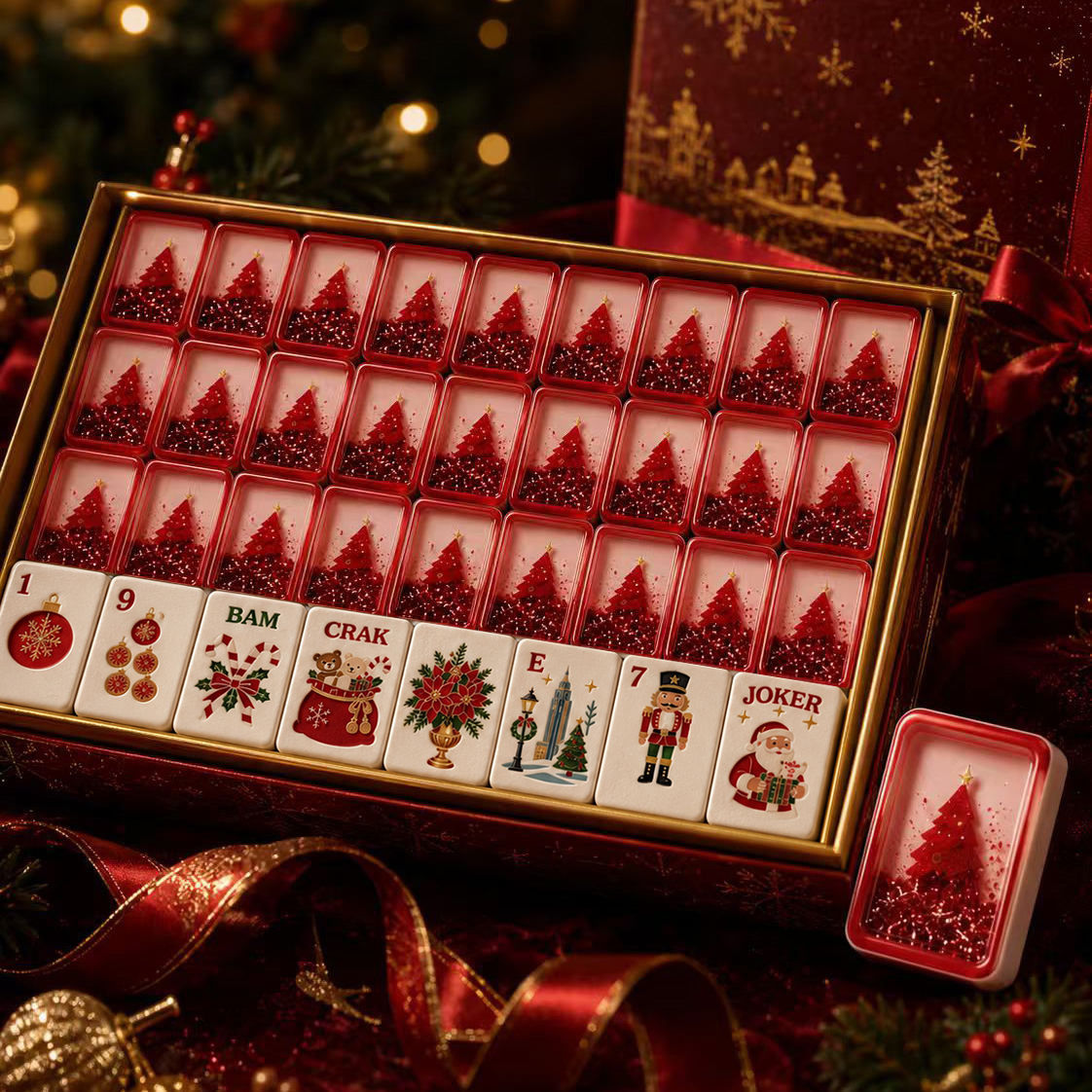
Salt Lake City's mahjong tournament scene centers on four-player American mahjong sanctioned by the National Mah Jongg League. Tournaments typically run fall through spring at community recreation centers, Jewish community centers, and private game clubs scattered across the valley. Most events charge entry fees and run as round-robin or knockout formats over a single day or across multiple weeks; you'll play anywhere from 4 to 12 games depending on the bracket size. Winners are ranked by point totals (not tile count), and tournaments welcome players of all levels—beginners play in separate sections from advanced players. Before entering, confirm the current year's National Mah Jongg League card is the official hand reference, learn basic American mahjong rules, and bring a durable 160-tile acrylic set that won't crack or fade through multiple rounds.
Where can I find tournaments happening right now in Salt Lake City?
Look for tournaments through the National Mah Jongg League's official website, which lists affiliated clubs and scheduled events by region. Contact your local community center recreation department—many host or sponsor tournaments seasonally. Jewish community centers often run both casual leagues and competitive brackets. Check public library bulletin boards and ask staff; libraries sometimes partner with local mahjong clubs to advertise events. Meetup.com and Facebook groups dedicated to Utah gaming communities frequently post tournament dates and registration links. Call ahead to confirm entry deadlines, fees, and whether beginners' sections exist for your skill level.
🀄 Shop best-selling mahjong sets →

What's the difference between casual league play and tournament competition?
Casual leagues meet weekly at fixed locations, accumulate points over a season, and emphasize learning and social play with lower pressure. Tournaments compress 8–12 games into one day (or a few consecutive weekends), use standardized scoring rules, rank all players by final point totals, and often feature separate skill divisions. League play suits newcomers building confidence; tournaments suit players ready to test themselves against a broader pool and earn placement ranking. Salt Lake City clubs typically offer both formats, so you can start in a league, attend a few tournament warm-ups, then enter a sanctioned event when ready.
What do I need to bring and how should I prepare?
Bring your own 160-tile American mahjong set, tile rack with pushers for stability, and a notebook. Confirm the current year's National Mah Jongg League card is the official hand reference—tournament directors always specify which edition. Arrive 15 minutes early to register, pick your seat assignment, and meet your opponents. Familiarize yourself with how jokers work and how to read the mahjong card before your first event. Practice the Charleston (the tile-passing ritual before each game) so you don't slow your table. If your set is dented, discolored, or has missing tiles, it will slow play and annoy opponents; bring a backup acrylic set from our best-selling collection just in case.
What You're Bringing | Why It Matters | Tournament Requirement? |
Your own 160-tile set | Organizers don't supply; also ensures tiles you know | Yes, almost always |
Rack with pushers | Keeps tiles secure and prevents cheating | Optional but strongly advised |
Current-year mahjong card | Hand reference; directors reject expired cards | Yes, must match organizer's edition |
Notebook & pen | Track scores and hands for learning | Optional, helpful for new players |
Backup set | If your tiles are cracked or stained | Backup only; bring to be safe |
How are tournament games scored and ranked?
Each game awards points to the winner and losers based on the hand's point value and the final payment. In American mahjong, the winner collects from the three other players. Tournaments tally all game scores across the day or season; the player with the highest cumulative total wins their division. Ties are broken by head-to-head records or point differential (how many points you won or lost by in games against the tied player). American mahjong scoring uses the National Mah Jongg League's official point table, which values different hand types from 20 to 70+ points; directors explain scoring before play begins, and disputes are resolved by referring to the card and a rulebook kept at the tournament.
🎁 See our most-loved mahjong sets & accessories →

What are the unwritten rules and etiquette that separate tournament players?
Never rush players; give everyone time to think without pressure or commentary. Keep chatter light during play and save post-game discussion for after the game ends. Never touch another player's tiles or peek at discards out of turn. If you win, announce it clearly; if you lose, verify the winner's hand without hostility. Don't complain about luck or tiles—good tournaments attract repeat players who dislike negative attitudes. Respect table draw positions (East, South, West, North) as assigned; tournament seating is usually random to ensure fairness. If you're new, say so; experienced players will pace themselves and answer rules questions. Arrive on time, silence your phone, and stay for all assigned games unless genuinely ill. Players who follow these courtesies get invited to future events and build a reputation as reliable opponents.
What beginner mistakes slow down tournament play and hurt your score?
Hesitating on every decision burns clock time and frustrates opponents. Before your turn, mentally run through your current hand against the card so you're ready if tiles land in your favor. Fumbling the Charleston (passing tiles left, right, across before play begins) adds five minutes per game; practice it at home with a travel set and mat so you move with confidence. Not knowing the current year's card forces you to ask "Is that hand valid?" repeatedly. Misplacing jokers or forgetting that jokers cannot form a single tile or a pair costs you winning hands and confuses scoring. Calling a hand incorrectly (claiming you've won when you haven't) is embarrassing and can be penalized. Setting your rack in the wrong orientation (should be angled toward you, not toward the center) slows tile selection. Study mahjong for beginners once before your first event so you don't learn live at the table.
✨ Find your Mahstead set — free US shipping →
What to check before you buy a set for tournament play
Tile clarity: Acrylic tiles must show suit and number from arm's length in tournament lighting. Translucent or hand-painted tiles look beautiful but slow card-reading under fluorescent lights. Check our best-selling sets for laser-engraved designs that never fade or smudge.
Tile consistency: All 160 tiles should be identical in size, thickness, and weight. Uneven tiles stick in racks or tumble out during the Charleston. Mahstead's sets are factory-cut to uniform dimensions so they slide smoothly.
Rack durability: Pushers should glide without resistance and hold tiles securely when bumped. Wooden racks warp; acrylic racks hold their shape tournament after tournament.
Case or bag: A tournament run means three or four trips between venues. Loose tiles rattle and chip. A protective travel bag or case saves replacement costs.
Spare tiles: Our 160-tile sets come with spares so you're never stranded if a joker goes missing mid-tournament.

FAQ
Do I need to be a member of a club to enter a Salt Lake City mahjong tournament?
No. Most open tournaments accept walk-in registrations on the day of or by deadline; some require you to be a member of the hosting organization (like a Jewish community center). Call ahead to confirm entry eligibility.
What's the typical entry fee for a tournament in Utah?
Entry fees vary by organizer and format. Contact the tournament director directly for pricing, as amounts change year to year and depend on the prize pool and number of games played.
Can I use tiles from an online app or a borrowed set?
No. You must bring your own physical 160-tile American mahjong set. Tournament directors inspect sets for completeness and legibility before play starts. Borrowed sets often have missing or worn tiles.
What happens if I win a tournament—do I get a trophy or prize?
Prize structures differ by event. Some tournaments award cash payouts to top finishers, others give ribbons or rankings, and some offer store credit or mahjong accessories. Ask the organizer before registering.
Is there a beginner's tournament section, or will I play against experienced players?
Most larger Salt Lake City tournaments split beginners (0–2 years of play) from intermediate and advanced players. Smaller or casual events mix all levels. When you register, tell the director your experience level so you're placed fairly.
How long is a typical tournament game?
A single round of American mahjong lasts 15–25 minutes depending on player speed and decision-making. A full tournament day usually includes 8–12 games plus breaks, running 6–8 hours total.
Can I play in a tournament if I've only learned American mahjong?
Yes. Salt Lake City tournaments are almost exclusively American mahjong (four-player, 160-tile format with the National Mah Jongg League card). Chinese, Hong Kong, or Riichi variants are rare in Utah tournaments, so American is the right choice.
What's the best way to practice before my first tournament?
Play weekly in a casual league, study the current year's mahjong card, practice the Charleston with a friend, and review American mahjong scoring rules. Host a practice game at home with your own set so you move smoothly on tournament day.


View More
View More
View More
