
Mahjong Tournaments in Orange County: Find Games & Join Players
Last updated: Nov 23, 2026
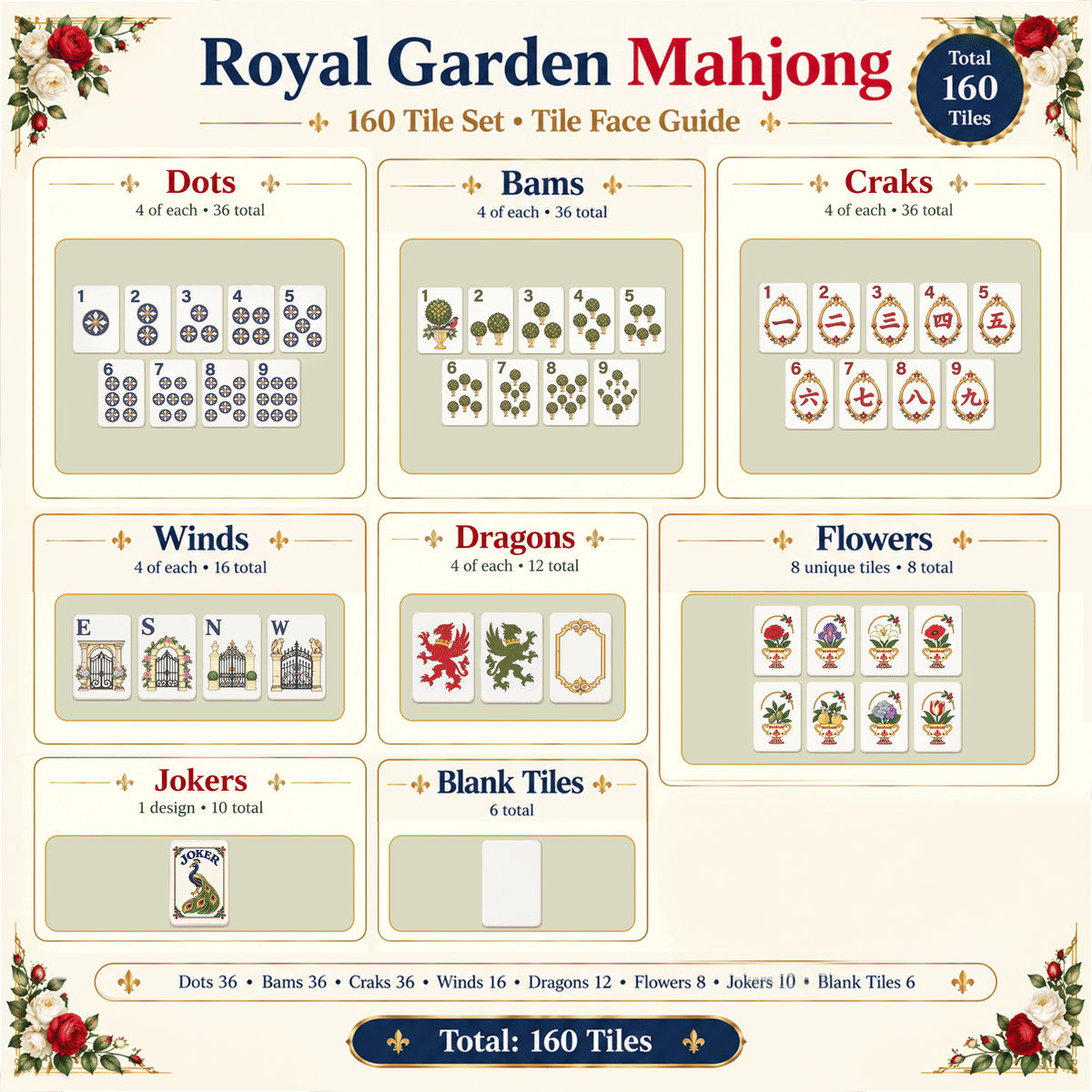
Orange County's mahjong tournament landscape has grown steadily as the game's popularity expands beyond traditional community groups. Whether you're a beginner exploring competitive play or an experienced player seeking tournaments, this guide covers where to find them, what to expect, and how to prepare—including gear that will help you show up ready.
Where Do Orange County Mahjong Tournaments Happen?
Tournaments and regular competitive games take place at three main venue types. Community centers in Irvine, Newport Beach, Fountain Valley, and Huntington Beach often host both casual leagues and tournament-style events; check their websites for mahjong program calendars and registration deadlines. Synagogues and Jewish community centers frequently organize games and tournaments, especially during fall and winter; contact your local temple's adult programming staff. Country clubs in upscale neighborhoods sometimes host member tournaments; word-of-mouth is key here, so ask at established game groups.

How Do I Find a Tournament Near Me?
Start with three concrete steps: call your city's community center directly and ask if they offer mahjong tournaments or can refer you to active groups; search your city's parks and recreation website for "mahjong league" or "mahjong tournament"; and check community bulletin boards and local library notice boards, which often list game groups. Social platforms like Nextdoor and Meetup sometimes have mahjong-specific pages for Orange County neighborhoods. Many regions also have an American Mahjong Association presence—searching online for that group plus your county can uncover tournaments you won't find elsewhere. Timing matters: tournaments often run in fall and early spring, with sign-ups 2–3 weeks ahead.
What's the Difference Between Casual Games and Sanctioned Tournaments?
Format | Who It's For | Rules | Cost Basis | Time Commitment |
Casual weekly game | Social players, learners | Current year's card, house rules vary | Usually free or small snack fee | 2–3 hours |
Club league | Regular players, consistent schedules | Strict NMJL card + scoring rules | Monthly or seasonal membership | Ongoing weekly slots |
Sanctioned tournament | Serious competitors | NMJL rules, official scorekeeping | Entry fee per event | 3–4 hours; single day or multi-round |
Casual games prioritize fun and teach newer players without penalty; league play adds consistency and social bonds; tournaments track scores, rank players, and sometimes award prizes or ranking points. Most Orange County groups blend these—a weekly group might host a mini-tournament once quarterly.
What Should I Know Before Entering a Tournament?
Bring a current-year National Mah Jongg League card—venues sometimes provide them, but don't assume. Arrive 15 minutes early to learn the table assignments and confirm rules (some groups play a house variation of American mahjong). Understand the Charleston ritual before you go; even brief familiarity prevents awkward pauses. Know the difference between a pung (three identical tiles) and a kong (four)—exposing the wrong grouping costs you the hand. Many venues supply tiles and mats, but owning a personal best-selling mahjong set shows preparation and helps you practice beforehand. If you're new to how to read the mahjong card, spend 15 minutes before the tournament; not knowing how to locate hands on the card will slow play.
🀄 Shop best-selling mahjong sets →

What Gear Helps You Compete?
A personal set builds confidence: you practice with it, know how your tiles feel, and bring something reliable to a tournament. Look for engraved American mahjong sets with clear tile markings (avoid overly decorative designs that make numbers hard to read in quick play). A mahjong mat with lane markings helps you organize your hand during practice; tournaments usually provide them, but owning one means your fingers won't fumble when it matters. Racks with pushers keep tiles upright and organized—essential for speed and accuracy. Bring a small notebook to jot down winning hands you see (not during play, only after). Wear layers; tournament venues can be chilly from air conditioning during long play sessions.
How Do Scoring and Rankings Work?
American mahjong uses a point system based on the hand pattern you declare and whether you win by calling "mahjong" or by a discard. Tournaments tally points across multiple rounds (typically 4 games per event) and rank players by total score. Some groups use NMJL scoring tables; others use simplified house rules. Ask the tournament director for the scoring sheet when you arrive—don't guess mid-game. Winning a high-value hand (like a rare pattern from that year's card) nets more points. Ties are usually broken by number of "bigs" (large-value hands) or by a quick playoff round. New players often don't realize that a winning hand must match exactly one pattern from the current card; no hand is valid on its own.
✨ Find your Mahstead set — free US shipping →
What Should I Check Before You Buy Tournament Gear?
Before investing in a set or accessories for tournament play, verify three things: confirm the tournament uses American (not Chinese or Hong Kong) mahjong rules, so you're practicing the right game; check whether the venue provides mats and racks or expects you to bring them; and ask experienced players which tile size and material feels best for your hand size and speed. Some players prefer lighter bamboo tiles for fast play; others like acrylic for durability. If you're joining a league, ask if they have a discount or group rate on sets—some clubs partner with sellers. Visit a casual game session before a tournament; you'll see what other players use and ask questions without pressure.
🎁 See our most-loved mahjong sets & accessories →
How Do I Prepare Mentally?
Tournament play feels faster and higher-stakes than casual games, even if the rules are identical. Practice at home with a best-selling set and the current card for at least five full-length games before entering. Learn to recognize the most common hands on the card without hesitation—speed matters when you have ten seconds to decide if a discard fits your hand. Watch other players during casual games: notice how experienced players organize tiles, call quickly, and manage the Charleston smoothly. Play a few casual games at the venue itself if possible (many hosts welcome drop-ins) to acclimate to the room, the lighting, and the table setup. Most importantly, remember that tournament play is still a social game—chat with neighbors, laugh at dead hands, and play to improve, not just to win.

FAQ
Can I play in an Orange County mahjong tournament if I'm a beginner?
Most tournaments welcome all skill levels, though some have separate "beginner" brackets. Casual groups and friendly leagues are the best starting point; ask the coordinator whether a tournament is competitive or recreational. Many venues suggest you've played at least 5–10 games before entering a multi-round event, so you understand pacing and card reading.
Do I need to own my own mahjong set to play in a tournament?
No—most venues provide tiles. However, owning a best-selling set lets you practice beforehand and shows respect for serious play. Practice at home with the exact tiles and mats you'll see at the tournament to build confidence.
What's the typical cost to enter a mahjong tournament in Orange County?
Casual weekly games are usually free or cost a small snack fee ($2–5). Seasonal leagues range from modest monthly fees to single-season sign-up; sanctioned tournaments typically charge an entry fee per event. Contact your venue directly for current fees, as they vary.
What if I don't know the current year's mahjong card?
Venues provide cards, but arrive early enough to study it for a few minutes. You don't need to memorize every hand—just understand how to read the sections and spot patterns that match your tiles. Many experienced players will help you during play if you ask politely.
How many people usually play in an Orange County tournament?
Casual tournaments might draw 8–16 players (2–4 tables); larger sanctioned events can reach 30–50 or more. Call the venue in advance to learn expected size so you know if you need to register early or if walk-ins are welcome.


View More
View More
View More
