
Christmas Mahjong Party Invitations: Wording & Ideas
Last updated: Nov 23, 2026
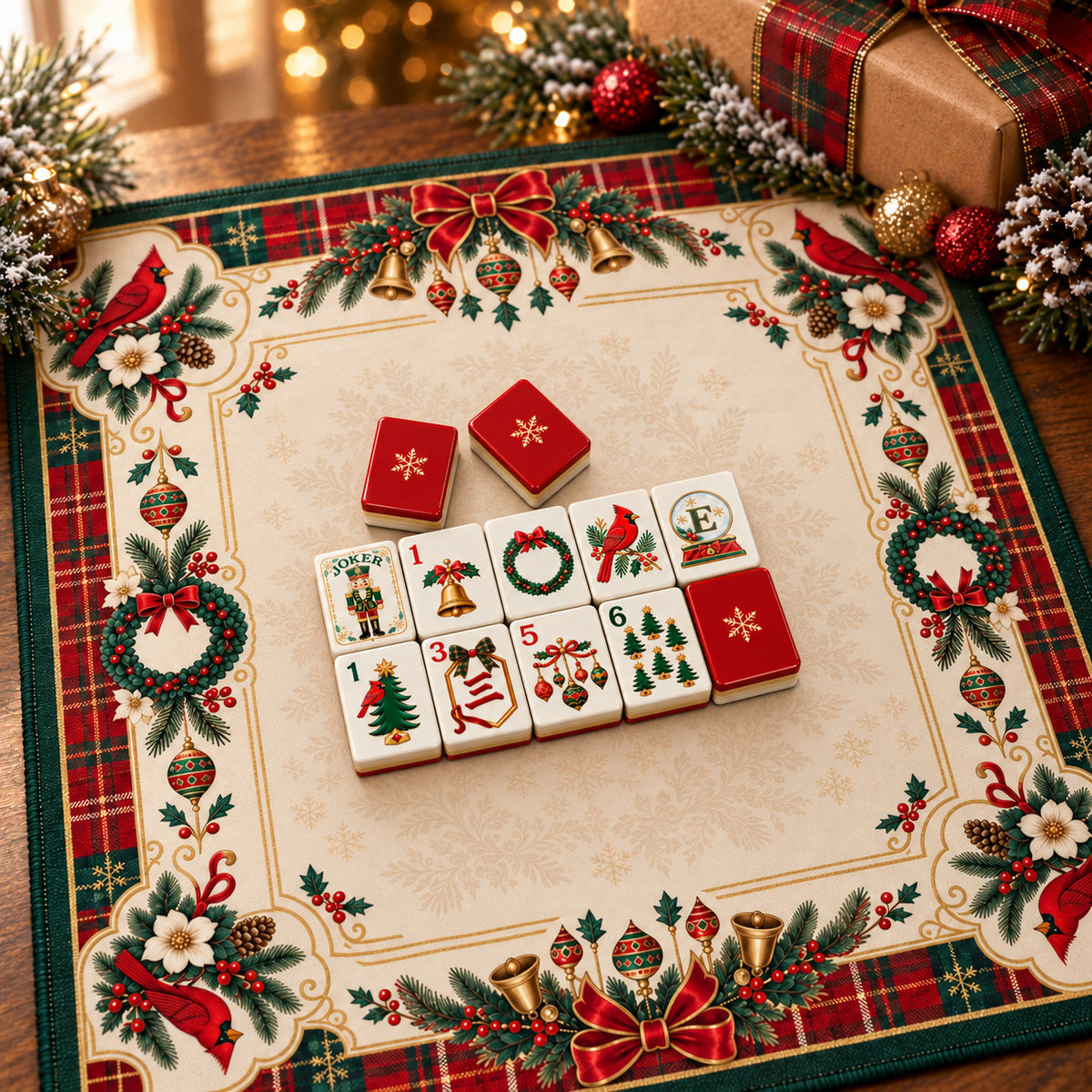
Your Christmas mahjong invitation should include the date, start time, RSVP deadline, location, and what to bring (if anything)—plus a festive hook that signals the vibe. Keep tone warm and specific: "Join us for tiles, treats, and holiday laughs" beats generic "holiday party." Mention if you're running American or another variant, whether beginners are welcome, and if you have sets or if guests should contribute. A one-liner joke ("Warning: tiles may be replaced by eggnog") sets a playful mood. Skip overly formal language—mahjong nights thrive on casual camaraderie. Mahstead hosts send themed digital invites or print cards that coordinate with their set design, which can be a nice touch if your group appreciates cohesion. The best invitations arrive 2–3 weeks early, giving players time to clear schedules and mentally prepare for the Charleston.
What tone works best for a mahjong invite?
Mahjong players expect warmth, humor, and clear logistics. Avoid stuffy corporate language; instead, mirror the irreverent, social nature of the game itself. Phrases like "We're cracking tiles and cracking jokes," "Beginner-friendly chaos guaranteed," or "Dress for comfort, tiles for combat" signal that your game is fun-first. A holiday twist—"Jingle bells, mahjong calls"—isn't cheesy if it fits your group's personality. The invitation tone should also hint at the difficulty level: seasoned players want to know if ringers are welcome; newcomers need reassurance that December 22 isn't too late to learn. One practical line: "All skill levels; we teach the Charleston and laugh at our own mistakes." This sets realistic expectations and invites the right crowd. End with a personal touch—your name, your phone number—so guests feel invited by a human, not a calendar event.
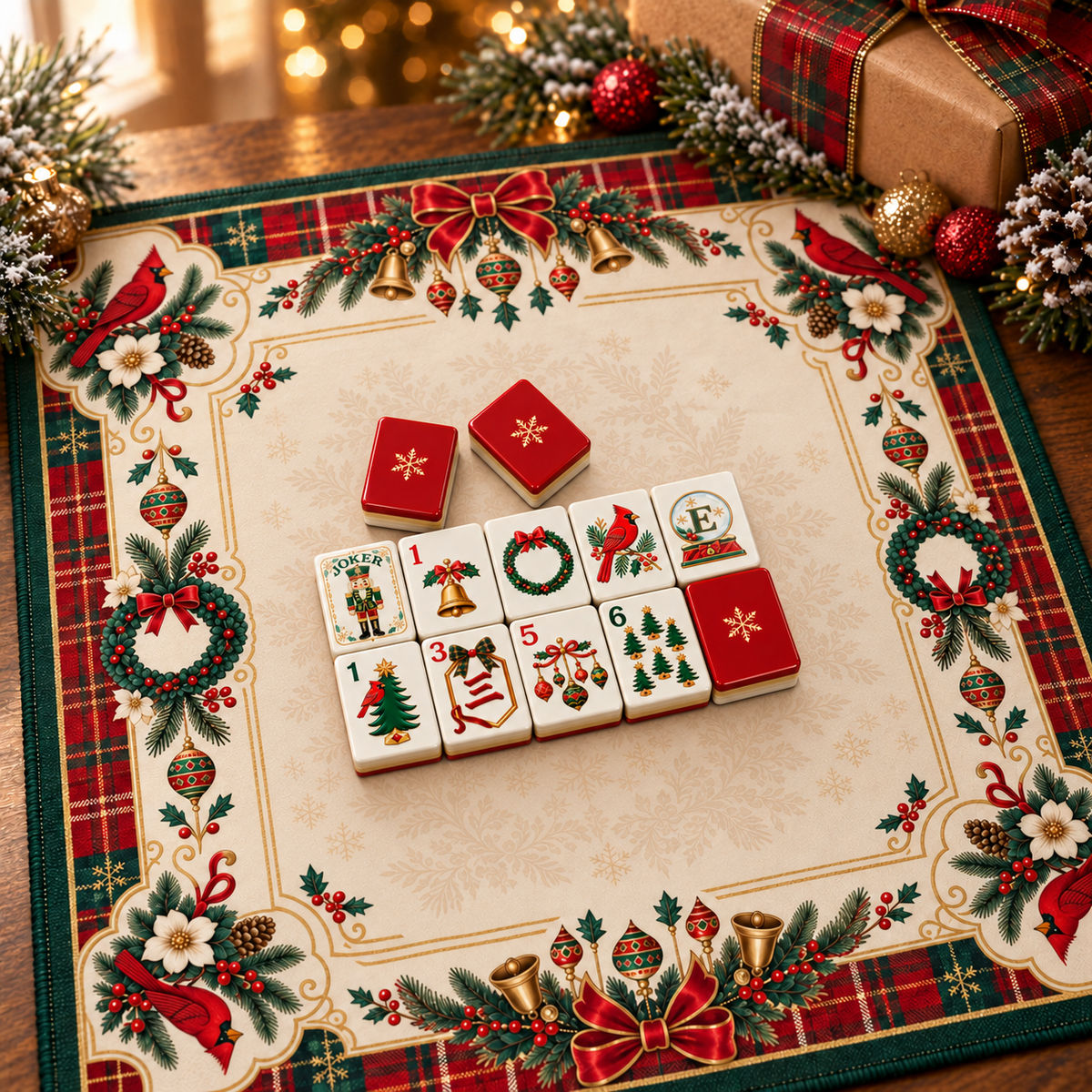
How much detail should you include in the wording?
Give dates, times, and addresses upfront; hold everything else unless it's a barrier to showing up. A tight invite reads: "Christmas Tiles Night | Saturday, Dec. 21 | 6–10 p.m. | My place, [address] | RSVP by Dec. 14." Then add three optional lines: skill level ("Beginner-friendly," "Intermediate+ recommended"), what to bring ("Sets provided" or "Potluck: snacks, drinks, or a set"), and a single fun detail ("We've got holiday napkins shaped like dragons"). Avoid listing rules; players either know them or will ask. Don't apologize for the game's complexity—"Mahjong is easier than it sounds" undermines your authority and confuses newcomers. Instead: "We'll walk you through the first round; by hand two, you'll get it." This assumes competence and creates momentum. Keep the body to 5–6 lines max. Digital invites (email, group chat) can be casual; print invitations warrant a second proofreading pass and a festive typeface or border design.
Invite Type | Best For | Wording Tone | Lead Time |
Email or text | Regular group, known players | Casual, emoji-friendly, jokey | 2–3 weeks |
Print card (standard) | Mixed skill levels, formal setting | Warm, clear, one fun line | 3–4 weeks (allow design/print time) |
Social media post | Open group, broader reach | Energetic, hashtag-friendly, welcoming | 2–3 weeks |
Group chat message | Tight crew, last-minute fun | Playful, image of your set/snacks | 1–2 weeks |
How do you signal beginner-friendly play in the wording?
New players fear judgment; your invitation should disarm that anxiety instantly. Write: "All levels welcome—we run a teaching-first first round" rather than "Newbies okay." The word "teaching" is active and reassuring; "okay" suggests tolerance, not enthusiasm. If you're hosting a best-selling mahjong sets night, mention it: "I've got the tiles; just bring yourself and an appetite for laughs." This removes the gear burden and signals you're invested. Add a logistical safety net: "Text me if you've never played—I'll send you a quick how-to-play primer." One host success: "First-timers, sit next to a vet. Second-timers, you're the veterans now." This creates a buddy system and normalizes learning in real time. Don't oversell: "Easy to learn, impossible to master" is a cliché and feels sales-y. Instead, be honest: "You'll be calling hands by hand three, I promise."
🎁 See our most-loved mahjong sets & accessories →
What logistical details prevent RSVPs from ghosting?
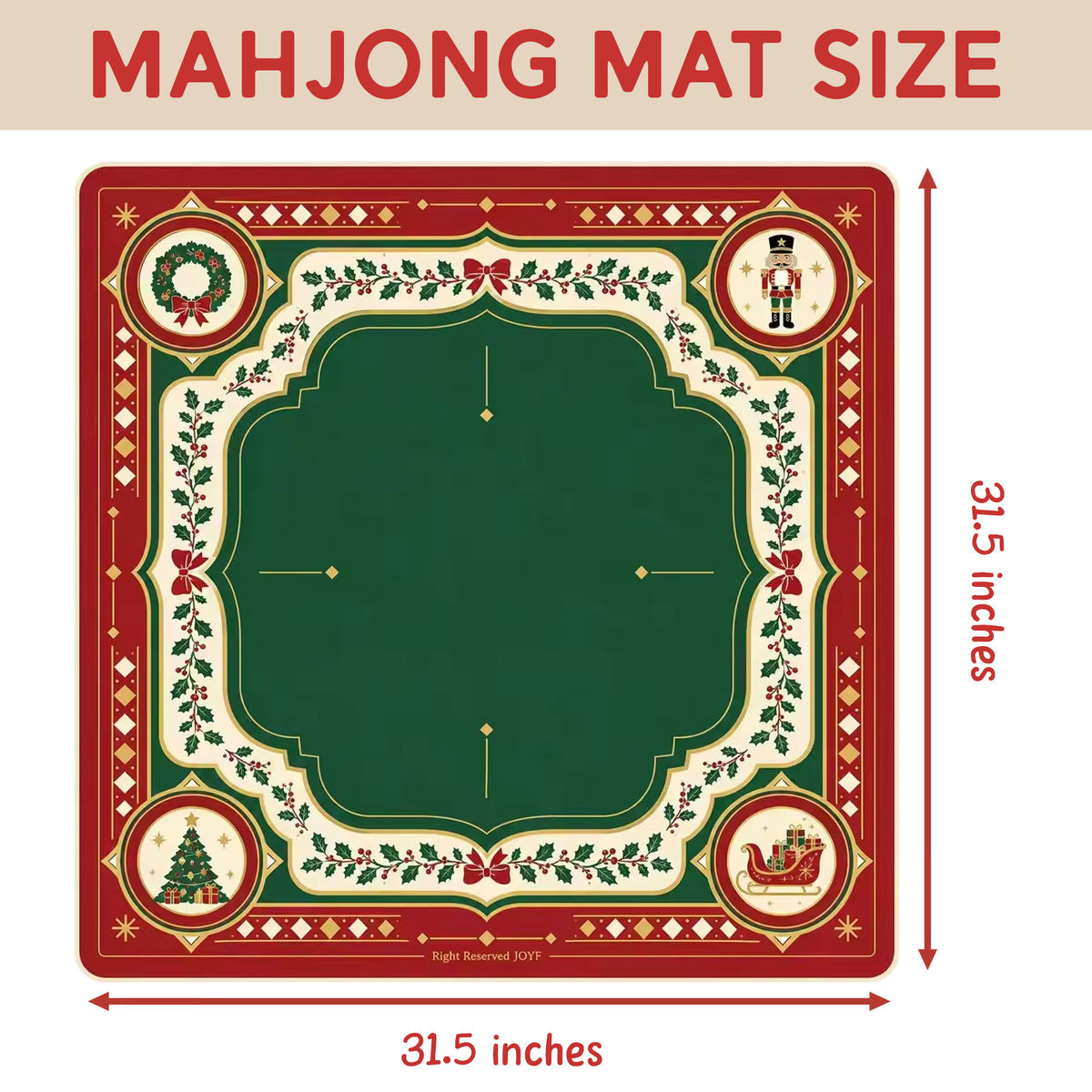
Specificity reduces no-shows. Instead of "Let me know if you're coming," try "Text me by Dec. 14 so I know how many snacks to make" or "We need 4 players minimum; first four RSVPs get in." Deadlines work because they create urgency and honesty—people commit harder when a cutoff exists. Include parking notes if relevant: "Street parking only; arrive by 6:15 or park on Oak Ave." Mention how long the night runs: "6 to 10 p.m., but leave anytime" removes the trap feeling and invites flexibility. If you're using a mahjong mat or formal setup, mention it; players appreciate knowing whether they're playing on a kitchen table or a proper playing surface. Add a rain plan if you're outdoors (unlikely in December, but clear) or a backup date. Finally, ask about dietary needs: "RSVP with any snack requests—allergies, preferences, vegan, etc." This signals hospitality and prevents awkward moments mid-game. One email sign-off that works: "Confirm by texting me, emailing, or carrier pigeon. We accept all methods."
How do you handle the set/equipment question in your invite?
Be explicit. If you're providing everything, say so: "All sets, tiles, and snacks provided." If you're asking guests to bring a set, say it clearly: "Please bring a 152-tile American mahjong set if you have one; I have two backup sets, so don't stress if you don't." If it's potluck-style, break it down: "I've got 2 sets. If we're playing with 3+ tables, bring a set or contribute snacks." Avoid vague lines like "We'll figure it out." Guests interpret that as a sign you're disorganized. If you're rotating who hosts and using engraved Christmas mahjong sets for continuity, frame it positively: "We're testing out a new set this year—hand-carved tiles, festive design. Come see what you think." This positions the equipment as part of the experience, not a burden. For groups without sets yet, mention: "Shopping for a set? Mahstead offers engraved options delivered with free US shipping; perfect if you're thinking of hosting next year too." This is helpful context, not a sales pitch.
✨ Find your Mahstead set — free US shipping →
What phrasing sets the right holiday vibe without being cheesy?
Lean into the intersection of mahjong and Christmas; don't force it. Great lines: "Tiles and tinsel," "Mahjong & mulled wine," "No caroling—just tile calling," or "Forget the chaos of mall shopping; join the organized chaos of Christmas mahjong." Avoid clichés like "It's beginning to look a lot like mahjong" unless your group runs very playful. Instead, use specificity: "We're skipping the ugly sweater contest and going straight to ugly tile hands." This joke lands because it assumes mahjong knowledge. One tactic: pair a Christmas phrase with a mahjong in-joke. "May your quints be plentiful and your jokers be strategic" works if your group understands quints and joker strategy. If inviting mixed groups (some non-players), skip the deep cuts entirely and stick to warm: "Christmas night, friends, food, and a game that'll keep us laughing until the New Year." Simple, inclusive, and true. One host favorite: "Join us for the only tradition better than cookies—tiles, treats, and trash talk." If your crowd uses mahjong racks with pushers, you could joke: "Warning: racks get pushy, especially after eggnog," but only if your regulars know what racks are.
What to check before you send the invite
Date clarity: Write day and date (e.g., "Saturday, December 21"), never just the date. Time zone if remote or attendees travel.
Address completeness: Full street address, apartment/suite number, parking instructions, entry details (ring doorbell? use back gate?).
RSVP method: One clear way to respond (text, email, link). Include your phone number and name.
Variant clarification: Specify American mahjong if that's what you're playing; mention if you're open to other variants.
Equipment ownership: State whether you're providing sets or asking guests to bring one. If mixed, say so.
Dietary/accessibility notes: Ask for allergies, mobility needs, or game preferences upfront.
Cancellation policy: One line—"I'll text if weather forces a reschedule"—so no one wonders.
Tone match: Read it aloud. If it sounds like you, send it. If it sounds like a hotel brochure, rewrite.
🀄 Shop best-selling mahjong sets →
FAQ
How early should I send a Christmas mahjong party invite?
Send 2–3 weeks before the date. This gives players time to block their calendar and, if they're new, to mentally prepare or learn basics. Last-minute invites (under one week) work only for very close groups who text regularly anyway.
Can I use a group chat invite instead of a formal invite?
Yes, if your group is already connected. Include the same core details: date, time, address, RSVP deadline, and what to bring. A group chat works great for regulars; for mixed or new audiences, a formal email or card feels more intentional and reaches people who don't follow the chat closely.
What if I'm inviting both mahjong veterans and complete beginners?
Frame it as "All levels welcome" and name one veteran who'll sit near each beginner. Add: "We'll run a teaching-first first round." Veterans love mentoring; beginners need a buddy. Your invite should acknowledge both comfort levels explicitly to avoid anyone feeling out of place.
How do I phrase it if I don't have a mahjong set yet but want to host?
Invite guests to bring sets ("Potluck style—bring a set or snacks") or say "I'm investing in a set before the party; more details soon." Never ask guests to fund your equipment. If you're serious about hosting regularly, a Christmas mahjong set or best-selling option from Mahstead includes everything you need (tiles, mats, racks available separately) and ships free across the US.
Should I mention the National Mah Jongg League card in the invite?
No. It's niche detail. Instead say, "We play American mahjong using the current-year card"—this signals you're legit without jargon. If inviting beginners, skip it entirely and just say "We follow standard American mahjong rules; I'll teach you."
What's the best final line to close a mahjong invite?
Something warm and personal: "Really looking forward to seeing you and the tiles this year!" or "Can't wait to play with you—bring your A-game or your sense of humor; both work." Avoid "RSVP ASAP" (cold) and "Looking forward to it!" (generic). The closer should feel like it came from you, not a template.


View More
View More
View More
