
How to Play Filipino Mahjong: Rules, Setup & Tiles
Last updated: Nov 23, 2026
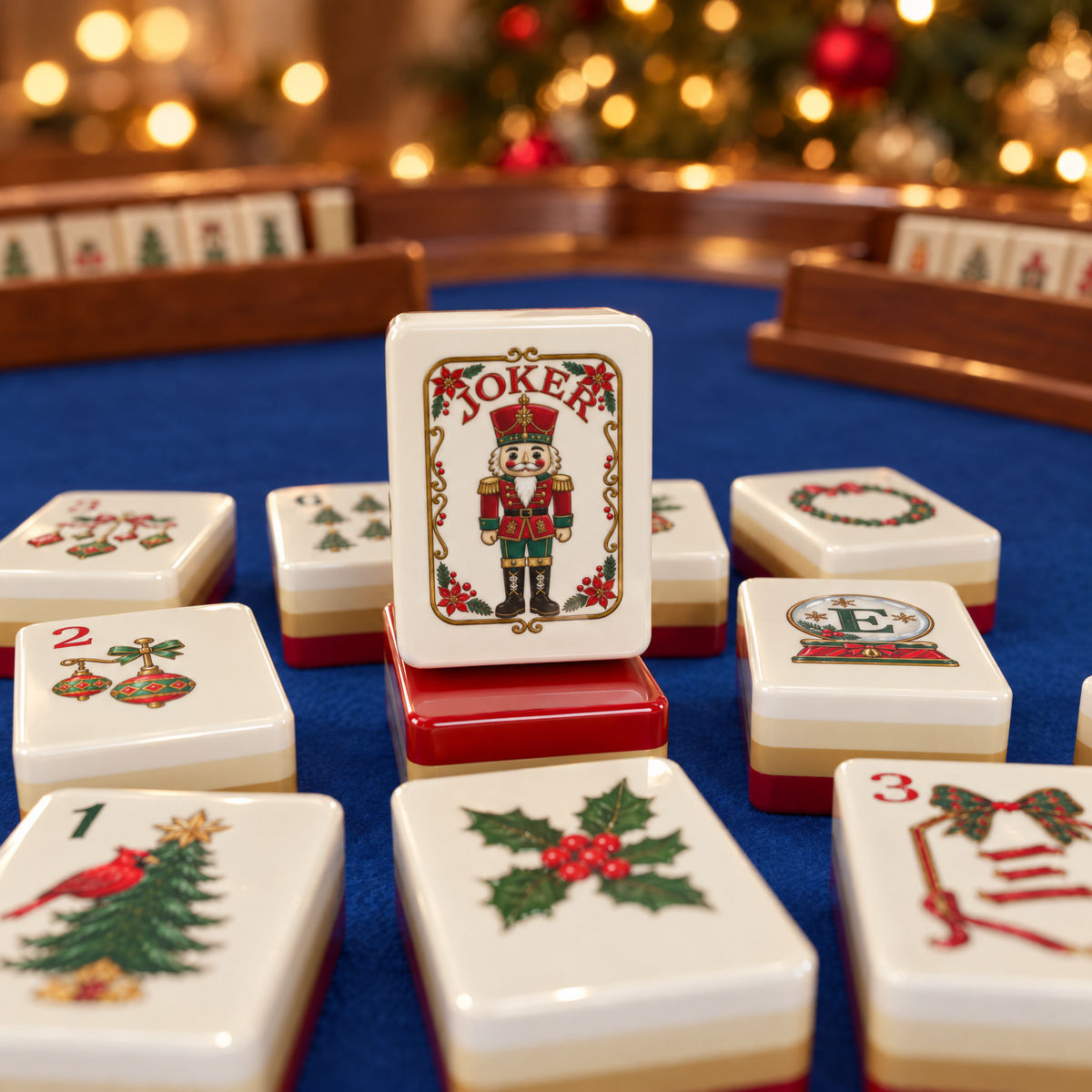
Filipino mahjong (also called Mah-Jongg in the Philippines) strips the game to its essentials: a 108-tile set with Bams, Craks, Dots (1–9 each), four Winds, three Dragons, no Flowers or Jokers, and no reference card. Three or four players compete in 16 rounds (four winds × four positions). Winning hands consist of four melds (pung, kong, or chow) plus a pair; a chow—a sequence like three consecutive Dots—is legal and callable here, unlike American mahjong. The game moves faster than American variants because players draw and discard openly in turn order with minimal pause. Setup takes two minutes; a full game runs 30–45 minutes. You'll need just the tile set, a way to keep score (paper or app), and a flat surface. Filipino mahjong is ideal for groups wanting accessibility and quick rounds. Mahstead's best-selling mahjong sets work well as a starter tile base if you're mixing variants.
What tiles are in a Filipino mahjong set?
A standard Filipino set contains 108 tiles: three suits (Bams, Craks, Dots) numbered 1–9, four copies of each = 108 tiles total. There are four Winds (North, East, South, West), three Dragons (Red, Green, White), no Flowers, Jokers, or blanks. Every tile exists exactly four times. This counts as a "minimal" set compared to American mahjong's 152 tiles and is what most Filipino players carry.

How do you set up and deal tiles?
Before play, place all 108 tiles face-down and shuffle. Each player sits in one of four positions (often labeled East, South, West, North). East player rolls a die to determine who deals first; the dealer and three others each draw 34 tiles and arrange them into a wall of stacked pairs and triplets facing themselves. (Some casual tables use a single draw; rules vary by region.) East draws one extra tile first. The hand begins with the dealer's turn. In competitive or regular home games, one player typically acts as scorekeeper. Setup takes 2–3 minutes; many families keep the same East player for all 16 rounds to speed play.
🀄 Shop best-selling mahjong sets →
What are valid winning hands in Filipino mahjong?
A winning hand ("Hu" or "Win") has four melds and one pair. A meld is either a pung (three identical tiles, e.g., three 5 Dots), a kong (four identical tiles), or a chow (three consecutive tiles in the same suit, e.g., 4–5–6 Bams). The pair must be two identical tiles. Melds can be drawn from your own hand, drawn from a discard, or called from another player's discard if you have the other two matching tiles (you then expose them). Jokers and Flowers do not exist in Filipino mahjong, so every tile must match exactly. A hand fails if you have incomplete melds or an unpaired tile at the end of your draw phase. Scoring varies (some tables use points; others use payments per player), but all winning hands are equal in rank—speed and luck matter more than hand complexity.
How are turns and discards managed?
Each turn follows this order: (1) Draw one tile from the wall or from a discard. (2) Declare any melds you can call from recent discards. (3) Discard one tile face-up to the center. The next player in turn order then draws and plays. If your discard completes another player's winning hand, you must pay them (or pay a shared pot, depending on house rules). If a discard can complete a pung or chow for a player waiting for one tile (called "Ting"), that player may claim it loudly before the next draw. Turns move quickly: East → South → West → North → East. Most casual games pause only to verify a win; veteran players complete rounds in 5–8 minutes per hand.
How does Filipino mahjong differ from American mahjong?
Feature | Filipino | American |
Tile count | 108 | 152 |
Suits | Bams, Craks, Dots (1–9) | Bams, Craks, Dots + Winds, Dragons, Flowers, Jokers |
Chows allowed | Yes, sequences are legal and callable | No; only pungs, kongs, quints, sextets |
Reference card | None (hand patterns memorized) | Required; current year National Mah Jongg League card |
Jokers | None | 8 jokers (per 152-tile standard) |
Game length | 30–45 minutes (16 rounds, 4 winds) | 60–90 minutes per session |
Strategy depth | Speed & tile recognition | Card memorization & hand planning |
Players | 3–4 | 4 (occasionally 2–3) |
This comparison shows why Filipino mahjong appeals to groups seeking a quicker, tile-focused game, while American players value the strategic variety and reference card system.
🎁 See our most-loved mahjong sets & accessories →

What common mistakes do new players make?
Calling a meld too early: Beginners often expose a pung or chow before they're sure they need it, blocking future options. In Filipino mahjong, once you claim a discard, that meld is locked; take a breath before calling.
Forgetting chows are legal: Players raised on American rules sometimes assume sequences are banned. They're not—a 3–4–5 Crak is a valid meld.
Discarding your winning tile: Under pressure, players dump a tile that would complete their hand if returned via a discard by another player. Track what you need and what's safe to throw.
Ignoring the count: At 13 tiles in hand, you're one draw away from a win. Count your melds and your needed pair constantly. Many hands are lost because a player didn't notice they were waiting.
Mixing house rules mid-game: Different regions and families use different scoring and calling rules. Agree on rules before dealing—write them down if playing with new people.
What to check before you buy a Filipino mahjong set
• Tile count: Confirm it has 108 tiles (not 144, 152, or 160). • Material: Bamboo or bone sets are traditional; plastic or acrylic sets are modern and durable. • Suit markings: Bams, Craks, Dots must be clear and large enough to read at a glance in low light. • Wind and Dragon labels: Ensure characters (often Chinese) or symbols are bold and consistent. • Weight and feel: Heavier tiles (bone/bamboo) move and stack better during play; very light plastic can feel cheap. • Case or bag: A protective case extends set life, especially if you transport it often.
If you're new to the game, start with a best-selling acrylic or plastic set—they're forgiving and affordable. Once you play weekly, upgrade to a set with engraved tiles or a custom design if you want to keep it long-term.
✨ Find your Mahstead set — free US shipping →
How long does a game take and how many players?
A full Filipino mahjong session is 16 rounds (East, South, West, North played four times). Each round takes 5–15 minutes depending on pace and experience. A typical 16-round game runs 1.5–2 hours with breaks. Three or four players is standard; three-player games are faster and more aggressive, while four-player games are more social and slightly longer. Casual home tables often play multiple sessions back-to-back or stop after eight rounds if time is tight.
Is there a ranking or scoring system?
Yes. After each win, the winning player collects points or money from the other three (payments vary by house: some pay 1 point per meld, others pay a fixed amount per win, or a pool is split). At the end of 16 rounds, the player with the most points or lowest debt wins the session. Some tables use a simplified scoring where every win is "1 point" and ties are broken by hand type (e.g., self-drawn beats a discard). The scoring system is flexible and house-specific; agree before you start. Keeping a simple tally on paper works fine for casual play.

FAQ
Can I play Filipino mahjong with an American mahjong set?
Yes, but not efficiently. An American set has 152 tiles including Flowers, extra Jokers, and Winds/Dragons in different counts. You'd have to remove 44 tiles and treat Jokers as blanks or skip them—awkward. Use a dedicated 108-tile set for authentic play.
Is there a reference card I need to memorize?
No. Unlike American mahjong, Filipino mahjong has no official yearly card. Winning hands are intuitive: four melds and a pair, period. This makes it faster to learn but requires good tile-counting memory during play.
How do I call a tile from another player's discard?
If an opponent discards a tile and you can use it immediately to complete a pung, chow, or your winning hand, speak up before the next player draws. Say "Pung!" or "Win!" and place your tiles on the table. If multiple players claim the same discard, the player closest to the current dealer (usually the one whose turn is next) gets it.
What happens if two players reach a winning hand at the same time?
In most Filipino rules, the player whose turn it is takes priority. If both drew from the wall simultaneously, the rule is house-specific—some award it to East, others replay the hand. Agree on this before play starts.
Can I discard a tile that completes another player's waiting hand?
Yes, you must discard something each turn. If it wins another player's hand, you typically pay them or contribute to the pot. This is why counting and tracking what other players might need is crucial strategy.
What's the difference between "Ting" and a win?
Ting means you're waiting for one specific tile type to win; you've declared you're ready. A win means that tile has arrived (via your draw or someone's discard) and you've completed your four melds and pair. Ting is announcing you're close; win is the actual completion.


View More
View More
View More
