
Mahjong Tournaments in North Carolina: Find & Join Games Today
Last updated: Nov 23, 2026
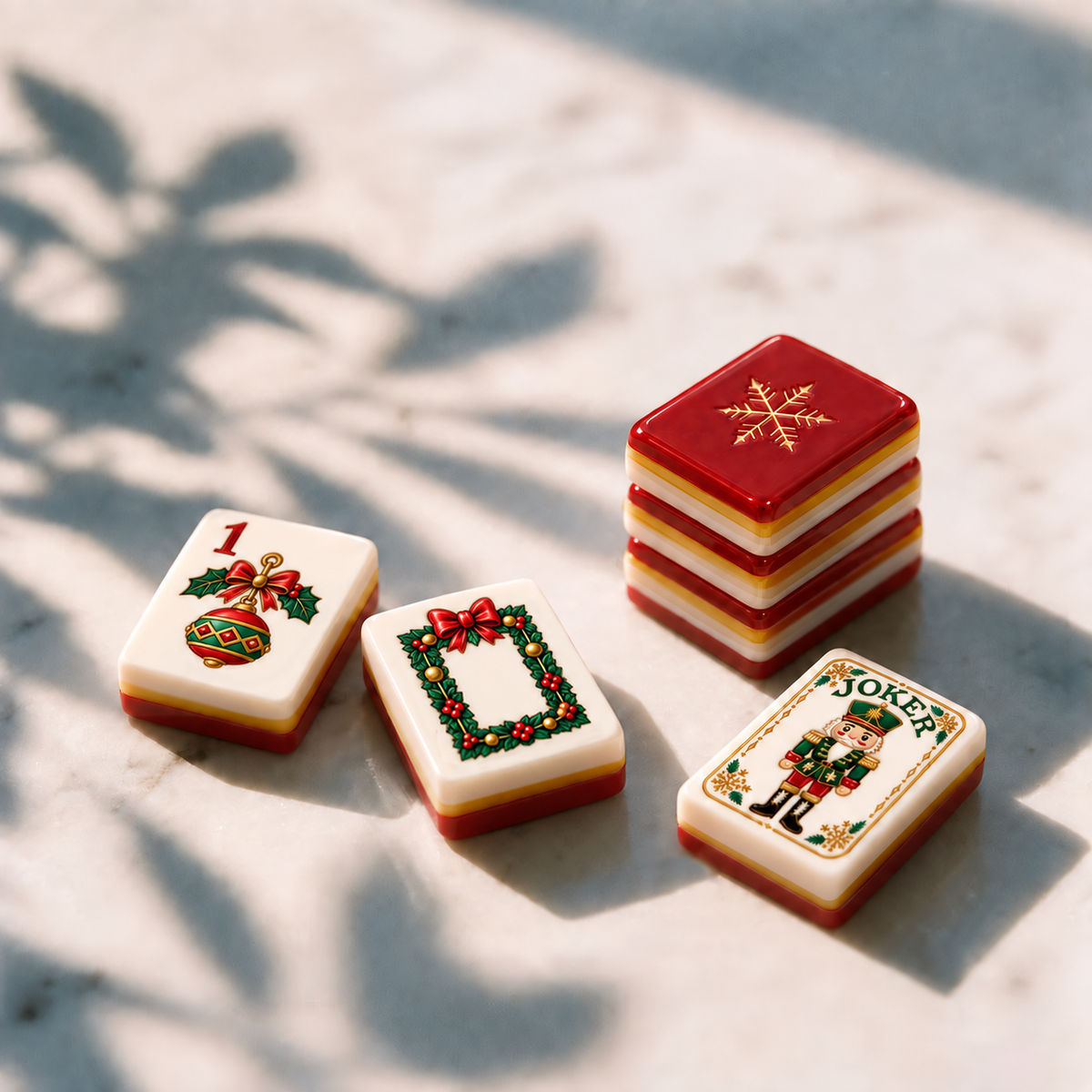
North Carolina's mahjong scene centers on community centers, country clubs, libraries and synagogues in Charlotte, Raleigh, Greensboro, and the Triangle area—though organized NMJL-sanctioned tournaments are rare. Most active play happens in regular weekly games hosted by local clubs or informal groups; start by contacting community centers, Jewish organizations, and senior centers to ask about mahjong nights. The American game uses 152 tiles plus 8 jokers per set, follows the National Mah Jongg League card (revised yearly), and typically takes 1–2 hours per hand. Players at all skill levels welcome newcomers. To prepare, learn the tiles and hand basics, then join a beginner-friendly game to absorb table culture. Mahstead ships complete 160-tile acrylic sets across the US, ideal for hosting your own weekly game.
Where do mahjong players gather in North Carolina?
Your best entry points are community recreation departments, libraries, senior centers, and country clubs—they host open mahjong nights or can point you to active groups. Many synagogues in Charlotte, Raleigh, and the Triangle also run Thursday or Sunday games. Post on local Meetup or Facebook groups asking "mahjong games near me" and you'll likely find weekly tables. Larger cities like Charlotte and Raleigh support multiple standing games; smaller towns may have fewer but welcoming informal groups. Start by calling your local community center's program coordinator or checking their fall/winter activity calendars—mahjong classes often advertise there.

What's the difference between casual weekly play and tournaments?
Casual games follow NMJL rules but run at players' pace, usually in homes or clubs on a set night each week. Tournament play (rare in NC) uses the same 152-tile sets and current-year card but enforces strict timing—typically four games per round, with pairings determined by standing. Winners accumulate points toward rankings. Most North Carolina mahjong is casual play; even competitive players treat it as social recreation with stakes (often coin-per-game pools, not money), not high-pressure ranking events. If you love competitive structure, you may travel to NMJL sanctioned events in neighboring states or attend national championships held annually elsewhere. Weekly games build your confidence and card-reading speed faster than any class.
How do I prepare to join my first North Carolina mahjong game?
Start with the fundamentals: understand the 152-tile American set (Bams, Craks, Dots, Winds, Dragons, Flowers, Jokers), learn how the Charleston (pre-game tile pass) works, and memorize basic hand patterns from the current year's NMJL card. Watch or play 2–3 practice games with experienced friends or a beginner instructor before joining a public table. Bring a notepad to jot down which hands are in play that evening—many groups project or print the card. Dress casually; mahjong nights are relaxed and often include snacks and coffee. Arrive early, explain you're new, and most groups will pair you with a mentor player for your first round. You'll feel lost for 30 minutes; that's normal. By game three, tile recognition clicks.
🀄 Shop best-selling mahjong sets →
What equipment do I need if I host a game?
A complete 160-tile American mahjong set (includes 152 playing tiles plus spares) is your foundation. Add a quiet, flat playing surface—either a dedicated mahjong mat or a padded table cover—to protect tiles and reduce noise. Racks with pushers keep your hand organized and make draws faster and cleaner; four players with racks dramatically improve game flow. A travel bag or hard case protects your set if you move it between homes or to a club. Most casual games skip electronic scoring in favor of pencil-and-paper tallies or coin pools. One tile rack per player—not a luxury, but a courtesy that shows you're serious about hosting well.
Item | Why it matters | For you if… |
160-tile acrylic set | Durable, consistent tile feel, easy shuffle & draw | You host weekly or lend sets to friends |
Mahjong mat | Quiets tiles, defines play zone, easier cleanup | You play on a dining table or public space |
Four racks + pushers | Speeds game, reduces handling errors, cleaner holds | You play with beginners or value smooth turns |
Printed NMJL card | Everyone sees hands simultaneously, no confusion | Your group is mixed skill or new to the card |
Soft case or bag | Protects tiles from chips, dust, moisture | You transport the set or store it long-term |

What are the unwritten rules of North Carolina mahjong culture?
Arrive on time—a late player throws off pairings and delays starts. Keep your rack quiet; loud tile-clicking is annoying in a home setting. Never show your hand to non-players or spectators until you win. Ask before touching another player's rack or tiles. If someone wins, congratulate them; if you lose a tight hand, don't interrogate their strategy—save that for afterward over coffee. Pay your pool winnings or losses immediately in cash (most games use coins or small bills). Don't coach other players during active hands unless they ask. Most groups play 2–4 hours per session and welcome breaks; honor the agreed-upon start and end times. Many NC groups are multigenerational and treasure the tradition—show respect for the game's history even if you're brand new.
🎁 See our most-loved mahjong sets & accessories →
How do I find beginner-friendly groups in my NC city?
Call your city's Parks & Recreation department and ask if they offer mahjong classes or know active groups. Check your public library website for "mahjong club" or "mah-jongg" (both spellings appear). Search Facebook for "[your city] mahjong," "[your city] mah-jongg," or "[your city] game night." Ask at local senior centers, YMCA, or Jewish community centers if they host open play. Meetup.com often lists ongoing game groups by skill level. When you contact a group, be honest about your experience and ask if they welcome learners—most do. If no official group exists in your town, consider starting one: post on Nextdoor or a community Facebook group saying "Looking for mahjong players—hosting a beginner game Thursday nights at my home." You'll be shocked how many people respond.
✨ Find your Mahstead set — free US shipping →
What to check before you buy equipment
Tile quality: Acrylic tiles shouldn't slide unpredictably or feel slippery when shuffled. Test a set or read player reviews if you can. Set completeness: Confirm your 160-tile set contains all 152 playing tiles (three suits 1–9 × 4 copies each, 16 winds, 12 dragons, 8 flowers) plus 8 jokers plus spare tiles; count before hosting your first game. Mat fit: Measure your table and confirm the mat doesn't overhang by more than 2 inches on each side. Rack height: If you have limited hand dexterity or arthritis, test a rack angle before buying four—some groups use sloped racks instead of flat ones. Card legibility: Print the current-year NMJL card on cardstock (11×8.5 inches, color if possible) so all four players can read hands without leaning. Storage: Keep tiles in a sealed case to avoid dust and humidity; a basement or attic can warp acrylic tiles over years.

FAQ
Are there official NMJL-sanctioned tournaments in North Carolina?
North Carolina does not host regular NMJL sanctioned tournaments; most NC play is casual weekly games. Sanctioned events occur annually in other regions (check the National Mah Jongg League website for the current calendar). However, you can travel to neighboring states for competitive events if you wish.
Can I play American mahjong if I've only played Chinese or Hong Kong mahjong before?
Yes, but the rule sets are very different. American mahjong allows no chows (sequences), uses only pungs/kongs/quints/sextets, and requires hands from the current NMJL card. We recommend reviewing the American ruleset before joining your first NC game to avoid confusion.
What does it cost to join a casual weekly game in North Carolina?
Most casual games use a small coin pool (typically $1–5 per person per game) or no money stake at all—purely for fun and bragging rights. Ask the host group upfront about their stakes before attending.
How long does a single mahjong hand take to play?
A typical hand runs 15–25 minutes for intermediate players, 30–45 minutes for beginners, depending on table experience and how quickly players recognize hands on the card.
Do I need my own set if I join a weekly game at a community center?
No—most clubs own multiple sets for communal play. However, hosting your own weekly game requires one complete 160-tile set, a mat, and racks to make the experience smooth and rewarding for your guests.
How often should I practice before joining a tournament or public game?
Play 5–10 casual practice hands with a friend or instructor first. Your speed and recognition improve fastest at the table among real players, not alone or in videos.


View More
View More
View More
