
Mahjong Party Ideas in Omaha: Host, Learn & Play Together
Last updated: Nov 23, 2026
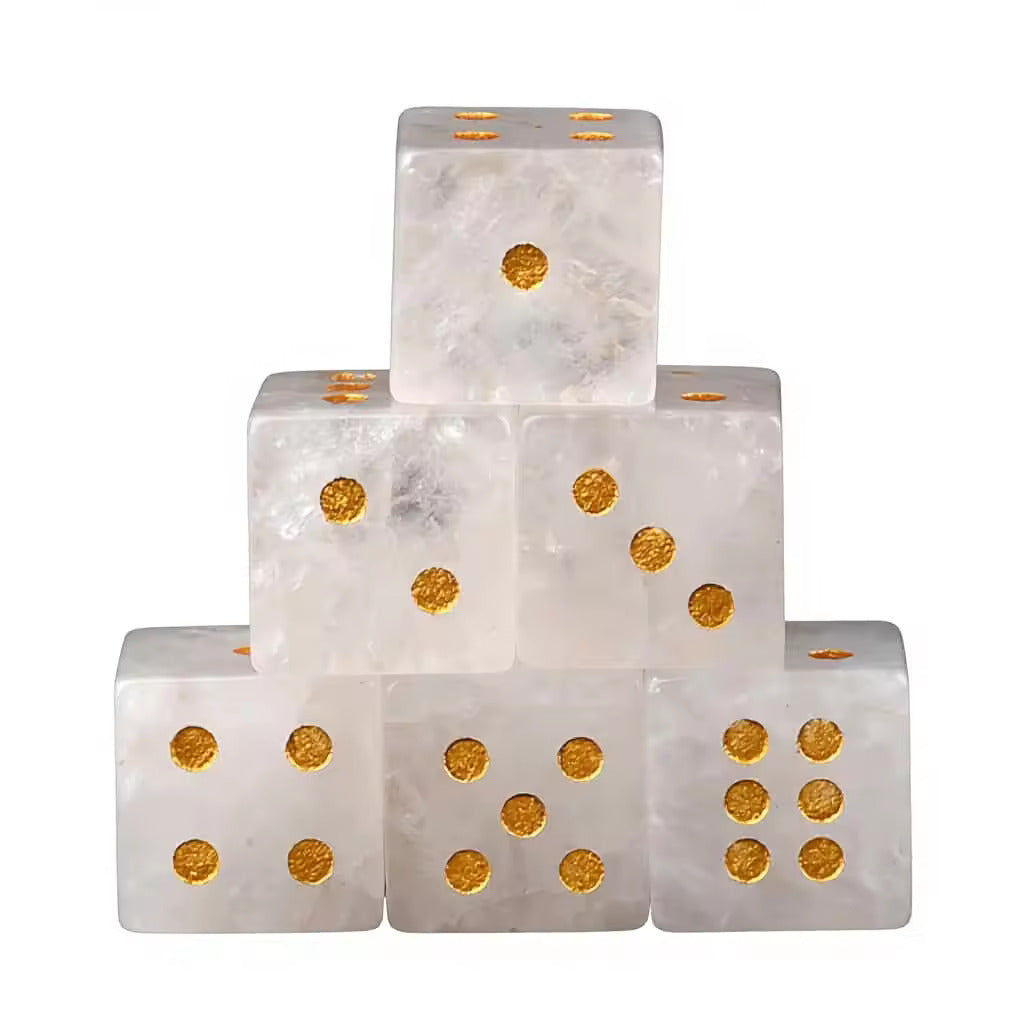
Mahjong party hosting in Omaha starts with finding your crowd—check community centers, libraries, synagogues, country clubs, and Meetup boards for existing groups, or invite friends and teach them from scratch using the current National Mah Jongg League card. Plan for four players, a flat surface (52" × 52" minimum), one set of 152 tiles plus 8 jokers with a mat and racks to keep tiles organized, snacks, and 90 minutes for the first game. If you're new, buy a best-selling mahjong set with a mat; experienced hosts can add engraved or seasonal designs to make nights feel special. Expect setup to take 10 minutes, the Charleston (tile pass) to take 5 minutes per hand, and each hand to last 15–30 minutes depending on skill. Avoid common pitfalls: don't rush teaching, don't let people play without the current year's card, and don't overcrowd the table.
American mahjong is a four-player game built on ritual, pattern recognition, and strategy—perfect for Omaha game nights. Each hand uses exactly 152 tiles (no more, no fewer) dealt from a wall, drawn one at a time, and matched to patterns printed on the National Mah Jongg League card issued every spring. Unlike Chinese or Riichi mahjong, American rules forbid sequences (chows); instead, you build sets of identical tiles: pungs (3), kongs (4), quints (5), and sextets (6). The first player to complete a hand matching the card and declare "Mahjong" wins the hand and scores points. A full game is typically eight hands—two with each player as the dealer—and takes two to three hours including breaks.
Where do Omaha mahjong players gather?
Start by searching community centers (many host weekly drop-in games), public libraries (bulletin boards and librarian referrals), synagogues (traditional hosts of mahjong communities), country clubs, and Meetup.com for active groups. Call ahead to confirm times, house rules, and whether beginners are welcome. If no group fits your schedule, post on local Meetup boards or neighborhood Facebook groups: "Anyone interested in learning American mahjong Thursday evenings?" A surprising number of people want to play but don't know how to start. Once you find 2–3 interested people, you have a nucleus for hosting your own weekly game.

How do you set up a mahjong party table for beginners?
Your setup makes or breaks the first game. You need: one 160-tile acrylic set (includes 152 playing tiles plus spares), a 52" × 52" felt mat to protect tiles and muffle sound, racks with pushers (one per player to organize their hand), the current year's National Mah Jongg League card printed or displayed, a pencil and scoresheet, two standard dice, and if you're teaching, a printed hand-reference sheet with 2–3 beginner-friendly examples. Place the mat at the center of a table so all four players sit equidistant. Assign seats using compass directions (North, East, South, West); dealer traditionally sits East and plays first. Lay out the card prominently so everyone can see it. Avoid glare on tiles by positioning lamps to the side, not overhead. Have pen and paper ready for scoring right away. Mahstead's best-selling sets include mats and everything needed except the card and dice—unpack the night before so you know what you're working with.
🀄 Shop best-selling mahjong sets →
What's the fastest way to teach beginners the Charleston and basic hand structure?
The Charleston is the tile-passing ritual before each hand—it's also where many new players freeze. Explain it in three steps: (1) Right pass — each player passes 3 tiles face-down to the right neighbor; (2) Center pass — each player passes 3 tiles face-down across the table; (3) Left pass — each player passes 3 tiles face-down to the left. Remind players not to peek. After the Charleston, the dealer draws from the wall and places it in the center; each other player follows clockwise. Then skip the Charleston explanation on turn and just do it—muscle memory beats words. For hand structure, show one card example: a beginner section (e.g., "2024 hand top") that uses small numbers and one clear pair plus three pungs of numbers 1–5. Walk through it: "This hand needs a pair of 1 Dots, three identical 2 Craks, three identical 3 Bams, three identical 4 Dots, and three identical 5 Craks." Count tiles on your fingers as you say it. Have them mock-build the same hand with tiles so they feel what "identical" means. Repeat once more with a second beginner hand, then play. Mistakes are teaching moments; pause briefly to correct them, but keep the game moving.
How do you score, track wins, and keep the night fun for mixed skill levels?
American mahjong scoring is simple: the player who declares Mahjong first (completing and matching the card) wins the hand and earns points based on the hand's published point value on the card (ranges vary widely). In a typical eight-hand game, keep a running scoresheet with each player's name and tally points after each hand. At the end of eight hands, whoever has the most points wins. Don't overthink it for the first few weeks—just play to learn. For mixed skill levels, seat new players next to experienced ones, not across from them; they'll absorb strategy by watching. Set a light tone: celebrate all wins equally regardless of point spread, crack jokes about tile droughts, and treat it as fun first, competition second. After hand five or six, pause for refreshments and chat—breaks ease tension and let beginners process. If someone wants to "kibitz" (sit out and watch), let them for one hand so they feel included. Most importantly, never rush or make anyone feel dumb for not knowing the card or rules yet; everyone started there.

What mahjong party themes, decor, and gift ideas make Omaha nights memorable?
Themed nights add personality. A "Lunar New Year" party pairs a set with red-and-gold napkins and fortune cookies. A "Tile Appreciation" night spotlights engraved or custom-designed sets with titles, artwork, or inside jokes—people love playing with sets that feel personal. A "Holiday Mahjong" night works year-round but shines with seasonal designs around November–December. For hosting gifts, consider a custom engraved set (a wonderful thank-you to the person who teaches a group), a travel bag for someone who plays at multiple venues, or elegant mahjong racks with pushers in a color that coordinates with their home décor.
Party Theme | Best For | How It Works |
Lunar New Year | Any month; celebrates heritage | Red/gold décor, traditional snacks, engraved "Happy New Year" set |
Tile Art Showcase | Groups with veteran players | Display 2–3 artisan sets as centerpieces; play with one; discuss designs between hands |
Holiday Night | November–December | Seasonal table setting, festive snacks, holiday-themed set if available |
Beginners' Tournament | Teaching new players | Friendly eight-hand format, scorecard prominently posted, winner gets small trophy or bragging rights |
Travel Night | For roving hosts | Everyone brings a tile bag; take turns hosting; feature different mats and sets each week |
🎁 See our most-loved mahjong sets & accessories →
How do you avoid common first-game mistakes and keep energy high?
Don't start without the current year's card. Hands printed from three years ago won't match and the game breaks down. Print or display the card large enough everyone can read it from their seat. Don't leave jokers unaccounted for. Count them aloud before shuffling the wall: eight jokers total, no more in the hand than tiles you need to complete a set. Don't explain all the rules at once. Teach the Charleston and hand structure, play one full hand watching everyone closely, then teach scoring. Let them feel the game first. Don't let lulls go silent. Have music at low volume, snacks within reach, and funny tile-naming traditions ("Bird Bam for 1 Bam, Soap for White Dragon"). Don't seat the newest player as East dealer on hand one. Let someone experienced sit East so the rhythm flows and nobody feels stuck explaining to the dealer. Don't play nine hands. Eight hands is a complete game; an extra hand often leads to fatigue and frustration. If people want to keep playing, start a fresh game with shuffled dealer positions.
Most first-game hiccups come from skipping the Charleston explanation, using an outdated card, or trying to teach everything at once. If you've faced these in your own games, you know: one clear demo of the Charleston beats ten verbal descriptions, and playing the first hand slow builds confidence faster than any rule book. For hosting prep, check the National Mah Jongg League website for the current card before your party, print it in color, and laminate it if you host weekly—it's your reference bible.
What should you check before you buy your first hosting set?
Before you invest in a set for regular hosting, ask yourself: Will I play weekly or occasionally? Weekly hosting justifies a best-selling set with a sturdy mat and racks you won't tire of. Do I want a generic set or something that reflects my group's style? Generic works fine; custom or engraved sets create a sense of belonging and make people want to come back. Will I transport the set or keep it at one table? Occasional transport calls for a bag; permanent setup doesn't. Do I host mixed skill levels or experienced players only? No difference in gear, but you'll want extra copies of the card for teaching. Do I have reliable storage? Acrylic sets and felt mats stay in good shape for years in a closet or shelf; tiles and cards should be kept flat and dry. Once you've answered these, a single 160-tile set with a mat and racks covers everything—no need to buy extras. Spares come built in.

FAQ
What's the bare minimum to host a mahjong party for four people in Omaha?
One 160-tile set, a mat, four racks with pushers, the current year's National Mah Jongg League card, two dice, pencil, scoresheet, and a flat table. Everything except the card and dice comes in our best-selling sets. Print the card free from the National Mah Jongg League website.
How long does a beginner mahjong game take?
Setup takes 10 minutes, the Charleston 5 minutes per hand, and each hand 15–30 minutes depending on experience. Eight hands (a full game) typically take two to three hours including breaks and teaching.
Can I host mahjong in a small apartment, or do I need a big table?
A 52" × 52" minimum space is ideal; a standard dining table works if all four players sit comfortably without elbows touching. Stand-alone tile racks and a felt mat maximize space by keeping tiles vertical instead of spread flat.
Is there a way to make a mahjong party feel special for experienced players?
Yes—host themed nights (Lunar New Year, seasonal), use engraved or artisan sets, provide scorecards with a trophy or prize for the winner, and rotate hosts so each brings unique décor or snacks. Many experienced players value ritual and beauty as much as the game itself.
Should I teach new players the official scoring rules before the first game?
No—teach the Charleston, hand structure, and how to match the card first. Play two hands watching closely, then introduce scoring so they understand why points matter. Full scoring complexity can wait until hand five or later.
What's the best way to find existing mahjong groups in Omaha to join before hosting my own?
Check Meetup.com, ask at community centers and libraries, contact synagogues and country clubs, and post on neighborhood Facebook groups. Call ahead to confirm times and house rules; most established groups welcome new players to watch or play alongside a mentor.
Can I host mahjong with just three people, or do I need exactly four?
American mahjong is designed for four players. Three-player and two-player variants exist but follow different rules and use modified tile counts. For true American mahjong, invite a fourth or find a group where you can rotate players between games.
Where should I store a mahjong set if I host regularly?
Keep tiles and mats flat in a dry closet or shelf, away from direct sunlight (UV fades acrylic). A travel bag or case keeps everything organized and protected if you transport it. Don't stack heavy items on top. ✨ Find your Mahstead set — free US shipping →


View More
View More
View More
