
Hong Kong vs Malaysian Mahjong: Rules, Tiles & Play
Last updated: Nov 23, 2026
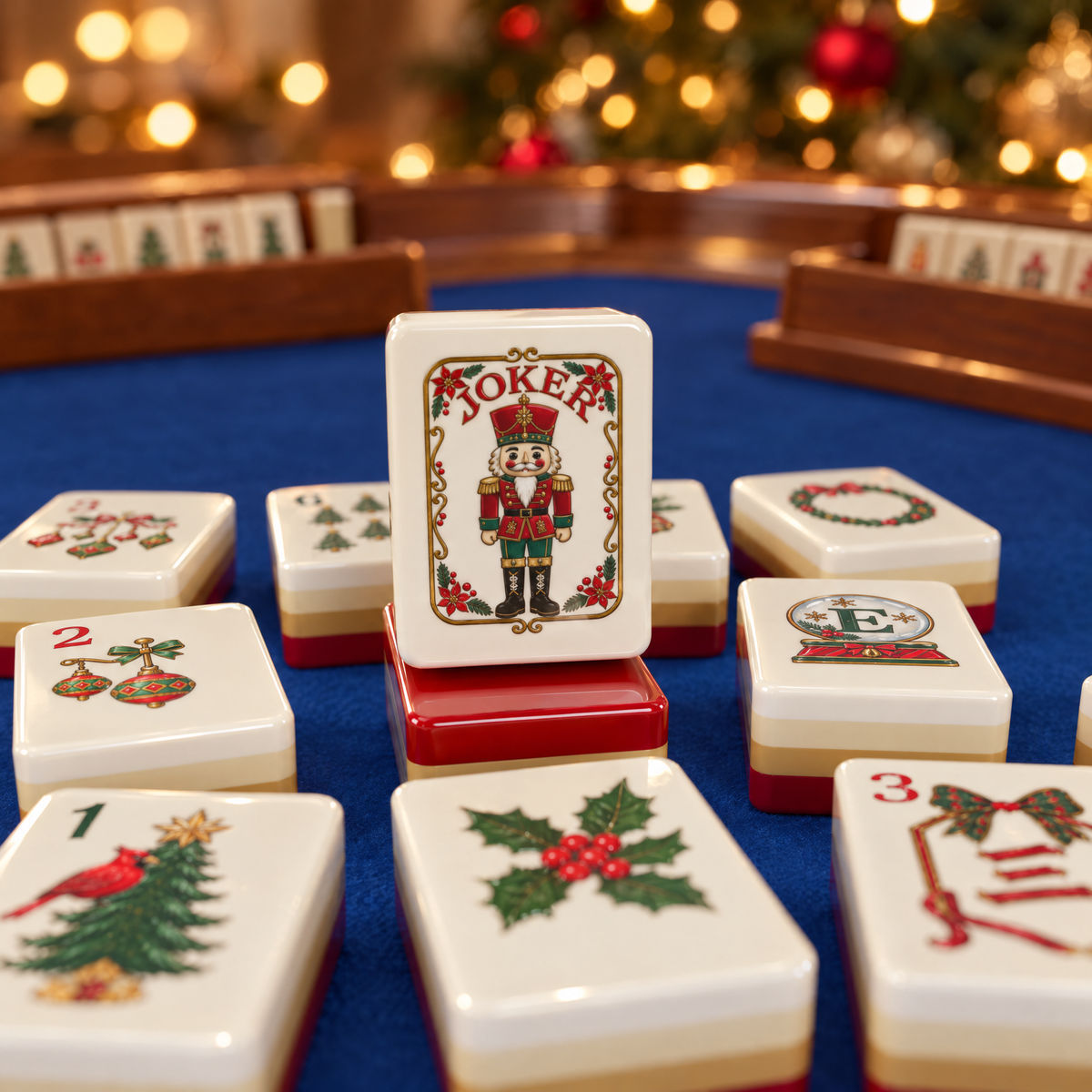
Hong Kong mahjong uses 144 tiles, scores primarily on speed and winning patterns, and allows chows (sequences like 1–2–3). Malaysian mahjong typically uses 152 tiles, emphasizes bonus tiles and melds, and has a points-based system where certain hands are worth significantly more. The core gameplay—drawing, discarding, calling melds, winning—remains the same, but hand values, the role of honor tiles, and what counts as a legal win differ sharply. Hong Kong is faster and more pattern-focused; Malaysian rewards strategic holding and tile reads. Neither uses the National Mah Jongg League card that governs American mahjong. If you're hosting games across these regions, clarify the ruleset before dealing; our best-selling mahjong sets work equally well for any variant—what changes is the scoresheet, not the tiles.
How many tiles does each variant use?
Hong Kong mahjong uses 144 tiles: three suits (Bamboo, Character, Dot) numbered 1–9 with four copies each (108 tiles total), plus 16 honors (four each of North, East, South, West) and 16 bonus tiles (eight Flowers + eight Seasons). Malaysian mahjong typically uses 152 tiles: the same 108 number tiles and 16 honors, plus 16 bonus tiles plus 8 additional tiles (often blanks or special markers). This extra count gives Malaysian players more flexibility in melds and hand-building. The practical difference: Hong Kong games end faster because the pool depletes quicker; Malaysian rounds often go longer.

What scoring rules set them apart?
Hong Kong mahjong scores based on limit hands—certain patterns (like "all Pung," "all Craks," "seven pairs") earn fixed or scaled points depending on whether you won by draw or discard. The point value matters less than achieving the legal pattern; once you win, the hand is verified against standard patterns, and points are awarded accordingly. Malaysian mahjong uses a points accumulation model: every meld, bonus tile, and winning pattern earns a base value (often 1, 2, 4, or 8 points per element), summed at the end. A triple Pung wins differently than a pair of Dragons—each scores its own contribution. Hong Kong rewards knowing the 80–100 classic winning shapes; Malaysian rewards reading the table and counting what tiles are safe to hold.
Can you form sequences (chows)?
Yes in Hong Kong; no in Malaysian variants aligned with American rules. Hong Kong mahjong allows chows—three consecutive number tiles in the same suit (3–4–5 Bamboo, for example). You can call chows openly or hold them concealed until winning. This makes Hong Kong faster and more flexible. Malaysian mahjong, particularly in regions influenced by the Singapore/Penang ruleset, treats sequences like American mahjong does: only Pung (three identical), Kong (four identical), and certain bonus melds count; no chows. If you've played American mahjong, Malaysian rules will feel familiar; Hong Kong demands learning sequence logic. This single rule reshapes strategy—Hong Kong players hunt sequences; Malaysian players hunt honor tiles and bonus combos.
Feature | Hong Kong | Malaysian |
Tile count | 144 | 152 |
Chows allowed | Yes | No (typically) |
Scoring method | Limit hands (fixed patterns) | Points per meld |
Bonus tiles | 16 (Flowers/Seasons) | 16 + often 8 blanks |
Win validation | Pattern match (80+ shapes) | Sum of meld values |
Game pace | Fast (tile pool depletes) | Moderate to slow |
Typical hand value | 2–8 limit points | 10–40 base points |
How do bonus tiles function differently?
In Hong Kong mahjong, Flowers and Seasons are bonus tiles: when you draw them, you immediately reveal and replace them with a fresh tile from the dead wall. They're never held in your hand; instead, they're displayed openly and scored at the end (usually 1 point per bonus). This mechanic keeps the hand size constant. Malaysian mahjong often lets bonus tiles remain in hand or uses additional blank/special tiles that score as part of your meld total—rules vary by house/region. Some Malaysian variants treat Flowers like Hong Kong does; others score them as points toward your winning hand. Always confirm before play: bonus tile handling can flip a win into a loss if mishandled. The rule governs pace and hand complexity substantially.
What happens if you win by draw vs. discard?
Both variants recognize a difference between self-drawn wins (winning from the wall) and discard wins (winning from an opponent's discarded tile), but the point impact differs. Hong Kong typically awards no multiplier for self-draw; the hand pattern itself determines points (some patterns, called "hidden hands," are worth slightly more). Malaysian often applies 2× or 3× multipliers to self-drawn wins, making the wall-draw strategy lucrative. This encourages different play styles: Hong Kong favors aggressive discarding; Malaysian encourages holding safe tiles and waiting for your own draw. If you play both variants in a month, this difference will confuse you until it becomes habit.

How do you verify a winning hand?
Hong Kong: Check your winning hand against the standard shapes list (roughly 80–100 patterns covering all Pung, all Craks, sequences, pairs, etc.). If your tiles match a pattern, you win; if not, the win is void. The scoresheet is a reference, not a closed deck. Malaysian: Count the point value of each meld and bonus. If the total meets the table's minimum (often 8, 12, or 16 points depending on house rules), you win. There is no "pattern library" to check; instead, you're totaling meld-by-meld. This makes Malaysian more flexible—creative meld combinations can win—but demands careful accounting. If you mix these methods, arguments erupt. Host games clearly by assigning a scorekeeper familiar with your chosen variant's verification method.
🀄 Shop best-selling mahjong sets →
When hosting games for multiple variants, what should you prepare?
Decide one ruleset per game session—don't blend. A player trained in Hong Kong chows will make mistakes in Malaysian Pung-only games.
Print or display the winning patterns (Hong Kong) or scoresheet (Malaysian) visibly.
Agree on bonus tile rules before the Charleston (if using one).
Confirm point minimums and multipliers for self-drawn wins aloud.
Use a scoresheet specific to the variant; American League cards do not apply.
Play one game before inviting guests—iron out confusion early.
If you rotate variants month-to-month, keep separate score trackers and reference sheets. Many players keep a small notebook listing the variant-specific rules. Our mahjong mats provide a professional surface for any ruleset; the rules stay in your head (or on a card rack).
What to check before you buy a set for multi-variant play
Tile visibility: Can you read Bamboo, Character, Dot, honors, and bonus tiles clearly under your table lamp? If not, upgrades to clearer typefaces or larger tiles prevent misreads.
Jokers or blanks: Hong Kong uses no jokers; Malaysian may. Ensure your set's extras align with the variants you'll play. Our 160-tile sets come with extras suited to multiple variants.
Tile durability: Acrylic tiles withstand vigorous shuffling across games; bamboo or bone tiles chip under rough play. If you're testing new players weekly, durability matters.
Case organization: If you swap between Hong Kong (144 tiles) and Malaysian (152 tiles), a case with flexible compartments lets you remove or stow extras without losing them.
🎁 See our most-loved mahjong sets & accessories →
Which variant should a beginner learn first?
If you live in North America or Australia, American mahjong (152 tiles, no chows, League card-based) is the entry point—it's the most common in clubs and meetup groups. If you're learning in Hong Kong, Singapore, Malaysia, or with family from those regions, start with Hong Kong or Malaysian rules. American and Malaysian are closer cousins (both use no chows, both emphasize melds); Hong Kong stands apart (chows open strategy widely). A player fluent in American mahjong can transition to Malaysian in 2–3 games. Hong Kong requires retraining on sequences and pattern recognition—plan 4–5 games to feel confident. Don't try to learn all three simultaneously; pick one, play 10 games, then add a second variant.
✨ Find your Mahstead set — free US shipping →

FAQ
Can I use the same mahjong set for Hong Kong and Malaysian games?
Yes. Both variants use the same core tiles (Bamboo, Character, Dot, honors, Flowers, Seasons). The difference is in rules and scoring, not equipment. One set works for both—your ruleset guides play, not your tiles.
If I draw a bonus tile in Malaysian mahjong, do I replace it like in Hong Kong?
It depends on house rules. Some Malaysian groups follow Hong Kong's replacement rule; others keep bonus tiles in hand and score them as melds. Agree before the first draw.
How long does a typical Hong Kong game take compared to Malaysian?
Hong Kong is generally faster (15–25 minutes per hand) because the 144-tile pool depletes quicker and pattern-recognition is more immediate. Malaysian hands often run 20–35 minutes due to the larger tile count and point-accumulation scoring.
Is the National Mah Jongg League card used in Hong Kong or Malaysian games?
No. The League card is unique to American mahjong. Hong Kong players memorize standard patterns; Malaysian games refer to house-rules scoresheets or regional guidelines. Never mix League cards with non-American variants.
Can I play Hong Kong mahjong with only three people instead of four?
Yes, but rules shift. You'd typically use a reduced tile pool (often 108 or 120 tiles) and adjust winning hand complexity. The same applies to Malaysian three-player variants. Check a rulebook or with experienced players in your region before experimenting—house rules vary widely.
What's the main strategic difference between the two variants?
Hong Kong rewards knowing sequences and pattern shapes—you hunt for specific combos. Malaysian rewards table reads and safe discards—you're counting points and opponent hands. Hong Kong is pattern-heavy; Malaysian is hand-management-heavy.


View More
View More
View More
