
Mahjong Tournaments in New Orleans: Where to Play & How to Compete
Last updated: Nov 23, 2026
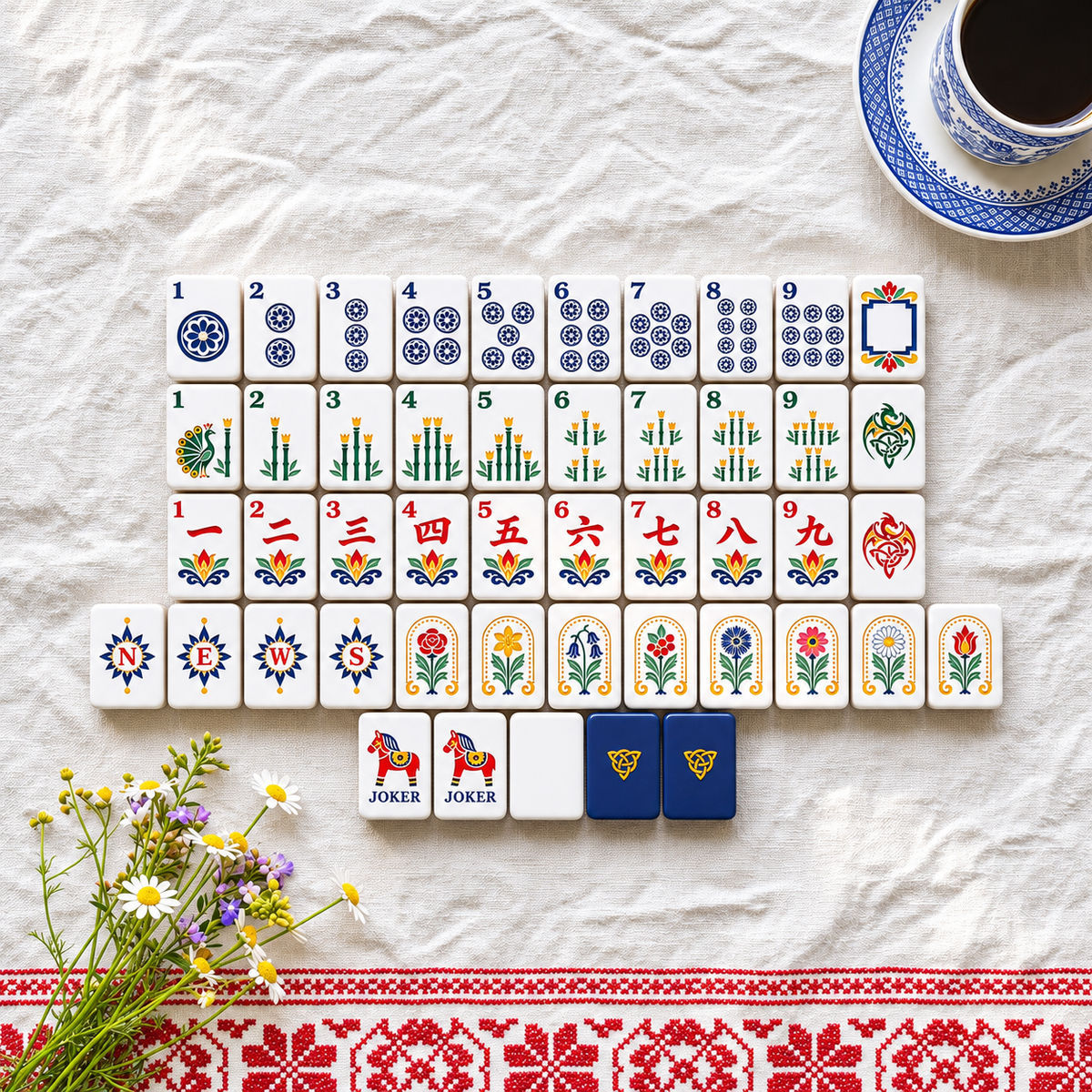
New Orleans hosts occasional American mahjong tournaments through community centers, synagogues, and private clubs—most organized on a seasonal or monthly basis rather than year-round. The best way to find active tournaments is to contact local recreation departments, Jewish community centers, and Meetup groups (search "mahjong New Orleans"), or ask at bridge clubs and senior centers; many list events online or post schedules in early spring. Tournament play follows standard American mahjong rules: 4 players, 152 tiles, hands from the current year's National Mah Jongg League card, and the Charleston tile-passing ritual before each hand. Entry fees vary widely. Before competing, you'll need solid familiarity with hand-reading, the Charleston, joker rules, and scoring—resources like our mahjong for beginners guide cover the fundamentals. Most clubs welcome newer players in casual rounds before tournament brackets. 🀄 Shop best-selling mahjong sets →
Where do New Orleans mahjong tournaments actually happen?
Most American mahjong in New Orleans clusters around established Jewish community organizations, senior recreation centers, and card clubs in the Greater New Orleans area. Call ahead—organizers often run seasonal schedules (fall/winter more active than summer). Libraries sometimes host free beginner rounds that lead to tournament play. Private clubs occasionally open membership tournaments to the public on specific dates. The Crescent City Chinese Cultural Center and local Rotary or Lions clubs sometimes sponsor events. Consistent venues post schedules by April for spring/summer and September for fall/winter. Start by checking the city's parks and recreation website, then expand to synagogue bulletin boards and online Meetup communities.

What's the difference between casual club play and tournament format?
Casual club play moves at your pace—you choose hands from the card, take time learning, replay interesting rounds, and stop when you want. Tournament format is strict: set time limits (usually 30–45 minutes per round), predetermined seating rotation, mandatory hand calls within time, and formal scoring recorded by officials. You cannot replay hands or change strategy mid-round. Tournaments use the same American mahjong rules—152 tiles, Charleston, pung/kong/quint calls—but enforce them rigidly. Penalty tiles or hand forfeiture apply for rule breaches. Most New Orleans tournaments start small (8–20 players) and run 4–6 rounds in one afternoon. Clubs post entry rules and time limits weeks in advance.
Do I need my own set for a tournament?
Tournament organizers always provide house sets for official play. Bringing your own set is not permitted—to ensure fair tile condition and prevent disputes, tournaments use standardized, well-maintained equipment. However, if you're new to American mahjong, practicing beforehand with your own set is crucial. We recommend starting with one of our best-selling mahjong sets—you'll learn tile recognition, hand-building, and the Charleston at your own pace before competing. A quality set helps you build muscle memory and confidence. Pair your set with a mahjong mat and racks with pushers to simulate tournament conditions at home.
How do I prepare for my first tournament?
Pre-tournament checklist:
Learn the current-year National Mah Jongg League card (hand patterns, joker rules, limits).
Practice the Charleston until it feels automatic—hesitation costs time in tournaments.
Master how jokers work: they substitute for any tile, but never count as a single tile or a pair, and cannot be the only tile in an exposed meld.
Study American mahjong scoring so you can verify point calculations quickly.
Play 10+ casual rounds at a club before entering a bracket.
Arrive 15 minutes early on tournament day; bring a pen and snacks.
Ask the tournament director about tie-breaking rules and payout structure.
Common mistakes: forgetting that jokers cannot be in a single tile or pair, miscounting hand points, and pausing too long during the Charleston. Practice at home with a full set to build speed.
🎁 See our most-loved mahjong sets & accessories →
What should I expect in a typical tournament round?
A standard round opens with the Charleston (three passes of three tiles each between players), then play begins. The dealer draws first; players draw and discard in turn until someone completes a legal hand and calls "mahjong." Officials verify the hand against the card, check that all tiles are legal, and confirm scoring. If the hand is invalid, penalties apply (loss of points or automatic loss of the round). Rounds typically last 30–45 minutes. Between rounds, scorecards are tallied, tables rotate for a new dealer, and players rest 5–10 minutes. A full tournament day runs 3–6 rounds with a lunch break. Noise level is high—players talk, tiles click, and the room buzzes with energy. Bring water and wear comfortable clothes.

What's the cost and commitment for New Orleans tournament play?
Entry fees for New Orleans tournaments typically range from no cost for club members' casual rounds to modest fees (exact amounts vary by organizer). Some clubs charge annual membership; others welcome drop-in players for a per-session fee. Ask organizers directly—they post policies in advance. Most tournaments run 4–6 hours on a single day (Saturday afternoon or Sunday morning common). A few clubs run weekly or monthly rounds. If you're serious about competing, budget for practicing 2–3 times weekly and attending 2–4 tournaments per year to build consistency. First-timers should expect to break even or lose slightly as they learn tournament rhythm.
Format | Time Commitment | Entry Cost Basis | Best For |
Weekly casual club | 2–3 hours | Member or per-session | Learning, social play |
Monthly tournament | 4–6 hours one day | Announced per event | Building tournament experience |
Seasonal bracket | 8–12 hours over weeks | Per tournament rules | Serious competitors |
Private club annual | Varies | Annual membership | Committed players |
✨ Find your Mahstead set — free US shipping →
How do I find and join a New Orleans mahjong club?
Start with these concrete steps:
Search Meetup.com for "mahjong New Orleans"—active groups post schedules and welcome new members.
Contact your local Jewish Community Center (most maintain mahjong programs); call the main office.
Ask at senior recreation centers near you—staff often know of regular players and informal tournaments.
Search library bulletin boards—many host or advertise mahjong groups.
Call local bridge clubs—many have sister mahjong games and can refer you.
Post on neighborhood Facebook groups—"looking for mahjong group in [neighborhood]" often yields leads.
Attend a casual round first—clubs almost always let newcomers observe or play for free, no commitment.
Most groups meet consistently (same day/time weekly or monthly), so one contact can connect you to a season's worth of play.
What happens if I'm a beginner—can I still enter?
Yes. Most New Orleans clubs host beginner-friendly tournaments or casual-round brackets alongside competitive tiers. Ask the organizer about skill levels when you inquire. Some tournaments mix levels; others segment beginners into separate play. Beginner rounds often run the same rules and format but may have a gentler time limit or be played in a more casual atmosphere. Many clubs actively encourage newcomers and pair them with experienced players for their first round. Never feel pressured to enter a competitive bracket immediately—several months of club play before joining a tournament bracket is the norm.
What to check before you buy a practice set
Before your first tournament, you need a quality set to build confidence and speed at home. Look for:
Tile clarity: Can you read numbers and suits at arm's length? Dull or poorly painted tiles slow you down.
Weight and feel: Tournament tiles are substantial; a lightweight plastic set won't teach you the real rhythm.
Joker count: Your set must have 8 jokers (standard American mahjong); this lets you practice legal and illegal joker uses.
Completeness: All 152 playing tiles present, plus spares. Our best-selling sets meet these specs.
A mat for speed: Pairing your set with a quality mat and racks with pushers mimics tournament conditions and trains your hands for fast, quiet play.
Test your set with a full group at least 5 times before tournament day. You'll spot missing tiles, weak paint, or loose jokers and have time to replace the set if needed.

FAQ
How often are mahjong tournaments held in New Orleans?
Frequency varies by organizer. Most clubs run monthly or seasonal tournaments, with heavier activity September–April and lighter play May–August. Check with your local Jewish community center or library for current schedules; some update listings quarterly.
Do I need to know the National Mah Jongg League card before entering?
Yes. Tournaments use only hands from the current year's card (published each spring by the National Mah Jongg League). Familiarize yourself with all hand patterns, joker rules, and limits before competing. Practice with a physical card at home.
What's the Charleston and why does it matter in tournaments?
The Charleston is the mandatory tile-passing ritual before each hand—each player passes three tiles to the left, then three to the right, then three back across. It must be completed within 30–45 seconds in a tournament. Slow Charlestons delay rounds. Practice it repeatedly at home; we explain it in detail in our Charleston guide.
Can I play mahjong if I've never played before, or do I need lessons first?
You can learn through a club's beginner program or from a coach—our beginner's guide covers fundamentals. Most New Orleans clubs welcome absolute beginners to casual rounds before tournaments. Budget 4–8 weeks of practice before entering a competitive bracket.
What if I move to a different position mid-tournament or miss a hand?
Rotation is fixed—you play all rounds in the same seat rotation (dealer, discarder, feeder, player) unless an organizer changes it between rounds. Missing a hand usually forfeits your points for that round; arrive on time. Ask the tournament director about no-show rules before the day starts.


View More
View More
View More
