
Mahjong Tournaments in Louisville: Finding Games & Getting Ready
Last updated: Nov 23, 2026
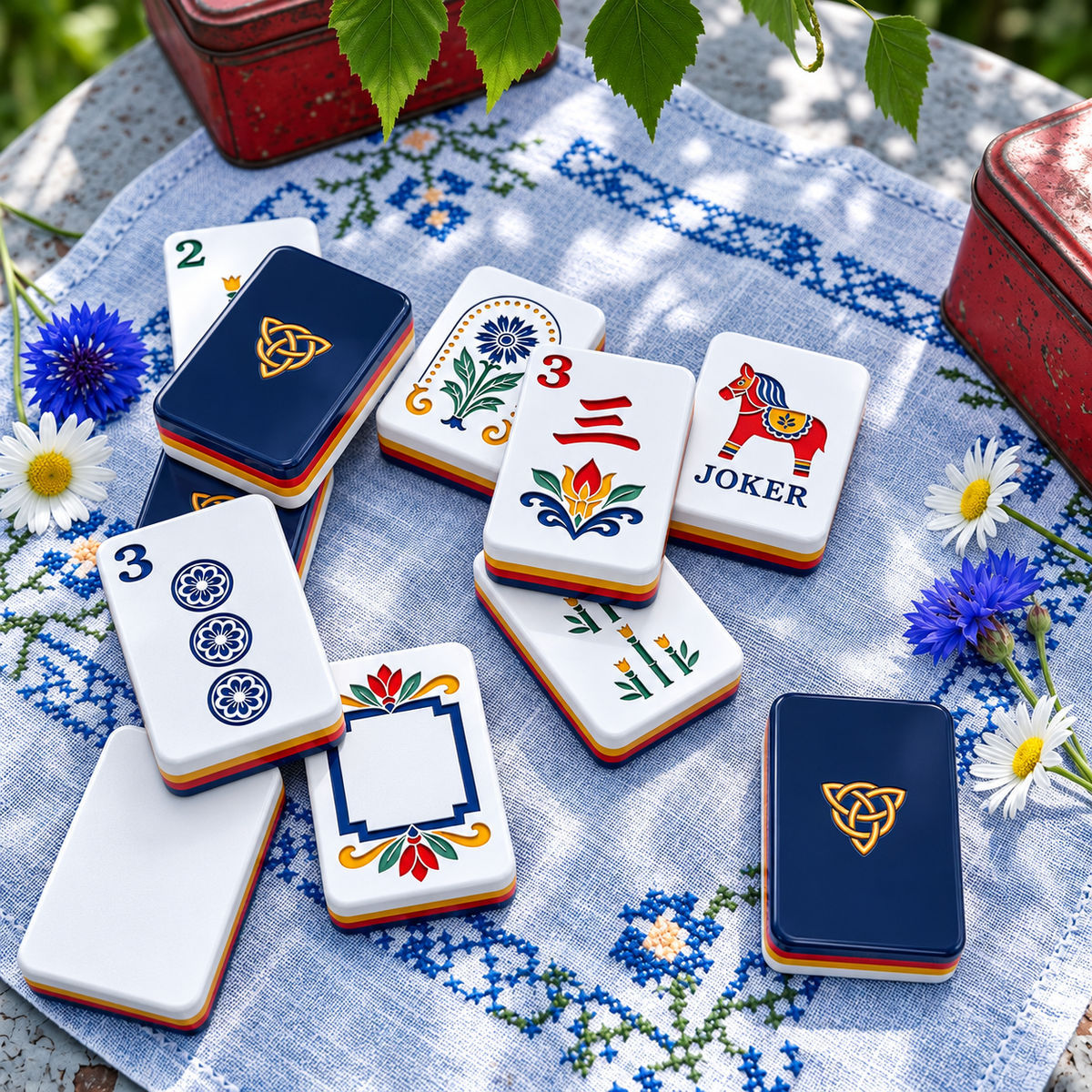
Louisville mahjong tournaments and weekly games exist primarily through community centers, public libraries, synagogues, and country clubs—call or check bulletin boards in person, as most groups don't advertise online widely. The National Mah Jongg League sanctions official tournaments (spring through fall); check their website for Louisville-area events and certified teachers. Most weekly games are American mahjong (152 tiles, NMJL card required, 4 players). Casual games are free; some tournaments charge entry fees. Play sessions typically last 2–4 hours per game. Before joining, confirm the variant (American vs. Chinese), house rules, and whether you need your own set.
Where do Louisville mahjong groups actually meet?
Community centers, public libraries, senior centers, and synagogues host most regular games in Louisville. Call ahead—they rarely list schedules online. Country clubs and private social organizations also run games but may require membership. Check bulletin boards at libraries and community health centers, which often have flyers. Your best bet: ask at a local library reference desk if they know of a mahjong group; librarians often know the informal networks. Some groups have email lists but don't advertise publicly.

What's the difference between casual play and tournament rules?
Casual home games follow house rules you negotiate at the start—some allow reshuffles, some don't; some play with fewer jokers or house tiles. Tournament play uses the current-year National Mah Jongg League card exclusively, standard 4-player rules, and specific scoring. Tournaments may use scoring slips and require proof of a current NMJL membership card. Casual players learn faster without the card's complexity; tournaments are stricter. If you're joining a group, ask: "Do you play by the NMJL card, or house rules?"—this determines how you prepare and what hands are valid.
How do you prepare for your first Louisville tournament?
Step 1: Get the current NMJL card (updated every spring; you buy it directly from the League or at tournaments). Step 2: Learn how to read the mahjong card—study sections, recognize pungs vs. kongs, understand joker placement. Step 3: Play 5–10 casual games with an experienced player; errors in hand reading cost points. Step 4: Bring a working set (152 tiles, all four copies of each number, complete winds/dragons/flowers) and a pen. Step 5: Attend early, introduce yourself, ask about house rules and scoring (some groups play with bonus rounds). Step 6: Watch one game before playing if nervous—you'll spot local variations immediately.
🀄 Shop best-selling mahjong sets →
What common mistakes cost new tournament players points?
Not learning the card beforehand. Showing up without seeing the NMJL card is like entering a spelling bee without learning which words are in play. Misreading hand patterns. Many beginners confuse "similar" patterns or miscount tiles. Illegal calls. American mahjong forbids chows (sequences like 1-2-3); calling one invalidates your hand. Jokers cannot be used in pairs or singles. Slow play. Tournaments have time limits (often 45 min per game); overthinking every discard frustrates opponents. Forgetting the rules for exposed sets. You may expose pungs (3 identical), kongs (4 identical), and jokers in these, but not all patterns qualify. Practice how jokers work to avoid penalties.

Should you buy a tournament set or use a casual one?
A solid 160-tile American mahjong set works for both casual and tournament play—160 tiles include the standard 152 plus spares, ensuring durability if a tile cracks. Tournament organizers never supply sets; you bring your own. Engraved sets (like custom titles or lucky designs) are fine as long as all 152 tiles are standard (one of each flower, dragon, wind; four copies of numbered tiles). Buy a best-selling set now if you're serious—you'll use it for years. Avoid incomplete sets or cheap plastic ones with missing tiles; tournaments require a full, clear deck. If you travel between Louisville games, a travel bag or carrying case protects your investment and keeps you looking prepared.
Scenario | Best Choice | Why It Matters |
First casual game | Standard 160-tile set | Durability; you learn without pressure of damage. |
Joining a regular group | Engraved set with your name | Pride in ownership; easy identification; tournament-legal. |
Tournament entry | Full, pristine 152-tile set + spares | Legitimacy; organizers verify tile count; spares prevent forfeit if damage occurs. |
Playing weekly + traveling | Set + carrying case | Tiles stay organized; no loss between locations. |
🎁 See our most-loved mahjong sets & accessories →
What should you check before joining a Louisville game?
Before you commit, ask the host or group leader:
Variant: American (NMJL card), Chinese (melds, sequences, open play), or Hong Kong (different scoring)?
Tile count & tiles per hand: Most American games use 152 tiles, 13 tiles per player initially. Confirm.
Joker count: Standard is 8; some casual groups play with more or fewer.
Bring your own set? If yes, confirm tile count and condition. If the group supplies, watch a game first to see if all tiles are present.
Scoring system: Do they play "dollars" (points = money owed), no stakes, or tournament scoring (points only)?
Table etiquette: Are phones allowed? Can you talk during play? Is there a hand-reading time limit?
Cost to play: Entry fee? Membership? Free?
These questions take 2 minutes and save you from showing up with the wrong set, tiles, or expectations.
✨ Find your Mahstead set — free US shipping →
How often do Louisville tournaments run, and what's the calendar?
The National Mah Jongg League schedules official tournaments March through October (peak season spring and fall). Smaller, local tournaments may run year-round depending on host venues. Check the NMJL website for sanctioned events in the Louisville, Kentucky region—listings show dates, host location, and entry details 4–6 weeks in advance. Most tournaments run Saturday or Sunday morning/afternoon; a single tournament day includes 2–4 games. Weekly casual games vary by venue; libraries and community centers often host Tuesday or Thursday evenings. Ask your local group if they participate in the NMJL circuit or run their own in-house contests. Joining an email list (if the group has one) is the fastest way to know when games are scheduled.
What to check before you buy:
Set completeness: Count all 152 tiles before play; one missing tile makes a set unusable.
Tile clarity: Can you read numbers and suit symbols from three feet away? Worn tiles cause misreads.
Rack fit: If buying racks separately, ensure they hold your set's tile size (standard or oversize).
Case durability: If traveling, inspect zippers and padding—a cracked case invites theft or damage during transport.
We ship free across the US, so ordering online and inspecting your set at home before your first game is smart practice.

FAQ
Can I play mahjong in Louisville without joining a club?
Yes. Casual home games among friends don't require membership or NMJL affiliation. For organized tournaments, you'll need to register with the host—some tournaments require current NMJL membership ($1–2 annually), others welcome drop-ins. Ask the tournament organizer.
Do I need to own my own mahjong set for tournaments?
Yes. The National Mah Jongg League requires you to bring your own complete 152-tile set. Tournament organizers do not supply sets. Arrive 15 minutes early to inspect your tiles and show the arbiter.
What's the NMJL card, and where do I buy it?
The National Mah Jongg League releases an updated card every spring showing all valid hands for that year. You buy it from the NMJL directly or at most tournaments for around $5–10. It is required for tournament play and essential for learning American mahjong.
How do I find the NMJL website to check Louisville tournaments?
Search "National Mah Jongg League" online. Their site lists sanctioned tournaments by state and month. You can also call local libraries or community centers and ask if they have a tournament flyer or contact info.
Is American mahjong the only variant played in Louisville?
American mahjong dominates because of NMJL structure, but some casual groups play Chinese, Hong Kong, or Riichi mahjong. Always confirm the variant before attending—rules and tile sets differ significantly. Ask the host during your first call.
What happens if I show up with an incomplete or damaged set?
You cannot play in a tournament. Bring a backup set if possible. For casual games, the group may lend you a spare set or allow you to sit out a game while watching. Never assume—call ahead if you think your set might have issues.


View More
View More
View More
