
Mahjong tournaments in Jacksonville: how to find & join them
Last updated: Nov 23, 2026
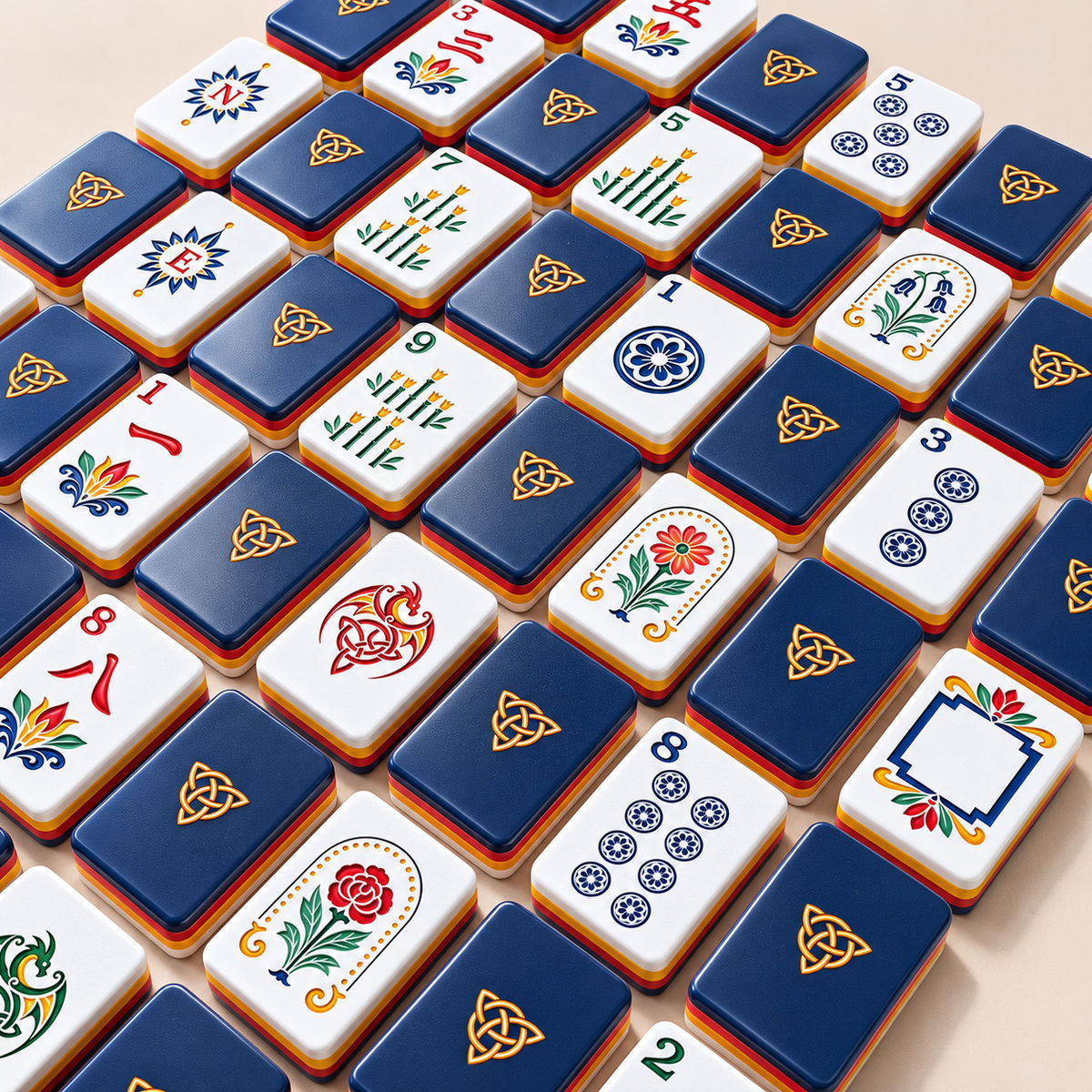
Jacksonville's mahjong scene centers on community centers, libraries, synagogues, and country clubs, which often host weekly games and monthly tournaments. The National Mah Jongg League (NMJL) publishes official tournament schedules; check their website for Jacksonville-area events run under league rules. Most tournaments operate on American mahjong rules using the current year's NMJL card, require 152 tiles plus jokers, and welcome both experienced players and those new to competitive play. Beginner tournaments often run separately from advanced brackets. Call ahead to local recreation departments and ask about mahjong groups—many maintain rosters and can direct you to active clubs. Tournament entry fees vary, but expect modest costs, and most venues provide the hand list and scoring guidance. If you're new to the game, learn how to play American mahjong and practice with friends before entering your first tournament.
Where do Jacksonville mahjong tournaments happen?
Community centers across Jacksonville's neighborhoods host mahjong nights year-round. Libraries, especially larger branches in central areas, often sponsor afternoon and evening tournaments; ask staff about bulletin boards or contact the programming department directly. Synagogues and Jewish community centers frequently organize regular play groups and sanctioned tournaments—many are open to players of all backgrounds. Country clubs and private clubs sometimes run members-only events, but some host public play nights; check local club listings online or call directly. Senior centers and recreation facilities in suburbs like Neptune Beach, Ponte Vedra, and Arlington also host casual and competitive play. Start by contacting your city or county recreation department—they maintain calendars of mahjong events and can name active groups in your area.

What should beginners expect at their first tournament?
Tournament play follows strict American mahjong rules using the current year's National Mah Jongg League hand card, which changes every spring. The Charleston—a tile-passing ritual before each round—takes 10–15 minutes and can feel rushed if unfamiliar; practice it with a home group first. You'll play four-player games in rotation against different opponents, usually 6–8 rounds per session. Tournaments typically last 3–4 hours. Most venues provide the hand list, scoring sheets, and a referee for disputes. Bring a pen, a small notebook, and a willingness to ask questions—experienced players expect newcomers and usually help. Dress comfortably and expect noise; active mahjong tables are lively. For beginners, watching one complete game before entering is wise. Many Jacksonville venues offer a "play-in" table where you sit out the first round, observe, and join round two once you're ready.
🀄 Shop best-selling mahjong sets →
How do you prepare equipment for tournament play?
American mahjong tournaments require exactly 152 tiles and 8 jokers per set—no more, no fewer. Jokers must be unmarked or clearly identified as such; many clubs ban hand-written jokers, so confirm the venue's policy. Your tiles should be acrylic or bone with engraved suit marks, as they're durable, easy to shuffle, and resistant to wear during long play sessions. Bring a mahjong mat to protect the playing surface and keep tiles organized; most tournaments allow personal mats, but check with the host first. A set of racks with pushers isn't always required—many tournaments provide them—but having your own ensures you're comfortable. Store your set in a protective travel bag or case so tiles don't scatter or crack in transit. If you're serious about competing, invest in a complete, well-maintained set before your first tournament rather than borrowing; familiarity with your own tiles reduces stress and slows down your play mistakes.
Equipment | Why it matters for tournaments | Notes |
152 tiles + 8 jokers | Rule compliance | Some venues count at round start |
Acrylic or bone set | Durability | Plastic peels or warps under heat/humidity |
Mahjong mat | Surface control | Keeps tiles visible, reduces fumbles |
Racks with pushers | Tile organization | Not always required; check venue policy |
Protective case | Transport safety | Prevents chips, cracks, missing tiles |
Current NMJL card | Hand reference | Must be current year; old cards invalid |
What are Jacksonville's tournament seasons and schedules?
Most Jacksonville mahjong tournaments run year-round with peaks in fall and spring, when weather draws more players. Casual leagues often meet weekly (Tuesday or Thursday evenings, Saturday or Sunday afternoons). Formal tournaments are usually monthly or quarterly; the National Mah Jongg League publishes a calendar on their website listing all sanctioned events by region. Some venues host special tournaments around holidays (New Year, Thanksgiving) or offer summer play-in events. Many clubs post schedules 2–3 months ahead, so bookmark local venue websites or sign up for email lists. Ask at your first visit whether the venue runs a mailing list; getting on it ensures you won't miss openings in competitive brackets. Beginner tournaments may have separate schedules—sometimes held on weekday afternoons to match retirees' availability—so ask specifically. A few venues run online pre-registration; others use a first-come, first-served walk-in system, so arrive early if walk-ins are allowed.

What rules and strategies differ from casual home play?
Tournament American mahjong uses only the current year's NMJL hand card—no house rules, no unofficial hands. Scoring is strictly by the card: hands are worth specific point values, and the card changes annually, so memorizing last year's hands loses you games. Calling rules are strict: you must call "Mah Jongg!" immediately when you complete a hand; no hesitation or "hold on" is permitted, or the hand is dead. Jokers cannot be used in a single tile (never a joker alone as a tile) or in a pair; many beginners accidentally hold a joker as a blank and cost themselves the win. Exposing melds—showing pungs (3 identical tiles), kongs (4), quints (5), or sextets (6)—requires announcing clearly so all players hear and score accurately. Disputes are decided by a tournament referee, not table consensus, so know when to call for help rather than argue. Most tournaments forbid consulting notes, phones, or other players mid-hand. Strategy shifts: tournaments reward speed without careless errors, so practice reading the mahjong card quickly and understanding how jokers work to avoid penalties.
🎁 See our most-loved mahjong sets & accessories →
How do you find active clubs and stay connected?
Check Jacksonville's Parks and Recreation website and call the main office; they list all mahjong offerings and can give you contact names. Local libraries have bulletin boards and staff who know which community groups meet in their buildings—ask the information desk. Search online for "mahjong Jacksonville FL" or "mahjong club Jacksonville"—Facebook groups and Meetup boards often post schedules and contact info. Call nearby synagogues and Jewish community centers directly; ask for the mahjong coordinator. Senior centers maintain active rosters; if you're 55+, inquire directly; if younger, some centers allow associate membership or event guests. Word-of-mouth is invaluable: once you attend one group, ask for referrals to other active venues. Many clubs email schedules weekly to members, so getting on a list means you'll never miss a tournament. Consider joining a casual weekly game first—this builds skills, gives you local connections, and takes pressure off your tournament debut. Online groups sometimes coordinate practice sessions, so introduce yourself and ask if anyone's forming a prep table.
What to check before you buy or bring a set to tournament
Before your first event, verify the venue's tile and set requirements. Some tournaments provide all equipment; others require you to bring a complete, regulation set. Confirm that hand-written joker marks are acceptable, or invest in a set where jokers are clearly distinguishable. Check whether the venue prefers racks with pushers or allows tiles to rest loose on the mat; mismatch can slow you down. Ask if personal mats are permitted or if the venue provides only tables. Most importantly, ensure your 152 tiles are all present, intact, and sorted correctly—missing tiles or cracked faces are disqualifying. If borrowing a set, test it weeks before the tournament so you're comfortable and can flag damage early. Bring a current-year National Mah Jongg League card; old cards cannot be used. If you're unsure about your set quality, start with a best-selling acrylic set designed for tournament play—these are vetted for durability and rule compliance.
✨ Find your Mahstead set — free US shipping →

FAQ
Do I need to be an NMJL member to enter a Jacksonville tournament?
No. Most public tournaments are open to all players. NMJL membership is optional and useful if you want to track rating points or play in national events, but casual and local tournaments welcome non-members. Ask the tournament host whether they record scores for league ranking.
What happens if I don't know how to play American mahjong yet?
Many Jacksonville venues offer beginner classes or "play-in" tables where you learn during a tournament's opening round. Attend a casual weekly game first to learn the basics, then move to tournaments. New players often pair with experienced neighbors at beginner-friendly tables, and referees help resolve rule questions.
Can I use an old or non-standard mahjong set at tournaments?
Not typically. Tournament sets must have exactly 152 tiles, 8 jokers, and clearly marked suits. Chinese mahjong sets, novelty sets, or sets missing tiles are not allowed. Confirm your set meets requirements with the venue before arrival.
How much does it cost to enter a Jacksonville mahjong tournament?
Entry fees vary by venue and tournament type. Community center and library events often charge modest entry fees; private clubs may charge member vs. non-member rates. Contact the venue directly for current fees—most will quote you over the phone.
Is there a beginner bracket separate from advanced players?
Many Jacksonville tournaments run parallel beginner and intermediate brackets, especially monthly or quarterly events. Casual weekly games are mixed-skill, but beginners aren't penalized. Ask the host whether separate brackets exist and which is the best fit for your experience level.
What should I bring to my first tournament besides my mahjong set?
Bring your set, a pen, a small notebook for scoring, comfortable clothing, and the current-year National Mah Jongg League card. Some venues provide cards and score sheets; verify in advance. Arrive 15–30 minutes early to register, review the tournament bracket, and settle in.


View More
View More
View More
