
Mahjong Classes for Beginners in San Diego: Where to Learn & What to Know
Last updated: Nov 23, 2026
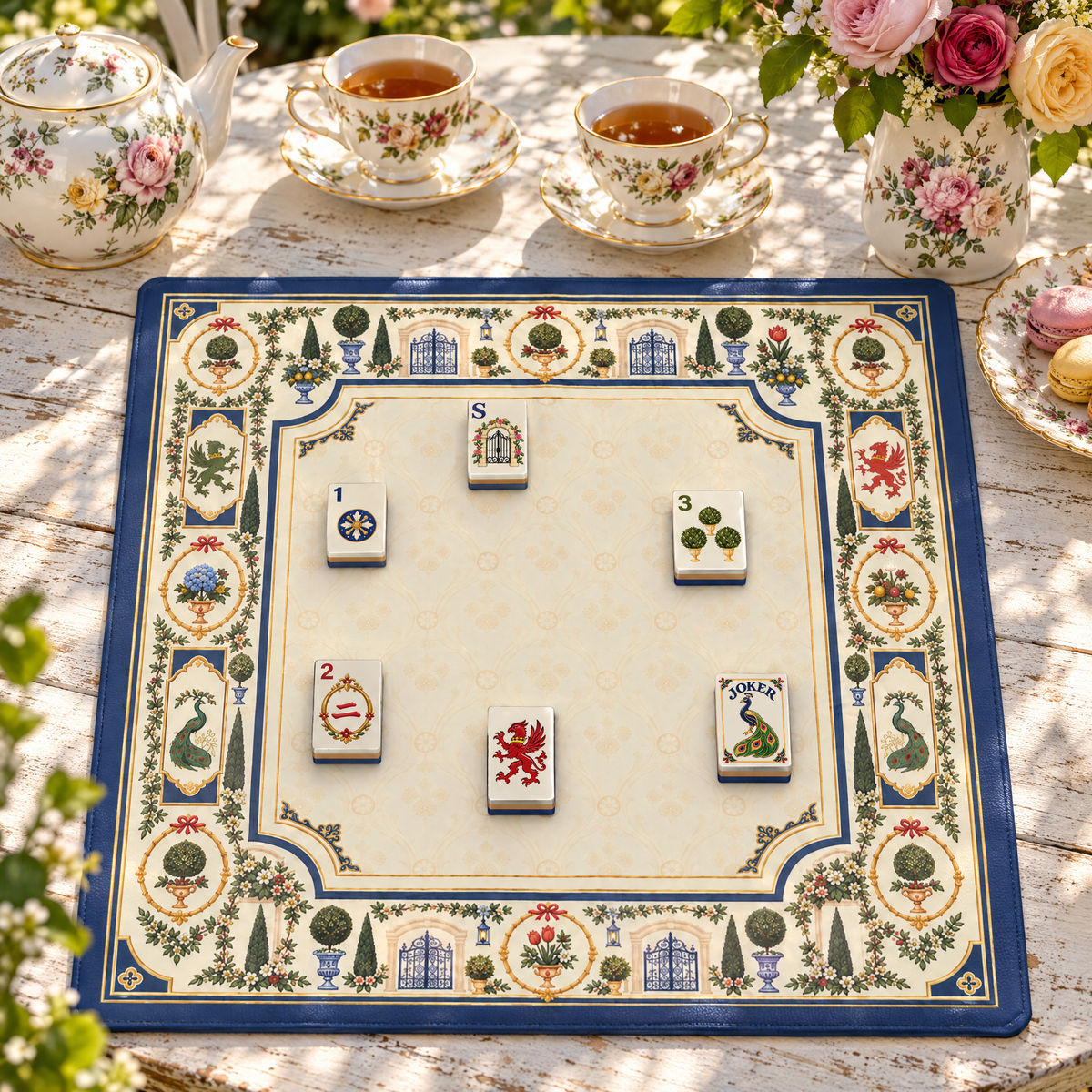
San Diego beginner mahjong classes run year-round at community centers, public libraries, synagogues, and private studios; look for them on city recreation websites, Meetup, and Facebook groups focused on San Diego hobbies. Most beginner courses run 4–8 weeks and teach American mahjong (the most common U.S. variant), covering tile recognition, hand patterns from the National Mah Jongg League card, the Charleston tile-passing ritual, and basic scoring. Expect to pay modest per-class or session fees depending on the venue; many instructors offer drop-in rates. Classes typically include a working set of tiles or you may need to bring one (American mahjong sets contain 152 playing tiles plus 8 jokers, and best-selling Mahstead sets come ready to learn with a sturdy mat and reference card). Before enrolling, confirm the instructor teaches American (not Chinese or Riichi) mahjong and whether the class is truly beginner-level or assumes prior play.
Where exactly can you find beginner mahjong classes in San Diego?
San Diego's public recreation and library systems regularly list mahjong classes in their spring and fall schedules. Start by visiting your local community center's website or calling their program coordinator; many neighborhoods host weekly beginner sessions. Public libraries in the greater San Diego area often host free or low-cost mahjong meetups run by volunteers or trained instructors. Synagogues and Jewish community centers frequently offer classes to members and non-members alike. Meetup.com and Facebook groups dedicated to San Diego hobbies have active mahjong communities where members post class schedules and drop-in game times. Country clubs and senior centers also run daytime beginner programs. Search "San Diego mahjong class" or "mahjong near me" and filter by beginner level to avoid groups that assume you already know tile names and hand patterns.
🀄 Shop best-selling mahjong sets →

What should a beginner-level class actually teach?
A proper beginner class starts with tile recognition: the three suits (Bams, Craks, Dots numbered 1–9), winds (North, East, West, South), dragons, flowers, and jokers. You'll learn that American mahjong has no sequences or chows you can call or expose—only pungs (3 identical tiles), kongs (4), and longer groups—and that jokers can never stand alone or form a pair. The instructor should walk you through the Charleston (the tile-passing exchange before play begins), how to read the current year's National Mah Jongg League card to spot valid winning hands, and basic scoring rules. A good class demos several complete games, explains when you can and cannot call a tile from the discard, and clarifies why American mahjong plays only with exactly 152 tiles and 8 jokers every session. Red flags: any class that skips the Charleston, teaches chow hands, or uses a different mahjong variant without naming it upfront.
How do beginner classes differ from American, Chinese, and Riichi mahjong rules?
Most San Diego beginner classes teach American mahjong, which uses 152 tiles, requires hands only from the annual NMJL card (changed each spring), and forbids callable sequences. Chinese mahjong (less common in classes but worth knowing) uses 144 tiles, allows sequences you can call or expose, and has different scoring; many variants exist by region. Riichi mahjong (Japanese, rare in San Diego beginner classes) uses 136 tiles, emphasizes waiting patterns, and has its own scoring algebra. When you call a class "beginner mahjong," ask the instructor which variant they teach; American is almost always the choice in the U.S., but a few dedicated communities teach Hong Kong or Taiwanese rules. If you're learning American, your tiles, mat, and card won't transfer to Chinese or Riichi play without rule translation, so confirm before buying or enrolling.
What equipment and costs should you budget for?
A complete American mahjong set for learning includes tiles (152 playing + 8 jokers), a rack or pusher set to hold and organize your tiles during play, a mat with printed center guides, and the current year's National Mah Jongg League card (free with most sets or available from the League). Many beginner classes provide shared sets, so ask before you buy. If you're buying your own, best-selling Mahstead sets ship free across the U.S. and come in designs from classic to personalized; see current pricing on the product page. You'll also want a carrying case or travel bag if you plan to carry your set between home and class or to weekly games. A mat keeps tiles organized and protects your table. Class fees typically run from free (volunteer-led meetups) to modest per-session rates at community centers; instructor-led private lessons cost more but offer faster learning and personalized attention.

What should you check before enrolling in a specific class?
Use this decision checklist:
Variant confirmation: Ask the instructor, "Do you teach American, Chinese, or another mahjong variant?" American is standard; confirm upfront.
True beginner level: Request a sample class description or syllabus. Does it cover tile names, hand patterns, and the Charleston from scratch, or does it assume prior knowledge?
Class size and ratio: Mahjong plays best with four people; ask if the class has a waitlist, how many sessions run per week, and whether you're guaranteed a seat or rotating group.
Card and reference materials: Does the instructor supply the current NMJL card, or do you need to bring it? Can you photograph or print the card during class?
Schedule and cost: Confirm class length (typical: 4–8 weeks), meeting times, and total session fees. Ask about drop-in rates if you can't commit to the full series.
Equipment: Does the class provide sets, or do you need to bring one? If you bring your own, read our guide to choosing tiles and mats to avoid buying the wrong set.
Trial session: Most instructors allow you to observe or join one session free or at a reduced rate. Do it before paying for a full course.
Comparison: Starting at a Class vs. Learning at Home or with Friends
Approach | Best for | Time to play | Social setup | Equipment needed |
Structured class (4–8 weeks) | Absolute beginners who want guided learning | 4–8 weeks before first full game | Matched with 3 other learners | Your own set or provided by class |
Weekly drop-in meetup after class | Players confident with basics | 1–2 weeks if basics known | Mix of experience levels; larger community | Your own set; standard mat recommended |
Home learning from a friend | Budget-conscious, flexible schedule | 2–4 weeks of practice before real game | Close circle of 3 friends | Borrowed or purchased set |
Private 1-on-1 coaching | Fast learners, working professionals | 2–3 weeks accelerated | One-on-one or small group | Your own set |
The class route works best if you have no prior experience and want confidence before joining a broader game night.
🎁 See our most-loved mahjong sets & accessories →
After Your First Class: Building Your Own Set and Joining Regular Play
Once you've completed a beginner course and feel ready, invest in your own set and join a regular game night. Understanding what's inside an American mahjong set helps you pick the right tiles—acrylic sets are durable and portable, bamboo sets are traditional but heavier, and engraved or personalized tiles add personality to your home game. A mat becomes essential at this stage because it organizes tiles visually, protects your table, and makes gameplay smoother. Racks with pushers help you sort and conceal your hand cleanly. Most San Diego game groups meet weekly at homes, community spaces, or clubs; ask your instructor for referrals or search Meetup for "San Diego mahjong game night" to find ongoing play in your neighborhood.
✨ Find your Mahstead set — free US shipping →
What to Check Before You Buy Your First Set
Tile material: Acrylic is lightweight, easy to clean, and ships safely. Bamboo is classic but fragile in shipping.
Set size: All American mahjong sets contain 152 playing tiles plus 8 jokers (152-tile sets like Mahstead's include spare tiles too). Confirm you're buying an American set, not a Chinese or mini set.
Inclusions: Look for a mat, rack or pusher set, and the current year's NMJL card (or budget to purchase the card separately from the League).
Design:Engraved American mahjong sets let you personalize with titles, names, or patterns. Choose one that speaks to you—you'll treasure it for years.
Shipping: Confirm free US shipping and that the set arrives in a sturdy case, not loose in a box.
Return or exchange: Ask the seller whether you can return or exchange if tiles arrive damaged (Mahstead ships securely and stands behind its sets).

FAQ
Do I need to know mahjong before enrolling in a San Diego beginner class?
No. A true beginner class assumes zero prior knowledge and teaches tile recognition, hand patterns, and rules from scratch. Ask the instructor upfront whether the class is genuinely beginner-level or assumes you've played before.
What's the difference between American and Chinese mahjong, and which should I learn first?
American mahjong uses 152 tiles, forbids callable sequences, and requires hands from the annual NMJL card. Chinese mahjong uses 144 tiles, allows sequences, and has regional scoring variants. Most San Diego classes teach American mahjong because it's the U.S. standard and easier for beginners to follow. Learn American first; if you want Chinese later, you'll relearn rules but your tile recognition carries over.
How long does it usually take to learn enough mahjong to play a full game?
A structured 4–8-week beginner class gives you the basics to play a complete game with coaching. You'll likely need 2–4 more weeks of practice or play to feel confident without constant rule lookups. Drop-in meetups after class accelerate learning because you play real games with experienced players.
Should I buy my own set before or after my first class?
Ask the instructor first. Many classes provide shared sets, so you can delay your purchase until you're sure mahjong is for you. Once you've completed a class and plan to play weekly, buy your own set so you can practice tile recognition, learn the feel of your tiles, and build the habit of organizing your hand consistently.
What's included in a standard American mahjong set, and do I need anything else?
An American set includes 152 playing tiles (36 per suit—Bams, Craks, Dots—plus 16 winds, 12 dragons, 8 flowers, and 8 jokers), a mat, racks or pushers, and ideally a carrying bag. You'll also need the current year's National Mah Jongg League card, which is often included or available free from the League website. Mahstead sets ship with everything you need to play and learn.
Are there online alternatives if I can't find a local San Diego class?
Yes. Some instructors offer Zoom beginner sessions, and YouTube has decent tutorials, but in-person classes are faster and more fun because you play real games with fellow students and get immediate feedback. Look for Zoom classes from San Diego instructors or national mahjong teachers if local scheduling doesn't work for you.


View More
View More
View More
