
Mahjong Tournaments in Indianapolis: Where to Play
Last updated: Nov 23, 2026
Indianapolis doesn't host a single year-round tournament venue, but the city supports mahjong through library programs, community centers, synagogues, and informal player networks. Most organized play happens at public libraries (check your local branch's events calendar or call ahead), community centers offering card-game programs, and Jewish synagogues—traditional hubs for American mahjong in many Midwest cities. Casual tournaments and player meetups are listed on community boards, meetup.com, or through Facebook mahjong groups. Cost varies: library games are free or donation-based; formal tournaments may charge entry fees. To play, you need to know how to play American mahjong, own or access a 152-tile American mahjong set, and bring the current year's National Mah Jongg League card. Most venues provide tiles, but hosting your own weekly game requires a quality set, mat, and racks. --- 🀄 Shop best-selling mahjong sets →
Where do Indianapolis players find tournaments and weekly games?
Check your local library first—many Indianapolis branches host mahjong programs, game nights, or partner with community organizations. Call ahead or search the library system's online events calendar. Community centers often run card-game groups; visit your nearest recreation department website. Synagogues and Jewish community centers frequently host mahjong; ask if they welcome new players. Facebook groups, meetup.com, and Nextdoor are where informal groups post game times. Avoid assuming the same venue runs every week—confirm dates before traveling.

What skill level do Indianapolis tournaments expect?
Indianapolis casual games range from beginner-friendly to advanced. Most library and community-center groups welcome new players and provide teaching. Formal tournaments through the National Mah Jongg League require familiarity with the current year's card and basic rules. If you're new, attend a casual meetup first rather than entering a tournament immediately. You'll learn the Charleston, how to read hands, and what jokers can do. Many groups post "beginner" and "experienced" sessions separately—choose the beginner slot and ask questions openly.
How do you prepare for your first Indianapolis game?
Learn the fundamentals before attending. Read through mahjong for beginners to understand tile names, the three suits (Bams, Craks, Dots), winds, dragons, and the flower tiles. Watch a short rules video if possible. Get or borrow a complete American mahjong set—152 tiles plus jokers. Bring or print a copy of the current year's National Mah Jongg League card (the card changes every spring and is required for play). Arrive 15 minutes early. Introduce yourself as a new player; the host or veteran will guide you through the Charleston (the tile-passing ritual) and hand-building. Wear comfortable clothes and expect to sit for 2–4 hours. Have a notepad to jot down hand patterns and scoring as you learn.
Preparation Step | What It Involves | Why It Matters |
Learn tile names | Memorize Bams, Craks, Dots 1–9, winds, dragons, flowers | You'll recognize hands on the card instantly |
Study the card | Review hand patterns without memorizing all | You know where to look during play |
Get a set | Borrow or buy; ensure it has all 152 tiles + jokers | You can host a game or practice at home |
Join a beginner group | Find a library or community game for first-timers | Lower stress, patient players, free or cheap |
Arrive early | Come 15 min ahead, chat with the organizer | You'll learn house rules and feel welcome |

What equipment matters when hosting a weekly Indianapolis game?
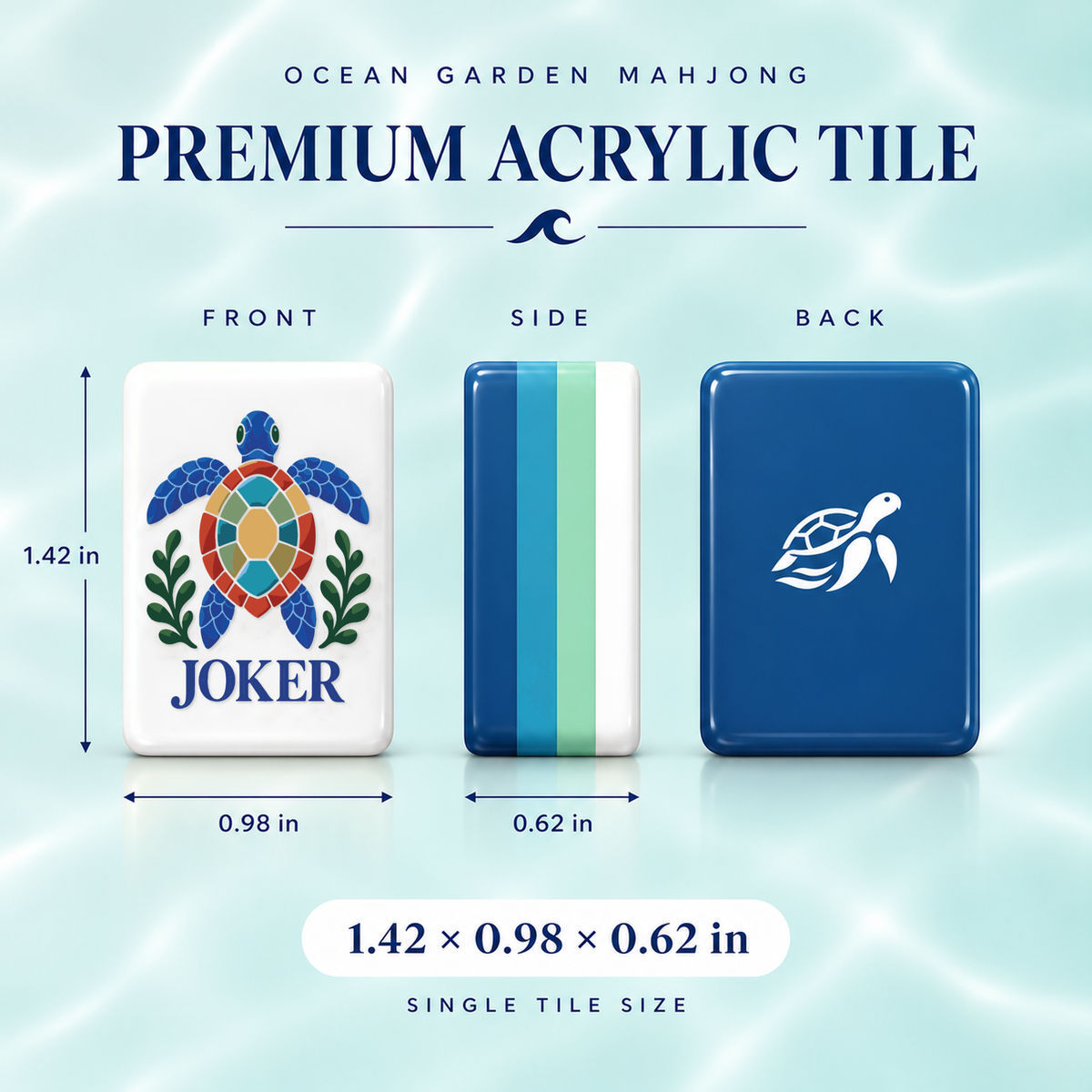
A quality American mahjong set with all 152 tiles is essential—avoid incomplete or mismatched tiles. Acrylic sets from Mahstead are durable and ship free across the US; you get exactly 152 playing tiles plus spares. Add a mahjong mat with dividers for each player—it keeps tiles organized and gameplay moving. Racks with pushers prevent accidental tile reveals and let players see all their tiles comfortably. A travel bag or case protects your set if you're bringing it to library games or venues. Dice for rolling who goes first and bonus scoring are usually included in sets. Store the current year's card in a plastic sleeve. These items transform casual play into a polished, repeatableSunday evening ritual.
🎁 See our most-loved mahjong sets & accessories →
How does hosting a regular game fit into Indianapolis's mahjong culture?
Many Indianapolis players are hosted by one or two "game owners"—someone with a home, table, and full set who invites the same group weekly. Hosting builds community, especially in neighborhoods or friend circles without formal club structure. You control the stakes (penny a point, no money, tournament style), house rules, and who's invited. A standing game needs reliable players, good lighting, snacks, and a phone reminder system. Some Indianapolis groups use WhatsApp or a simple email to confirm weekly attendance. If you're serious about hosting, investing in engraved mahjong sets or custom designs with your group's name or inside jokes makes the game memorable and protects your tiles from confusion if multiple sets are around. Many home games evolve into informal tournaments where winners from the season play off. It's a low-cost, high-trust way to keep mahjong alive in your neighborhood.
What mistakes should first-time Indianapolis players avoid?
Don't assume you know the rules without studying. American mahjong differs from Chinese, Hong Kong, and Riichi variants. The league card, the Charleston, joker rules, and exposure rules are specific to the American version. Ask "Is this an American game?" before arriving.
Don't buy a cheap incomplete set for your first game. A 152-tile set ensures compatibility; verify the count. Missing tiles ruin games halfway through.
Don't skip the current year's card. Hands change yearly. An old card won't match this season's hands—you can't call or meld anything.
Don't arrive late or leave early without notice. Games need four players the entire time. Inform the organizer in advance.
Don't overthink scoring initially. Focus on learning hand patterns and the Charleston first. Scoring (points, bonuses, settlement) comes naturally after a few games.
✨ Find your Mahstead set — free US shipping →
What to check before you buy or borrow equipment
Tile count: Confirm 152 playing tiles (36 Bams, 36 Craks, 36 Dots, 16 winds, 12 dragons, 8 flowers, 8 jokers). A 160-tile set from Mahstead includes spares, but play always uses exactly 152.
Tile condition: No cracks, missing symbols, or faded numbers. Worn tiles confuse new players.
Card year: Verify the National Mah Jongg League card is current (2026). Previous years' cards won't work.
Set completeness: If borrowing, count before you leave home. Nothing derails a game faster than discovering a dragon is missing mid-hand.
Clarity of suit marks: Bams, Craks, and Dots must be visually distinct. Cheap sets blur the symbols.
Getting started: A practical checklist
[ ] Visit your local library's events page or call the reference desk about mahjong programs.
[ ] Search "mahjong meetup Indianapolis" or check community center websites.
[ ] Ask at your synagogue or Jewish community center (if applicable) about game times.
[ ] Read mahjong for beginners and how to play American mahjong.
[ ] Get a complete American mahjong set and the current year's card.
[ ] Attend a beginner game; don't stress about scoring yet.
[ ] After 3–4 games, consider hosting a weekly game at your home.
[ ] Invest in a mat, racks, and a travel bag if you're hosting regularly.

FAQ
Do I need to join a club to play mahjong in Indianapolis?
No. Library games, community center meetups, and informal home games are open to all. Clubs exist but are optional. Ask the game organizer if newcomers are welcome—most say yes.
What's the difference between American mahjong and what my grandmother played?
American mahjong uses a card that changes yearly and includes jokers in exposed sets; it's played with exactly 152 tiles and four players. Chinese, Hong Kong, and other variants have different tiles, hand patterns, and rules. Confirm which version before joining.
How much does it cost to play in Indianapolis?
Library and community games are free or $2–5 per session. Home games may be penny-a-point or play-for-fun. Formal tournaments through the league charge entry fees (typically $5–15 per player). None are expensive.
Can I play if I've never seen a mahjong tile before?
Absolutely. Indianapolis welcomes beginners at library and community center games. Go to a beginner session, not an advanced tournament. Tell the host it's your first time; they'll walk you through the Charleston and hand-building. Expect to ask lots of questions.
Where do I get the mahjong card for this year?
The National Mah Jongg League card comes out in spring each year. Buy it from the league's website, your local game host may have extras, or libraries sometimes stock them. Print it or buy a laminated version. It's essential—hands only come from that card.
What should I bring to my first Indianapolis mahjong game?
Bring a pen, a notepad, water, and an open mind. The venue provides the tiles, mat, and card. Arrive 15 minutes early. Wear comfortable clothes; you'll be sitting 2–4 hours. If it's a home game, ask if you should bring snacks or drinks.


View More
View More
View More
