
Mahjong Tournaments in Hilton Head: Where to Play & How to Join
Last updated: Nov 23, 2026
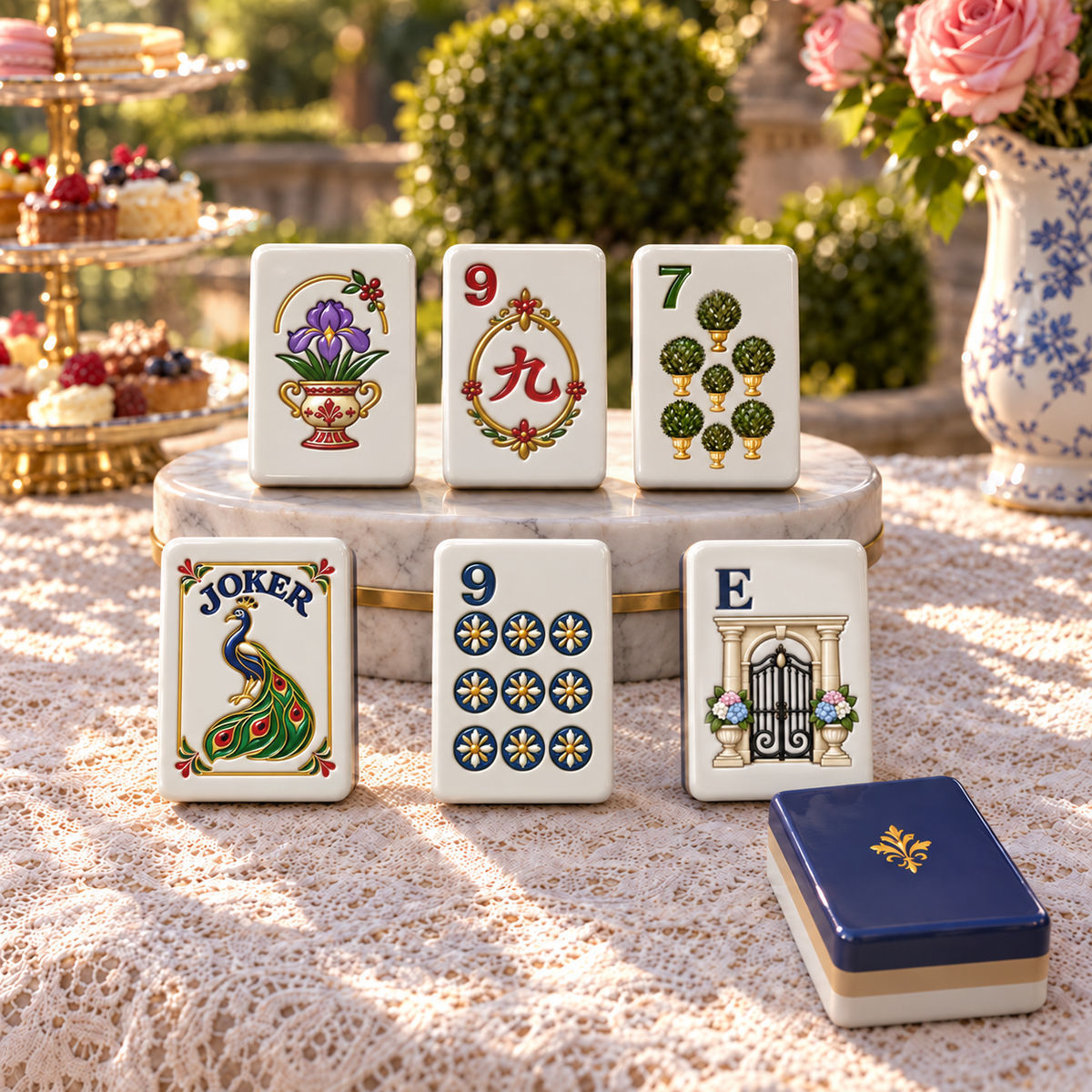
Hilton Head doesn't host regular mahjong tournaments comparable to major coastal cities, but organized play happens through community centers, senior programs, and informal clubs. Start by contacting local recreation departments, libraries, and country clubs—many host weekly or monthly games. The nearest competitive tournaments with brackets and prize pools are typically held in Charleston (about 90 minutes north) or Savannah (one hour west). If you want to play locally, ask at senior living communities and synagogues; many coordinate weekly games. American mahjong follows the National Mah Jongg League card (updated each spring) and requires a 152-tile set with 8 jokers. Before joining any group, learn how to play American mahjong and practice the Charleston tile-passing ritual.
Where do Hilton Head players actually gather?
Your best bets are community recreation centers, which often run drop-in games or weekly leagues. Call your local parks and recreation department first—they keep schedules updated. Senior living communities and retirement neighborhoods frequently host mahjong nights; ask if they welcome visiting players. Synagogues and Jewish community centers often coordinate games open to all skill levels. Libraries sometimes post bulletin boards advertising club meeting times. Country clubs with active social calendars occasionally organize mahjong events. Start with a simple search: "Hilton Head Senior Center mahjong" or visit the city recreation website directly.
🀄 Shop best-selling mahjong sets →

What's the difference between casual games and tournaments?
Casual games follow the current year's National Mah Jongg League card and are purely social—no entry fees, no rankings, no pressure. Tournaments charge entry fees, assign players to tables by skill level, run multiple rounds, and award prizes (cash, merchandise, or bragging rights). Tournament directors enforce strict hand verification and scoring rules; casual groups are forgiving of beginner mistakes. Most Hilton Head groups play American mahjong recreationally. If you're serious about tournament play, expect to travel to regional events in larger cities where brackets and competition scheduling justify the overhead.
Can you play if you're new to mahjong?
Absolutely. Most local groups welcome beginners during off-peak times and will teach you the tile setup, hand recognition, and how to read the mahjong card. Bring a notebook and ask questions freely. The learning curve is steep for the first 5–10 games, then accelerates. Join a casual group before attempting tournaments. If you live in Hilton Head, you have time to build skill at your own pace; the community isn't rushing you through competition. Many players play recreationally for years without entering a tournament—and that's fine.
What equipment do you need to bring or own?
You don't need to own a set if you join an established group—the organizer typically supplies tiles, racks, mats, and dice. However, if you want to host or practice at home, you'll need a complete 160-tile American mahjong set (includes 152 playing tiles and 8 jokers), a rack with pushers to organize your hand, a mat to protect the table surface, and dice for determining wind and the starting player. Many players also buy a travel bag to protect their personal set. Racks are essential—they prevent tiles from sliding and make hand-reading faster. If you join a tournament, bring your own set; organizers don't provide personal tiles.
Equipment | What It Does | Tournament Needed? | Practice Needed? | Why It Matters |
160-tile set | Holds all playing tiles + jokers | Yes | Yes | Standard for American mahjong; spares protect against loss |
Rack with pushers | Organizes & hides your hand | Optional | Yes | Faster play, prevents cheating by exposing tiles early |
Mat | Protects table, defines play area | Optional | Yes | Quieter play, tile grip, protects furniture |
Dice | Determines wind & starting position | Yes | Yes | Required to begin each hand fairly |
Travel bag | Protects set during transport | Optional | Yes | Prevents tile damage if you own a personal set |
🎁 See our most-loved mahjong sets & accessories →

What rules should you learn before joining?
American mahjong has no sequences (chows)—only identical-tile groups called pungs (3), kongs (4), quints (5), and sextets (6), plus a pair. Jokers are wild and can substitute for any tile, but you can never use a joker as a single tile or a pair. All hands must match the current year's National Mah Jongg League card; hands not on the card cannot be called "mah jong." The Charleston is a mandatory four-direction tile-passing sequence before each game begins. Understanding the Charleston is non-negotiable; most new players stumble here. Winds rotate counterclockwise; East always goes first. Scoring is based on hand complexity (more rare patterns = higher points). If you're unsure of scoring, ask the group—they'll clarify before play starts. Study American mahjong scoring basics before your first game.
✨ Find your Mahstead set — free US shipping →
What should you check before committing to a group?
Ask these questions before showing up: Meeting schedule—weekly, monthly, or ad hoc? Skill level—beginner-friendly or experienced only? Cost—free or a table fee? House rules—do they enforce NMJL rules strictly or play loose? Set ownership—do you bring your own or use theirs? Time commitment—two hours or more? Table size—always four players or do they run two-player or three-player variants? Visit once as an observer if possible; you'll feel the vibe immediately. A good group is patient, socializes between hands, and doesn't rage-quit. A bad group rushes through rules, ignores beginner questions, or plays for money you're uncomfortable with. Trust your gut.
How do you prepare for your first competitive tournament?
Practice the Charleston until it's automatic. Memorize the current-year hand card patterns (recognize visual shapes, not individual hands). Learn to count quickly; tournament scorekeeping is fast-paced. Play 20+ casual games before entering a tournament—you need to recognize how fast-moving, discerning, and strategic the game becomes under pressure. Attend a rules clinic if the tournament organizer offers one. Bring your own set, several pens, a small notebook, and water. Eat before you sit down; tournaments can run four to six hours. Arrive early to meet your table mates and watch one completed hand. Most importantly: tournaments aren't about winning—they're about testing yourself against new players and seeing how your skills hold up. Enjoy it.
What to check before you buy or borrow a set
If you're purchasing your first set, confirm it's a 160-tile American mahjong set (not Chinese or Hong Kong variants, which play differently). Check that all tiles are present and uncracked. If borrowing, count the tiles and jokers before leaving the lender's home. Racks should open and close smoothly; pushers should glide without sticking. Mats should lie flat without curling at edges. Dice should roll freely. If you're buying from a retailer, verify they sell American sets—the tile count and suit names (Bam, Crak, Dot) should match our standards.

FAQ
Are there any mahjong clubs already meeting in Hilton Head?
No permanent tournament venues or named clubs are advertised publicly. However, weekly and monthly games run through senior centers, retirement communities, and informal groups. Contact Hilton Head Parks & Recreation or visit your local library bulletin board to find current meeting schedules. Availability changes seasonally.
Do I need to own a mahjong set to play in Hilton Head?
No. Most casual groups provide all tiles, racks, and mats. Tournaments typically expect you to bring your own set, but organizers will tell you in advance. If you play regularly, owning a personal set saves hassle and lets you practice at home.
What's the nearest mahjong tournament to Hilton Head?
Charleston and Savannah host larger tournaments with brackets and prizes, approximately 90 minutes and one hour away respectively. Contact regional mahjong clubs or search the National Mah Jongg League website for official tournament schedules in the Carolinas and Georgia.
Can I learn mahjong if I've never played before?
Absolutely. Most casual groups in Hilton Head welcome beginners and will teach you during low-pressure games. Expect to play 5–10 games before hand recognition clicks. Online tutorials and guides also help, but in-person teaching is fastest and most enjoyable.
What's the difference between American and Chinese mahjong?
American mahjong uses 152 tiles, no sequences (chows), jokers as wild cards, and hands must match the annual National Mah Jongg League card. Chinese mahjong uses 144 tiles, allows sequences, doesn't require a published hand card, and has different scoring. Ask your group which variant they play; most U.S. groups play American.
How much does it cost to join a mahjong group in Hilton Head?
Casual games are typically free or cost a small table fee ($2–$5 per person per session). Tournaments charge entry fees that vary by organizer and prize pool. Social games cost nothing. Always ask before attending so there are no surprises.


View More
View More
View More
