
Mahjong Tournaments in Des Moines: Where to Play & How to Prepare
Last updated: Nov 23, 2026
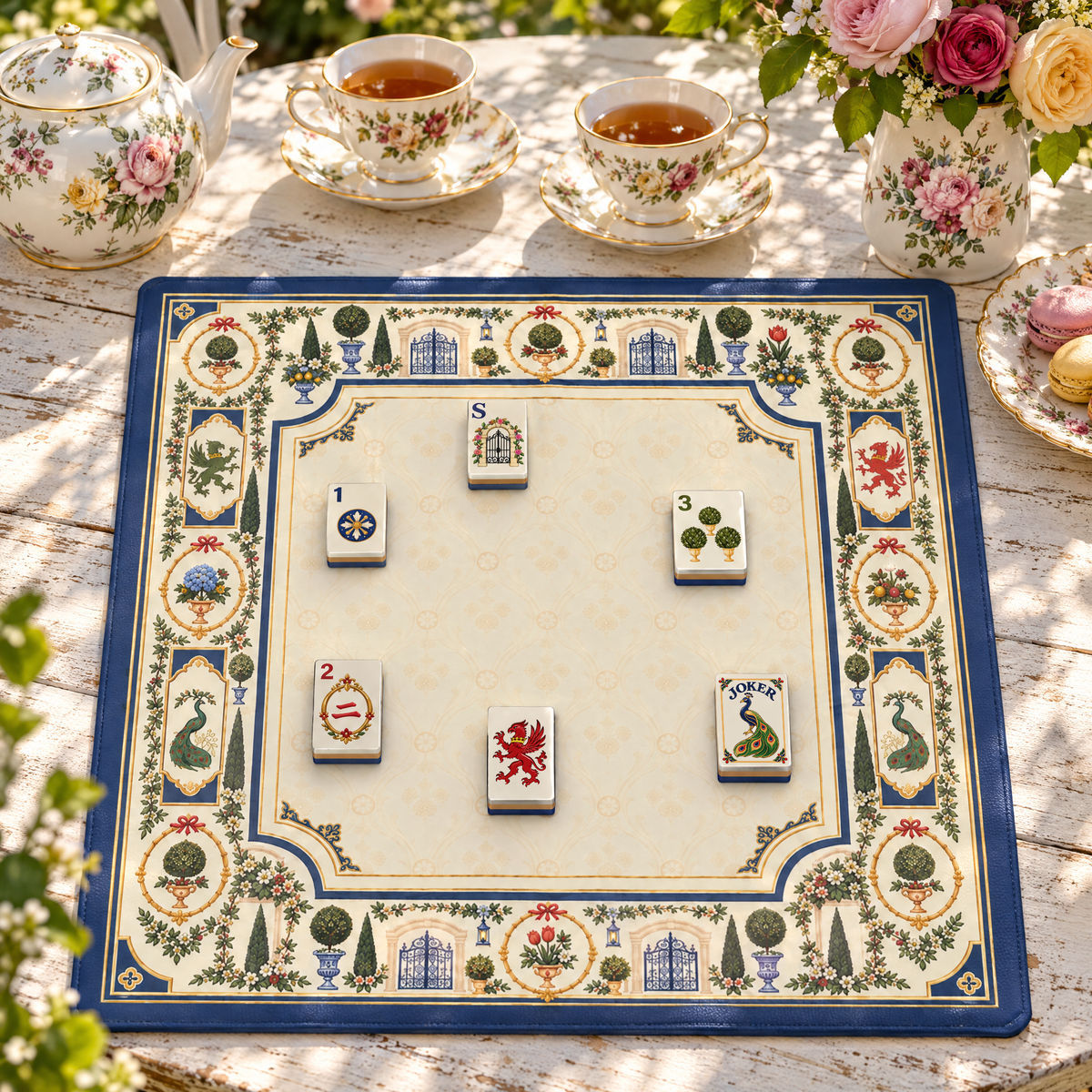
Des Moines mahjong tournaments are hosted through community centers, senior centers, libraries, country clubs, and casual meetup groups throughout the metro area. The National Mah Jongg League sanctions tournaments with standardized American mahjong rules (using 152 tiles, the current year's card, and the Charleston tile-passing ritual before each hand). Most local tournaments run on weekends, entry fees vary by venue, and games typically last 2–4 hours per round. To find active tournaments, search Meetup.com for mahjong groups, contact your local library or community center directly, and ask at established senior centers—many host monthly or seasonal competitions.
Where do Des Moines players find tournament games?
Start with your city's Parks & Recreation department and public library system—many host mahjong clubs on a regular schedule or can refer you to active groups. Community centers in central and suburban Des Moines often post tournament calendars online or by phone. Senior centers frequently host both casual weekly games and competitive tournaments; call ahead to confirm tournament dates. Meetup.com and Facebook groups dedicated to Des Moines gaming are reliable sources for grassroots player networks. Country clubs and private clubs sometimes welcome non-members for sanctioned events; ask the front desk. Once you've located a tournament, confirm the rules variant (American mahjong is the standard), the entry format, and whether you bring your own set or use house tiles.

What are the rules for American mahjong tournaments?
American mahjong tournaments use exactly 152 tiles, 8 jokers, and the current National Mah Jongg League card issued each spring. All hands must come directly from that year's card—no alternate hand lists. Players draw, discard, and expose tiles exactly as in casual games: pungs (three identical tiles), kongs (four identical), and quints or sextets (five or six) may be called and exposed; chows (sequences like 1-2-3) do not exist in American mahjong. Jokers can never represent a single tile or a pair—they only substitute within exposed sets. The Charleston happens before each hand: each player passes tiles in a prescribed direction (typically right, across, left), and players may pass back tiles they dislike. Scoring follows the League card; most tournaments track wins and points across multiple rounds. Read how to play American mahjong for a complete walkthrough of hand mechanics and joker rules.
🀄 Shop best-selling mahjong sets →
How do you prepare your set for tournament play?
Tournament sets must be complete (152 tiles in play, 8 jokers usable, no blanks or extras mixed in), clean, and clearly marked if personalized. Verify all tiles are present: three suits (Bams, Craks, Dots) with numbers 1–9, four of each (108 total); sixteen winds (four each of North, East, West, South); twelve dragons (four each of Red, Green, White); eight flowers. Check that jokers are unmarked or consistently marked and won't confuse other players. If you use an engraved set, ensure the engraving is legible but not so raised it catches on cloth—acrylic engraved American mahjong sets are smooth and tournament-legal. Pack your set in a sturdy case that protects tiles during transport and doesn't spill at the table. Bring the current year's card, score pad, and pen. Many competitive players also bring their own mahjong racks with pushers to speed play and prevent accidental discards. Arrive 15 minutes early to inspect the table surface (a good mat absorbs sound and prevents slipping) and confirm all players' sets are legal before drawing.

What's the difference between casual and tournament play?
Aspect | Casual Weekly Game | Tournament |
Card used | Current year's League card | Current year only; strictly enforced |
Hand validity | Flexible on alt hands | Card hand only; no exceptions |
Time per hand | Variable | Often a round timer (5–10 min discussion) |
Scoring system | Table-specific rules | Standardized League scoring |
Entry | Usually free or small pot | Formal entry fee or registration |
Seating | Rotate or stay | Assigned or rotated by organizer |
Disputes | Table decides | Organizer or appointed judge |
Equipment check | Informal | Strict: tiles counted, jokers inspected |
Casual games are more forgiving and social; tournament play is regimented, fair, and held to League standards. Both use the same hand mechanics and Charleston, but tournament enforcement is tighter. A tournament-grade set from our best-selling collection meets any venue's standards and won't raise questions.
🎁 See our most-loved mahjong sets & accessories →
What should you know about tournament etiquette and timing?
Arrive on time; latecomers may be penalized or substituted. Silence your phone and keep side conversations quiet—other tables are playing. Never touch another player's tiles or discard pile without permission. When you discard, place the tile in the center of the discard area clearly, face-up, and announce the tile suit and number (e.g., "3 Dot"). If a player calls your discard, stop and let them take it; don't continue play. Keep your hand hidden from neighbors until you expose sets. Don't celebrate or criticize hands in progress. Most tournaments allot 5–10 minutes per hand for play; don't rush, but play at a steady pace. Respect the organizer's ruling on disputes—don't argue at the table. At the end of each hand, help verify scoring before the next Charleston begins. Following these norms keeps the tournament running smoothly and earns respect from other players. Check the specific tournament's house rules when you register.
How do you choose and transport the right set for tournaments?
A tournament set must be durable, legible, and portable. Acrylic tiles are tournament-standard: they're lighter than bamboo/bone, less prone to chipping, and don't absorb odors or humidity. A 160-tile set contains all 152 playing tiles plus spare jokers and blanks; the spare tiles stay in the box and never enter play. Engraved personalization (your name or a motto) is legal and adds personality without affecting gameplay. Transport your set in a padded travel bag or hard case—tumbling tiles mid-drive is a nightmare. Include the current year's card, a pen, and a small score pad. If your bag has a shoulder strap, you're hands-free getting in and out of venues. Some players keep a spare set at home and one in their car for spontaneous games. Before your first tournament, play a few casual rounds with your set to confirm it feels right and you're confident with the hand mechanics—don't debut a new set under tournament pressure.
✨ Find your Mahstead set — free US shipping →
What to check before you enter a tournament
Confirm the variant: Verify it's American mahjong (152 tiles, League card, Charleston). Some regions play other variants (Chinese, Hong Kong, Riichi); rules differ significantly.
Bring the current year's card: Tournaments enforce the spring-issued League card strictly. An old card will not be accepted.
Count your tiles: Verify all 152 tiles and 8 jokers are in your set. A missing tile disqualifies your set; ask the venue if you can borrow from a spare set.
Test your racks and pushers: If using racks with pushers, bring them but use the venue's if theirs are already set up. Never swap mid-tournament.
Know the entry fee structure: Ask whether entry is per hand, per round, or a flat tournament fee. Some venues require pre-registration.
Ask about scoring: Clarify whether the tournament uses basic League scoring or a house variant (some venues modify point doubling or add bonuses).
Arrive early: Get there 15 minutes before the first draw to scope the tables, meet other players, and avoid a rushed start.

FAQ
Can I play in a Des Moines tournament if I'm a beginner?
Yes. Many tournaments have beginner divisions or casual brackets. Check with the organizer about skill levels when you call. A few practice games with friends before attending will boost your confidence and speed.
Do I have to bring my own set, or can I use the venue's tiles?
Most tournaments allow both options. Ask the organizer when you register. If using your own set, confirm it's tournament-legal (152 tiles, no blanks mixed in, all tiles legible). House sets are inspected and verified by the venue.
What does the Charleston do in American mahjong tournaments?
The Charleston is the tile-passing ritual before each hand. Players pass tiles right, across, left, and optionally pass back. It randomizes the hand and is mandatory in all American mahjong tournaments. Read the Charleston explained for a step-by-step walkthrough.
Is American mahjong the same as Chinese mahjong?
No. American mahjong uses 152 tiles, no chows, the League card, and jokers as wildcards only in sets. Chinese mahjong uses 144 tiles, chows (sequences), a hand list memorized by all players, no jokers, and different scoring. Tournaments specify which variant they play.
How often are tournaments held in Des Moines?
Tournament frequency varies by venue. Contact your local community center, senior center, or library to ask about monthly or seasonal tournaments. Casual weekly games run year-round at many locations; tournaments often cluster in fall and spring.
What's a good beginner's set to bring to a tournament?
Look for a tournament-grade acrylic set with clear, large-print tiles and a sturdy carrying case. Avoid vintage bamboo or bone sets unless you're experienced—they're delicate and harder to read quickly at the table. Engraved personalized sets perform as well as plain ones.


View More
View More
View More
