
Riichi Mahjong Ippatsu Rules: Win on Your Next Tile
Last updated: Nov 23, 2026
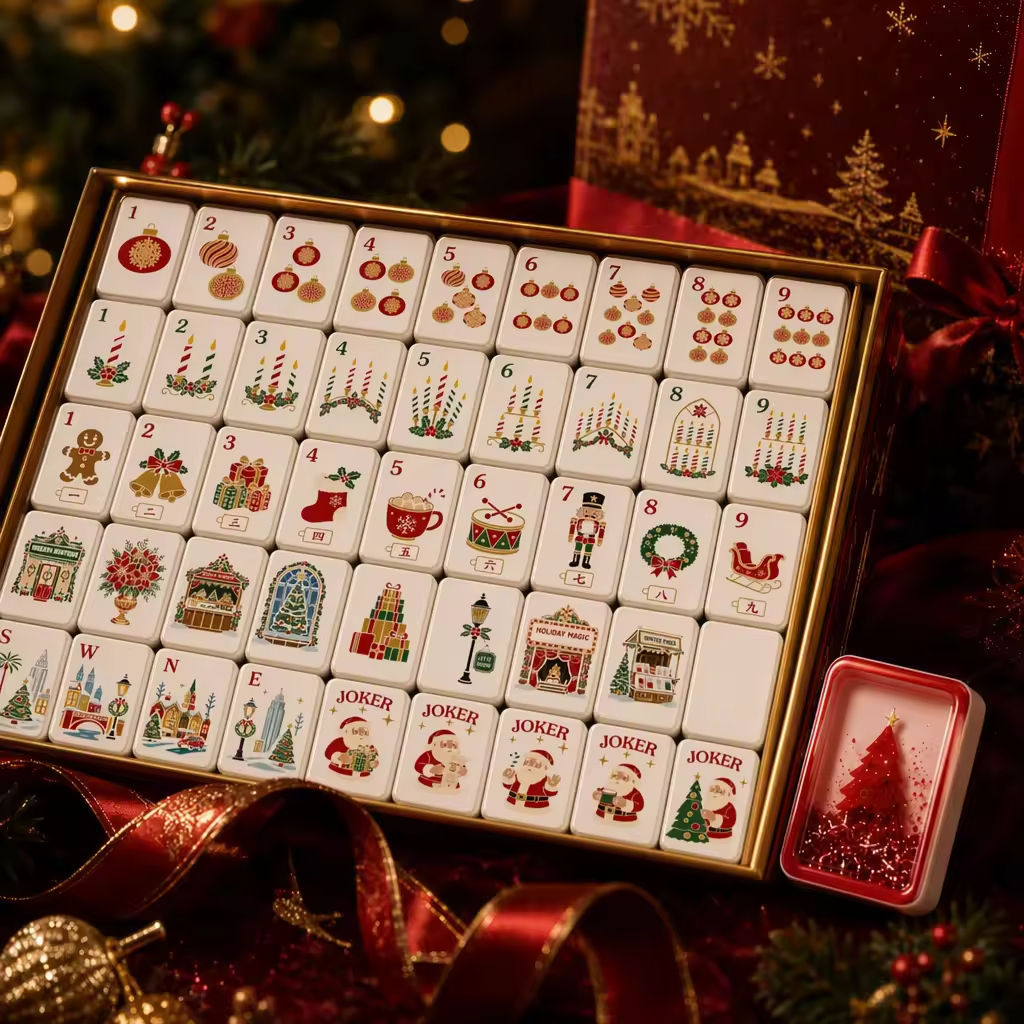
Ippatsu (一発, "one shot") is a Japanese riichi mahjong bonus that fires when you win within one complete turn after declaring riichi, before any other player has drawn and discarded. Unlike American mahjong, which uses only the National League card, riichi mahjong (also called Japanese mahjong) involves melds called chi (sequences), open pon/kan (triplets/quads), and dozens of named hand patterns with point multipliers. Ippatsu scores 1 fu (minimum) and typically adds value to your win without changing the hand requirement. The condition is lost if another player draws even one tile after you declare riichi without winning immediately, or if you draw and discard before ippatsu expires. Most casual riichi tables in North America use free online simulators or practice apps rather than physical tiles, though dedicated players use high-quality sets for home study.
What exactly is ippatsu in riichi mahjong?
Ippatsu means you declared riichi and won before the next player's turn completed. The moment anyone else draws a tile after your riichi declaration, ippatsu vanishes forever that hand—even if you win two turns later, the bonus doesn't apply. It's a speed bonus: riichi signals your hand is nearly ready, ippatsu rewards you for closing it fast. Ippatsu stacks with other bonuses (dora, fu modifiers) but exists independently of them.

How does ippatsu differ from American mahjong?
American mahjong has no riichi system, no concealed melds, and no bonus point multipliers like ippatsu. You declare your hand all at once when you have a complete match from the National League card, then add scoring multipliers (like all simples or all terminals). In riichi mahjong, you declare mid-hand that you're ready, lock your hand face-down, and accept only the tile that completes it. Ippatsu is a riichi-specific feature; American players won't encounter it. If you're learning both variants, think of riichi as a faster, more luck-based game where declaring early can cost you points if another player wins first.
When does ippatsu actually apply—step by step?
Scenario 1: You win immediately. It's your turn after you declared riichi. You draw the winning tile. Ippatsu is live. You win and score ippatsu.
Scenario 2: Someone else draws after your riichi. Player to your left draws a tile after you declared riichi. Even if nobody discards yet, that action starts a new turn cycle. Ippatsu expires. You can still win later, but ippatsu won't score.
Scenario 3: You declare riichi but don't win. You discard; your left neighbor draws; you don't have the winning tile yet on your next turn. Ippatsu is already gone. You forfeit the bonus unless you win immediately on your very next draw.
Scenario 4: Discard follows riichi instantly. You declare riichi. You discard the tile needed to trigger riichi. An opponent calls tsumo (self-draw) or ron (steal) on your discard. Ippatsu does not apply to their win—only to yours, within one cycle.
The key: ippatsu is about your win, not your hand pattern. It measures elapsed time in turn cycles, not hand complexity.
Common mistakes that kill ippatsu
Mistake | What happens | How to avoid |
Declaring riichi too early | You're forced to win only on a single tile; if someone draws first, ippatsu dies but you're locked | Wait until only one tile completes your hand |
Thinking ippatsu applies to ron on someone else's discard | It doesn't; ippatsu only works if you self-draw (tsumo) | Remember ippatsu = tsumo-only bonus |
Confusing ippatsu with "one-shot" win | Ippatsu is one-cycle-shot, not one-tile-only | A tile that completes your hand and wins is ippatsu-eligible; a tile drawn after another player's turn is not |
Playing ippatsu in American mahjong | There is no riichi or ippatsu in American tiles | Learn the two games separately; don't mix rule sets |
Ippatsu scoring and how it combines with dora
In most riichi rules, ippatsu adds 1 fu (basic point unit). Dora (bonus tiles revealed after the hand is set) stack separately—if your hand has 2 dora and ippatsu, you score as if the hand were +2 dora, then add ippatsu's value. Example: a 2-fu, 2-dora, ippatsu hand might score 2,000 points mangan (max for non-dealer) or higher depending on dealer status and round wind bonuses. Unlike American mahjong's fixed multiplier scoring, riichi uses a calculation table (fu × fan = base points, then × 2 or × 4 depending on who pays). Ippatsu by itself never upgrades you to a higher tier (like going from mangan to haneman); it's a small, consistent bonus—but in close games, those 300–500 points matter.

Setting up for ippatsu: tile position and table etiquette
Riichi mahjong players typically arrange tiles in a wall (like American mahjong) but with stricter concealment rules. Your hand stays hidden until you declare riichi; then you place a 1,000-point bettor chip sideways on the table and lay your hand face-down. At that moment, everyone knows your hand is closed and you're hunting for one tile. Dealers move counterclockwise (opposite American mahjong). If you're playing in-person with a best-selling set from Mahstead, ensure all tiles are shuffled and stacked uniformly so no one can see which tiles remain in the wall—a huge advantage if ippatsu timing is contested.
🀄 Shop best-selling mahjong sets → https://mahstead.com/en-us/collection/best-selling
Ippatsu eligibility and what cancels it instantly
Ippatsu is live the instant you declare riichi and locks in place until one of three things happens:
You draw and win. Ippatsu scores. Hand is over.
Another player draws and acts. Ippatsu expires. Your next win (whenever it comes) loses ippatsu. You can still win normally.
You are forced to cancel riichi (rare; usually happens if a discard matches your melds or someone else wins first). Ippatsu is moot; hand is void.
A critical detail: if your discard is called for pon, chi, or kan (open melds by opponents), riichi cancels—you can't declare riichi on a hand that invites opponents to steal tiles. This rule prevents abuse and keeps riichi hands truly closed. If someone steals your discard, ippatsu never existed for that hand.
When to declare riichi: strategy to maximize ippatsu chances
Declare riichi only when your hand requires exactly one tile to win. If two tiles complete your hand (e.g., a 1 or 9 Crak), riichi is riskier—you're betting 1,000 points on a slower payoff. Pros wait for a "single tile" position, then riichi immediately, because ippatsu odds improve when fewer tiles in the wall can help you. In early rounds (East wind), riichi is conservative; in final rounds (South wind), riichi pressure increases and ippatsu becomes a smaller edge. Study free online riichi simulators (Tenhou, Mahjong Soul) to practice recognizing single-tile opportunities—experience teaches timing better than theory.
🎁 See our most-loved mahjong sets & accessories → https://mahstead.com/en-us/collection/best-selling
Riichi vs. American mahjong: which should you learn first?
If you play American mahjong weekly, riichi mahjong will feel alien at first—no fixed hands, no jokers, melds hidden until you riichi, completely different scoring. Many players learn American first (easier rules, card-based, slower pace) then riichi second (faster, pattern-based, luck-heavier). Ippatsu is a riichi-only concept and only makes sense once you understand riichi's core: declaring a closed hand, accepting one tile, and racing for the win. Start with American if you want steady games with friends; switch to riichi if you want a mental challenge and access to international tournaments.
What to check before you buy
If you're shopping for tiles to study riichi mahjong at home, verify your set includes all 136 tiles (standard Japanese mahjong: 4 suits × 1–9 × 4 copies, 16 winds, 12 dragons, 8 flowers). Engraved American mahjong sets are built for American play and include jokers; they're not ideal for riichi study, though the tiles themselves work. For riichi at home, a plain or minimalist set is preferable—your focus is on learning ippatsu and hand patterns, not decoration. If hosting regular riichi games, invest in a high-quality mahjong mat with clearly marked discard zones and wall spaces, and racks with pushers so players can organize their hands evenly without accidentally revealing tiles.
✨ Find your Mahstead set — free US shipping → https://mahstead.com/en-us/collection/best-selling
Key takeaway: ippatsu is a timing bonus, not a hand modifier
Ippatsu rewards speed in riichi mahjong: you declare your hand is nearly ready (riichi), you pay a risk fee (1,000 points), and if you draw your winning tile before anyone else's next turn, you score an extra bonus. Unlike American mahjong, where all wins are equal (only scoring multiplies), riichi mahjong has named bonuses—dora, ippatsu, honor melds, sequences—that layer on top of base hand points. Mastering ippatsu means recognizing single-tile hands early and gambling that your tile shows up before someone else's turn ends. It's a small but real edge in competitive play.

FAQ
Can ippatsu apply if I win by stealing someone's discard (ron)?
No. Ippatsu only works if you self-draw (tsumo). If you win by calling another player's discard, you lose ippatsu. The bonus specifically rewards riichi + immediate self-draw within one turn cycle.
Does ippatsu stack with dora and other bonuses?
Yes. Ippatsu is counted as an extra fu and combines with dora, honor melds, and sequences in the point calculation. Example: 2 dora + 1 ippatsu hand still uses the same scoring table; you're just adding 1 fu to the base.
If I declare riichi and someone calls tsumo (self-draws) before my next turn, can I still win with ippatsu later?
No. Once any other player completes their turn cycle (draw + discard), ippatsu expires for you. That other player's tsumo win also ends the hand; you don't get another chance.
Can I cancel riichi after I declare it but before I draw?
In most rulesets, no. Once you declare riichi and place your bettor chip, you're committed. If your hand can't win, you lose that 1,000 points. Rare exceptions exist in friendly games—always agree on house rules beforehand.
How is ippatsu different from "yama" or "wall" terminology I hear in riichi?
The yama (wall) is where tiles live before being drawn. Ippatsu is a bonus for winning before the next player draws from the wall. They're unrelated concepts—yama describes the tile pile; ippatsu describes your speed bonus.
If I'm not a dealer, does ippatsu score differently?
No. Ippatsu adds 1 fu regardless of dealer status. Your total score (fu × fan) is then multiplied differently based on whether you're dealer (paying ×1, receiving ×1.5) or non-dealer (paying ×1, receiving ×1), but ippatsu itself is the same bonus.
Can I study ippatsu using American mahjong tiles and rules?
No. American mahjong has no riichi system, no single-tile wins, and no ippatsu bonus. You must learn riichi mahjong rules separately. Free online simulators (Tenhou, Mahjong Soul) are the best way to practice ippatsu without buying a riichi set.


View More
View More
View More
