
Mahjong Tournaments in Denver: How to Find & Prepare
Last updated: Nov 23, 2026
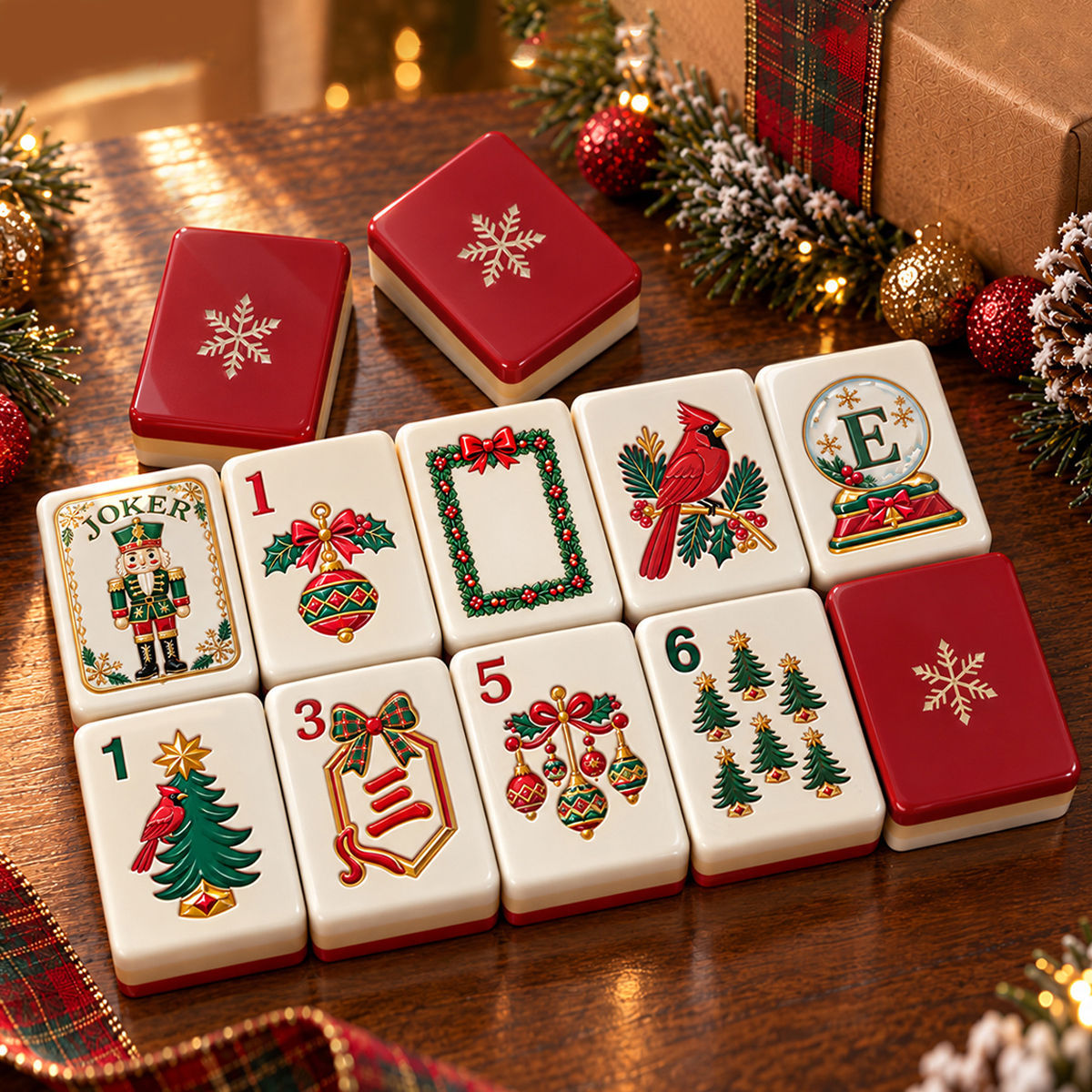
Denver mahjong tournaments happen primarily at community centers, libraries, country clubs, and synagogues across the metro area—search online community boards, Meetup, or your library's events calendar to find current schedules. Most tournaments follow American mahjong rules using the National Mah Jongg League card (updated each spring), run single or multiple rounds over a day, charge entry fees that vary by organizer, and award prizes to top finishers. Casual games run weekly at many venues. Before entering a tournament, confirm the ruleset (American vs. other variants), whether jokers are in play, table rotation format, and what tiles are provided versus what you bring. A best-selling 160-tile acrylic set works for tournaments anywhere—acrylic tiles sound crisp, shuffle quickly, and are legal in all formal play.
Where Do Denver Tournaments Happen?
Denver's mahjong scene is scattered across the city rather than centralized. Community centers (check Denver Parks and Recreation online), public libraries, and country clubs host the bulk of regular events. Jewish community centers, Unitarian churches, and Chinese cultural organizations also run tournament seasons. Start by visiting your local library's online events board and local Meetup groups—search "mahjong Denver" or "mahjong Colorado." Regional tournaments occasionally draw players from surrounding areas; check the National Mah Jongg League website for sanctioned event listings. Most venues post schedules 2–3 months ahead.
🀄 Shop best-selling mahjong sets →

What Is the Tournament Format?
Most Denver tournaments use one of two formats: round-robin or Swiss-style. In round-robin, you play 3–5 games against different players in a single day; your cumulative score determines placement. Swiss-style pairs you against opponents with similar records each round, so you stay competitive whether you win or lose early. American mahjong tournaments always use the current year's National Mah Jongg League card—hands are strictly from that card, no variants. Games last roughly 45 minutes to 1.5 hours. Entry fees typically range from modest amounts for casual in-house play to higher amounts for full-day sanctioned tournaments, depending on prizes and venue. Confirm the format and duration before signing up so you can plan your day.
How Do I Prepare My Skills Before a Tournament?
Tournament play is tighter than casual home games. Players work faster, call hands more precisely, and track discards aggressively. Practice speed: shuffle and deal a hand in under three minutes. Study the current year's National Mah Jongg League card for thirty minutes each week—learn hand patterns, not individual combinations. Play weekly casual games at a local venue to build muscle memory and social confidence. Understand scoring rules so you calculate points correctly without slowing the table. If you're new to American mahjong, start with a weekly casual game for two months before entering a tournament; most Denver venues welcome beginners.
What Equipment Should You Bring or Know About?
Most tournaments provide tiles, but confirm when you register. If you bring your own set, use standard 160-tile acrylic American mahjong tiles—these are universally legal and preferred because they're consistent, durable, and shuffle quietly. Bring a small notebook and pen to track scores and hands you see. A rack with pushers speeds up your game and impresses experienced players; many tournaments allow personal racks at the table. Wear comfortable clothes and shoes—you may sit for 4–6 hours. Leave your phone off the table and focus on play.

What Etiquette and Rules Matter Most?
Tournament play follows strict American mahjong etiquette. Don't comment on anyone's play, announce your hand before revealing it completely, and keep discards in clear order so other players can read them easily. Call "Pung," "Kong," "Quint," or "Mahjong" immediately and loudly—delay costs you the hand. If you win, present your tiles face-up in their groups so the table verifies your hand against the card before you're paid. Never use jokers in a single tile, a pair, or with just one other tile of the same type. Rotate counter-clockwise (East, South, West, North) after each game. Ask the table host or scorekeeper to explain a rule before the first hand—no one will judge you for learning.
How Do You Know If a Denver Tournament Suits Your Level?
Indicator | Beginner-Friendly | Intermediate | Advanced/Competitive |
Skill level mentioned | "Open to all" or "beginner-friendly" | "Regular players" or " 6+ months experience" | "Tournament experience" or "invited" |
Hand speed | 1–2 hours per game | 45 minutes–1 hour | 30–45 minutes |
Joker rules | Conservative (fewer jokers in play) | Standard | Aggressive (many jokers allowed) |
Typical entrants | 8–20 | 20–40 | 40+ |
Entry fee | Low (if any) | Moderate | Higher, with prizes |
Charleston emphasis | Taught at the table | Assumed you know it | Timed and strict |
Most Denver venues code their events as "beginner," "open," or "competitive" in the description—start where your skills match, then move up as you improve.
🎁 See our most-loved mahjong sets & accessories →
What to Check Before You Sign Up
• Ruleset: American (National Mah Jongg League card), Chinese, Hong Kong, or Riichi? • Jokers in play: How many? Can jokers be used in pairs? • Tiles provided or bring your own: If you bring tiles, are they 160-tile acrylic sets or bamboo? • Table rotation: Do you stay at one table or move between rounds? • Scoring method: Points-per-hand, cumulative, or tournament scoring? • Duration: How many games? What time does it end? • Entry fee: What does it cover? Are there prizes? • House rules: Do they use a house card variant or official National Mah Jongg League hands only? • Beginner support: Will the organizer explain unfamiliar rules during play?
If the description is vague, email the host or call ahead. Good organizers answer all questions and welcome newcomers.
✨ Find your Mahstead set — free US shipping →

FAQ
Do I have to know how to play American mahjong before joining a Denver tournament?
No. Many Denver venues run beginner-friendly tournaments where the host explains rules before play starts. Play one or two casual games first to learn tile names and basic hand patterns, then sign up for an open tournament. Most players are welcoming to newcomers.
Where exactly in Denver can I find a tournament this month?
Check your local library's online events page, search Meetup for "mahjong Denver," and call community centers directly. Ask if they maintain a bulletin board or email list for mahjong events. Venues post schedules 6–8 weeks in advance.
Can I bring my own tiles to a tournament?
Yes, if the organizer allows it (most do). Use standard 160-tile acrylic American mahjong tiles so they match tournament standards for size, weight, and marking clarity. Bamboo sets work too but are heavier and slower to shuffle.
How long does a typical Denver tournament take?
Most single-day tournaments run 4–6 hours, with 3–5 games per round. Arrive 15 minutes early to register and chat with other players. Allow extra time if you're new.
What's the difference between a casual weekly game and a tournament?
Casual games are social, forgiving of rule questions, and play at a relaxed pace. Tournaments enforce strict rules, faster play, precise calling, and track cumulative scores for ranking. Both use the current year's National Mah Jongg League card.
Do I need special equipment for a tournament, or just tiles?
Tiles are the minimum. A rack with pushers is optional but helpful—it keeps your hand organized and speeds up play. Most tournaments do not require racks, but many experienced players bring them.


View More
View More
View More
