
Mahjong Tournaments in Cincinnati: Where to Play & How to Compete
Last updated: Nov 23, 2026
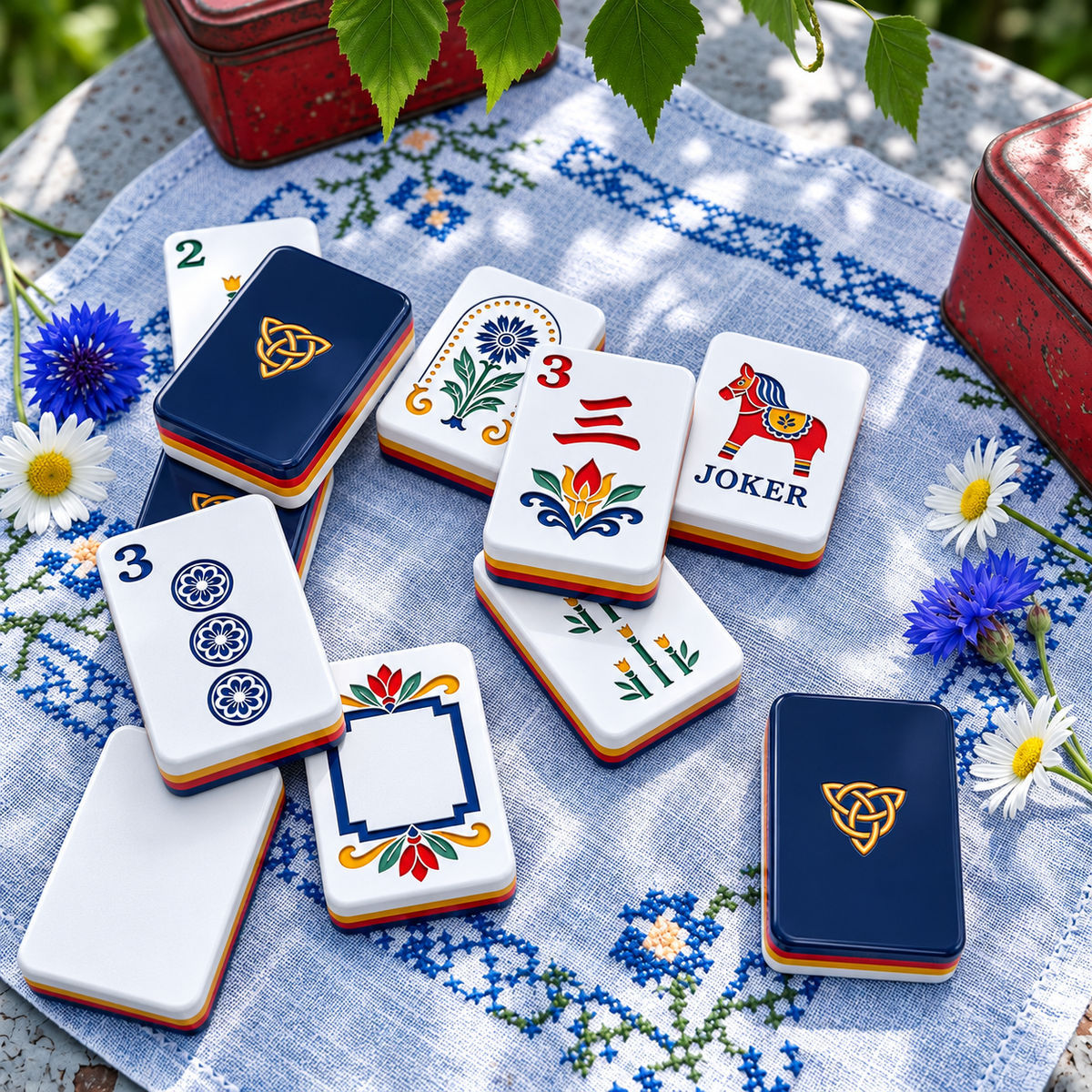
Cincinnati's mahjong scene centers on community centers, synagogues, country clubs, and meetup boards where players organize weekly games and seasonal tournaments. The city's American mahjong community—which follows the National Mah Jongg League card rules—hosts casual tournaments usually in fall and spring, often with entry fees covering supplies or charity donations. Games run four players per table, typically 2–4 hours. To find tournaments, search community centers and libraries for mahjong clubs, check Meetup.com for Cincinnati mahjong groups, and ask at local synagogues or country clubs known for hosting games. Most tournaments accept beginners; many require a 160-tile acrylic set and knowledge of the current year's card. Bring a mat, racks, and pushers if you own them, though hosts often provide shared equipment. Entry typically covers refreshments and a small donation.
Where do Cincinnati mahjong tournaments actually happen?
Most organized play in the greater Cincinnati area clusters around public institutions and social clubs. Community centers—particularly in neighborhoods like Hyde Park, Oakley, and Mason—post mahjong tournaments on their activity boards and websites. Check your local branch libraries' bulletin boards and websites; many Cincinnati Public Library locations host game clubs. Synagogues remain traditional hubs; contact ones in the region and ask for game coordinators. Country clubs and golf clubs sometimes sponsor tournaments or have standing game groups. University or college continuing-education programs occasionally list mahjong events. Start by calling or visiting websites for these venues and asking the staff directly—tournament calendars change seasonally, and organizers rely on word-of-mouth and email lists.

What rules do Cincinnati tournaments use?
Cincinnati follows American mahjong rules as published each spring by the National Mah Jongg League. This means hands come only from that year's card; you build exactly 14 tiles (13 in hand, 1 drawn or claimed) into a legal hand before declaring "mahjong." American mahjong uses 152 tiles—Bams, Craks, and Dots numbered 1–9, winds, dragons, flowers, and jokers—and no sequences (chows) that can be called or exposed. You may only expose pungs (three identical), kongs (four identical), quints (five), and sextets (six); jokers never stand alone or as a pair. The Charleston—a ritual pass of 36 tiles before play begins—is required. Most local tournaments use the standard card without variant house rules, though a few games may tweak scoring; ask organizers for their specific rules packet before entering.
🀄 Shop best-selling mahjong sets →
How do I prepare for my first Cincinnati tournament?
Preparation has two layers: rules mastery and equipment readiness. Before you arrive, spend 2–3 weeks learning how to read the mahjong card and playing casual games—most Cincinnati clubs welcome drop-ins on practice nights. Understand how jokers work in hand-building; jokers replace any tile and can hide in melds, but never sit as a solo tile or pair. Bring or borrow a full American mahjong set—160-tile acrylic sets with engraved tiles are tournament-standard and easier to read than plastic under lights. Carry a mat and racks with pushers if you own them; they speed up play and reduce errors. Wear comfortable clothes and bring water; tournaments run long. Arrive 15 minutes early to confirm the pairing, review the hand card, and greet your table-mates.
What's the typical tournament format and scoring system?
Most Cincinnati tournaments pair four players per table in a round-robin or Swiss-system bracket over 4–6 rounds. Each round lasts one hand (typically 15–25 minutes), and you rotate table positions—East, South, West, North—with each new round to balance advantage. American mahjong scoring awards points based on your hand's rarity and complexity from the official card: a 2-point hand counts toward your score if you go out, but a 30-point hand is rarer and rewards you much higher. Scoring varies by tournament (some use cumulative points, others use wins), so ask organizers for their scoring sheet when you register. Most tournaments pay out small prizes to the top three finishers—often store gift cards or tournament entry rebates. Ties are broken by hand difficulty or head-to-head records. Keep score carefully; scorecard errors cause disputes, so use a pen and confirm tallies with your table before moving to the next round.
What equipment mistakes should I avoid at a Cincinnati tournament?
Mistake | Why It Hurts | How to Avoid It |
Buying a cheap plastic 144-tile set | Tiles wear fast, get hard to read, confuse beginners; most tournaments require 160-tile standard. | Invest in acrylic American sets with clear engraving. Reusable for years. |
Forgetting a mat or racks | Tiles scatter, games slow, other players' tiles fall during the Charleston. | Bring a padded mat and racks with pushers. Hosts often provide, but yours are cleaner. |
Not reviewing the current year's card | You can't recognize valid hands or claim tiles correctly. Leads to penalties or DQs. | Print the current card, study it 1–2 weeks before, bring a copy to the tournament. |
Leaving tiles in your bag during set-up | Play starts late, organizers reset the tables, you lose your spot. | Unpack 5 minutes before start and arrange your set clearly. |
Not confirming the rules with organizers | House rules vary (e.g., some allow bouquets, some don't). You're confused mid-game. | Ask for a one-page rules sheet at sign-up. Read it before the first hand. |

How do I find Cincinnati mahjong groups if tournaments aren't my style?
Casual weekly games are easier to join than tournaments and better for learning. Start with Meetup.com: search "Cincinnati mahjong" and filter by distance and meeting frequency. Most groups meet Thursday or Sunday evenings. Facebook groups for Cincinnati, Hyde Park, Mason, or nearby suburbs often list game invitations in comments. Community center staff can refer you to the regulars who organize games; ask if you can sit in. Synagogue administrators know who plays; many congregations host Thursday-night games that welcome non-members. Country clubs may have standing games; call and ask if visitors can join a night. Start by observing one or two games before committing to weekly play; you'll learn house rules, meet the regulars, and spot where tournaments are discussed. Most Cincinnati players are welcoming to beginners who show respect for the game and other players.
🎁 See our most-loved mahjong sets & accessories →
What's the cost to enter a Cincinnati mahjong tournament?
Entry fees vary by organizer and venue. Community center tournaments typically charge a small registration fee—the amount goes toward facility rental, supplies, or charity. Synagogue-hosted games may ask for a donation or small entry fee. Private club tournaments may be higher for non-members or require membership. Most organizers cover tiles, mats, and snacks in the entry cost, though bringing your own mat and set is always wise. Ask the organizer upfront: "What is the entry fee, and what's included?" Some tournaments offer early-bird discounts or multi-round packages. Few Cincinnati tournaments publish prices online; you'll call or email directly. Many venues accept cash at the door. If cost is a barrier, casual practice games are almost always free or "play for fun" with no stakes.
What to check before you buy tournament equipment
Set quality: Buy 160-tile acrylic sets with engraved (not printed) tiles. Printed tiles wear off in a season; engraved tiles last years. Confirm tiles are ivory or bamboo acrylic, not plastic; they stack and shuffle better.
Mat thickness and size: A padded mahjong mat should be at least 27" square and thick enough to muffle tile noise. Too thin and tiles bounce; too thin and it rolls up in the bag. Check weight for travel.
Rack durability: Racks with pushers should have smooth sliding, no splinters, and hold 18+ tiles. Test them in person if possible, or check reviews for creaking or tile-slipping issues.
Bag compartments: A mahjong travel bag or case needs separate pockets for tiles, racks, mat, and dice. Dumping everything in one pocket damages tiles and mats.
Tile readability: Buy sets with clear, bold suit symbols (Bam = circles, Crak = characters, Dot = dots) and large numbers. Avoid sets with ornate designs that slow down play.
✨ Find your Mahstead set — free US shipping →
How often do Cincinnati tournaments run?
Tournament frequency depends on venue and season. Fall tournaments (September–November) and spring tournaments (March–May) are most common because weather and schedules favor consistent play. Some larger community centers or synagogues host quarterly tournaments. Casual weekly games run year-round, typically one night a week. Summer often has fewer organized tournaments due to vacation schedules, though outdoor games and smaller meetups continue. Check with local venues in August for fall tournament schedules; sign-ups often open 4–6 weeks before the event. Email organizers in late winter for spring dates. Meetup.com groups update their calendars regularly; following them ensures you don't miss announcements.
🀄 Explore engraved mahjong sets →

FAQ
Do Cincinnati tournaments require me to own my own mahjong set?
Most organizers provide sets at the table, but bringing your own 160-tile acrylic set is safer—communal sets vary in condition and tile recognition. Your own set also builds confidence. First-timers can ask organizers if loaners are available.
What happens if I don't know the current year's mahjong card?
You won't recognize valid hands and will struggle to claim tiles or go out correctly. Study the card 1–2 weeks before; most local players have printed copies and will help you read it during practice. Bring your own copy to the tournament.
Can beginners really compete in Cincinnati tournaments?
Yes. Most Cincinnati tournaments welcome beginners and pair them fairly. Ask organizers if they offer a beginner bracket or mixed-skill tables. Casual practice games are gentler and better for learning rules first.
How long does a typical Cincinnati tournament take?
4–6 rounds at 15–25 minutes per round, plus 15–20 minutes for breaks, pair announcements, and scoring tallies. Plan for 3–4 hours total. Arrive 15 minutes early.
Where should I start if I've never played American mahjong before?
Join a casual practice game first. Find one through Meetup.com or a local community center and observe one night. Read our mahjong for beginners guide, then play 2–3 weeks before entering a tournament. Confidence and familiarity with the card matter more than speed.
What's the difference between American, Chinese, and Hong Kong mahjong rules?
American mahjong uses only the current year's official card and no chow sequences; Chinese mahjong allows any hand pattern and permits exposed sequences; Hong Kong mahjong has a different tile set and scoring. Cincinnati tournaments use American rules exclusively. Ask organizers to confirm before joining.
Can I play mahjong in Cincinnati if I don't live there?
Yes. Visitors are welcome at most casual games and open tournaments. Email organizers in advance and confirm the date and location. Bring your own set if possible; it speeds up table setup and makes a good impression.


View More
View More
View More
