
Mahjong Tournaments in Charlottesville: Where to Play & How to Compete
Last updated: Nov 23, 2026
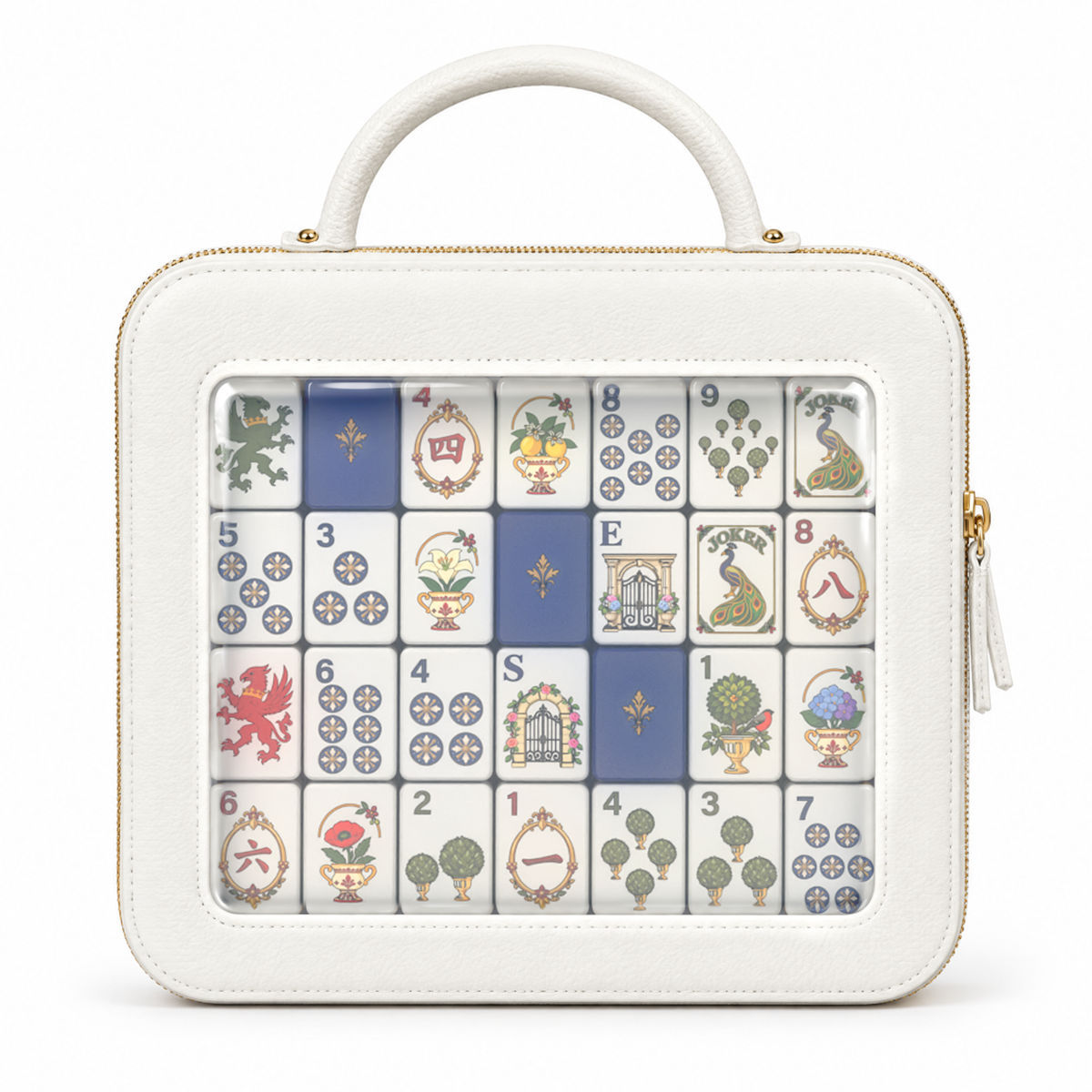
Charlottesville's mahjong scene centers on community centers, libraries, synagogues, and country clubs, most hosting weekly or monthly open games. Start by searching local meetup boards, community recreation departments, and synagogue bulletin boards for "mahjong" or "mah-jongg" to find active groups. Tournament play typically happens 2–4 times annually through regional American Mahjong League-sanctioned events or informal club championships; beginners can attend casual games first to learn the current year's National Mah Jongg League card before competing. Most local games use American mahjong (152 tiles, no sequences, jokers allowed). You'll need a 160-tile set with pushers and racks, a mat, a current-year card, and dice—all standard in our best-selling mahjong sets. Ask your host group which variant they play before joining, as some venues may offer Chinese or Hong Kong mahjong instead.
Where do Charlottesville players gather for regular games?
Community centers and libraries often host open mahjong tables weekly or biweekly during evening or weekend hours—check your city recreation schedule online or call directly. Synagogues frequently sponsor mahjong social groups, especially on weekday afternoons; call ahead to confirm the game type and whether drop-ins are welcome. Some country clubs and senior centers run membership-based tournaments. Casual meetup groups also organize games at coffee shops or members' homes—search online community boards, neighborhood apps, or ask at local game cafés. Many groups post schedules on community bulletin boards or email lists.

What's the difference between casual play and tournament rules?
Casual games use the current year's National Mah Jongg League card and play for fun or low stakes; players usually agree beforehand on timing, scoring method, and whether jokers reset between hands. Tournament play follows strict League rules: timed rounds (typically 20–30 minutes per hand), official scoring tables, joker management (no mixing house rules), and mandatory exposure of melds. Tournaments are sanctioned, scored formally, and often require entry fees; casual games let hosts set their own house rules. If you're new, start casual to learn the card and rhythm before entering a tournament bracket.
🀄 Shop best-selling mahjong sets →
How do I prepare for my first Charlottesville mahjong game?
Learn how to play American mahjong and how to read the mahjong card before arriving. Bring or use the host's 160-tile set, pushers, racks, and mat. Study the current year's card for 15–20 minutes so you recognize common patterns (like pairs, pungs, and kongs). Arrive early to ask the host about house rules, Charleston ritual, and scoring. Watch one hand before you play if you're unsure. Bring a notebook to track scores. Ask questions freely—good groups welcome learners. Wear comfortable clothes and bring water.
What equipment do I need to bring or should the host provide?
The host typically provides the mahjong set, mat, racks, pushers, wind indicator, and card. You should bring the current year's League card (or borrow from the host), a pen, paper for scoring, water, and snacks to share. If you're serious about playing regularly, invest in our best-selling mahjong sets so you own a reliable set to practice with at home or bring to casual games. A mahjong mat and racks with pushers make setup faster and playing more comfortable. Mahjong bags and cases protect your gear if you're traveling between venues.
🎁 See our most-loved mahjong sets & accessories →

How do I find out about upcoming Charlottesville tournaments?
Contact your city or county recreation department to ask which community centers host mahjong leagues or tournaments. Call synagogues, senior centers, and country clubs directly to ask for tournament schedules or announcements. Join local mahjong meetup groups (online community apps, neighborhood boards, or game meetup websites) to receive email alerts about upcoming events. Ask other players at casual games—word-of-mouth spreads tournament dates quickly in small communities. Some venues post flyers at libraries, cafés, or game shops. Check back monthly; tournament seasons typically run spring through fall.
A Quick Comparison: Where to Start Your Mahjong Journey
Venue Type | Best For | Typical Frequency | Competitive? | Cost Basis |
Community center | Beginners & regulars | Weekly or biweekly | Low | Free–modest fee |
Library program | Newcomers, social play | Monthly or on-demand | None | Free |
Synagogue group | Social, daytime players | Weekly afternoons | Low | Donation or free |
Country club | Serious players | Monthly or seasonal | High | Membership required |
Home game (friends) | Relaxed learning | Ad hoc | None | Potluck or friendly stakes |
Tournament (League-sanctioned) | Competitive & ranked | 2–4× yearly | Very high | Entry fee applies |
What mistakes do newcomers make at their first game?
Wrong card version: Bring last year's card or no card at all. Solution: download or print the current year's League card before game day; ask the host which year is in use.
Misunderstanding joker rules: Beginners often think jokers can replace a single tile in a pair or stand alone. In American mahjong, jokers substitute only within exposed melds (pungs, kongs, quints, sextets) and never in a pair. Jokers cannot be called or added after the fact.
Unclear Charleston: The pre-game tile-passing ritual confuses newcomers. Ask the host to walk you through it slowly the first time; it becomes automatic after two rounds.
Ignoring house rules: Each group may score differently, agree on joker reset policy, or use optional timing. Ask before you play, not mid-hand.
Bad posture or set placement: Sit upright, keep your rack at chest level, and organize tiles clearly so others can count your melds. This speeds the game and prevents disputes.
What to Check Before You Buy or Bring Your Own Set
Tile count: You need exactly 152 playing tiles plus 8 jokers (a 160-tile set from Mahstead has spares). Never add extra tiles to active play.
Tile clarity: Engraved or printed suits must be legible under table lighting; our engraved American mahjong sets use deep etching for durability and readability in any room.
Rack & pusher fit: Tiles should slide smoothly; worn racks jam play. Mahjong racks with pushers should hold all 13 tiles comfortably at chest level.
Mat size & surface: A mat should fit your table and provide a non-slip base; see how to choose a mahjong mat for dimensions and fabric options.
Storage & transport: If you travel between venues, use a mahjong bag or case to prevent tile loss or damage.
Card legibility: Laminated or printed cards should be crisp and shade-matched to the tile dyes so you can spot patterns quickly.
✨ Find your Mahstead set — free US shipping →
Getting Started: A Beginner's Checklist
Search online for "mahjong" on community meetup boards, city recreation sites, library websites, or synagogue bulletin boards.
Call three venues (community center, library, synagogue) and ask for contact info for the mahjong host or group leader.
Attend a casual game first—no entry fee, no ranking pressure. Watch one hand before joining.
Study the current year's card for 20 minutes and learn how to read the mahjong card.
Bring pen, paper, water, and a snack to share.
Ask the host about house rules, Charleston, and scoring before the first hand starts.
Invest in your own set if you plan to play weekly—our best-selling mahjong sets are ready to play out of the box.
Return monthly and build friendships; Charlottesville's mahjong world is small and welcoming.

FAQ
Is American mahjong the only variant played in Charlottesville?
Most casual and tournament play in Charlottesville uses American mahjong (National League card, no sequences, 152 tiles). Some groups or hosts may also play Chinese or Hong Kong mahjong—ask before attending. American is the standard for organized tournaments in the region.
Do I need my own set, or can I always borrow one?
Hosts usually provide a set for casual play. If you attend regularly, buy your own 160-tile set so you practice consistently at home and can bring a familiar, reliable set to games. Ownership also helps you understand tile wear and quality.
How much does it cost to join a tournament?
Entry fees vary by event and venue; local tournaments typically range from modest to mid-range amounts. Contact your city recreation department or host group directly for exact fees. Casual weekly games are usually free or cover only refreshments.
What's the Charleston, and do I have to do it?
The Charleston is a pre-game ritual where players pass tiles to one another in three rounds to randomize the starting hand. Yes, it's mandatory in American mahjong—it's part of fair play. See the Charleston explained for step-by-step instructions.
Can I play if I've never seen mahjong before?
Yes. Attend a beginner-friendly group, watch one hand, then play. Most hosts expect some learners each session. Read mahjong for beginners and how to play American mahjong before your first game so you know the basics.
What's the best way to find a group if I don't have local friends who play?
Start with your city's recreation department website or call to ask which community centers run mahjong programs. Check library bulletin boards and websites. Call nearby synagogues to ask if they host groups. Search neighborhood meetup apps and community boards. Ask at game cafés or hobby shops. One call usually leads to a contact who introduces you to the group.
Do I need to know how scoring works before I play?
No. Your first game, focus on learning tile combinations, the card, and Charleston. The host or another player will explain scoring as you play. After a few games, study American mahjong scoring to keep your own tally and improve strategy.


View More
View More
View More
