
Mahjong Tournaments in Boca Raton: Finding Games and Getting Tournament-Ready
Last updated: Nov 23, 2026
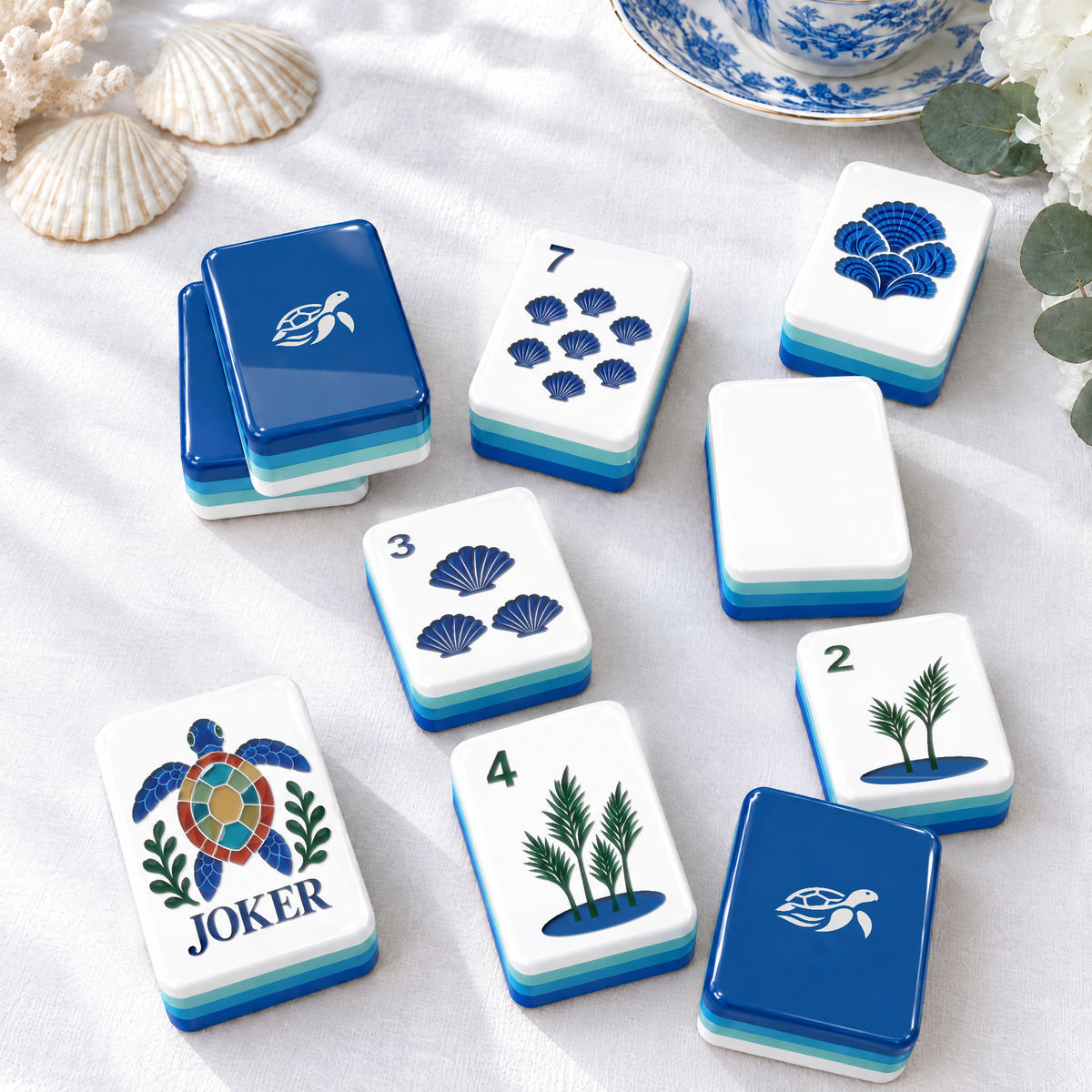
Boca Raton's mahjong tournaments are primarily organized through community centers, libraries, synagogues, country clubs, and private clubs in the area—search local meetup boards and Facebook groups for current schedules. Most American mahjong tournaments run 4–6 hours and follow National Mah Jongg League rules using the current year's card; entry fees typically range from modest community-level events to larger regional competitions. To compete, you'll need a 160-tile American mahjong set with current tiles, a personal mat if you're serious about consistency, and racks with pushers to protect your hand and speed play. Check the event rules in advance: some provide sets, others require you to bring your own, and tile quality matters—acrylic sets with clear engravings reduce disputes over tile identity at the table.
Where do Boca Raton mahjong tournaments actually happen?
Tournaments are hosted year-round at community recreation departments, public libraries, Jewish community centers, senior centers, and private country clubs throughout Boca Raton. Call ahead or check municipal recreation websites for seasonal schedules. Private clubs often post notices on bulletin boards or member newsletters. Facebook community groups and Meetup.com boards list weekend and weekday games—search "Boca Raton mahjong" or "South Florida mahjong tournament" to find active groups posting schedules. Regional tournaments draw players from across Florida and beyond, typically advertised through these same channels and the National Mah Jongg League directory.

What level of play should I expect?
Tournament brackets usually separate casual, intermediate, and advanced players, or run round-robin formats where mixed skill levels play together. Casual tournaments reward fun and social play; intermediate events test card mastery and speed; advanced competitions demand precision in hand recognition, quick discards, and table psychology. If you're new to American mahjong, start with a casual or beginner bracket to learn tournament pace and etiquette. Veterans often mentor newcomers at table, and most organizers welcome repeat players with constructive feedback. Skill builds fastest through regular tournament play—expect to understand tile flow and pressure much better after 3–4 events.
What gear do tournament players actually bring?
Serious competitors carry personal mahjong sets designed for durability and clarity, custom mats that standardize play surface, racks with pushers to protect discards and speed sorting, and a dice set that travels well. Why? A familiar set removes mental friction during high-pressure rounds. A personal mat ensures consistent tile spacing and discards—critical when reading walls quickly. Racks with pushers let you organize your hand fast and prevent accidental knocking tiles loose. Check the tournament rules: most require your own dice, allow personal mats on top of house tables, and accept personal sets if tiles are standard American (1–9 Bams, Craks, Dots, winds, dragons, flowers, jokers). Bring two backup jokers and a small notebook for scoring.
🀄 Shop best-selling mahjong sets →

How do I prepare hand speed and card knowledge before a tournament?
Master the current year's National Mah Jongg League card—play weekly practice sessions focusing on hand shapes, not just counting. Learn to spot 2-tile combos that complete quints and sextets fast. Practice quick discards: glance at your hand, decide which tile to throw, and move it to the discard wall without hesitation. Time yourself reading the card in under 3 seconds per hand type. Play online American mahjong against varied opponents, or join a regular weekly game in Boca Raton to build table instinct. Watch how experienced players track discards, manage eye contact without telegraphing, and know when to push vs. play safe. Most tournament venues offer practice sessions before event day.
What mistakes do tournament newcomers make—and how to avoid them?
New players often play too loose early rounds, burn through jokers carelessly, and overthink discard order. Avoid it by playing tight the first two rounds, studying what tiles are flying before you draw early jokers, and discarding in order: safest first, then threats to your hand, then mid-range. Don't assume the set or tiles are wrong because you haven't seen a card—tournament tiles follow strict standards. Don't rush: read the card accurately, confirm your hand is legal before calling mah jongg, and double-check scoring. Many tournaments award tie-breakers by hand difficulty, not speed, so accuracy beats rushing. Prepare a quality dice set and mat that you've used in practice—tournament stress is not the moment to learn unfamiliar gear.
✨ Find your Mahstead set — free US shipping →
Comparison: Casual Tournament vs. Advanced Tournament Readiness
Factor | Casual Event | Advanced Event |
Tile set required | Provided or basic set | Personal, verified acrylic set |
Mat needed | Optional | Recommended for consistency |
Hand speed | 4–6 seconds per decision | 2–3 seconds per decision |
Card knowledge | Section familiarity OK | All variations and combos memorized |
Racks/pushers | Not required | Speeds play and prevents errors |
Typical duration | 2–4 hours | 4–6 hours, multiple rounds |
Prep time | 1–2 weeks of casual play | 4–8 weeks of focused practice |
🎁 See our most-loved mahjong sets & accessories →
What should I check before signing up?
Review the event listing for these details: playing format (round-robin, bracket, relay), entry fee, tile provision (house vs. bring-your-own), mat policy, scoring system, and registration deadline. Confirm the current year's National Mah Jongg League card is used—never assume. Ask whether the organizer allows personal mats and if your set must be verified before play. Check parking and arrival time; most tournaments start promptly. Bring your own current-year NMJL card, a notepad, pen, and cash for entry and concessions. For beginner events, ask if mentors are available and if lower-speed brackets exist. Confirm the venue temperature—AC in Florida matters during summer tournaments; wear layers.

FAQ
Do I need to own my own mahjong set to play in a Boca Raton tournament?
Not always. Many casual tournaments provide sets. Advanced events and serious players bring personal sets for familiarity and to avoid disputes over tile clarity. Check the event rules when registering—most organizers specify whether sets are provided.
How often do mahjong tournaments run in Boca Raton?
Regular community events happen weekly or biweekly; larger regional tournaments occur monthly or seasonally. Search local recreation department websites and Facebook community groups for specific schedules—timing varies year to year.
What's the difference between casual and competitive American mahjong tournaments?
Casual tournaments emphasize fun, social play, and slower pace; mixed skill levels compete together. Competitive events separate players by skill, demand faster hand recognition, track detailed scoring, and follow strict NMJL rules. Brackets usually offer both.
Can a beginner compete in a Boca Raton tournament?
Yes. Most tournaments offer beginner or casual brackets specifically for newer players. You'll play slower, have more leeway, and often face mentors who offer advice. Register for the beginner division and confirm the event allows that level.
What's the cost to enter a mahjong tournament in Boca Raton?
Entry fees vary widely—casual community events range from modest fees to free, while organized regional tournaments may charge higher rates. Check the specific event posting for current pricing when you register.
Do I need to bring my own mat and racks to a tournament?
No—most tournaments provide tables and racks. Bringing a personal mat is optional but popular among regulars because it ensures consistent tile spacing. Check the venue rules before bringing personal equipment.
How long does a typical Boca Raton mahjong tournament last?
Casual events run 2–4 hours; competitive tournaments with multiple rounds run 4–6 hours. Arrive 15 minutes early for check-in and tile verification. Bring water and snacks—most venues allow food but verify before event day.


View More
View More
View More
