
Mahjong Teachers in Massachusetts: Find Local Instruction & Get Started
Last updated: Nov 23, 2026
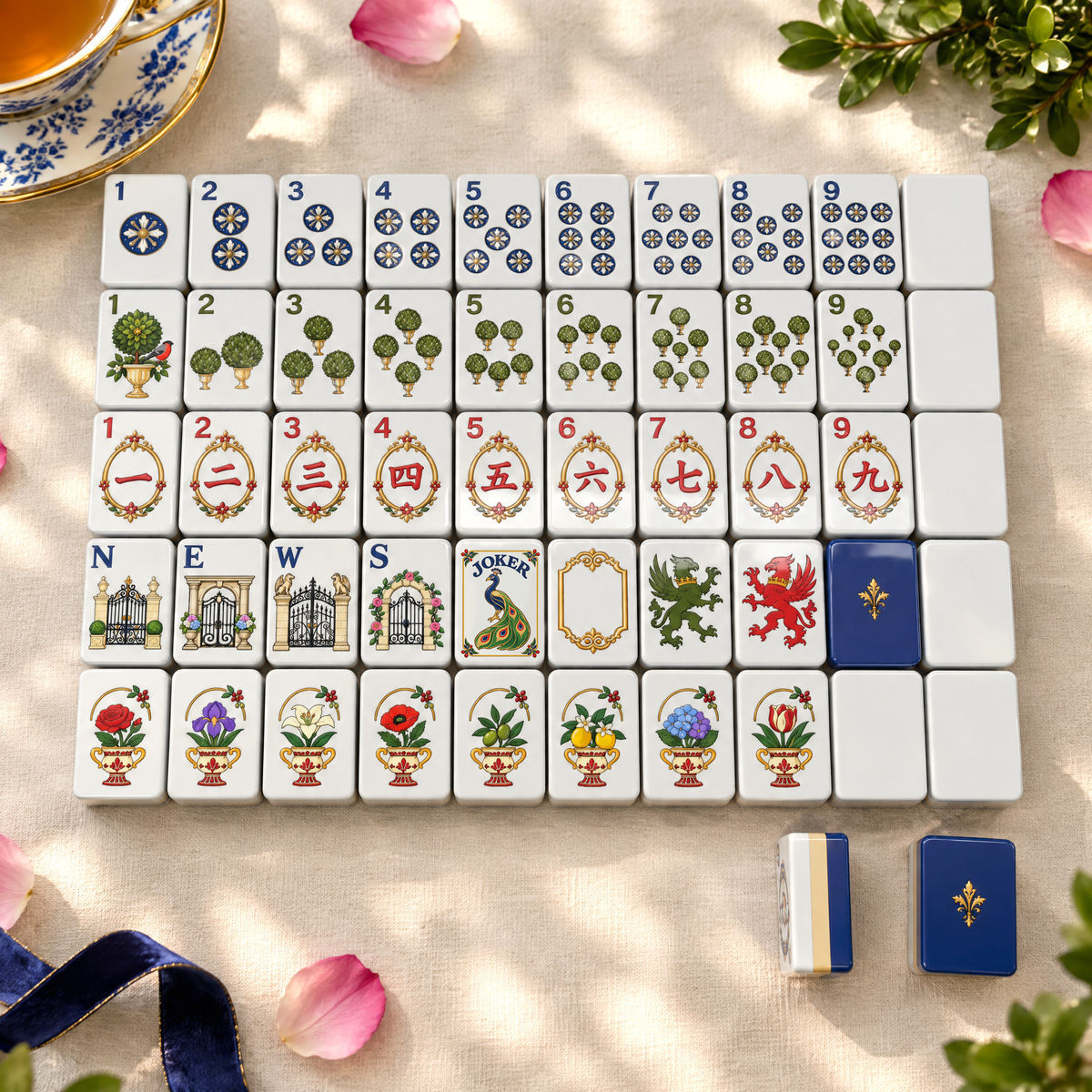
Mahjong teachers in Massachusetts operate through three main channels: community education programs (offered by town recreation departments and continuing-education centers), synagogues and Jewish community centers (historically the stronghold of American mahjong instruction), and independent tutors advertised via Meetup, Facebook groups, and local mahjong clubs. Most teachers focus on American mahjong—the 152-tile, 4-player variant played with the National Mah Jongg League card. Instruction typically costs between moderate hourly rates (ask instructors directly for current pricing) and ranges from 4-week beginner groups to ongoing weekly clinics. Classes usually run 2–3 hours and cover tile recognition, the Charleston (the tile-passing ritual), reading the yearly card, and basic hand patterns. Before signing up, confirm the teacher uses American rules (not Chinese or Hong Kong variants, which have different tiles and scoring), ask whether you need to own your own set or if the school provides them, and check whether the group stays together weekly or rotates. Mahstead's best-selling mahjong sets are popular with Boston-area instructors because the acrylic tiles are durable for repeated handling in classroom settings. --- 🀄 Shop best-selling mahjong sets →
Where do Massachusetts mahjong teachers advertise?
Your first stop is your town or regional recreation department website—most offer 8–12 week adult education blocks each fall and spring. Search "[your town] recreation mahjong" or call the office directly. Jewish community centers across the state (Boston, Springfield, Worcester, and suburbs) frequently list mahjong classes on their activity calendars; these are open to all faiths and typically meet weekly. Public libraries sometimes host club meetings or post flyers; ask a librarian for bulletin boards or check their online events calendar. Meetup.com has several active Massachusetts mahjong groups where members share teacher referrals and announce open tables. Facebook groups like "Mahjong Players of New England" connect players regionally and often include teacher recommendations with real feedback from current students.

What questions should you ask a potential mahjong teacher?
Ask whether they teach American mahjong (using the current year's National Mah Jongg League card), Chinese, Hong Kong, or another variant—it matters because tiles, rules, and strategy differ significantly. Confirm class size: groups of 4–6 are ideal for beginners, larger groups stretch instruction thin. Ask whether the teacher provides sets and mats or expects students to bring them; if you're buying your first set, clarify exactly what tiles and accessories you'll need. Find out the cancellation and makeup policy—life happens, and good programs let you skip a session or catch a class later. Ask how long the beginner sequence runs and whether you can audit or visit a session before committing. Request the teacher's experience level: a player who has studied American rules formally (through league affiliations or published guides) will teach accuracy better than someone who learned casually. Finally, ask if the group plays for fun (most do) or if there's any stakes betting, so you know what environment you're joining.
What's the difference between American and other mahjong rules taught regionally?
American mahjong uses 152 tiles in four suits (Bams, Craks, Dots, Winds, Dragons, Flowers) and jokers, and all hands come from the current year's printed card—you cannot invent hands or play off-card. No sequences (chows) exist in American play; you expose only pungs (3 identical), kongs (4 identical), and quints or sextets with jokers. Chinese and Hong Kong variants use different tile counts (typically 144), allow sequences of consecutive numbers, and use a different scoring system based on pattern difficulty rather than a fixed card. Riichi mahjong (Japanese) adds a betting phase and discarding strategy. Taiwanese mahjong mixes elements of multiple variants. Most Massachusetts instruction focuses on American rules because the card system makes it beginner-friendly—you always know what hands are valid—and the league publishes a new official card every spring, so the game evolves but stays standardized. If you're taking a class, confirm the variant in the first email or phone call. Our guide on how to play American mahjong covers American-specific rules in detail.
🎁 See our most-loved mahjong sets & accessories →
What should a beginner's mahjong set include?
A complete American mahjong set has 152 playing tiles (36 Bams, 36 Craks, 36 Dots, 16 Winds, 12 Dragons, 8 Flowers, 8 Jokers). Most classroom teachers recommend purchasing a 160-tile set because the extra tiles replace damaged or lost pieces over time—critical when you're learning and handling tiles constantly. You'll also want a mat (a padded surface that keeps tiles from sliding and defines each player's area), racks with pushers (so tiles stand upright and you can see your hand without exposing it to opponents), and a card holder to keep the current year's National Mah Jongg League card visible. A soft bag or case protects your investment if you're carrying it between home and class weekly. Most teachers will tell you which of these to buy first; the mat and racks are typically the highest priority for classroom comfort. For a detailed breakdown of what's inside a set, read our what's in an American mahjong set guide. Many Massachusetts instructors work with students who own engraved or personalized sets, which arrive pre-sorted and organized—useful if your class plays together for years.
Item | Why it matters for a class beginner | Priority | When to buy |
160-tile set (acrylic) | Durable, replaceable spares, acrylic won't chip easily from repeated shuffling | High | Before class starts |
Mat | Keeps tiles from sliding, defines your play area, quieter than bare table | High | Before first session |
Racks with pushers | Lets you organize and hide your hand, keeps you from accidentally showing tiles | Medium | First 2–3 weeks |
Card holder | Frees your hand to read the current year's card, keeps it stable and visible | Medium | First month |
Bag or case | Protects tiles during transport if you're carrying them weekly | Low | After 4–6 weeks |
How long does it take to go from beginner to comfortable player?
Most teachers structure beginner classes as 8–12 week blocks. In the first 2–3 weeks, you learn tile names, hand reading, and the Charleston (the tile-passing ritual before each game starts). Weeks 4–8 focus on understanding the current year's National Mah Jongg League card, recognizing common patterns, and basic strategy—when to hold, when to discard, which tiles are "safe" late in the game. By week 8–10, most players can recognize valid hands, play without halting the game for card lookups, and understand why a discard is risky. Full comfort—reading the card in 3 seconds, knowing tile probabilities intuitively, spotting which hands are closest to completion—typically takes 6–12 months of weekly play. Classes are wonderful because you're learning alongside peers who are equally confused; the teacher stops the game to clarify, and you play at a pace where mistakes become teaching moments rather than disasters. If you're investing in a personalized or engraved set now, you'll have tiles that will last through dozens of classes and seasons of weekly play.
✨ Find your Mahstead set — free US shipping →

What to check before you buy a set for classroom learning
Tile material: Acrylic tiles are louder when shuffled but extremely durable in a classroom where multiple players handle them weekly. Bamboo or bone tiles are beautiful but chip more easily under repeated use. For a class, acrylic is forgiving.
Set size: Buy 160-tile sets (which include 152 playing tiles plus spares). Confirm the set includes all four winds, all three dragons, and eight jokers before purchase—that's non-negotiable for American mahjong. Never buy sets marketed as 144-tile or described as "incomplete"—American play always requires exactly 152 tiles.
Replacement tiles and jokers: Ask the seller if spare tiles are included and whether you can order replacements. Over 6 months of weekly play, one or two tiles may crack or go missing; a reliable seller will let you order a single replacement tile rather than forcing you to buy a whole new set.
Mats and racks: If your class doesn't provide them, buy mahjong mats and racks with pushers from the same seller so they match in size and quality. Mismatched mats and racks can cause frustration—some mats are too thick for some racks, or colors clash.
Shipping and returns: Confirm free shipping is included (Mahstead includes free US shipping on all sets). Ask about the return window in case tiles arrive damaged; classroom play can't start if even one tile is defective.
Real instructor feedback: what sets work best in a class
We've spoken with American mahjong teachers across the Northeast, and their feedback is consistent: they prefer acrylic sets with large, clear characters because students spot tiles faster and the game moves at a teaching pace. Teachers also like sets sold with spare jokers and blank tiles included, so if a beginner accidentally breaks a tile during shuffling (it happens when you're nervous), the teacher can swap in a replacement and keep playing. Mats with dedicated player zones are non-negotiable; beginners need visual boundaries so they don't accidentally show their hand or play out of turn. Teachers consistently recommend buying your own set early—sharing a teacher's set means less practice at home, and building muscle memory with your specific tiles accelerates learning significantly. Personalized or engraved sets are popular as a "commitment to the class"; students report that owning a unique set makes the hobby feel more real and they're more likely to practice between sessions.
Finding your first Massachusetts mahjong class: a quick checklist
Search your town recreation department website for "adult mahjong" or call their program coordinator directly—this is the easiest entry point for beginners.
Call or visit nearby Jewish community centers (no membership required for many classes); most offer fall and spring beginner sessions.
Check public library bulletins and events calendars for club meetings or teacher referrals.
Search Meetup.com for "mahjong Massachusetts" or "mahjong New England"; attend a meetup first if you're nervous about committing.
Ask if the teacher uses American rules and confirm they teach from the current year's National Mah Jongg League card.
Request a trial class or audit before paying for a full session if the teacher offers one.
Buy a 160-tile acrylic set, a mat, and racks with pushers before your first class—most teachers will confirm these sizes so you know exactly what to order.
Bring a notepad to your first session; you'll jot down tile names, hand patterns, and terms you want to remember.
Learn the fundamentals before your first class
If you want a head start before your first lesson, our mahjong for beginners guide walks through tile names, the Charleston, and how to read a hand. Understanding the basic vocabulary means your teacher can spend less time on definitions and more time on strategy and practice hands. Many students who read up beforehand report feeling less anxious on day one and ask better questions during instruction.

FAQ
Do I need to own a mahjong set to take a class in Massachusetts?
No—many community center and synagogue classes provide sets, mats, and racks. However, owning your own set is strongly recommended because you can practice at home and build familiarity with tile handling and shuffling. Most teachers will confirm whether the class provides equipment before you sign up.
What's the difference between American mahjong and the mahjong my grandmother played in China?
American mahjong uses a printed card that lists all valid hands each year; you cannot play off-card. Chinese and Hong Kong mahjong allow invented hands and sequences (chows). American also forbids exposing sequences. Most Massachusetts classes teach American rules, but confirm with your instructor before enrolling.
How much does it cost to take a beginner mahjong class in Massachusetts?
Pricing varies by program—town recreation classes typically charge moderate per-session or block fees (ask your local recreation department directly). Synagogue classes often cost less or ask for donations. Private tutors charge hourly rates; contact them directly for current pricing. Many programs offer trial sessions at reduced cost.
Can I bring my own mahjong set to a community class?
Yes. In fact, teachers encourage it because you'll build familiarity with your specific tiles. Just confirm your set has exactly 152 playing tiles plus 8 jokers (a standard American set) and that the tiles are standard size—mismatched tiles can interrupt game flow.
How long before I'm good enough to play in a real club or league game?
Most players reach "playable" level (knowing hands, reading the card quickly, understanding basic strategy) after 8–12 weeks of weekly instruction. "Good" level—consistently winning, reading tile probabilities—takes 6–12 months. Many Massachusetts clubs welcome beginners as long as you understand American rules and can play without halting the game constantly.
What should I look for in a mahjong mat if I'm buying one for class?
Look for a mat with clearly defined player zones (usually marked by fabric strips or embroidered lines), non-slip backing so tiles don't slide during play, and thickness between 0.25 and 0.5 inches—too thick and it interferes with tile racks; too thin and tiles sound loud and slip easily. Our guide on how to choose a mahjong mat covers sizing and materials in detail.
Are mahjong classes in Massachusetts year-round, or do they have seasons?
Most community center and adult education classes run seasonal blocks (fall and spring), with fewer options in summer and winter. Synagogue groups often meet year-round weekly. Meetup groups vary. Contact teachers directly to ask about schedule continuity if you're looking for uninterrupted weekly play.


View More
View More
View More
