
Birthday Mahjong Party Decorations: Themes & Setup Ideas
Last updated: Nov 23, 2026
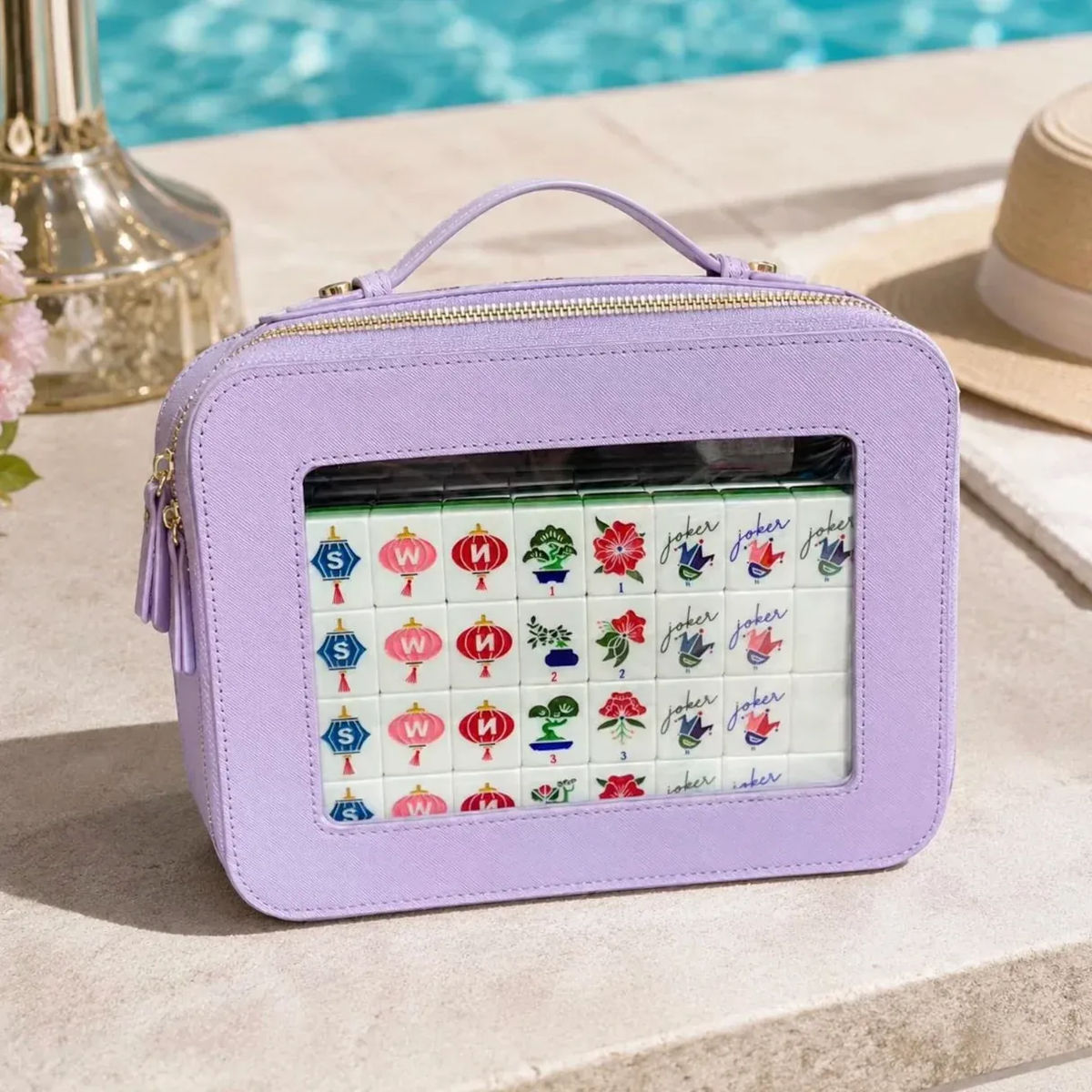
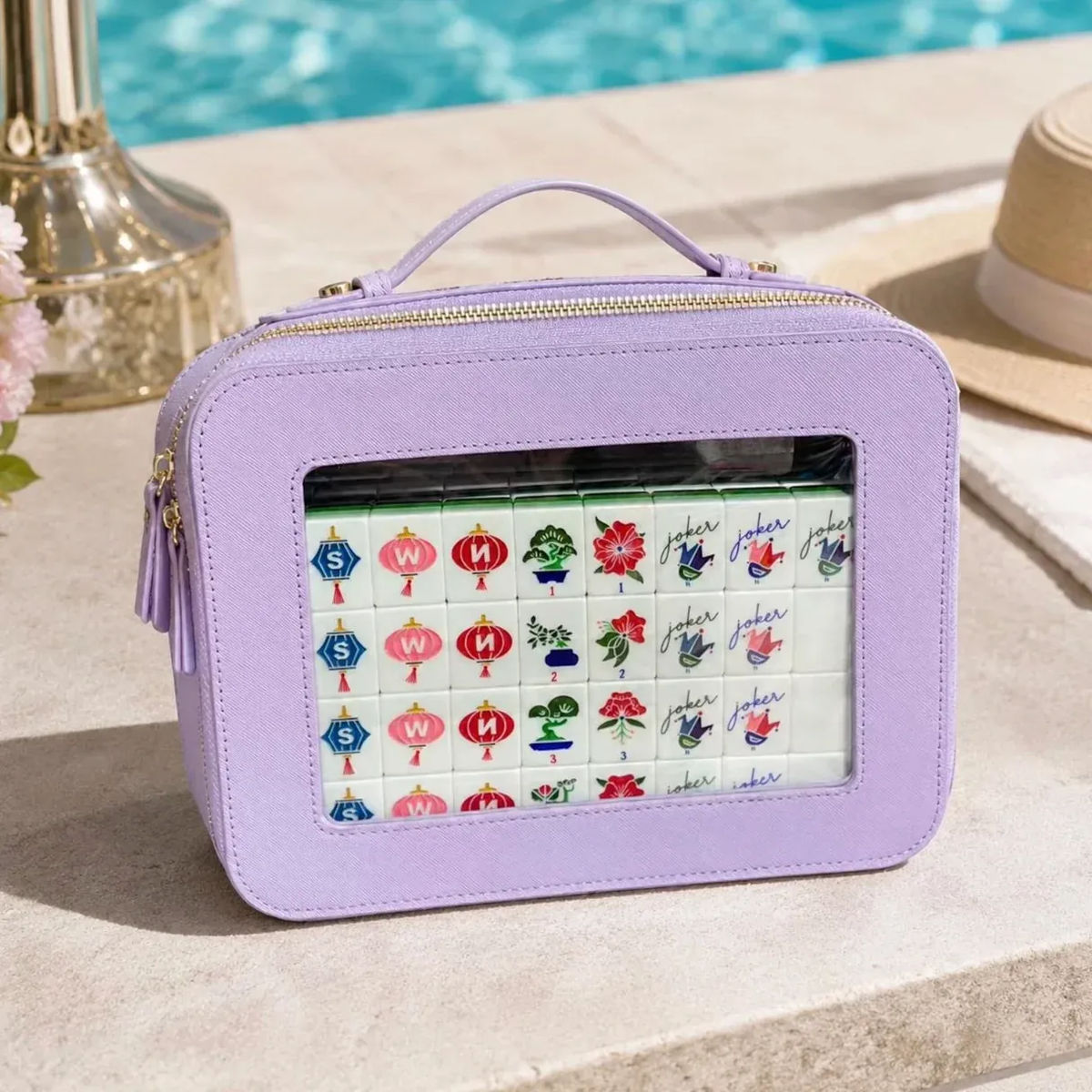
Birthday mahjong decorations start with the set itself: engraved tiles personalized with the player's name, initials, or a meaningful year turn any game into a keepsake. Pair that with a coordinated mat—solid colors, patterns, or custom designs—and add lighting, flowers, or small tile-themed favors around the table. A best-selling collection of sets and accessories lets you match styles without clashing; most players add them weeks before the party. Budget ranges from a basic set alone to a full bundle with racks, a premium mat, a carrying bag, and dice. Avoid generic plastic mats or mismatched tiles—they cheapen the look and frustrate players mid-hand. Mahstead engraved sets combine durability with personalization, so the gift stays on the shelf long after the cake is gone. 🀄 Shop best-selling mahjong sets →
What makes an engraved set a better birthday gift than a standard one?
A standard set is a game; an engraved one is a story. When you add the birthday player's name, initials, or a year to the tile rack or box, you're saying this is made for you—not just borrowed from a club. At our table, the engraved set always gets kept, displayed, and used again. Generic sets often rotate through hands or end up in a garage shelf. Engraving also prevents mix-ups when players bring their own sets; yours is instantly recognizable. Engraved American mahjong sets come with clear personalization options—check the listing for text limits and font choices before ordering.
How do you coordinate a mat, set, and table décor without it looking chaotic?
Pick one anchor color or theme, then build around it. If you're giving a deep-blue engraved set, choose a mat in navy, teal, or even cream with blue accents. Add a runner or cloth of the same palette down the center of the table, then scatter low flowers (roses, orchids) or candles that echo the set's tone. Avoid bright primary colors or more than three separate hues on the table—mahjong is intricate; let the tiles speak. A quality mahjong mat anchors the whole setup: it defines the play zone, protects your table, and instantly signals "this is intentional." Solid or subtly patterned mats work best; busy designs compete with the tiles.
Element | Color Match Strategy | Why It Works |
Engraved set | Pick the primary tile design color | Tiles are the focal point; they set the mood |
Mat | Choose a neutral or monochromatic shade | Keeps focus on tiles; doesn't distract during play |
Table fabric/runner | One accent or tone-on-tone | Frames the mat without overwhelming the table |
Flowers/candles | Match accent color from mat or set | Subtle elegance; ties the whole look together |
Lighting | Warm white or soft amber | Makes tiles readable; flatters all colors |
🎁 See our most-loved mahjong sets & accessories →
Should you buy a full set with racks, bag, and mat, or just the tiles?
If the birthday player already has a mat, racks, and a bag, just give the engraved set. If you're starting them fresh—or they're upgrading—a bundle saves money and guarantees everything fits and matches. A complete setup includes the 160-tile set, racks with pushers, a protective mat, and a travel bag. We often buy the set alone if it's a second gift to an established player, or the full bundle if it's their first serious set or a milestone birthday. Mahjong racks with pushers and bags and cases are also sold separately, so you can mix and match. Check the player's existing equipment before you buy—there's no reason to replace a beloved mat just because you're giving a new set.
What décor mistakes do first-time party hosts make?
Too much clutter on the table: Centerpieces, name cards, and scorecards all compete for space. Players need room to maneuver tiles, call hands, and pass the discard pile. Fragile decorations near the game: A crystal vase next to an active pung will break. Stick to unbreakable items within arm's reach. Mismatched sets or racks: If multiple players bring sets, unmatched colors and tile sizes look disjointed. A coordinated best-selling set from one source ensures consistency. Poor lighting: Tiles are small; dim light exhausts players' eyes in minutes. Use overhead or task lighting, never candles as the only source. No clear play zone: Without a defined mat, tiles scatter across the table, and players lose track of the discard pile. A quality mat is non-negotiable, not décor.

How far in advance should you order an engraved set for the party?
Order 3–4 weeks ahead if you want custom engraving. Personalization adds 1–2 weeks to production; standard engraved sets are usually in stock with shorter lead times. Check the product page for the current production window when you add to cart. If you're ordering a week or two before the party and need a non-engraved option, the new-arrival and best-selling collections stock ready-to-ship sets. Plan your theme around the set's arrival date, not the other way around—rushing a custom order defeats the purpose.
What size mat should you buy for your party table?
Mahjong mats come in small (for travel or 2 players), medium (standard 4-player table, 24"–28" sides), and large (tournament-size or extra-spacious home tables). Measure your table's longest edge; the mat should leave 6–12 inches of bare wood on each side for score-keeping, drinks, and the flower card. A guide to choosing a mahjong mat walks you through size math. For a party, more mat is better—crowded tables frustrate players and make it hard to read tiles. If your table is 36" × 36", a 28"–30" square mat is ideal; if it's 48"–60", go for a large or tournament mat.
What to check before you buy
Personalization details: Does the set offer engraving? What's the character limit? Can you see a proof before production?
Tile quality: Acrylic tiles are durable and easy to clean; ensure the set is 160-tile (152 for play, spares for damage).
Mat material: Felt or linen surfaces reduce tile noise; rubber backing prevents sliding.
Delivery timeline: If you're engraving, confirm production time. Standard sets often ship faster.
Existing equipment: Does the player already have racks or a bag? Avoid duplication unless it's an upgrade.
Table space: Measure before you order the mat. Cramped play ruins the party.
✨ Find your Mahstead set — free US shipping →

FAQ
Can you engrave a mahjong set while keeping it game-legal?
Yes. Engraving the rack or box exterior doesn't affect tiles or gameplay. Never engrave the tiles themselves—it compromises readability and violates the National Mah Jongg League standard if you play in organized games.
What's the difference between a mahjong mat and a table cover?
A mat is rigid or semi-rigid, protects the table, and defines the play zone. A cover is fabric-only, decorative, and requires a hard surface underneath. For a party with active play, a mat is better; a cover works if you're displaying tiles for decoration.
How do you keep an engraved set looking new after the party?
Store it in a protective bag or case in a dry place. Acrylic tiles resist stains, but wipe them dry after play and keep them away from direct heat. Check the product care instructions when you buy.
Can you play American mahjong with a smaller set if you're hosting just 2 or 3 players?
Yes. We have guides for 2 and 3 player rules that explain hand adjustments. You still use the same 152-tile set; the game mechanics change, not the equipment.
What's included in a 160-tile mahjong set, and why 160 if you only play with 152?
A 160-tile set contains 152 active tiles (three suits, winds, dragons, flowers, and jokers) plus 8 spare tiles. Spares replace damaged or lost tiles; they're never added to play. This ensures your set stays complete over years of use.
Should you buy engraved sets for all four players at the party?
Only if it's a recurring group or a milestone event. One engraved set as a gift to the birthday player is more meaningful than four generic ones. If you're throwing a large party, one engraved set plus standard sets for other players works well.


View More
View More
View More
