
Mahjong Open Play in Naples Florida: Where & How to Join
Last updated: Nov 23, 2026
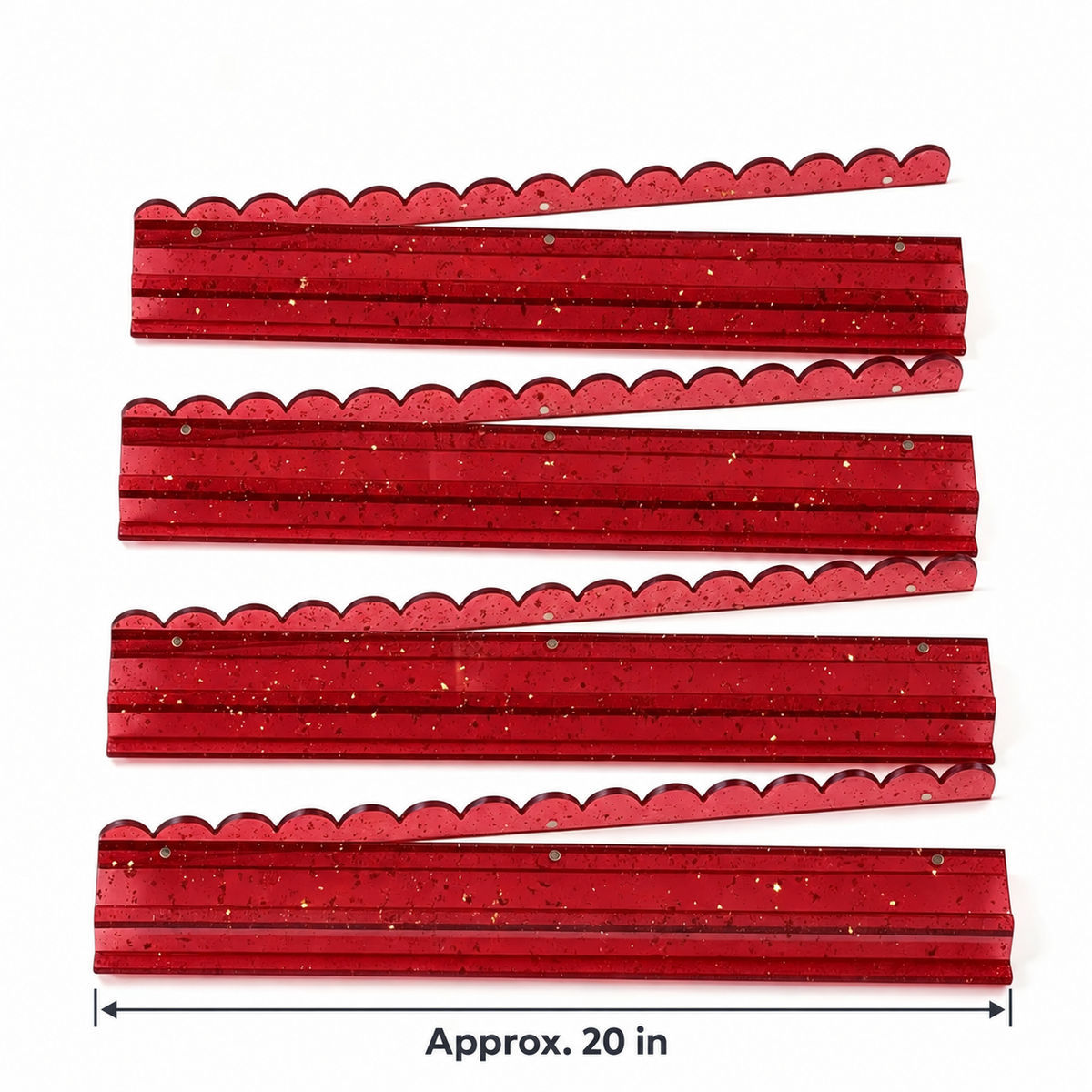
Open mahjong play in Naples, Florida happens primarily at community centers, libraries, country clubs, and private groups that meet weekly. Most venues host American mahjong games on weekday mornings or evenings; check local community center bulletin boards, library event schedules, and synagogue activity lists for current games—many rotate seasonally. Most games run 2–4 hours with rotating players and follow the National Mah Jongg League card (updated yearly). You'll need a personal set, tile rack with pushers, and a mat; many groups share tables but expect to own your own tiles. Our best-selling acrylic sets ship free across the US and come ready to play. Ask when joining whether the group uses wall play, corner tiles, or joker house rules—these vary widely even within Naples.
Where do Naples-area mahjong games actually meet?
Naples draws retirees and longtime players; open play typically centers at community recreation facilities, public libraries, and membership clubs. Visit the Naples Parks & Recreation website for current game schedules at community centers. Check Collier County Public Library event postings—many host mahjong groups on set days. Country clubs with social calendars often advertise weekly games to members. Private groups also post on Meetup or Facebook community pages; search "Naples mahjong" to find current active groups. Always call ahead to confirm the game is open to new players and ask about buy-in amounts or group etiquette.

What time commitment do open-play games require?
Most Naples mahjong open-play sessions run two to four hours, typically meeting once weekly on a fixed day (Tuesday mornings at a rec center, Thursday evenings at a club, etc.). A single game round lasts 10–20 minutes; a session usually includes 4–6 rounds with short breaks. Plan on arriving 15 minutes early to introduce yourself and set up. If you're new, tell the group—experienced players often offer a practice round or lighter betting. Beginners sometimes start by observing one full game before joining the table.
How do you actually join a Naples mahjong group as a beginner?
Attend a public session at a venue that welcomes newcomers—community centers and libraries are most open to walk-ins. Bring a complete American mahjong set with tiles, rack, and a mat if you have one; if not, ask the group if they have a spare set. Watch the first game to see how the group runs their house rules (joker penalties, wall method, scoring adjustments). Tell the host or an established player you're new and want to learn their rules. Join the next round as a sub or anchor player (the position that sits out occasionally). Most groups are welcoming and will walk you through a practice hand before real play begins.
What house rules vary between Naples groups—and how do you know which table to join?
Naples players follow American mahjong fundamentals but often adjust joker rules, wall protocols, and payment methods. Some groups penalize joker exposure heavily; others allow liberal joker substitution. Some use the push-wall method (everyone passes tiles simultaneously); others draw from an open end. Scoring payouts vary—some play for honor-only (no cash), others for low stakes per game or per point. Ask before sitting down: "What are your joker rules?" "Do we use the push wall?" "What's the bet?" These questions take 30 seconds and save confusion. Groups that explain house rules clearly are usually the best fit for newcomers.

What equipment do you absolutely need to bring to open play?
You need a set of 160 tiles (152 playing tiles + spares), a tile rack with pushers, and a personal mat or access to a table surface. Many venues provide shared tables but players typically own their own tile sets. A tile set includes Bams, Craks, Dots (numbered 1–9 in four copies each), winds, dragons, flowers, jokers, and blank tiles. Racks keep tiles hidden and organized; pushers let you draw cleanly without fumbling. A mat protects the playing surface and keeps the game quiet. Our best-selling mahjong sets ship complete and ready to play. Bring your set in a padded bag to protect it during transport; a mahjong travel bag or case keeps everything together and lasts years. Optional: bring a small notebook to track scoring or house rules you want to remember.
Item | Why You Need It | Best Type for Beginners |
Tile set (152 tiles) | Fundamental to play—required at every table | Acrylic, clearly marked numbers, 160-tile set with spares |
Rack with pushers | Hides your hand, organizes tiles | Wooden or acrylic, 2–3 rows, comfortable grip |
Mat | Protects table, reduces noise, defines play area | Non-slip rubber back, 30"–36" square, washable |
Carrying bag | Protects set during travel to games | Padded, zips, fits rack + tiles + mat |
Pen & notebook | Track house rules and final scores | Any small pad; groups often use scoresheets |
🀄 Shop best-selling mahjong sets →
Before you join your first Naples game: a quick checklist
Confirm the game is open to newcomers — call or message the group; don't assume walk-ins are welcome. Learn the National Mah Jongg League card basics — this year's card is used for all hands; understanding the card takes one hour of study. Ask about house rules before sitting — joker penalties, wall method, betting structure, exposure rules. Bring a complete set in good condition — cracked tiles or missing jokers mark you as unprepared. Arrive 10–15 minutes early — don't rush; introduce yourself and observe the first game. Watch one full hand before playing — see how the group calls, exposes, and settles. Expect to lose the first few rounds — learning-curve losses are normal; focus on understanding hand patterns.
🎁 See our most-loved mahjong sets & accessories →
Why American mahjong in Naples often feels different from online play
Open-play groups in Naples emphasize social rhythm and house tradition over strict rule uniformity. Online games or league play follow the card and published rules tightly. Local groups often adjust bet amounts, joker use, and wall protocols to suit their style. Wall play (the method of drawing tiles) varies widely—some groups use a physical push-wall, others draw from a shuffled end, and a few use hybrid methods. Understanding the Charleston (the tile-passing ritual before each game) is essential; Naples groups often follow the standard American method but may skip it or modify it in social play. Scoring is applied loosely in some groups, strictly in others. The takeaway: open play is about community and learning, not competitive pressure. Choose a group that matches your comfort level with rules flexibility.
✨ Find your Mahstead set — free US shipping →
What to do if you make mistakes early on—and how groups handle it
New players make mistakes in every Naples game—missing a hand pattern, calling prematurely, exposing the wrong tile. Experienced groups know this and correct gently. If you call a hand incorrectly, the group will ask to see your tiles, verify the hand, and either confirm or point out the error. If you expose a tile by accident, ask immediately what the penalty is; most groups impose a small fine (one point or one chip) rather than harsh punishment. If you don't understand a ruling, ask: "Can you explain why that hand doesn't work?" Most players will show you the card and walk you through the logic. Playing three to five games gives you confidence; by game six, patterns begin clicking. Don't memorize every hand—focus on suit combinations, exposed sets (pungs, kongs), and joker placement.

FAQ
Do I need to be a member of a club to play open mahjong in Naples?
No. Community centers and libraries welcome walk-ins; many groups play openly. Private clubs may require membership or a guest pass. Call ahead to confirm open-play status before driving there.
What's the typical cost to join a Naples mahjong open-play group?
Most open-play groups are free or charge a small table fee (usually $3–5 per person per session). Some play for honor only (no money). A few play for low stakes (25¢ or 50¢ per point). Ask the group before joining so you're not surprised.
Can I play American mahjong if I've only played Chinese or Hong Kong mahjong before?
American mahjong has different tiles, no chows (sequences), and uses the yearly card—rules differ significantly from Chinese variants. Experienced players transition in 2–3 games; focus on exposed sets and card hands rather than traditional play logic. Many Naples groups welcome cross-variant players who show up ready to learn.
What if I don't own a mahjong set yet—can I borrow at the table?
Many venues have spare sets for new players to borrow or rent for a session. However, owning your own set (tiles, rack, mat) means you can join any group anytime. A 160-tile acrylic set with rack and mat ships free and costs less than six open-play sessions.
How often do Naples mahjong groups meet, and can I play multiple times per week?
Most Naples groups meet once weekly at a set day and time. If you want to play multiple times weekly, you'll likely need to find two separate groups meeting on different days—check community center schedules, libraries, and clubs. Some groups also host occasional weekend tournaments or bonus games.
What should I do if a group's house rules are too complicated or strict for my first game?
It's okay to sit out a round, observe, and ask clarifying questions. If a group feels too competitive or rule-heavy, look for a more beginner-friendly venue—many Naples groups specifically welcome newcomers and keep rules simple. You're not locked in; finding the right fit may take two or three groups.


View More
View More
View More
