
Mahjong Teachers in Colorado: Find Lessons & Get Started
Last updated: Nov 23, 2026
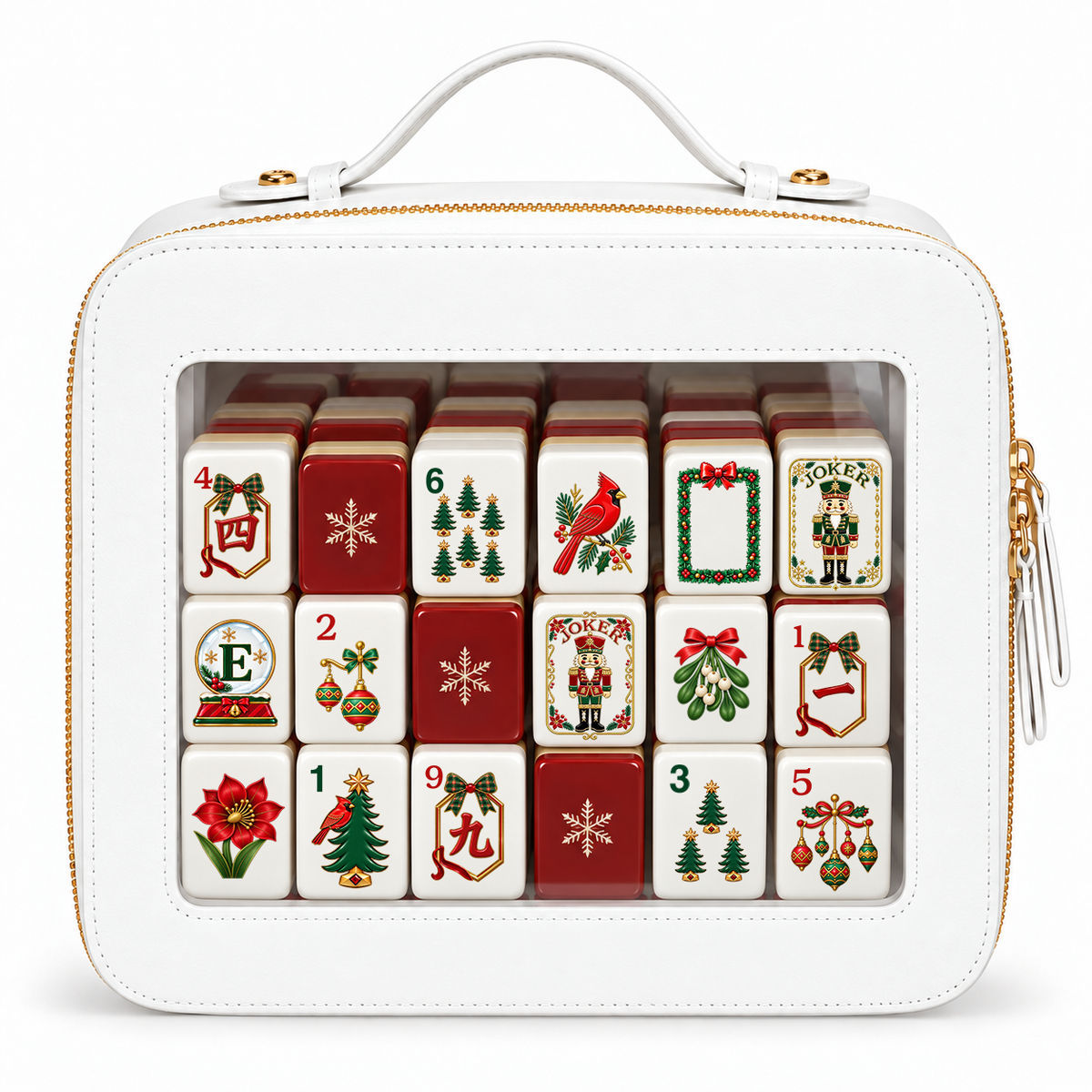
Colorado mahjong instruction happens through community centers, libraries, synagogues, senior centers, university extension programs, and local meetup boards. Most teachers specialize in American mahjong (152 tiles, four players, hands drawn from the annual National Mah Jongg League card) or Chinese variants. Lessons typically run 4–8 weeks, meeting once or twice weekly for 1–2 hours, with beginner costs varying by instructor and location. A teacher should cover tile names, the Charleston (passing ritual), hand-reading from the card, wall play, exposure rules, and scoring basics. Many Colorado instructors host regular games; ask whether they sell or recommend quality sets. You'll need a 160-tile acrylic set, a mat, and racks with pushers—all available through best-selling mahjong sets or specialty shops. Start by searching your county recreation department, calling community centers, posting on local meetup boards, or asking synagogues or senior centers in your area.
Where do Colorado mahjong teachers advertise their lessons?
Colorado instructors rarely advertise widely; they rely on word-of-mouth and organizational postings. Check your county recreation department's activity guide (often online and in libraries), community college continuing education catalogs, and local meetup boards. Senior centers and adult day programs near Denver, Boulder, Colorado Springs, and Fort Collins frequently list mahjong classes. Synagogues with active game groups often offer beginner workshops. Libraries sometimes host instructors or bulletin boards. Posting your own request in local Facebook groups, Nextdoor, or Meetup often yields teacher referrals faster than any directory.

What should a beginner mahjong lesson cover in week one?
A solid first lesson introduces the 152-tile set: suit names (Bams, Craks, Dots), winds, dragons, flowers, and jokers. The instructor should explain the hand-drawing process and seating. Many teachers demo the Charleston—the tile-passing ritual that begins every game—because it confuses newcomers most. A good week-one lesson doesn't rush strategy; it focuses on tile recognition and calm repetition. Your teacher should use a quality set with clear markings so tiles don't blur together. Expect to handle tiles for 45 minutes of a 90-minute session; passive listening won't stick. The best teachers use best-selling mahjong sets with legible faces and teach on a proper mat so tiles slide smoothly without damage.
🀄 Shop best-selling mahjong sets →
How do Colorado teachers differ—American, Chinese, or other variants?
American mahjong (the most common variant in Colorado) uses 152 tiles, four players, and hands from the annual National Mah Jongg League card. Pungs (three identical tiles) and kongs (four identical) are exposed; chows (sequences) are not allowed. Jokers substitute for any tile and can appear in sets but never alone or as a pair. Chinese mahjong, played by some immigrant communities, uses 136 tiles, permits chows and melds, and runs many hands daily without a league card. Hong Kong and Riichi (Japanese) variants exist but are rarer in Colorado. Ask any potential teacher which variant they teach within the first message; American is the default assumption. If you're drawn to a specific variant, search that name plus "Colorado" plus "lessons." Starting with American gives you the broadest local community and game access.
What equipment do you need before your first lesson?
You need a 160-tile acrylic American mahjong set, a mat, and racks with pushers. Your teacher may provide these for lessons, but owning your own set lets you practice at home and attend community games immediately. A mat protects tiles, keeps the playing surface consistent, and makes tile movement silent—critical if you play early mornings or late. Racks with pushers prevent hand collapse and let players see each other's count without seeing the tiles. A travel bag or case protects your set during transport to lessons and games. Do not buy a plastic or cardboard beginner set; tiles crack under pressure and players avoid playing with cheap equipment. Invest in acrylic tiles and a quality mat from the start.
Equipment | Why it matters | When you'll use it |
160-tile acrylic set | Clear markings, durability, accepted everywhere | Every lesson, every game |
Cloth mat | Quiet play, consistent friction, tile protection | Every game, especially community games |
Racks with pushers | Prevent hand fatigue, organize your tiles | Every game, at any table |
Travel bag or case | Safe transport, professional appearance | Lessons outside your home, game nights |
Dice (optional, often included) | Rolling for seating order, faster game starts | Community games and hosting |
✨ Find your Mahstead set — free US shipping →

How do you host a beginner game at home after your first lessons?
After 3–4 lessons, host a practice game with your teacher or advanced player present. Set up on a mahjong mat with tiles face-down in two rows, 19 tiles per row. Place racks with pushers at each seat. Deal 13 tiles per player plus one to the player sitting "East" (dealer). Run the Charleston: each player passes three tiles right, then three tiles across, then three tiles left, then one tile right. Your teacher calls draws and plays; beginners often miss the rhythm initially. Keep the current year's National Mah Jongg League card at the table—new players must read hands from it, not memorize. Play practice rounds where everyone exposes a pung or kong so beginners see the rule in action. Stop after 1–2 hours; mental load is real. Never play for money in your first month; focus on mechanics. Invite your teacher back to answer mid-game questions.
What common beginner mistakes should you avoid during lessons?
Mistake 1: Touching tiles during the Charleston without understanding direction. The Charleston moves right, then across (over the table), then left, then right again—one tile only. Practice this three times before playing. Mistake 2: Confusing a pung (three identical tiles) with three different tiles. A pung must be all the same: three 5 Dots, never 5-6-7. Mistake 3: Using jokers incorrectly. Jokers can never be a single tile or a pair; they substitute only within a pung, kong, or longer set. Mistake 4: Reading the league card upside-down or sideways. Sections run in columns; ask your teacher to point out which hand type you're chasing. Mistake 5: Playing too fast. Beginners rush and expose wrong tiles or miscalculate the wall draw. Slow play builds muscle memory. Your teacher should call these out kindly; good instruction includes error correction.
🎁 See our most-loved mahjong sets & accessories →
What to check before you buy lesson equipment
Tile clarity: Hold the set to light. Characters and suit symbols should be sharp and colorfast, not faded or smudged. Mat weight and grip: A mat should lay flat without creasing and provide enough friction that tiles don't slide on their own. Rack height: Racks should hold 14 tiles comfortably without tiles falling sideways or forward. Set completeness: Count tiles or check the label to confirm you have 160 tiles (152 playing tiles plus spares). Travel bag durability: Seams should be reinforced and zippers smooth; your set may travel dozens of times per year. Return policy: Check the shop's policy in case a tile arrives cracked or a mat has a manufacturing flaw. Mahstead ships all orders free across the US and can answer specific questions about set composition and quality before you order.

FAQ
Do Colorado teachers charge per lesson or per session block?
Most charge per session block (4, 6, or 8 weeks). A few offer drop-in rates. Ask during your first contact to confirm pricing and whether you prepay or pay weekly.
Can I learn mahjong from YouTube instead of a teacher?
Video helps with tile recognition, but the Charleston, exposure timing, and reading the card demand live correction. Most players who try YouTube alone give up or play incorrectly for months. A 4-week teacher accelerates learning and prevents bad habits.
What is the National Mah Jongg League card and why does my teacher keep mentioning it?
The NMJL card, issued each spring, lists all playable hands for that year. American mahjong requires this card; hands off the card don't count. Your teacher will explain how to read it. New players sometimes confuse it with a luck element; it's a rule book.
If I learn American mahjong in Colorado, can I play in other states?
Yes. American mahjong rules are standardized nationwide through the NMJL. A game in Colorado, California, or New York follows the same hand list, exposure rules, and scoring. This is a major advantage of the American variant.
Should I buy a mahjong set before my first lesson?
Ask your teacher first. Some provide sets during lessons; others expect students to own one after week one. Having your own set by week two lets you practice at home and builds confidence faster.
Are plastic or travel mahjong sets okay for learning?
Avoid them. Plastic tiles crack under the pressure of regular play, mat-less surfaces cause tiles to scatter, and no serious player will join a game with poor equipment. Invest in acrylic tiles and a mat; they pay for themselves in six months of regular play.


View More
View More
View More
