
Is Mahjong Good for Absolute Beginners? Yes—Here's Why
Last updated: Nov 23, 2026
Yes, mahjong is genuinely good for absolute beginners. American mahjong (the most common US variant) uses a reference card every hand, so you never memorize patterns—only learn to read the card and recognize tile groupings. A beginner typically plays confidently within 3–4 sessions. The game builds memory, focus, spatial reasoning, and sustained social interaction in a low-pressure environment. You don't need prior card or tile experience; in fact, fresh eyes often spot patterns faster than experienced players. The main barrier isn't difficulty—it's access to a clear teacher and a quality set that's easy to read and hold. Mahstead's best-selling sets pair durable acrylic tiles with printed English labels, designed specifically so newer players can spot suits and dragons without squinting. Expect 2–3 hours to learn rules, 1–2 games to feel comfortable, and another month of weekly play to anticipate the flow of hands.
Yes, mahjong is absolutely learnable for absolute beginners. American mahjong uses a reference card every hand, so you never memorize patterns—only learn to read the card and recognize tile groupings. A beginner typically plays confidently within 3–4 sessions. The game builds memory, focus, spatial reasoning, and sustained social interaction in a low-pressure environment. You don't need prior card or tile experience; fresh eyes often spot patterns faster than experienced players. The main barrier isn't difficulty—it's access to a clear teacher and a quality set. Mahstead's best-selling mahjong sets pair durable acrylic tiles with printed English labels, designed so newer players can spot suits and dragons without squinting. Expect 2–3 hours to learn rules, 1–2 games to feel comfortable, and a month of weekly play to anticipate the flow.
🀄 Shop best-selling mahjong sets →
Does mahjong actually work as a brain game for beginners?
Yes. Mahjong engages pattern matching, short-term memory, probability assessment, and hand management—all without requiring you to memorize rules or sequences. Unlike chess, every game uses the same reference card: you look up which tile groupings count as valid hands, not recall them. Studies on tile games show sustained engagement improves focus and processing speed; players often report sharper attention within weeks. The social layer—conversation, turn-taking, mild competition—strengthens retention further. A beginner's first strength is usually speed: without deep strategic habit, you spot discards and opportunities quickly. Within 3–4 sessions, most players stop asking "what's allowed?" and start asking "what should I hold?"—that shift marks real learning.
What exactly will a beginner learn in the first game?
Your first game teaches three things: tile recognition (which symbols are which suit), hand-reading (using the annual reference card to spot which combinations count), and the basic flow (draw, discard, pass, win). You'll learn that Bams show bamboo stalks or a bird, Craks show circles (cracked designs), and Dots show dots. You'll meet winds (four cardinal directions) and dragons (three tiles: Red, Green, White/Soap). You'll handle the Charleston—the tile-passing ritual before play starts—which feels like a complicated shuffle but becomes automatic. Most beginners are amazed how quickly a hand forms: within three draws, patterns emerge. The card stays in front of you all game; you never play from memory. This removes the "hard" part of traditional mahjong and leaves only pattern spotting and decision-making.
What's the single biggest mistake beginners make?
Holding too many loose tiles and discarding the wrong suit. Beginners often keep one Dot, two Bams, and a random Crak, hoping something connects—it rarely does. Winning hands in American mahjong always follow the card: specific arrangements of pungs (three identical tiles), kongs (four identical), or pairs. A loose tile almost never wins unless it perfectly completes a pung on your last draw. Better strategy: commit early to one or two suits, build toward clear combos shown on the card, and discard actively to block opponents. The second mistake is not watching discards: every tile your opponents throw tells you what they don't need. If East discards all Dots in the first three rounds, she isn't building a Dots hand; you can safely hold Dots longer. Beginners often stare only at their own rack, missing the table's story.
How long until a beginner can actually win?
Most beginners win within the first 2–3 games, not because they play brilliantly but because the hand draw is random and multiple people compete each round. You'll hit a lucky draw or spot a simple hand on the card faster than you'd expect. Confidence comes faster: within 4 sessions, you stop second-guessing tile names and start reading the card fluidly. Strategic skill—knowing which hand is worth chasing and when to pivot—takes 2–3 months of weekly play. What matters at the start isn't winning; it's reducing cognitive load so you enjoy the rhythm. That's why a quality set with clear English labels and acrylic tiles saves weeks of learning: you're not squinting at tiny characters or wrestling plastic tiles that stick together.

Which mahjong variant is actually best to learn first?
American mahjong is the clearest entry point for English-speaking absolute beginners. It uses a printed reference card—you look up hands, never memorize them. Chinese mahjong requires memorizing 81 hand types and plays by memory-alone rules; it's beautiful but steeper. Hong Kong and Riichi variants have their own memory demands. Taiwan adds bonus scoring layers. American mahjong strips away memorization and lets you focus on tile recognition, pattern spotting, and positioning. Once you know American, learning another variant is faster because you already understand tile logic, turns, and the basic rhythm. Our beginner guide covers American mahjong rules step-by-step and explains how it differs from other styles—start there if you're comparing options.
🎁 See our most-loved mahjong sets & accessories →
What You'll Need to Start
Item | Why It Matters for Beginners | Where to Find |
A 160-tile American set with English labels | Acrylic tiles are durable and easy to read; labels speed up suit recognition | |
The current-year National Mah Jongg League card | The reference card is your teacher—every hand comes from it | Usually included with sets; purchase separately if needed |
A rack to hold tiles upright | Keeps hands organized so you spot patterns faster; reduces fatigue | |
A mat (optional but helpful) | Defines the play area, makes passes and discards clear, protects tiles | |
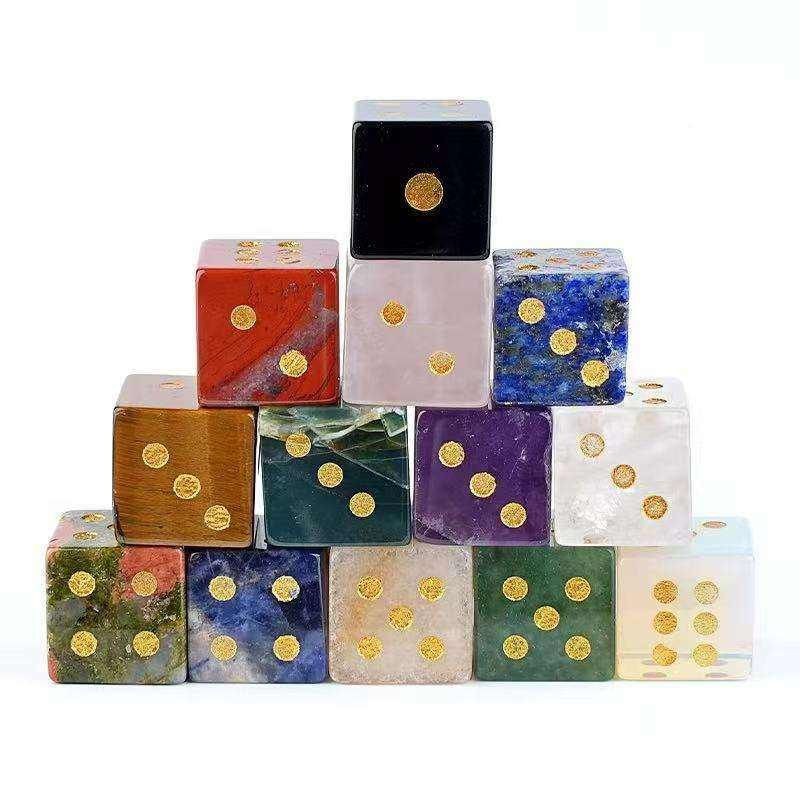
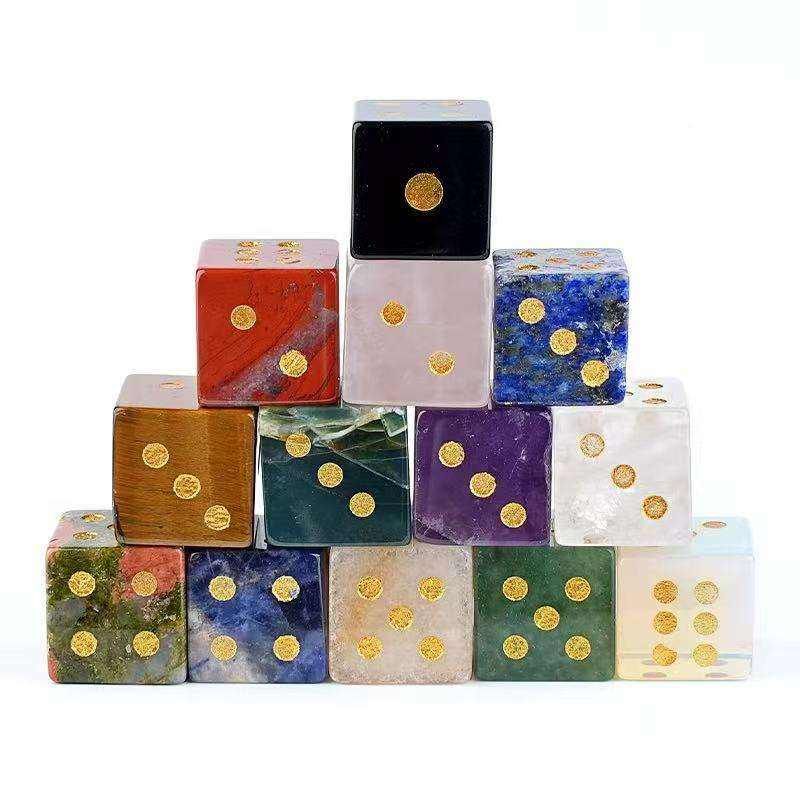
Dice (included in sets) | Used for the drawing order each game | Standard in all sets |
The most common beginner misstep is buying the cheapest set: if tiles stick, warp, or have illegible characters, learning stalls. A good set from the start removes friction and lets you focus on the actual game.
What should you check before buying your first set?
Tile clarity: Can you read suit symbols and numbers at arm's length? If you squint under table lighting, the set will frustrate you for months.
Acrylic material: Acrylic tiles are louder (you hear the flow of play, which is satisfying) and slide smoothly. Plastic tiles stick, warp in heat, and feel cheap.
English labels: Chinese character-only sets slow beginners—you're decoding character names instead of learning the game. Pick English or bilingual.
Rack quality: A flimsy rack makes your hand collapse. Test that it holds weight and won't wobble.
Joker count: A 160-tile set has all you need: 152 playing tiles plus spare tiles. Don't overthink the spare count; you use exactly 152 every game.
Set completeness: Confirm the box includes the reference card. Many retailers sell sets without it—that's an oversight for beginners.
Mahstead sets arrive complete with racks, a mat option, and printed instructions. Everything you need fits in one box.
✨ Find your Mahstead set — free US shipping →
How to get started: a beginner's checklist
Gather four players (online communities, community centers, libraries, or synagogues often host beginner games).
Choose one person to teach—ideally someone who's played for at least a season and keeps the reference card handy.
Get a complete set with English labels, racks, and the current-year card.
Play the Charleston (tile-passing ritual; takes 5 minutes once; your teacher walks you through it).
Play one test hand where the teacher narrates the flow: draw, discard, reading the card, exposing tiles.
Play three full games, stopping to ask questions.
Celebrate every win—luck is skill in year one.
The best investment for a beginner isn't a fancy set; it's a patient teacher and a clear, durable set that doesn't add friction. After four sessions, you're no longer an absolute beginner—you're a player who reads the card, spots patterns, and makes strategic choices.

FAQ
Do I need to memorize hand combinations before my first game?
No. American mahjong uses a reference card that stays on the table; you look up hands, not recall them. Memorization isn't part of the game. Your job is learning tile names and recognizing which groupings match the card's patterns.
Can I learn mahjong at 50+ or with no game experience?
Yes. Mahjong has no age barrier or prerequisite experience. In fact, many beginners over 50 pick it up faster because they're patient readers and good listeners. The game rewards focus and attention, not reflexes.
How many players do I need to start?
Four. American mahjong is built for four; it doesn't play well with two or three. If you have fewer, wait or find a larger group at a community center or online meetup.
Is it better to start with a cheap set or invest in a good one?
Invest in a good one. Cheap sets waste weeks: tiles warp, stick, or have illegible text. A quality acrylic set costs roughly the same as a week of coffee and lasts decades. The clarity difference is immediate.
What's the hardest part for beginners?
Watching discards and reading the card quickly. Most beginners focus only on their own hand and miss what other players discard. Learning to glance at the discard pile and track patterns—not memorizing, just noticing—is the real skill jump from game one to game four.


View More
View More
View More
