
Mahjong Open Play in Nashville: Where to Play & What You Need
Last updated: Nov 23, 2026
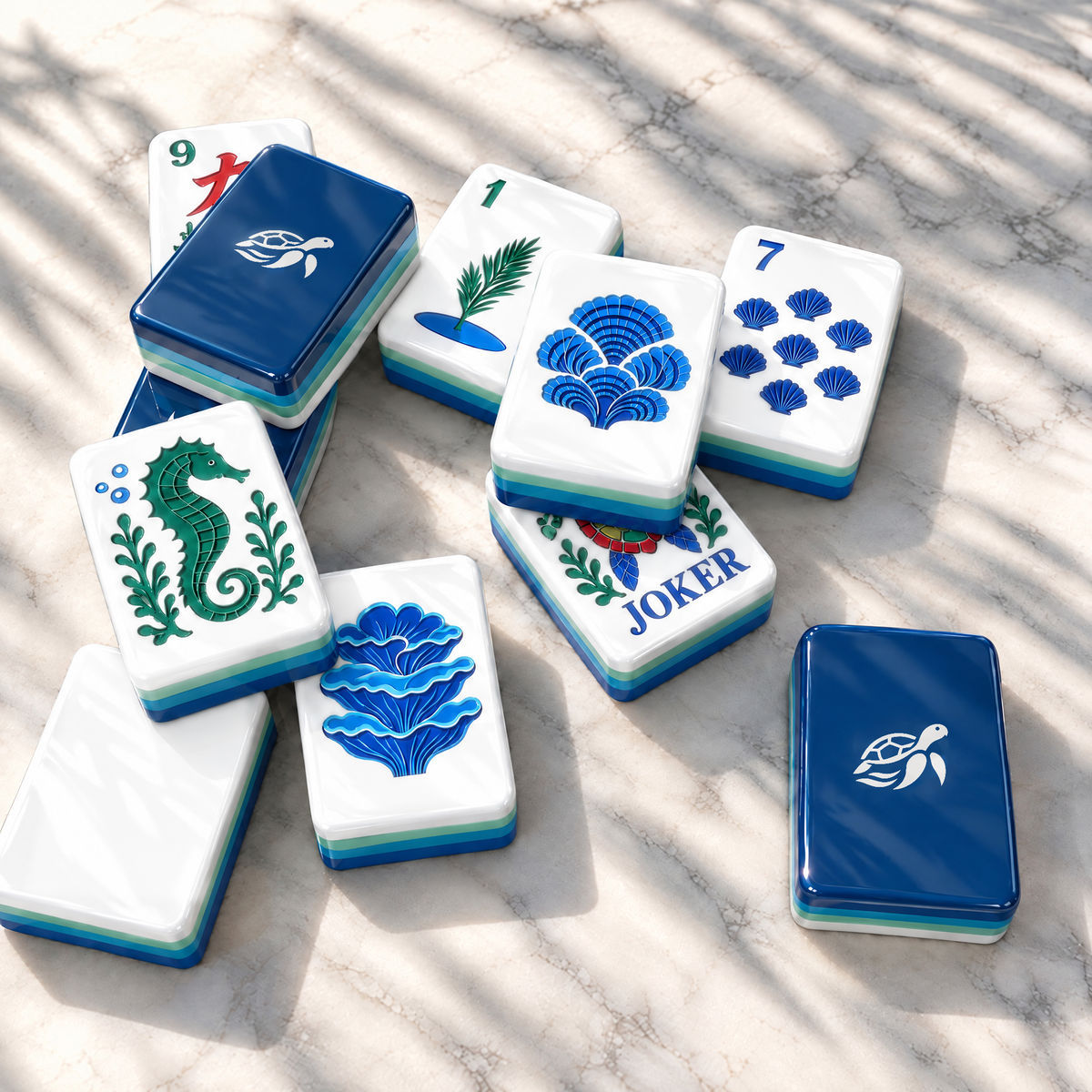
Open mahjong play in Nashville happens through community centers, libraries, synagogues, and casual meetup groups—check your local library's bulletin board, community center calendar, or Meetup.com for weekly games. Most players in Nashville play American mahjong using the current National Mah Jongg League card, with games typically lasting 1–2 hours. Beginners are usually welcome, though showing up with basic familiarity with how to play American mahjong helps. Games rarely charge a fee for casual play, though some clubs may ask for snacks or a small donation. You'll need a 160-tile set with racks, and many venues have equipment on hand; bringing your own best-selling acrylic set ensures comfort with your tiles. Nashville's open-play scene is welcoming to newcomers—expect friendly correction on rules and a social atmosphere rather than tournament-level intensity.
Where do Nashville players gather for open mahjong?
Most open-play mahjong in Nashville congregates at public venues rather than private clubs. Check your local branch library's community bulletin board or website for posted game times; many libraries host afternoon or evening sessions. Community centers in neighborhoods like Belle Meade, West End, and Bellevue often run weekly open-play sessions—call ahead or check their activity calendar. Synagogues and Jewish community centers frequently host mahjong nights, typically on weekday evenings. Casual meetup groups also organize games through online boards; search "Nashville mahjong" on Meetup.com or similar platforms. The game tends to cluster around central Nashville, but don't overlook suburban libraries—smaller branches sometimes have dedicated mahjong circles. Ask at your first venue; regular players usually know the other groups and can point you to a game that fits your schedule and skill level.

What should a complete beginner know before joining an open game?
Open-play venues in Nashville expect you to know the basics: the four wind positions (East, South, West, North), the three suits (Bams, Craks, Dots), and that your goal is to form a hand matching the current year's National Mah Jongg League card. You don't need to memorize the card—that's what the paper copy at the table is for—but you should understand what a pung (three identical tiles) looks like, and that how jokers work in American mahjong (they substitute for any tile you need). Arrive early, mention you're new, and ask an experienced player to walk you through one hand. Most Nashville groups are genuinely patient with beginners; the game has enough complexity that everyone remembers learning it. Bring a notepad if you're nervous; jotting down which tile went where helps you follow play. Don't worry about scoring on your first session—focus on understanding what tiles you need and how the tile-passing ritual called the Charleston works.
🀄 Shop best-selling mahjong sets →
What equipment do you actually need to bring, and what's usually supplied?
Most Nashville open-play venues provide a shared set (often worn or mismatched tiles after years of use), racks, pushers, and mats—so you can show up with nothing and play. However, bringing your own gear makes the game more enjoyable: you'll have tiles that feel good to your hand, racks that work smoothly, and a consistent setup you recognize. A 160-tile acrylic set is the industry standard for American mahjong; at open play, acrylic (not bamboo or bone) is preferred because tiles are durable, tiles don't absorb humidity, and the weight is uniform for fair shuffling. If you don't own a set yet, you don't have to buy one before attending your first game—borrow or use the house set. Once you're hooked (and most players are after a few games), a personal set with racks and a travel bag makes you feel like part of the group. Bring a notebook to track the card hand numbers you're working toward; many players keep a small pen at the table. The National Mah Jongg League card itself is provided at venues, but you can print one before you go.

How do you fit into the culture of Nashville's open-play groups?
Nashville's mahjong community is notably social rather than cutthroat. Players chat during play, joke about tiles, and welcome new faces—the game is the excuse, not the main event. Arrive on time, listen respectfully when an experienced player explains a hand, and ask questions freely; no one plays mahjong silently. If you make a mistake (playing out of turn, exposing a tile by accident), say so immediately—most groups self-correct with humor. Bringing snacks or a beverage is appreciated but not required. Tipping a venue (a few dollars if it's a library or community center) is optional and depends on the group's norms; ask a regular. Don't assume everyone at your first table knows each other—many open-play groups have rotating attendees, so you won't be the only newcomer on any given week. If a particular game time or venue doesn't click, try another; Nashville has enough open-play options that you can find players whose pace and friendliness match yours.
What's the fastest way to get ready before your first game?
Read the beginner's guide to American mahjong to build confidence, then watch one YouTube video of an American mahjong hand from start to finish (ignore Chinese variants—different rules entirely). Next, print the current year's National Mah Jongg League card from the official website and glance at a few sample hands to see what patterns you're matching. The Charleston (tile-passing before play) is the most confusing ritual for first-timers; reading a 2-minute explanation of how the Charleston works removes 90% of opening-day jitters. Then show up 10 minutes early, tell the table you're new, and let someone walk you through one full hand. Don't cram rules—open mahjong is forgiving of mistakes. The fastest learning happens during live play, not before.
What You'll Bring | Why It Matters | Who Should Bring It |
Your own acrylic set | Comfort, durability, fairness in shuffling | Any regular player |
Racks & pushers | Organized hand, faster play | Optional (venues often have these) |
A notebook & pen | Track card numbers, learn faster | Beginners (regulars remember) |
The annual League card | Identify valid hands | Venues provide, but good to have backup |
Snacks (optional) | Social goodwill | Anyone, no pressure |
Nothing | Still welcome to play | Complete beginners on first visit |
What to check before you attend your first open-play session
Call or email ahead. Don't assume a posted time is current; groups move venues, reschedule, or dissolve. A quick call to your local library or community center confirms the game is running and confirms the starting time. Ask about cost. Most open-play games are free or cost a couple of dollars to cover table rental; verify there's no steep entry fee. Confirm the variant. Nearly all Nashville groups play American mahjong, but it's worth asking—one maverick group might play Chinese rules, and you want to know before you arrive. Check if it's beginner-friendly. Not all open play welcomes brand-new players; some groups are intermediate-only. A quick question—"Is this a beginner game, or should I practice first?"—prevents wasted travel. Bring a photo ID. Some community centers or synagogues verify membership or require a guest form; have ID ready. Arrive 10 minutes early. Open play fills quickly; showing up on time ensures a seat at a table.
🎁 See our most-loved mahjong sets & accessories →
Once you've attended a few open-play games in Nashville and caught the bug, you'll likely want a personal set. Our best-selling American mahjong sets are built for exactly this phase of the player journey—durable, comfortable, and easy to carry to your weekly game. Many Nashville regulars also invest in a travel bag to keep their set protected and their racks organized between sessions. If you're shopping for a gift for someone in Nashville's mahjong circle, browse our new arrivals or consider an engraved set—personalized tiles are a perennial favorite among players who gather week after week.
✨ Find your Mahstead set — free US shipping →

FAQ
Do I need to own a mahjong set before joining an open-play game in Nashville?
No. Most venues provide shared sets. Borrow or use the house set for your first few games. Once you're confident and committed, owning a 160-tile acrylic set elevates your comfort and shows respect to the group.
What's the typical cost of open-play mahjong in Nashville?
Free or $1–3 per session at community centers or libraries. Some casual home groups ask for snacks instead. No structured tournament fees. Call ahead to confirm there's no surprise charge.
How long does a typical open-play session last?
Most open-play sessions run 1.5 to 2.5 hours. Some venues host a standing time block (e.g., Tuesday 2–5 p.m.); you can drop in for one hand or stay for the full window. No commitment required.
Can I play American mahjong if I've only seen Chinese mahjong before?
Yes, but rules differ significantly. Chinese mahjong uses chows (sequences), American mahjong doesn't. Spend 10 minutes reviewing American rules online; venues expect you to know the variant being played.
What's the easiest mistake beginners make at open play?
Calling a tile out of turn, or trying to use a single joker as a pair (jokers can't do that in American mahjong). Listen closely to whose turn it is, and ask questions before you play—the group will correct gently.
Where online can I find Nashville mahjong groups?
Check Meetup.com, your local library's website or bulletin board, community center activity calendars, or synagogue event listings. Call ahead to confirm the game is running this week.


View More
View More
View More
