
Mahjong: The New Pickleball? Here's What's Driving the Boom
Last updated: Nov 23, 2026
Mahjong is experiencing genuine explosive growth in the US—not hype. Unlike pickleball's fitness angle, mahjong attracts players seeking intellectual challenge, intergenerational bonding and a ritual-rich social experience. The game combines skill (strategy, tile memory, card reading), social structure (four-player partnerships, the ceremonial Charleston tile exchange) and accessibility: anyone can learn the basics in a single afternoon. American mahjong uses 160 tiles (152 in play plus spares), plays with the current year's National Mah Jongg League card, and typically runs three to four hours per game. Entry is simple—a set of tiles (acrylic or bamboo), a mat, and racks with pushers—but the depth is immense. Unlike pickleball, which emphasizes athletic coordination, mahjong delivers a contemplative, almost meditative experience with genuine stakes (points, bragging rights, tradition). This combination has drawn Gen Z players alongside retirees, suburban game nights alongside corporate wellness programs, and established communities eager to welcome newcomers.
Why is mahjong suddenly everywhere?
Mahjong's visibility has exploded because it satisfies a craving modern leisure can't: deep social time without devices, rule-based fairness (no "pay to win"), and a learning curve that feels rewarding rather than gatekeeping. Social media has amplified the trend—TikTok and Instagram celebration of mahjong nights, the aesthetic appeal of colorful tiles and linen mats, and celebrity and influencer participation have made the game culturally legible. But the real driver is demographic: millennial and Gen Z players tired of networking-heavy activities now frame mahjong as wellness (focus, memory, lower cortisol than competitive sports), while older players welcome younger players seeking authentic ritual. Unlike pickleball, which requires court access and athletic shoes, mahjong thrives in living rooms, patios and community centers. The barrier to entry is psychological and educational, not physical—and communities have mobilized to teach.

Where do you actually find a mahjong group?
Start with community centers, libraries and synagogues in your region—many now host beginner nights or league play. Search "mahjong club near me" combined with your city and state; check Meetup.com, Facebook groups focused on board games or local lifestyle, and local senior centers (they often welcome all ages). Country clubs and private communities frequently host Wednesday or Thursday games; ask if visitors can observe or join rotation. Asking shopkeepers at Asian markets or dim sum restaurants often yields word-of-mouth referrals to established groups. Once you locate a group, attend as an observer first—watch one full game to understand the pace and etiquette, then ask the host if you can join the next session. Most groups are welcoming and have spare tiles if you forget yours; arriving early and staying for setup allows players to coach you through the Charleston and first hand without pressure.
What do you actually need to start playing?
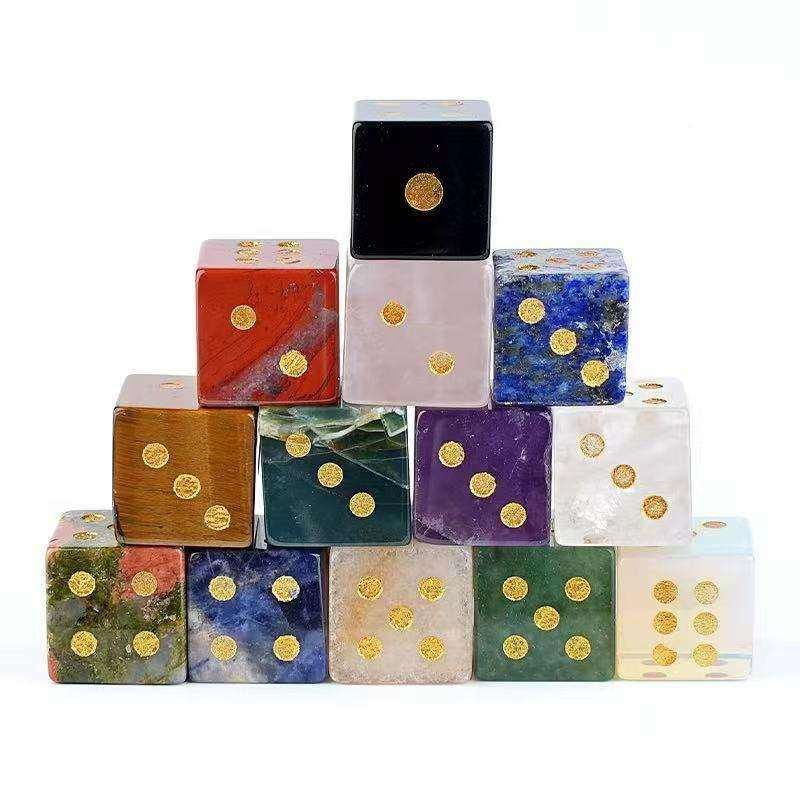
You need a tile set (152 tiles in play, typically sold as 160-tile sets with spare jokers), a mat to define the play space, racks with pushers to hold and move your tiles, and a copy of the current year's National Mah Jongg League card. Dice are optional but helpful for randomizing dealer position. Acrylic tiles are durable and portable; bamboo or bone sets carry more tradition but require care. Our best-selling mahjong sets offer acrylic designs in dozens of styles—solid colors, engraved personalizations, seasonal themes—that ship fully assembled and ready to play. A mat protects your table and keeps tiles stable during play; mahjong mats come in nylon (washable), felt or linen, with or without printed push-track guides. Racks with pushers are not mandatory but eliminate hand fatigue during a three-hour game and keep your tile strategy hidden from opponents. For hosting multiple games or traveling, a durable bag or case protects your investment and impresses newcomers.
🀄 Shop best-selling mahjong sets →
How is American mahjong different from what you see in movies?
American mahjong is a completely distinct variant from Chinese, Hong Kong, Taiwanese or Riichi (Japanese) mahjong. American mahjong has no chows (sequences like 1-2-3), no open-hand play, and every hand must match the current year's National Mah Jongg League card—there are no free-form hands. You expose only pungs (three identical tiles), kongs (four identical), quints (five identical) and sextets (six identical). Jokers substitute for any tile in an exposed meld but are never played as a single tile or pair. The Charleston—a tile-passing ritual before play begins—is unique to American mahjong and orchestrates fairness and randomness. Hong Kong and Chinese variants allow chows, simpler hand structures and different scoring; Riichi mahjong emphasizes concealed hands and pressure-based strategy. American mahjong was formalized in the 1920s and remains the standard in North America, particularly among Western players and women's groups. If you're joining a game, confirm the variant up front; American groups play the American card, period.
🎁 See our most-loved mahjong sets & accessories →
How long does it take to get good—and is it as hard as it looks?
A beginner can play a complete legal hand after one afternoon lesson; actual strategy and tile memory take 10–15 games to feel natural. The card is your constant reference—you don't need to memorize hands—so the barrier is learning to read it and recognize patterns on the fly. Most players report that the first three games feel like cramming for an exam; by game five, hand sequences start to feel intuitive. Tile counting (tracking which tiles are dead and which are still in play) and strategic discard planning develop over weeks. Unlike chess or bridge, mahjong does not require genius-level cognition—it rewards attention, practice and comfort with probability. Many players enjoy the social game long before they're competitive. Hosting a weekly game, as we do, transforms beginners into comfortable players within a season. The learning curve is steep but not insurmountable; the satisfaction of making your first winning hand—hearing the table erupt—justifies the effort.

What should you check before you buy a set?
Before buying a mahjong set, verify you're choosing American mahjong (152 tiles in play, 160 tiles with spares) and that the set includes the National Mah Jongg League card for the current year. Acrylic tiles should feel substantial (not hollow or brittle), have clear engravings or print, and sit flat on a table without rolling. Racks should hold tiles upright and comfortably; test the pusher mechanism if possible—smooth, not sticky. Mats should have a non-slip backing and clear play zones; measure your table to ensure fit. Verify the seller offers free domestic shipping (ours does) so cost isn't inflated by post. If you're gifting a set, confirm the recipient has (or wants) a community to play with; a beautiful set in a drawer is a missed opportunity. For beginner-friendly options, look for mahjong titles engraved with humor or personalization—these sets signal hospitality and make hosting more fun.
Set Style | Best For | Why It Works |
Solid acrylic, classic colors (ivory, jade, red) | Purists, established groups | Durable, timeless, audible tile clack |
Engraved titles (funny sayings, names) | Gift-givers, hosts | Breaks the ice, sparks conversation, memorable |
Seasonal or themed designs | Holiday gifts, first-time players | Decorative appeal encourages display and actual play |
Bamboo or bone (with fabric case) | Collectors, serious players | Premium feel, heirloom quality, portable |
Travel sets (compact acrylic, small mat) | Vacationers, bus trips, beach houses | Portable, protected, ready to set up anywhere |
What about gifts for someone who already plays?
If your recipient is an active player, they've likely got a functional set already. Instead, focus on upgrades: a luxury mat in linen or microfiber that feels like a treasure; racks with pushers if they're hand-playing; a premium travel bag to protect gear on group outings; or a second set in a complementary color for hosting alternating games. Engraved or personalized sets signal status—a set with their name, a funny group motto or a commemorative year feels like a badge of honor. For the truly dedicated, a Christmas mahjong set in holiday colors or a limited seasonal design becomes a conversation piece. Avoid novelty sets with gimmicky themes unless you know the group's humor. The best gift is not the shiniest set; it's one that gets used every week.
✨ Find your Mahstead set — free US shipping →
How does the community aspect compare to pickleball?
Pickleball attracts players because it's accessible, fast and athletic; the game ends in 30 minutes and you're onto the next court. Mahjong holds players for completely different reasons: a three-hour game creates intimacy, partnership and ritual. You're sitting across from the same three people for hours, managing alliances, reading faces and developing inside jokes. There's no referee—you police the game together, which builds trust. The Charleston pre-game tile exchange is a ceremony that levels new players with veterans. Scoring is transparent and tallied collectively. Many mahjong groups have played together for decades; pickleball groups are more transactional. That said, mahjong groups are also younger and more diverse now. Gen Z players are hosting apartment-building mahjong nights; corporate offices are sponsoring lunch-hour games; family reunions center on mahjong brackets. The boom has democratized the game—it's no longer exclusively suburban mothers or Chinese elders. Pickleball is a sport; mahjong is increasingly recognized as a social practice, a wellness activity and a tradition worth reviving.
What to check before you buy
Tile clarity: Engravings or printing should be crisp, not smudged or faded.
Set completeness: Confirm 152 playing tiles (160 total with spares), including 8 jokers.
Rack comfort: Test the pusher action; it should glide smoothly, not bind.
Mat dimensions: Measure your play surface; most mats fit 36–40 inches of workspace.
Current year card: Ensure the National Mah Jongg League card included matches 2026.
Shipping: Confirm free US shipping so you're not paying extra fees.
Backup: Order spare jokers or blanks if you play multiple games weekly (replacement availability matters).

FAQ
Is mahjong easier than pickleball to learn?
Mahjong has a steeper initial learning curve—you need the card and hand patterns—but requires no athletic ability. Pickleball is physically intuitive but demands coordination. Most adults master mahjong basics in three to five games; pickleball takes weeks to avoid poor strokes. Mahjong rewards memory and strategy; pickleball rewards reflexes and conditioning.
How much does a starter mahjong set cost?
American mahjong sets range widely depending on materials and design. Acrylic sets (most popular) offer good value and durability. See current price on the product page for specific options. Budget for a mat and racks separately if you want comfort during longer play.
Can you play mahjong with two or three players instead of four?
Yes, but the rules and tile distribution change significantly. Two and three player variants exist and are enjoyable, but they're not the standard American game. Most established groups play four-player; ask your host about variants if you have scheduling constraints. Learn the full rules for 2 and 3 player mahjong before joining a game.
What's the difference between American and Chinese mahjong?
American mahjong uses 152 tiles, no chows (sequences), and hands from the current year's card; every hand is rigid and predetermined. Chinese mahjong uses 144 tiles, allows chows, has multiple hand patterns and free-form play. American is rule-bound and fair; Chinese rewards pattern recognition and memory. Choose based on your group's preference—they're incompatible variants.
Do you really need a mat and racks, or can you just use a table?
Racks and pushers are optional but transform comfort during a three-hour game. A mat protects your table and keeps tiles stable. Many casual players skip both and hand-play on a table with a cloth underneath. For weekly games or hosting, both are worthwhile investments—they also signal hospitality to newcomers.
Where do I find the current year's National Mah Jongg League card?
Most mahjong sets include the current card. You can also order the card separately from the National Mah Jongg League website or purchase a laminated wallet version from game retailers. Your group will have spares to lend if you forget; keep yours protected so it lasts the full year.


View More
View More
View More
