
Mahjong Starter Kit Under 100: What to Buy First
Last updated: Nov 23, 2026
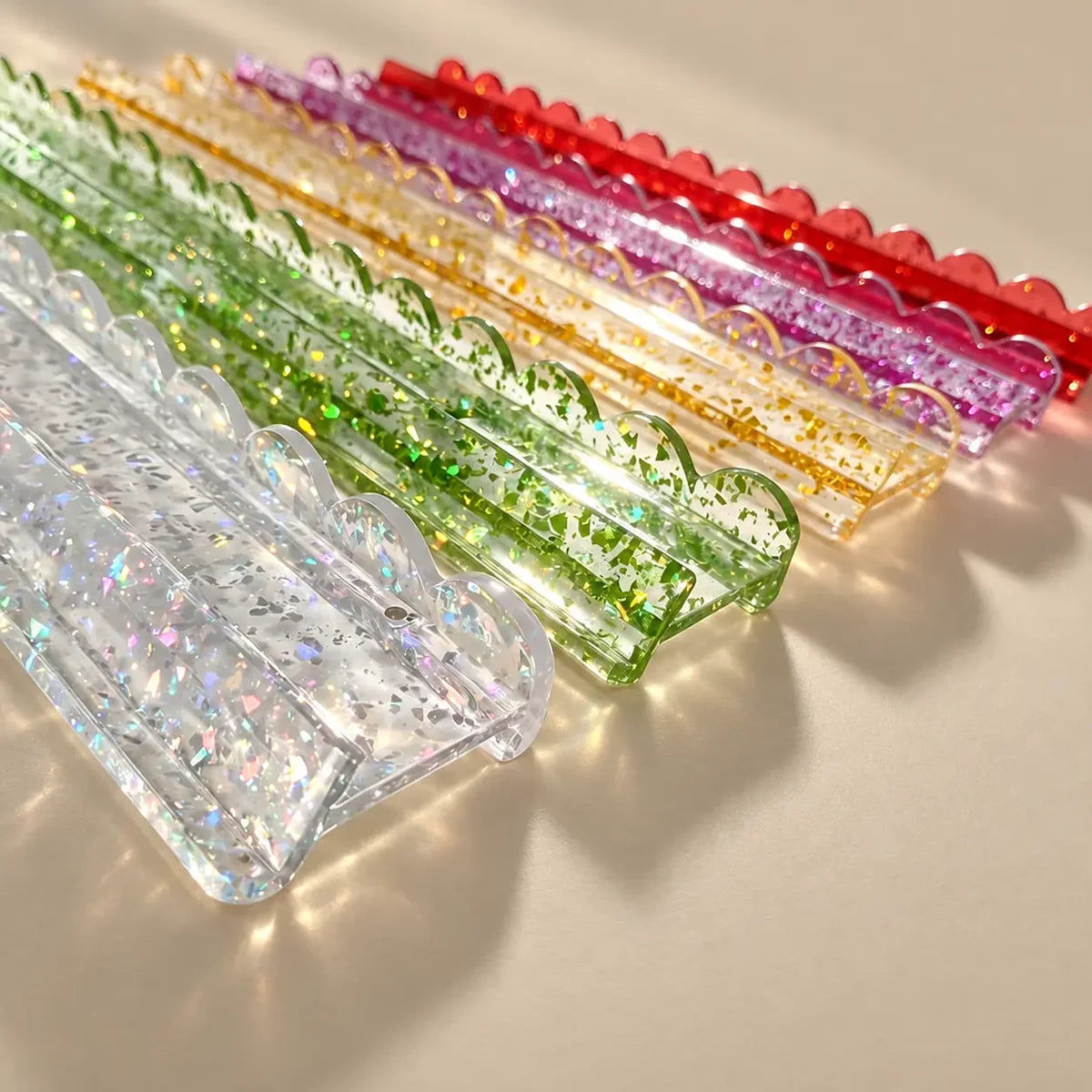
A complete American mahjong starter kit includes a 160-tile set (152 playing tiles plus spares), a padded mat, a pair of racks with pushers, and a protective bag—all essential for hosting weekly games at home. You can assemble a functional kit from our best-selling mahjong sets and matching accessories without overspending; focus first on the tiles and mat, since a sturdy playing surface and clear, easy-to-read tiles prevent mistakes and speed up learning. New players often buy the most expensive set first—a mistake. Instead, choose a durable acrylic set with bold engraving (easier to read while learning the suits), add a mat with grid lines for tile placement, then graduate to racks and a case as your group stabilizes. The complete beginner bundle works best if you're hosting, less critical if you join an existing game where equipment is shared.
What should I buy first: tiles, mat, or both?
Tiles come first. Without a clear, readable 160-tile acrylic set, you'll spend half the game squinting at numbers and misidentifying suits—especially when learning which color represents Bams, Craks, and Dots. A mat is your second purchase; grid lines keep tiles organized and prevent accidental bumps during play. Racks and cases matter only once you've hosted three or four games and decided mahjong is your regular hobby.
🀄 Shop best-selling mahjong sets →
Which American mahjong set design is best for beginners?
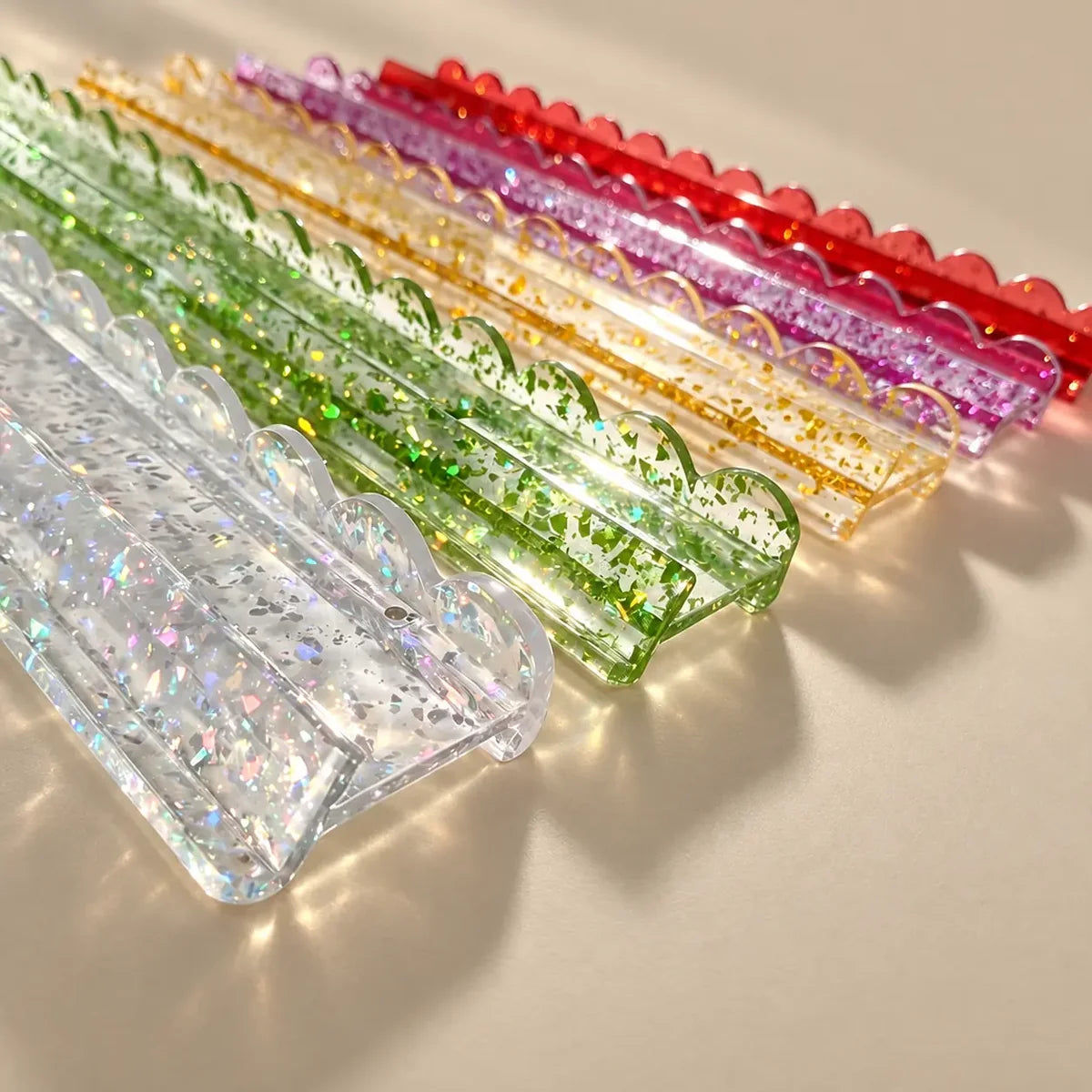
Choose bold, engraved tiles over painted or lightly marked ones. Engraving lasts through hundreds of plays and reads instantly from across the table; paint chips and fades, forcing players to guess or call for clarification. Look for sets with large, clear numerals and high-contrast suit symbols. Acrylic tiles—standard for American mahjong—weigh well in the hand, shuffle smoothly, and resist staining from snacks and drinks at game night. Bone or bamboo sets are beautiful but fragile and expensive; save those for later if you fall in love with the game.
Do I need a mat or can I play on any table?
A dedicated mat is not optional—it's a safety investment. Tiles slide and scatter on bare wood or glass; a padded mat with elastic edge and grid lines keeps the tile wall organized, prevents pieces from rolling onto the floor, and protects your furniture from 160 small hard objects. Most players work with custom mahjong mats sized to fit a standard folding card table (roughly 24" × 36" playing area), which matches American game layout: the wall in front of each player, draw and discard zones clearly marked. Without these zones visible, new players slow down the game asking "where does this go?"
What's the best way to carry a set if I'm traveling between homes?
A protective bag solves the problem of loose tiles escaping during car rides. Our mahjong bags and cases range from simple drawstring designs (light, compact, fits in a coat pocket) to hard cases with interior dividers (protects tiles from crushing if you stack other items on top). If you play weekly at the same house, a drawstring bag is enough; if you rotate between players' homes or travel monthly, a padded bag with shoulder strap prevents tile damage and keeps your set organized. Never transport unbagged tiles loose in a box—you'll lose pieces and jam them into corners.

How do racks and pushers actually help during play?
Racks hold your 13 tiles upright, hidden from other players, and angled so you read numbers quickly without lifting them. Pushers—flat sticks—let you move tiles in and out of your rack without touching them directly, which speeds up play and reduces fumbling. Beginners skip racks for their first month, resting tiles flat on the mat in front of them; this slows the game noticeably but teaches you tile recognition. Once you're comfortable identifying suits and numbers instantly, racks with pushers guide recommendations help you move at the pace experienced players expect—roughly 10–15 seconds per turn.
🎁 See our most-loved mahjong sets & accessories →
What should I check before ordering a starter kit?
Before you buy, verify these details to avoid returns or disappointment:
Tile count: Confirm the set includes 160 tiles (152 playing tiles plus spares). Never buy a 144-tile set for American mahjong; American games require exactly 152 tiles for play. If a listing doesn't specify, ask.
Acrylic material: Plastic (acrylic) tiles are durable and ideal for beginners. Ceramic or resin tiles are heavier and wear beautifully but cost more and risk chipping if dropped.
Engraving clarity: Request a close-up photo of the numerals and suit symbols. Avoid sets where Craks and Dots look similar or where the bird on the 1 Bam is too faint to spot quickly.
Mat dimensions: Measure your card table or play surface. Standard mats fit 24"–36" surfaces. If you use a dining table, ensure the mat won't overhang dangerously.
Bag capacity: A set with 160 tiles plus a mat typically needs a bag at least 12" × 8" × 6" to close without crushing tiles. If the listing doesn't show interior dimensions, ask whether a standard 160-tile set fits.
Shipping protection: Confirm that tiles are packed in bubble wrap or foam inside the bag, not loose in a cardboard box. Loose packing causes tiles to rattle and chip during transit.
Comparison: Starter Kit Options
Kit Focus | Who It's For | Core Items | Best Next Step |
Tiles only | Solo learner or joining existing game | 160-tile set, instruction sheet | Add mat when hosting |
Tiles + mat | First-time host, committed beginner | Set + padded mat | Add racks after 5 games |
Tiles + mat + racks | Frequent host, comfortable investment | Set + mat + 1–2 racks with pushers | Add second mat or case |
Full bundle | Serious new player, rotating host duties | Set + mat + racks + bag | Upgrade to engraved titles or new designs |
✨ Find your Mahstead set — free US shipping →
Common Beginner Mistakes We See Every Season
Many new players rush into purchases they later regret. First: buying a fancy painted set before they've confirmed they enjoy the game—paint wears fast, and if you discover mahjong isn't for you, you've invested heavily. Second: choosing a mat without grid lines, thinking a flat surface is enough; game logistics (wall placement, draw zone, discard pile) become confusing without visual guides. Third: pairing a 144-tile set with American mahjong rules; you'll run short during the game and have to restart or substitute tiles mid-play, breaking everyone's rhythm. Fourth: ordering a "travel set" that doesn't actually fit in your car—measure before you click. Fifth: storing tiles in a humid closet where acrylic becomes sticky; keep them in a dry, temperature-stable place.
How to Build Your Kit Incrementally
If your budget is tight, here's a realistic timeline:
Month 1: Buy a single best-selling acrylic set with bold engraving. Play on someone else's mat or a folding table with a towel underneath. Learn the suits, how jokers work, and basic tile recognition.
Month 2: Add a padded mat with grid lines. Your game speeds up because tile placement is now automatic; players stop asking "where do I put this?"
Month 3: Buy one pair of racks with pushers. You don't need racks for every player yet; rotate who uses them so everyone learns. When hosting, the owner of the tiles uses the racks first.
Month 4+: Add a protective bag once you're carrying the set between homes weekly. Consider a second mat if you host monthly; one mat gets worn, a backup keeps play consistent.

FAQ
Can I build a starter kit for under a certain amount if I shop carefully?
Yes. Prioritize a durable acrylic set first, then a mat; both are non-negotiable. Racks and bags can wait. See current prices on our best-selling collection to confirm what fits your budget.
Is a 144-tile set okay for American mahjong, or do I really need 160 tiles?
You must have 160 tiles (152 playing plus 8 spare jokers for the standard game). American mahjong is designed for exactly 152 tiles in play; 144-tile sets are for other variants. Never mix variants mid-game.
How do I know if a mat is the right size for my table?
Measure your playing surface width and depth. Most mats fit 24"–36" tables and come with elastic edges to grip the table edge. If your table is larger, request custom dimensions or use two mats side by side.
What's the difference between a mat and a table cover or tablecloth?
A dedicated mahjong mat has a padded base, grid lines for tile zones, and elastic corners—designed specifically for the game layout. A tablecloth is thin and slides; tiles scatter and pile placement becomes chaotic. Always use a mat.
Do I need racks and pushers if I'm a beginner, or can I learn without them?
You can learn without them. Play with tiles resting flat on the mat in front of you. Once you're comfortable identifying tiles quickly, racks speed up the game and hide your hand from other players—standard at experienced tables. Start without racks; add them after your first 5–10 games.
How should I store my tiles when I'm not playing to keep them in good condition?
Store acrylic tiles in a cool, dry place (not humid closets or near heaters). Keep them in the protective bag inside a box, away from direct sunlight. Avoid stacking heavy items on top; tiles are durable but can crack under pressure or warp if exposed to heat.
Is free shipping really available across the US, or are there restrictions?
Free US shipping applies to all Mahstead orders. No minimum purchase or regional exclusions. Your kit arrives packed carefully to prevent tile damage during transit.
What if tiles arrive chipped or the mat is torn—what's my recourse?
Contact us immediately with photos. We handle damage claims on a case-by-case basis. Always inspect your kit upon arrival and report issues within a few days so we can resolve them quickly.


View More
View More
View More
