
Common Mistakes in Hong Kong Mahjong
Last updated: Nov 23, 2026
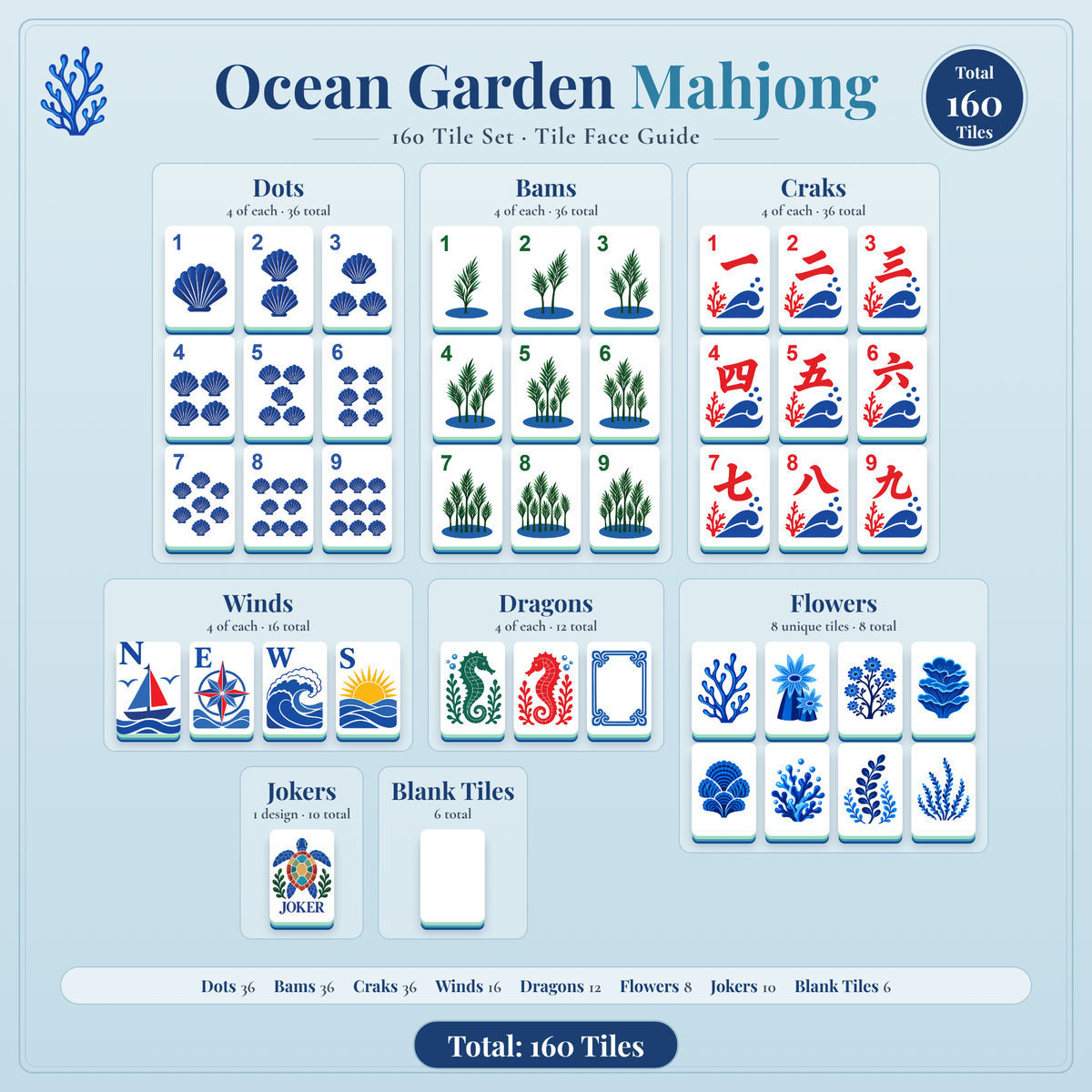
Hong Kong mahjong uses 136 tiles (one set of four identical tiles per number/honor) and permits chows—consecutive number sequences—unlike American mahjong. The two games differ fundamentally: Hong Kong hands are built from melds (pungs, kongs, chows, pairs) with no reference card, winning requires the "1 from the wall" draw or a claimed discard (no self-drawn closed hand in most settings), and jokers don't exist. Common errors include trying to form chows in American style, misreading flower/season triggers, playing with incomplete tile counts, and misunderstanding the 13-orphan and all-terminals winning patterns. The most costly mistake is playing too many loose tiles early or not tracking discards carefully—Hong Kong is a memory and discard-reading game. We recommend keeping detailed notes on discarded honors and counting the wall to estimate remaining draws. --- 🀄 Shop best-selling mahjong sets →
Are You Confusing Hong Kong and American Rules?
The single biggest mistake new Hong Kong players make is applying American mahjong logic. American mahjong has no chows at all—every meld must be identical (three 5 Dots, four 7 Bams). Hong Kong mahjong requires chows as part of most winning hands. A winning Hong Kong hand has one pair and four melds; those melds can be three identical tiles (pung), four identical tiles (kong), or three consecutive tiles of one suit (chow like 4–5–6 Craks). If you try to play only identical pungs and kongs, you'll trap yourself; if you forget chows exist and hesitate when they're available, you slow play and leak information to opponents. The solution: memorize the basic winning patterns before your first game, not during play. Most clubs post a quick reference sheet at the table.

What Tile Count and Composition Do You Actually Need?
Hong Kong mahjong plays with exactly 136 tiles: four copies each of Craks 1–9, Bams 1–9, Dots 1–9, plus four copies each of the four Winds (N/E/W/S) and three Dragons (Red, Green, White). There are no flowers, no jokers, no extra blanks—the 136 count is strict. A common error happens when players bring an American mahjong set (152 tiles with flowers and jokers) to a Hong Kong game or when a set is incomplete because tiles have been lost. If you're short even one tile, the wall cannot be drawn fairly and the game corrupts. Before each session, count your set. Lay all tiles face-down in four rows of 34 tiles; if the count is wrong, do not play. Many casual groups skip this step and discover mid-game they're missing three Dots or a Wind tile—a frustrating halt. If you host weekly games, keep a tally sheet and retire any incomplete sets.
Why Does the Discard Pile Strategy Matter So Much?
In American mahjong, strategy focuses on concealing your hand and reading the card. In Hong Kong mahjong, every discard is public information forever. This is not a minor detail—it's the game. Players watch which tiles you discard, the order you discard them, and whether you hesitate. If you discard the 7 Craks confidently, opponents assume you don't need it; if the 7 Craks appears again and you claim it immediately, they know you were waiting. Beginners often discard randomly or discard the same suit consecutively (a sign you're building a pung or chow in another suit). Advanced players will avoid discarding two Dots in a row if possible, because it narrows your options and telegraphs your strategy. The mistake: playing too fast and not observing discards. The fix: pause before each discard, scan the discard pile, and mentally note which dangerous tiles (honors, terminals) are still in play. If both Red Dragons are gone and you see three White Dragons discarded, the last White Dragon is high-value—hold it or use it only if you're certain you'll win soon.
How Do You Handle Flowers and the Dice Roll Correctly?
Hong Kong sets include no flowers, but some players imported tournaments or friendly games do use flowers (or seasons) as bonus draws. If your game includes flowers: when you draw a flower, you immediately set it aside face-up and draw an extra tile from the wall to replace it. This happens before your turn ends, so you act again immediately. The error most beginners make is treating a flower like a regular tile and keeping it in hand, or forgetting to draw a replacement. This delays play and confuses the wall count. Before the game starts, ask: "Are we playing with flowers?" If yes, agree on how many (usually zero or four) and the replacement rule. For the dice roll, Hong Kong uses two dice to determine who sits where and who starts. Roll openly, announce the sum loudly, and count positions around the table. Beginners sometimes miscount the position (off by one) or reroll without agreement, causing disputes. Roll once, count twice, move on. If someone disagrees, pause, recount aloud, and proceed. Do not re-roll unless the dice fell off the table.

What Winning Patterns Catch Beginners Unprepared?
Hong Kong mahjong includes eight winning patterns that don't appear in American mahjong at all. The most famous is "13 orphans" (one each of 1 and 9 in all three suits, all four Winds, all three Dragons, plus one duplicate to form the pair)—an exotic all-terminal or honor hand worth high points. Another is "all terminals" (1 and 9 only, in any mix of suits and melds). Many beginners assume every hand must include numbers and honors mixed; they don't realize all-honor hands (Winds, Dragons only) or all-number hands (suit tiles only) are legal. The strategic mistake: you chase one pattern too long and miss a simpler winning path. For example, you're one tile away from an all-Bams hand, but you could win now with a mixed hand if the 4 Craks dropped. A quicker win prevents your opponent from building. Learn the eight patterns from a guide or book before playing; do not memorize them at the table. Many clubs provide a one-page reference or a YouTube tutorial. Invest 15 minutes before your first game and you'll avoid costly hesitations.
Pattern Type | Tile Mix | Meld Count | Common Error |
Standard hand | Any suits + honors | One pair + four melds | Over-focusing on one suit |
All terminals | Only 1 & 9, any suits | One pair + four melds | Forgetting this is legal |
All honors | Winds + Dragons only | One pair + four melds | Assuming you need numbers |
All one suit | One suit numbers + honors | One pair + four melds | Mixing suits by accident |
13 orphans | One each of 13 unique honors | No melds—pair at end | Holding too long for it |
🎁 See our most-loved mahjong sets & accessories →
What Should You Check Before You Buy a Set?
If you're sourcing a Hong Kong mahjong set, verify the tile count and composition before purchase. A quality Hong Kong set lists 136 tiles, includes zero flowers and zero jokers, and comes in a durable case or bag (essential for transport, since no tile can be replaced mid-season). Check whether the set includes a wind indicator or dice; these are standard in Hong Kong sets but sometimes omitted. If tiles are bamboo or bone, inspect for chips or cracks—one damaged tile ruins the game. Acrylic tiles are durable and stack neatly, though some players prefer the weight and feel of wood. When you order, ask the vendor whether replacements are available if a single tile cracks within a year. We recommend sets from our best-selling collection that focus on standard American tile counts; if you're committed to Hong Kong play, source a dedicated Hong Kong set from a specialist importer and keep a backup set on hand for rapid replacement if needed.
Why Misreading the Wall and Dead Wall Errors Cost You
The Hong Kong wall is drawn differently than American play. At the start, all 136 tiles form a wall. The dealer draws two tiles; play flows clockwise. On your turn, you draw one tile from the wall, then discard one. The wall shrinks. When only 14 tiles remain (the "dead wall"), no one can draw; whoever has a winning hand at that point wins, or the round is a draw. The mistake: players sometimes count the wall incorrectly and draw beyond the legal point, or they misunderstand that once the dead wall begins, only existing melds and discards matter—no new tiles enter play. A beginner might ask, "Can I draw from the dead wall?" The answer is no: the dead wall is dead. Once it begins, only winning on a discard or by having a hand that was already complete before the dead wall started. Some players also fail to announce the dead wall, causing confusion. The fix: before play, designate someone to track the wall count. At 14 tiles left, announce clearly: "Dead wall." No more draws. This prevents arguments and keeps the game moving.
✨ Find your Mahstead set — free US shipping →
How Do You Recover After a Rule Mistake Mid-Game?
Mistakes happen. You've claimed a tile illegally, someone misread the hand, or the wall count is off by one. The best practice: stop immediately, call the error aloud, and rewind to the last legal position. If no one remembers the exact tiles, the hand is void—discard, shuffle, and start a new round. Do not force play forward hoping no one notices. Integrity is more important than finishing a single hand. If you're hosting a weekly game, establish an error protocol in advance: "If someone claims a tile illegally, we pause, replay the last legal move, and continue." Write it on a card and keep it at the table. Beginners worry that calling an error makes them unpopular; the opposite is true. Players respect clarity. If you find a rule discrepancy online after your game, bring it to the group, discuss it, and update your house rules. Hong Kong mahjong has regional variants—your club's rules might differ slightly from another club's. Agree on your standard before week one and stick to it.

FAQ
Can I play Hong Kong mahjong with an American mahjong set?
No. American sets have 152 tiles including flowers, jokers, and eight extra tiles; Hong Kong requires exactly 136 with no flowers or jokers. Using the wrong set introduces extra tiles that corrupt the game. Buy or borrow a dedicated Hong Kong set.
What's the penalty for discarding a tile I shouldn't have?
That depends on your house rules. Some clubs allow a one-round pass penalty; others rewind the play. Agree on penalties before the game starts to avoid disputes.
How long does a typical Hong Kong mahjong game take?
One round (4 hands, one from each player) typically takes 30–45 minutes at casual pace. A full evening might include 3–4 rounds. Beginners play slower.
Do I need to memorize all eight winning patterns before my first game?
You should learn them, but you don't need to memorize every variation. Bring a one-page reference to your first game and study it before play starts. Most clubs provide this.
What's the most important skill to develop in Hong Kong mahjong?
Discard awareness. Watch which tiles are gone, track which opponents are building, and avoid discarding tiles that help them. Memory and observation win hands more than luck.


View More
View More
View More
